
Used 2018 Conventional Daycab Trucks For Sale in Pennsylvania
Shop used 2018 conventional daycab trucks in Pennsylvania. Compare wheelbase, engine, axle ratings, transmission, and fifth wheel setup.
Have used 2018 conventional daycab truck to sell? List it here to reach thousands of buyers.
Used 2018 Conventional Daycab Trucks in Pennsylvania
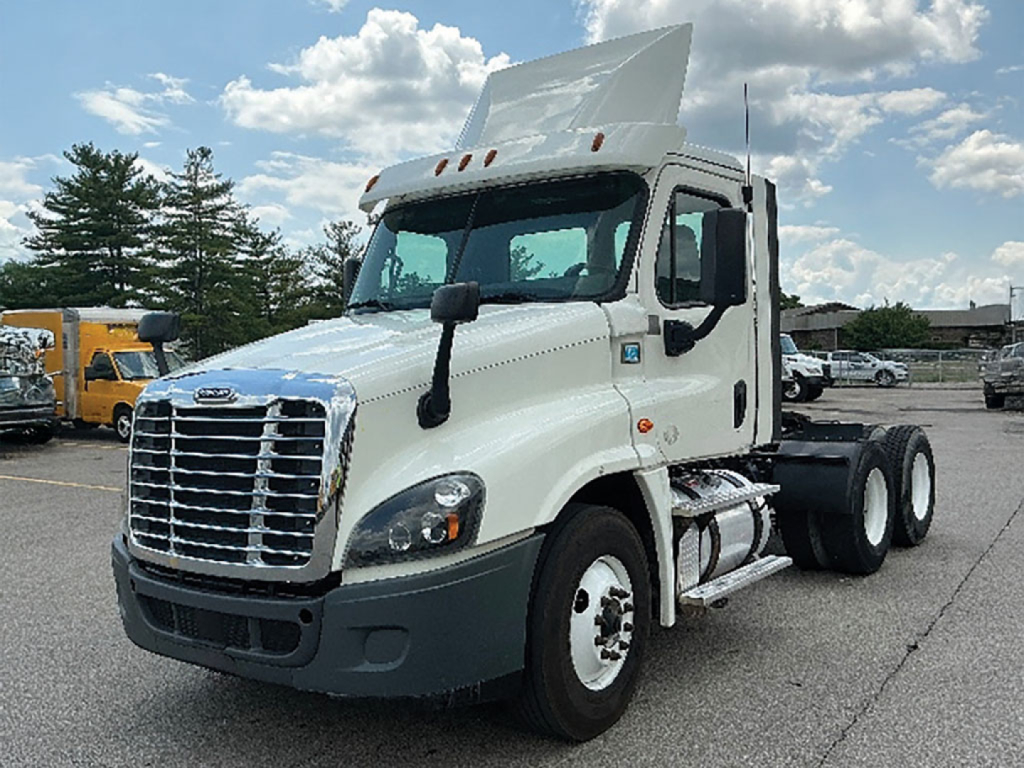
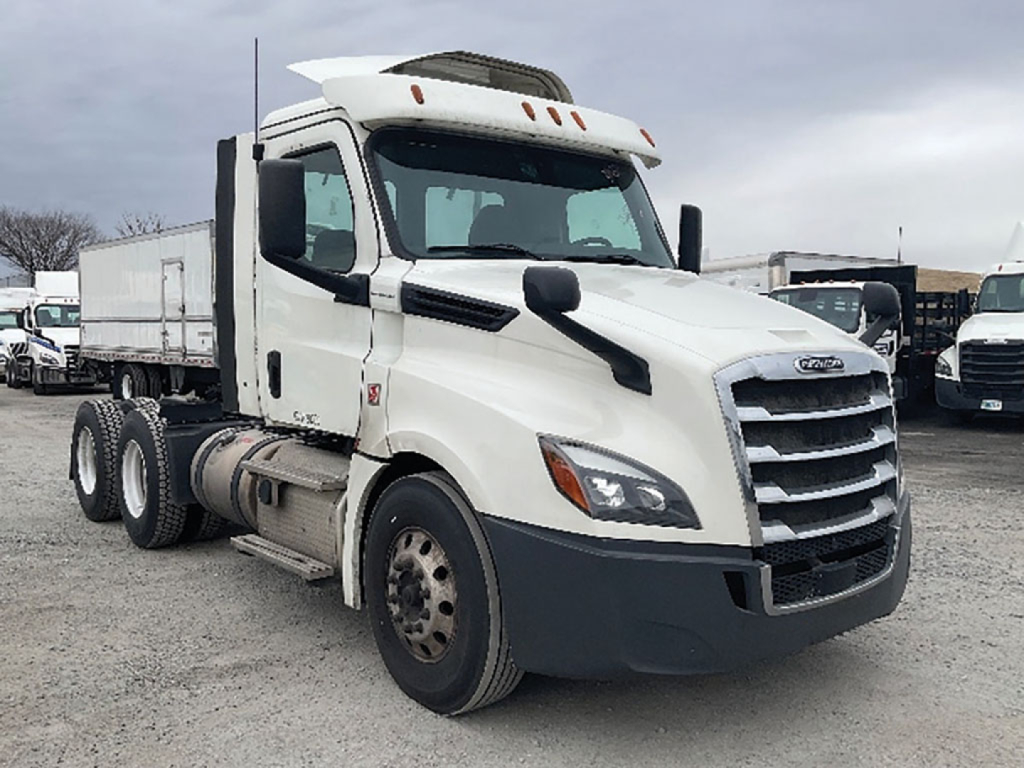
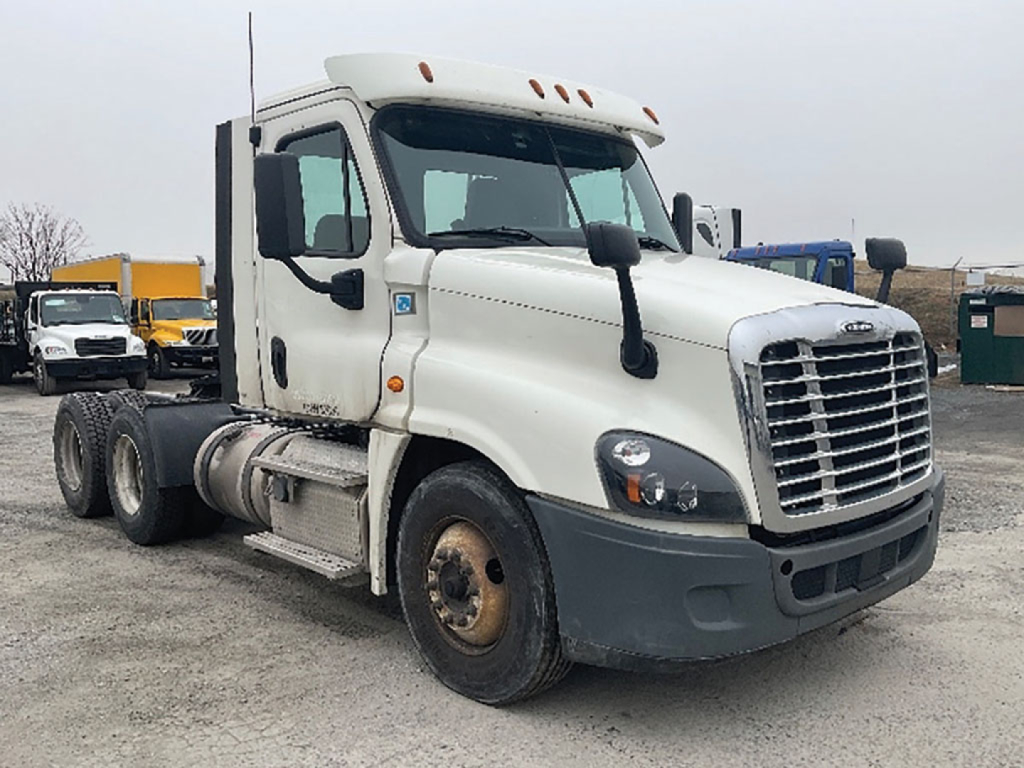
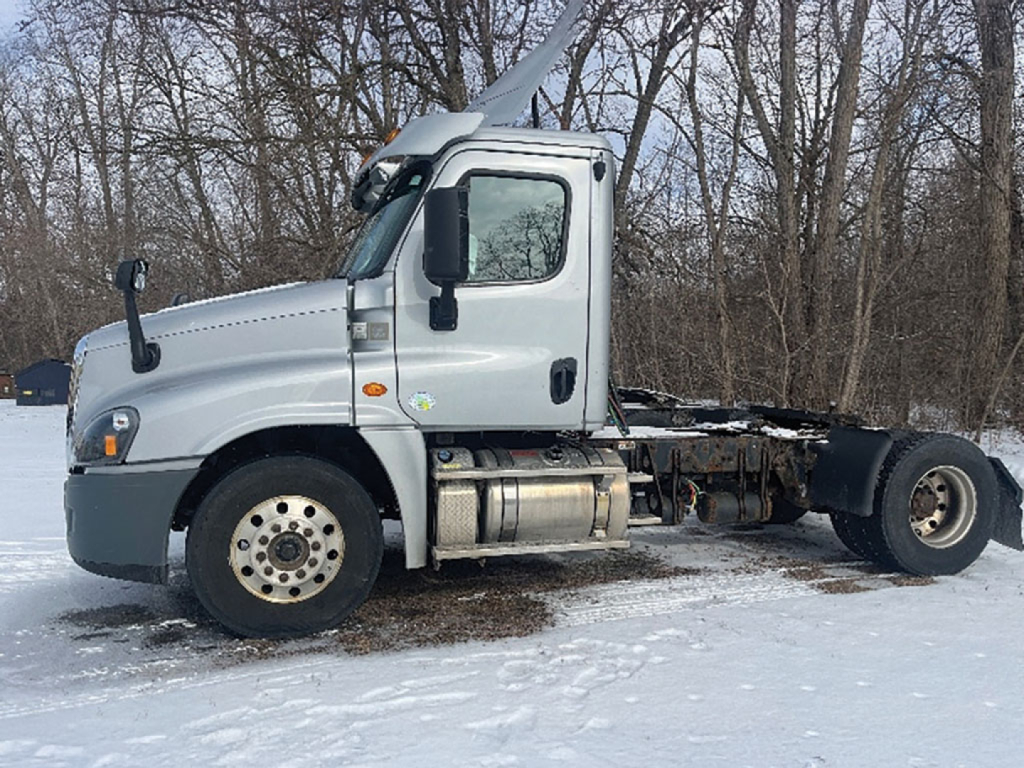
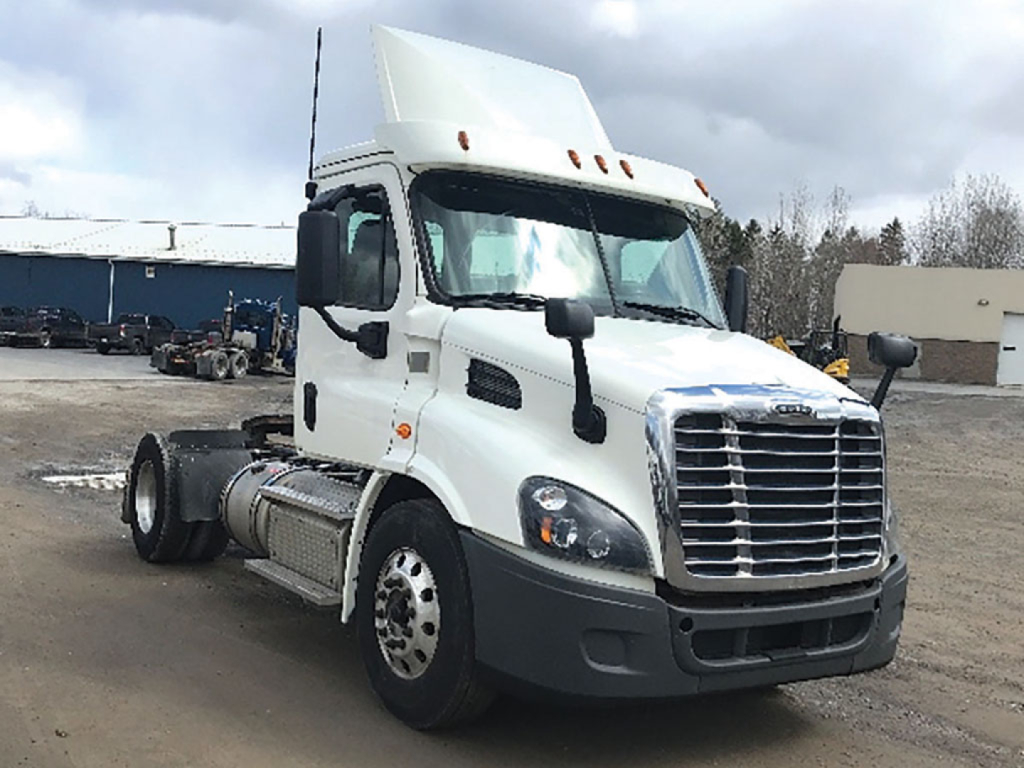
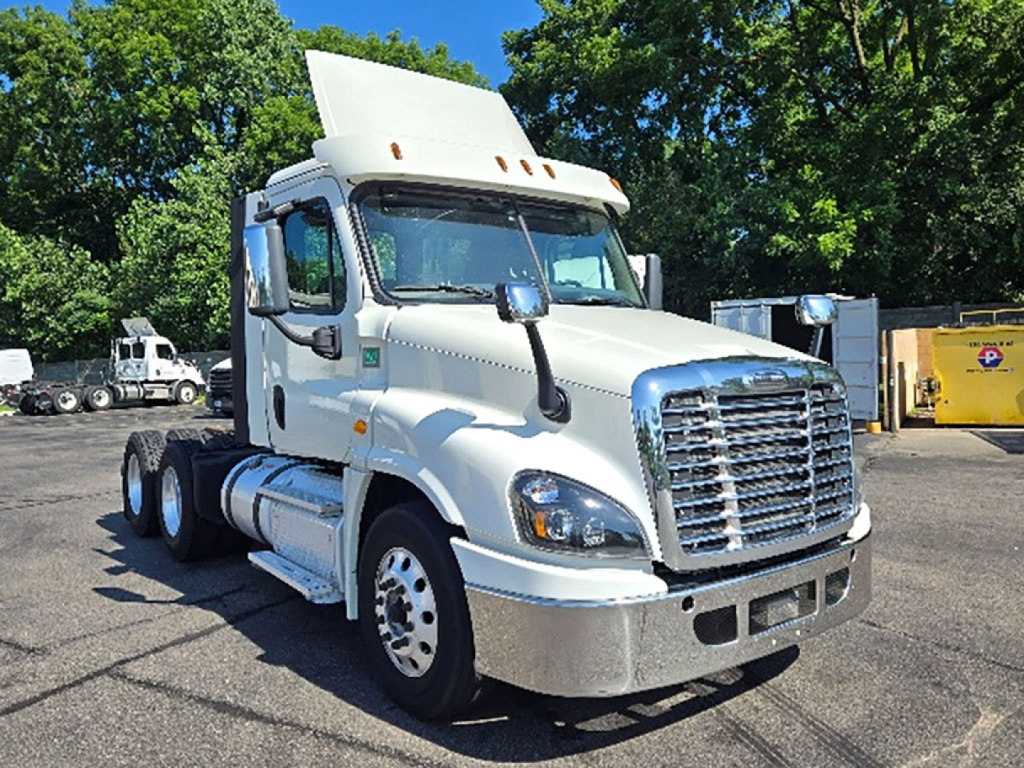
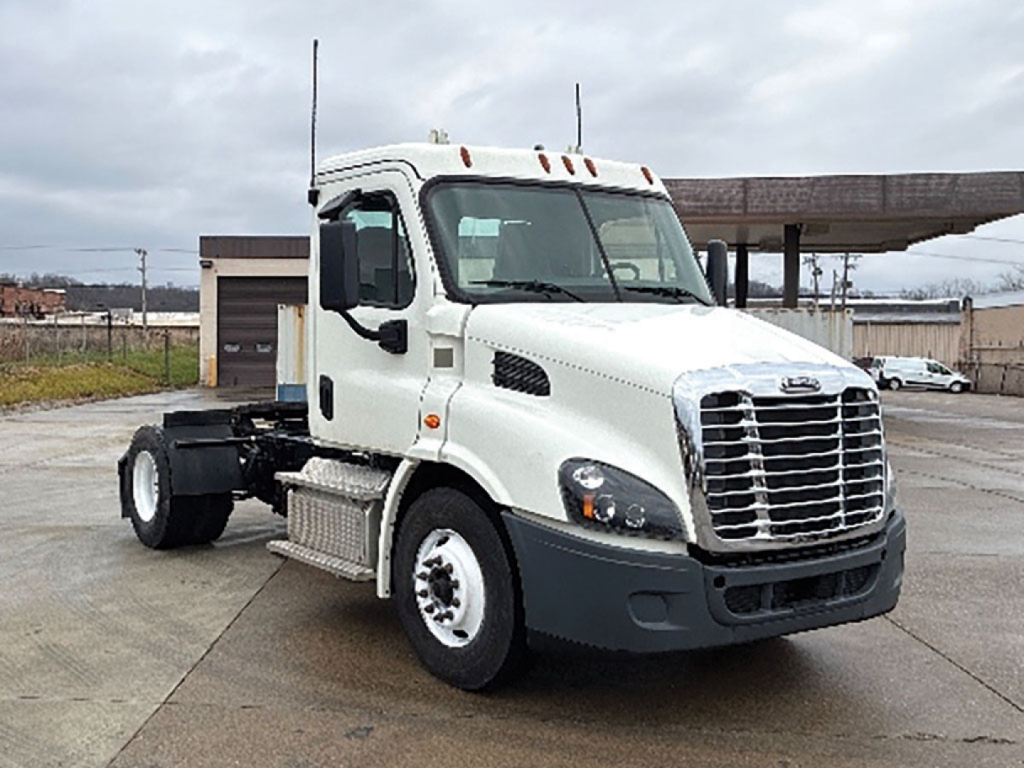
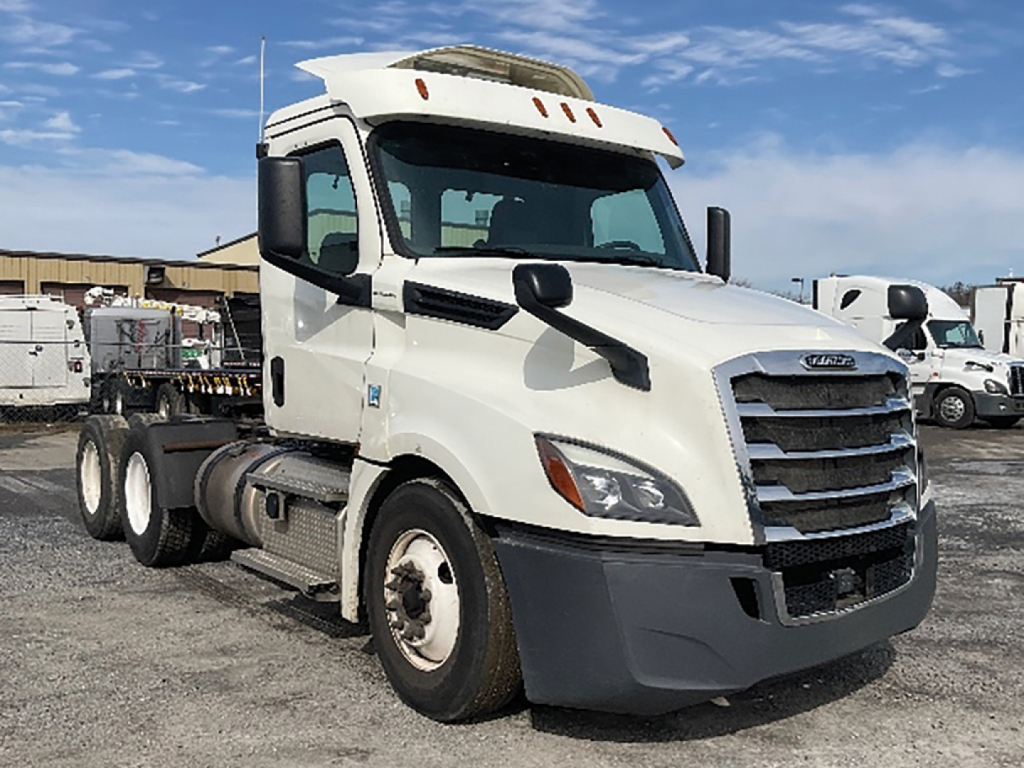
The first specs to check are wheelbase, axle ratings, and fifth wheel setup. Many conventional daycab tractors in this class are tandem axle units with front axles around 12,000 to 14,700 pounds and rear axles at 40,000 pounds, often on air ride suspension. Wheelbases commonly fall in the high-180-inch to 200-inch range, which matters for bridge law compliance, trailer swing clearance, and turning radius in tighter yards. Buyers running multiple trailer lengths should pay attention to fifth wheel travel, ride height, and frame layout. Air slide fifth wheels, suspension dump valves, and differential locks are common features on fleet-spec daycabs because they improve trailer spotting and traction in real working conditions.
Powertrain choice is a major value driver on a used 2018 conventional daycab. Engines in this segment commonly include 13-liter platforms such as the Detroit DD13 or Volvo D13, usually paired with automated manual transmissions like an Eaton Fuller automated or Volvo I-Shift. Horsepower in the 425 to 475 range is typical for regional tractor work and is enough for loaded van, reefer, tank, or flatbed service without stepping into heavier fuel burn than the route requires. On used units, maintenance history matters as much as published horsepower. Buyers should review aftertreatment service records, transmission calibration history, idle hours, and any recurring fault patterns. A daycab that spent its life on regional highway lanes may show very different wear than one used for stop-start drayage or yard-heavy shuttle work, even at similar mileage.
Cab spec and operating condition also deserve close attention because daycabs see frequent driver entry, short-trip cycling, and a lot of backing. Power and heated mirrors, air conditioning, cruise control, engine brake, lane alert systems, aluminum wheels, and 11R22.5 or 295/75R22.5 tire setups are all common in this category. For Pennsylvania buyers, corrosion exposure, frame condition, suspension wear, and brake life are especially important due to winter road treatment and mixed seasonal operating conditions. The best used 2018 conventional daycab is not just the lowest-mile truck. It is the one with the right wheelbase, axle package, gearing, and service history for the freight lane, trailer type, and daily stop count you actually run.
Frequently Asked Questions about Used 2018 Conventional Daycab Trucks in Pennsylvania
What is a conventional daycab truck used for?
A conventional daycab truck is a highway-style tractor without a sleeper compartment, designed for regional and local hauling where the driver returns the same day. Common applications include dry van, reefer, flatbed, tanker, port drayage, intermodal, and dedicated shuttle work. The daycab layout reduces overall weight and length compared with a sleeper tractor, which can improve maneuverability and leave more payload or operational flexibility for short-haul service.
What should I check first on a used 2018 daycab tractor?
Start with the truck's wheelbase, axle ratings, engine, transmission, mileage, engine hours, and fifth wheel configuration. Then review maintenance records for the aftertreatment system, clutch or automated manual transmission service, suspension components, brakes, and tires. On a Pennsylvania truck, inspect frame rails, crossmembers, air tanks, wiring, and cab mounts for corrosion or winter-related wear. A clean spec sheet matters, but service history and actual condition usually determine long-term value.
Are automated transmissions common in 2018 conventional daycab trucks?
Yes. By 2018, many fleet-spec conventional daycabs were ordered with automated manual transmissions such as Eaton Fuller automated models or Volvo I-Shift. These transmissions improve driver consistency, reduce clutch wear from stop-and-go work, and can help fuel economy in regional service. Buyers should still confirm software updates, clutch life, shift performance under load, and whether the calibration matches the intended application.
What wheelbase is best for a conventional daycab?
The best wheelbase depends on the trailers, roads, and loading environment. Shorter wheelbases generally improve maneuverability in tight terminals and city work, while longer wheelbases can provide better ride quality, bridge spacing, and trailer clearance depending on fifth wheel position. Many tandem axle daycabs fall roughly between 187 and 200 inches, but the right choice comes down to axle spread requirements, trailer gap targets, and the turning conditions the truck will see every day.
How many miles is too many on a used 2018 daycab?
Mileage by itself is not a reliable cutoff. A 2018 daycab with higher highway miles and strong maintenance records can be a better buy than a lower-mile truck that spent years in severe stop-start duty. Look at engine hours, idle time, aftertreatment history, transmission operation, suspension wear, and overall chassis condition alongside the odometer. The key question is how the truck was used and maintained, not just how many miles it shows.