
Used 2017 Conventional Daycab Trucks For Sale
Shop used 2017 conventional daycab trucks with common specs, engine and axle options, and tips for local, regional, and terminal work.
Learn more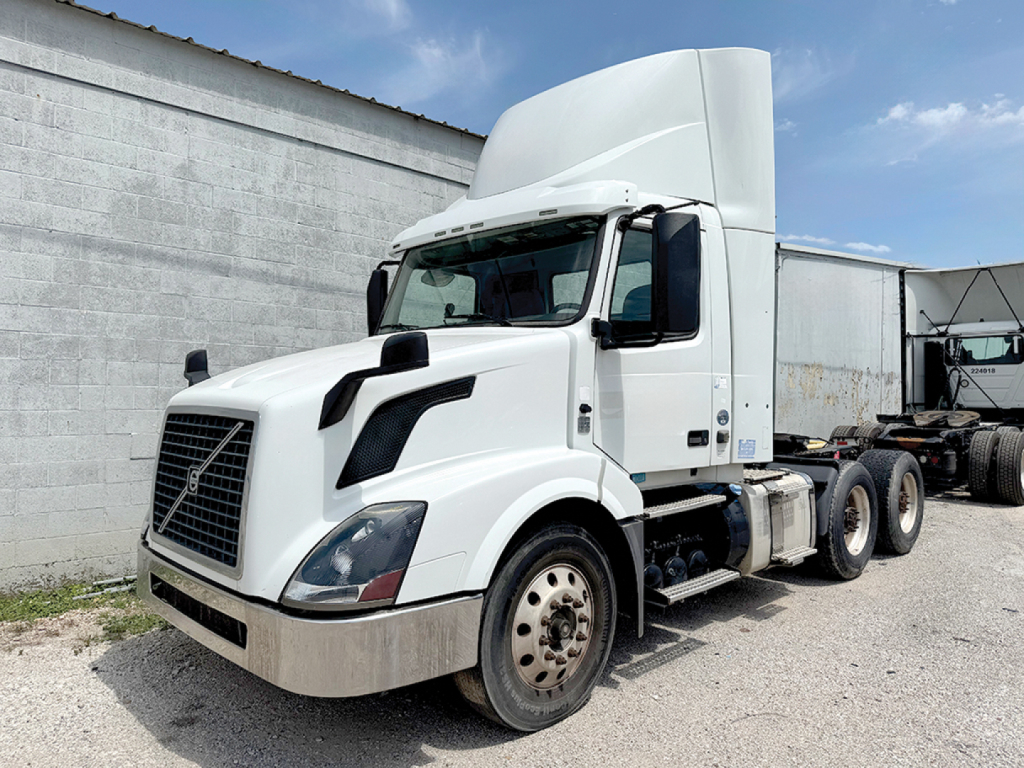
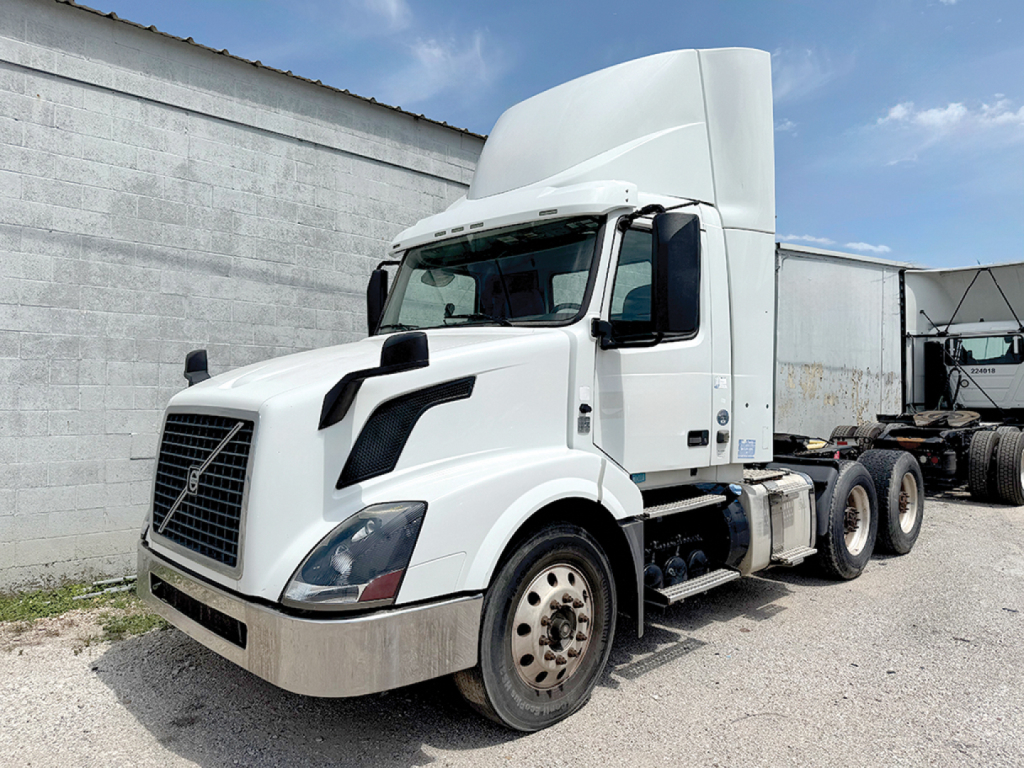
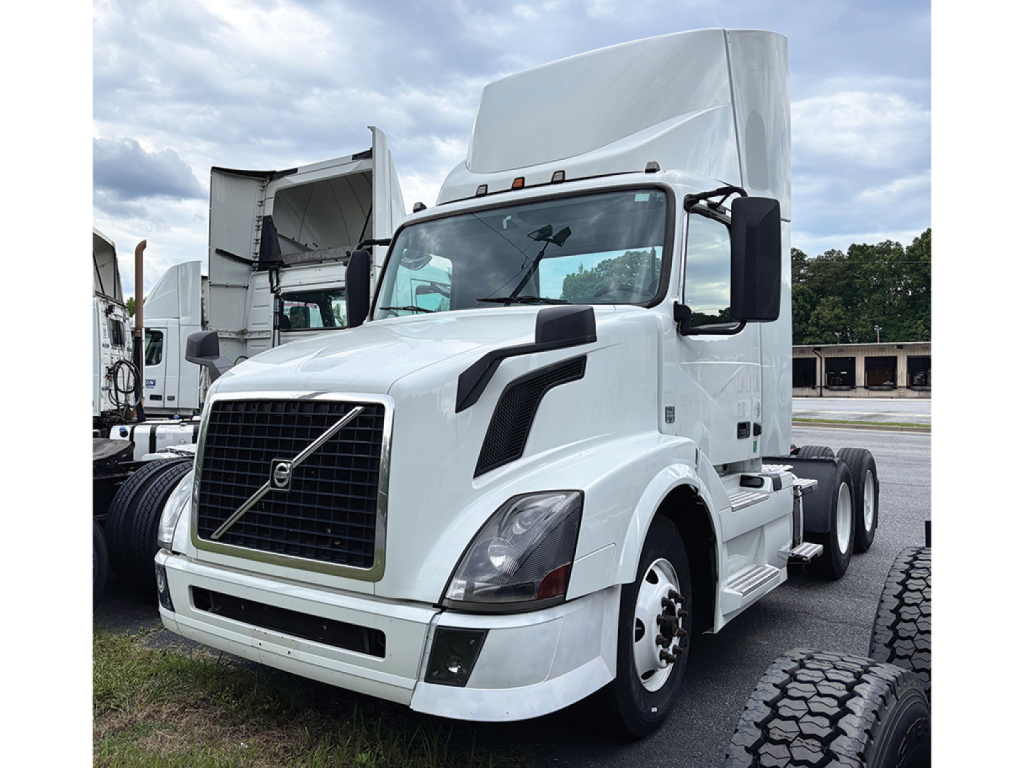
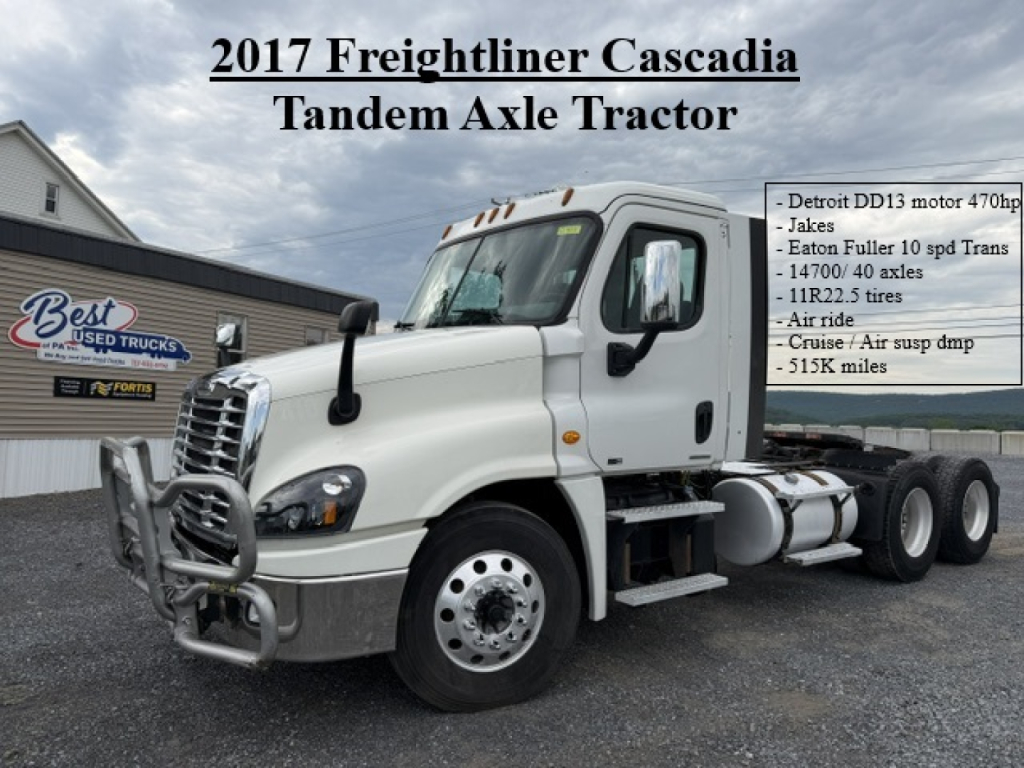
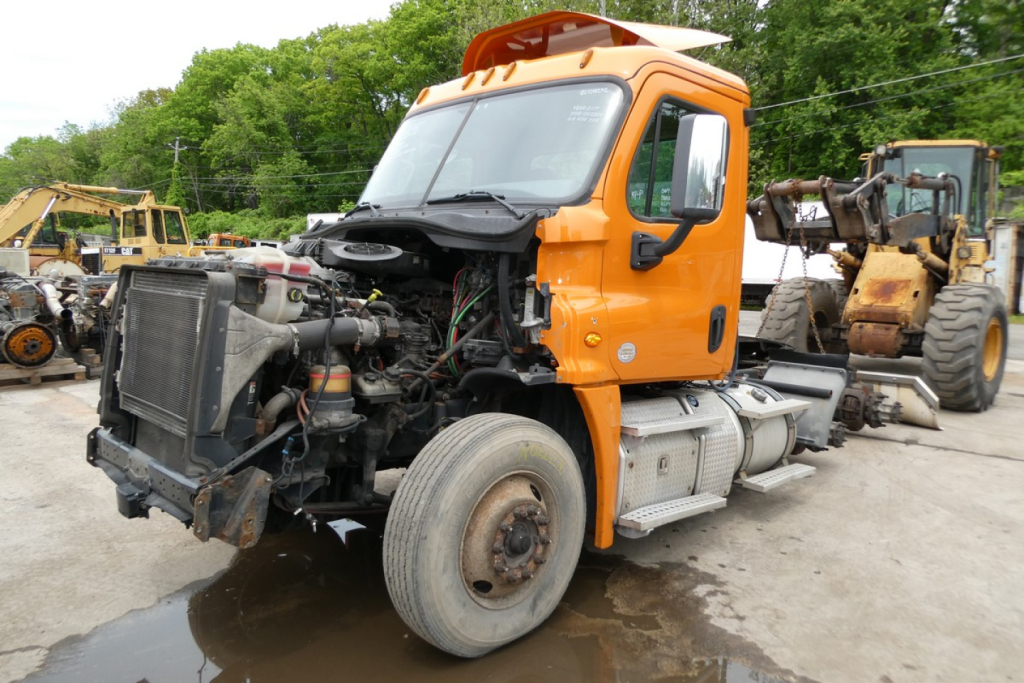
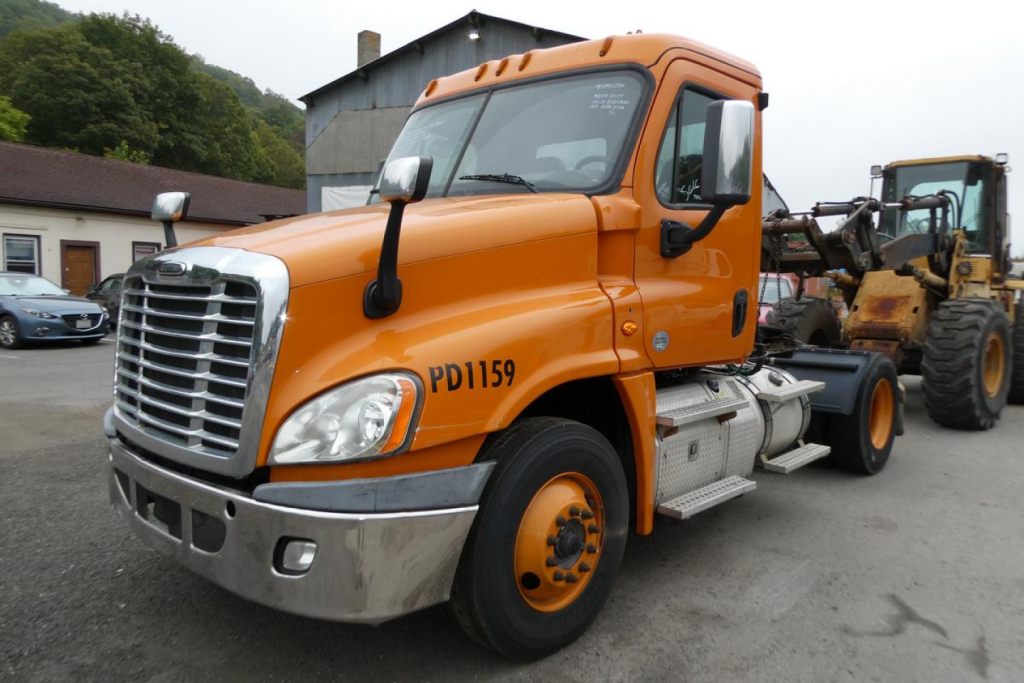
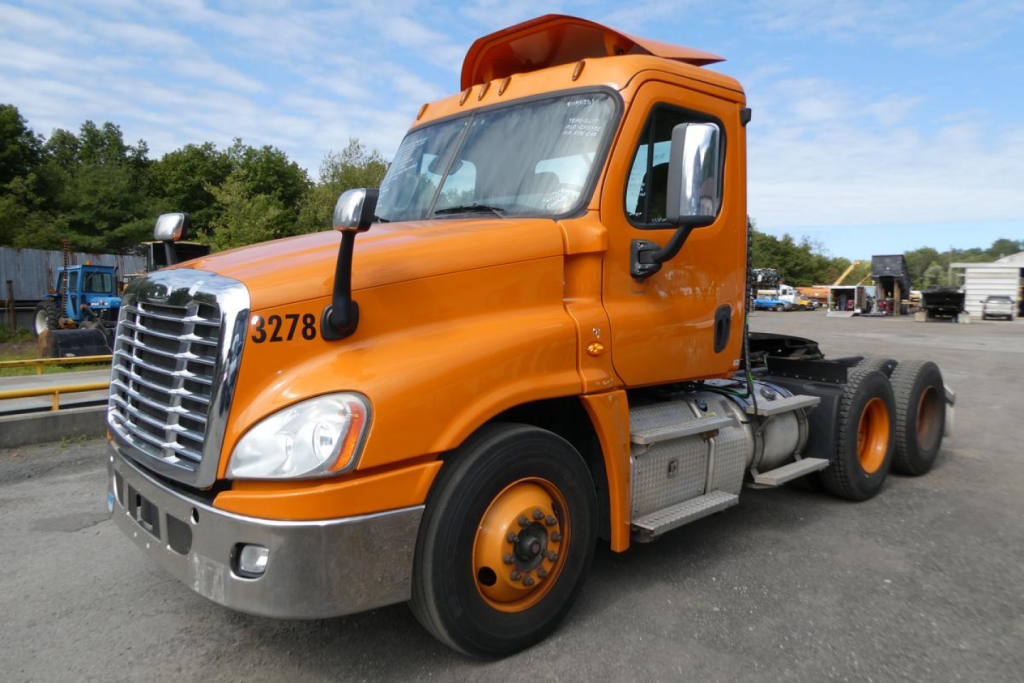
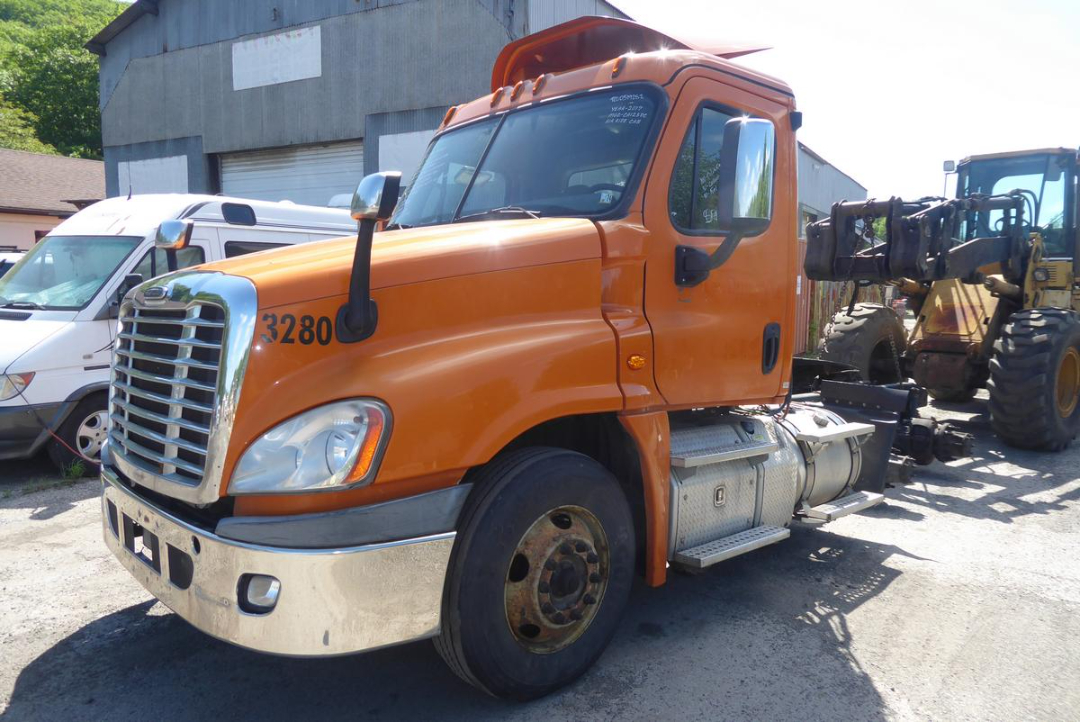
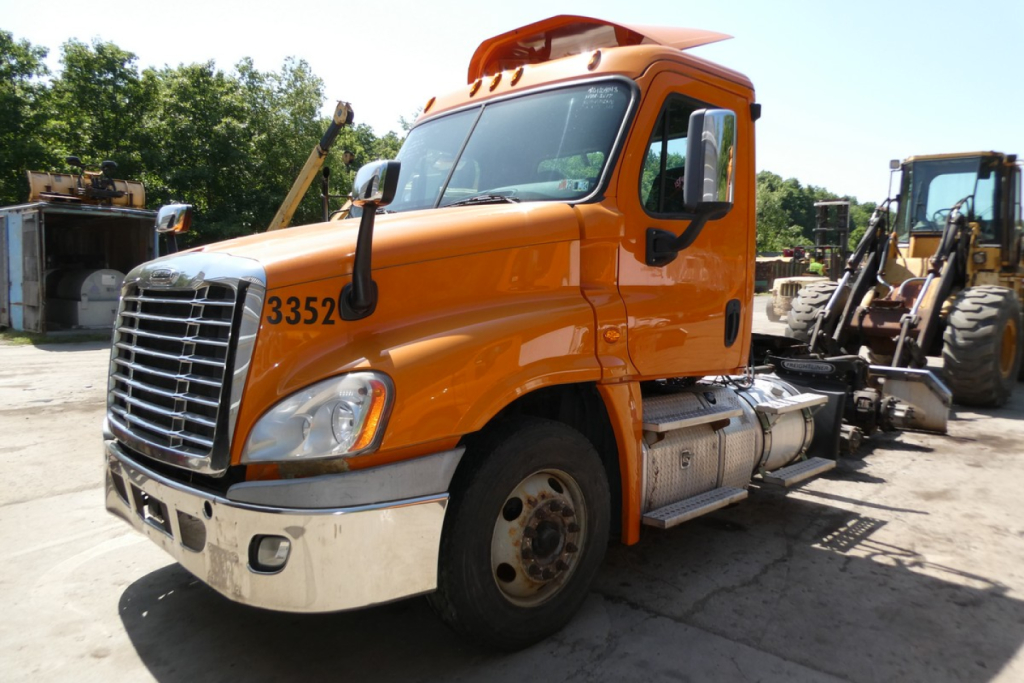
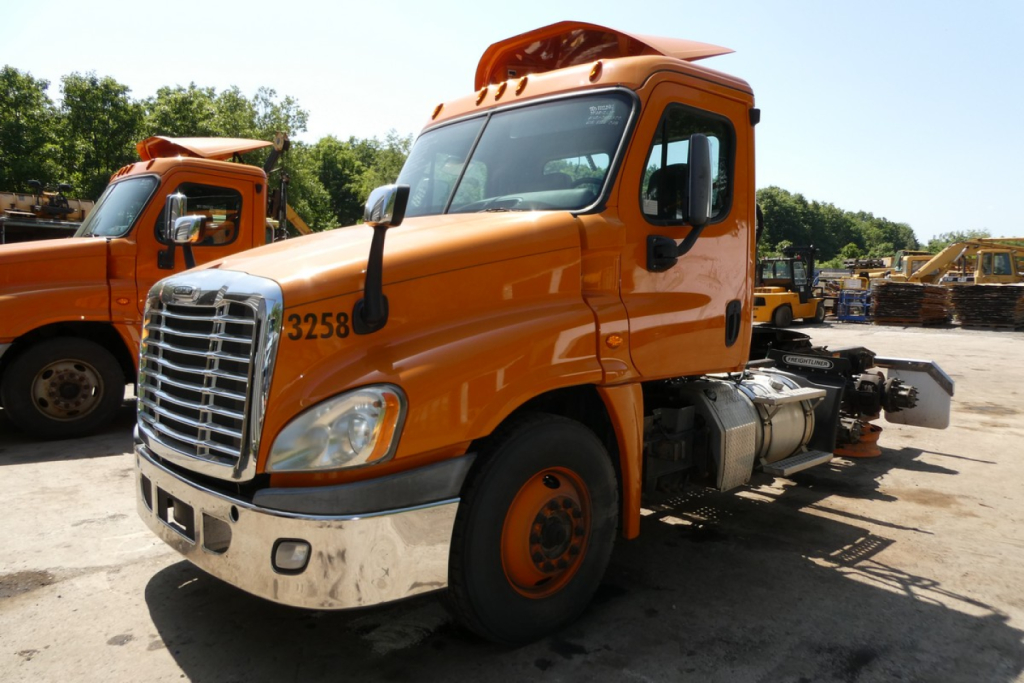
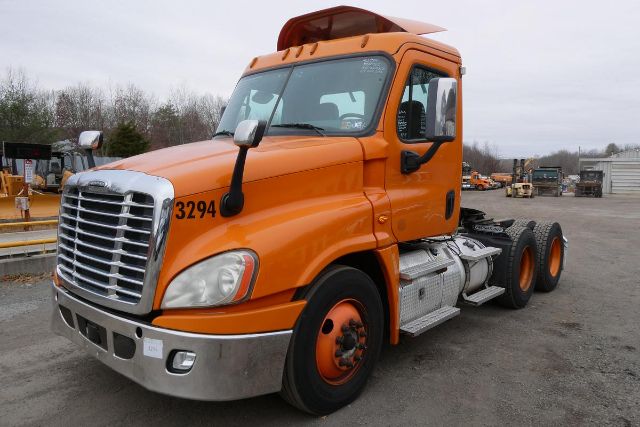
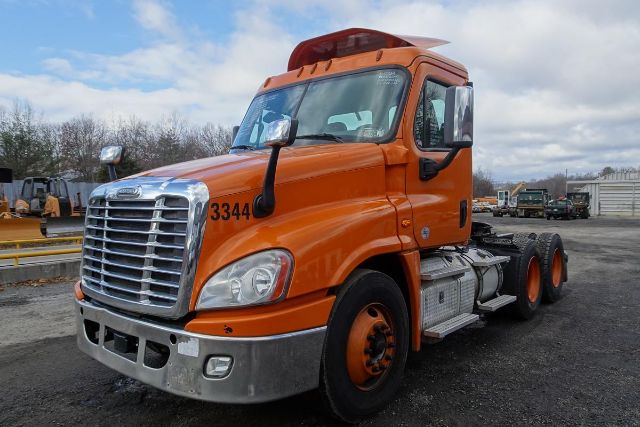
Showing 1 to 12 of 22 results
Have used 2017 conventional daycab truck to sell? List it here to reach thousands of buyers.
About Used 2017 Conventional Daycab Trucks
Common 2017 specs in this category include tandem rear axles rated around 40,000 lb, a 12,000 lb front axle, air ride suspension, and an air slide fifth wheel. Power is often in the 400 to 500 hp range from engines such as the Detroit DD13 or DD15, PACCAR MX-13, Cummins X15, or Volvo D13, paired with 10-speed or 13-speed manuals or automated manuals like the Detroit DT12. Ratios such as 3.08 or 3.36 are common on trucks built for fuel economy and highway efficiency, while steeper ratios may suit heavier starts, vocational pulls, or more stop-and-go service. Many 2017 daycabs also came with emissions equipment including DEF systems, engine brakes, and disc or drum brake setups. Buyers comparing listings should look beyond horsepower and pay close attention to ECM miles, engine hours, idle history, brake type, suspension model, tire size, and any signs the truck spent its life in fleet service versus severe-duty local use.
Condition matters more than badge on a 2017 daycab. At this age, service records, fault code history, clutch or automated transmission performance, aftertreatment health, and signs of frame or fifth wheel wear can tell you more than the paint. A fleet-maintained truck with 700,000 to 800,000 miles may still be a better value than a lower-mile unit with inconsistent maintenance or heavy idle time. Check for common wear points such as bunk delete finish quality on factory-converted units, cab mount wear, suspension bushings, air system leaks, DPF and SCR service history, and steer tire pattern wear that may point to alignment or kingpin issues. If the truck is intended for local P&D, container work, tanker, or dedicated trailer service, verify the wheelbase, cab-to-axle, and fifth wheel travel will fit your trailer set and weight distribution needs.
A 2017 conventional daycab can be a practical ownership window for carriers that want modern emissions-era equipment without stepping into late-model pricing. The best value usually comes from trucks with documented engine and aftertreatment maintenance, clean driveline operation, and specs aligned to the lane. Buyers should also consider regional parts support, dealer network strength, and technician familiarity with the engine and transmission package they choose. When a truck is spec'd correctly, a used 2017 daycab can still serve well in drayage, regional van and reefer hauling, dedicated fleet replacement, and private fleet operations where uptime and operating cost matter more than sleeper amenities.
Frequently Asked Questions
What is a conventional daycab truck used for?
A conventional daycab truck is used for hauling trailers on local, regional, and short-haul routes where the driver returns home daily and does not need a sleeper. Common applications include dry van, reefer, drayage, tanker, flatbed, terminal switching, and dedicated private fleet work. Compared with sleeper tractors, daycabs usually offer lower curb weight, easier cab access, and better maneuverability for city and yard operations.
What engine and transmission setups are common in used 2017 daycab tractors?
Used 2017 conventional daycab trucks commonly have 12 to 15 liter diesel engines in roughly the 400 to 500 horsepower range. Popular combinations include Detroit DD13 or DD15 engines with Detroit DT12 automated manuals, PACCAR MX-13 engines with Eaton manual or automated transmissions, and Cummins or Volvo powertrain options depending on make. Buyers should match the powertrain to the job, since local stop-and-go work, regional lanes, and heavier gross weights all favor different horsepower, torque, and axle ratio combinations.
How many miles is too many on a 2017 conventional daycab?
Mileage alone does not determine value on a 2017 daycab. Many fleet tractors in this class accumulate 500,000 to 800,000 miles or more, and a well-maintained truck can still have solid service life left. Engine hours, idle time, maintenance records, emissions-system repairs, transmission performance, and axle and suspension condition are often better indicators than odometer reading by itself. ECM data and service documentation are especially important when comparing higher-mile trucks.
What should I inspect first on a used 2017 daycab truck?
Start with the engine, aftertreatment system, transmission operation, and chassis condition. Review fault codes, check for DPF, DOC, or SCR repair history, listen for air leaks, inspect suspension and steering wear, and look closely at fifth wheel, frame rails, and brake components. Tire wear can reveal alignment or kingpin issues, and engine hours can expose excessive idle time. If the truck has an automated manual, confirm it shifts cleanly and engages from a stop without hesitation or clutch-related faults.
Why do axle ratio and wheelbase matter on a daycab tractor?
Axle ratio and wheelbase directly affect fuel economy, starting power, trailer compatibility, and maneuverability. A taller highway ratio such as 3.08 can improve cruise efficiency on regional lanes, while a steeper ratio can help with heavier starts or frequent stop-and-go work. Shorter wheelbases are easier in tight docks, city streets, and port terminals, while longer wheelbases may better suit larger fuel capacity, wet kits, or dedicated trailer setups. Buyers should confirm the truck's cab-to-axle, cab-to-end, and fifth wheel travel fit the trailers and payloads they plan to run.