
Used 2017 Volvo Conventional Daycab Trucks For Sale
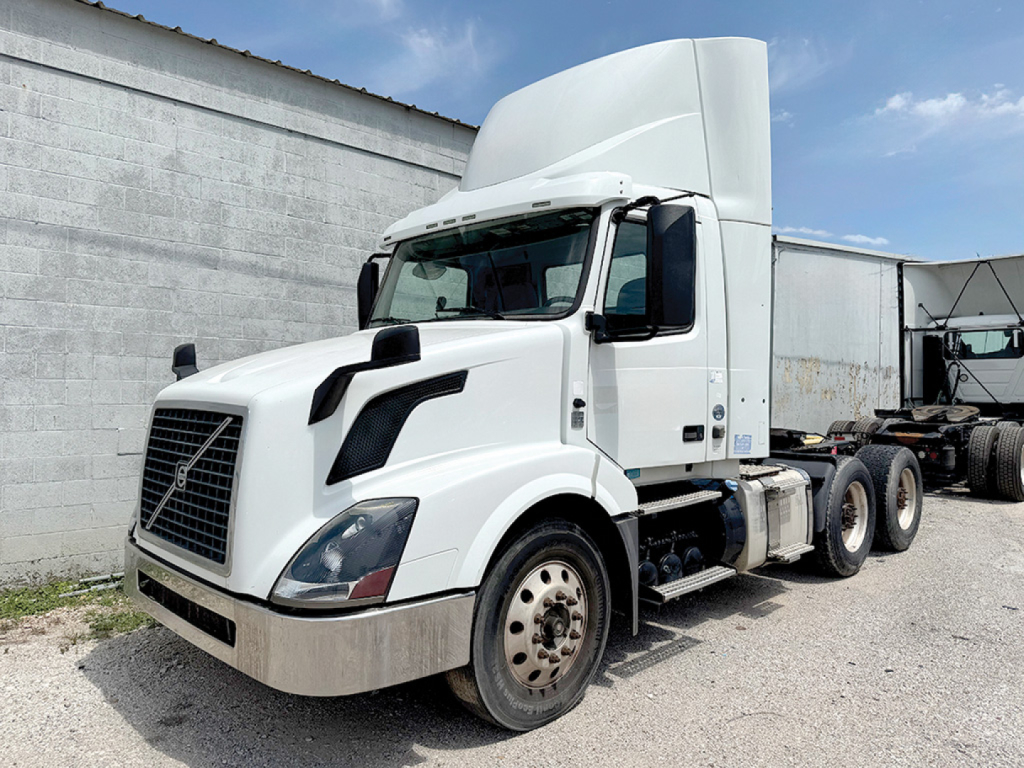
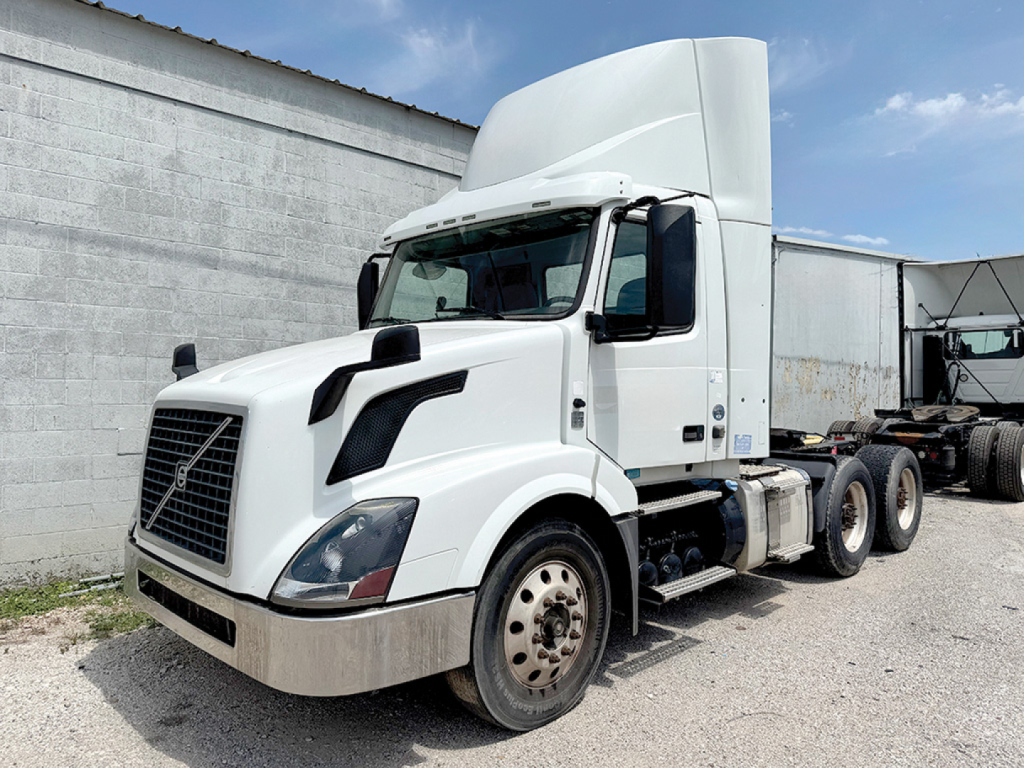
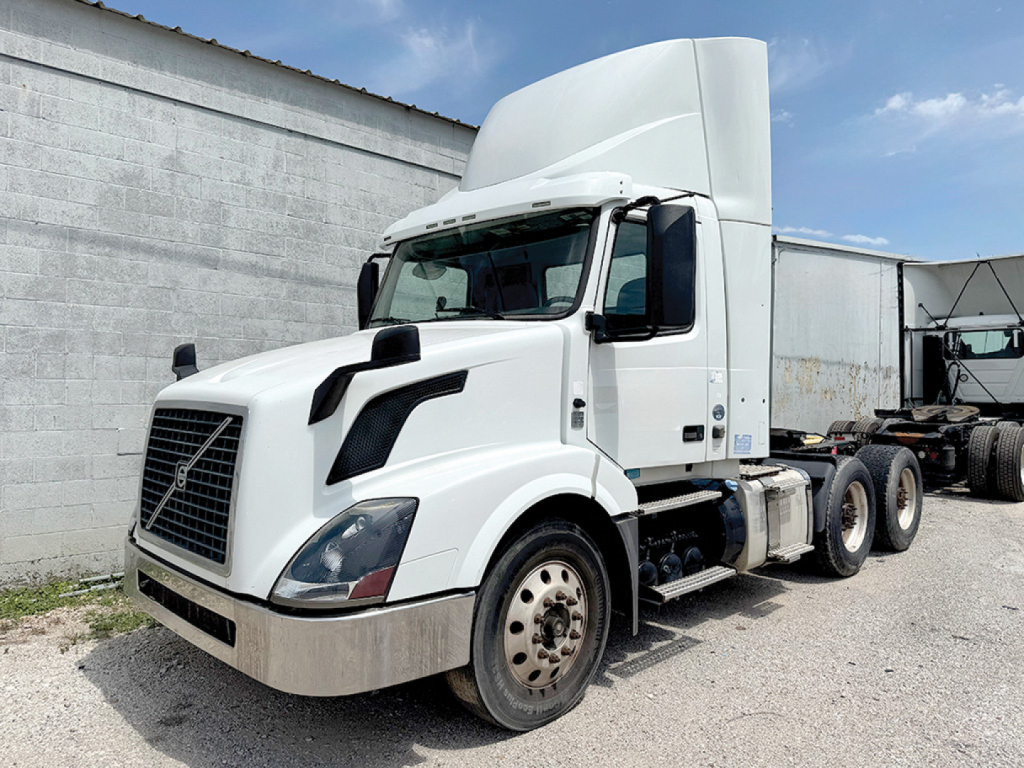
Have used 2017 volvo conventional daycab truck to sell? List it here to reach thousands of buyers.
Used 2017 Volvo Conventional Daycab Trucks
Powertrain spec is the first place to slow down and compare units carefully. Many 2017 Volvo daycab trucks were ordered with the Volvo D11 or D13 engine, often paired with the Volvo I-Shift automated manual transmission, though some fleets still chose manual transmissions depending on application and driver preference. Horsepower and torque ratings can vary significantly by original duty cycle, and axle ratio matters just as much as engine rating when the truck is expected to handle city work, short regional runs, or fuel-conscious linehaul. A lighter, fuel-mileage spec may have a direct-drive or overdrive setup with a faster rear ratio, while a heavier local-haul truck may carry a shorter ratio and more aggressive gearing. Buyers should also compare rear axle ratings, suspension type, and whether the truck has drum or air disc brakes, especially if uptime, brake life, and driver acceptance are priorities.
Chassis layout has a major impact on how useful a conventional daycab will be in your operation. Wheelbase, back-of-cab to end-of-frame, and fifth wheel position determine trailer swing clearance, bridge law flexibility, and how easily the tractor can be matched to existing trailers. Some 2017 Volvo daycabs were spec'd as lightweight road tractors with aluminum wheels, fairings, and smaller fuel capacity for maximum payload or fuel economy. Others were built as yard and local tractors with fixed fifth wheels, steel wheels, shorter wheelbases, and simpler trim. Volvo cab ergonomics are a selling point in this class, with good visibility, a driver-friendly dash layout, and generally strong integration between engine, transmission, and braking controls. Features such as adaptive cruise, collision mitigation, air slide fifth wheels, and cab extenders may also appear depending on the original fleet order.
Condition still matters more than badge or model naming. On a used 2017 Volvo daycab, buyers should review fault history, aftertreatment performance, idle hours, transmission behavior under load, and service records for items like injector work, DPF cleaning, turbo replacement, and suspension wear. Check for frame modifications, fifth wheel rail wear, steering play, and uneven tire wear that may point to alignment or suspension issues. A well-maintained conventional daycab can be a strong value in a fleet that needs efficient tractor capacity without the extra cost and weight of sleeper equipment. The right truck is the one whose engine, gearing, wheelbase, axle ratings, and maintenance history match the trailers, terrain, and daily duty cycle it will actually see.
Frequently Asked Questions about Used 2017 Volvo Conventional Daycab Trucks
What engines are common in a used 2017 Volvo conventional daycab?
The most common engines in a 2017 Volvo conventional daycab are the Volvo D11 and Volvo D13. The D11 is often chosen for lighter regional or local applications where lower weight and good fuel economy matter, while the D13 is more common in fleets that want higher torque, broader performance, and better suitability for heavier loads or more demanding routes. The best choice depends on gross combination weight, terrain, average trip length, and how often the truck will be starting and stopping.
Is the Volvo I-Shift a good transmission choice in a 2017 daycab?
For many operations, the Volvo I-Shift is one of the strongest reasons to consider a 2017 Volvo daycab. It is widely used in regional and local fleet service because it can improve driver consistency, reduce clutch-related wear, and help with fuel economy when properly spec'd. Buyers should still road test the truck, confirm smooth shifting in low-speed and loaded conditions, and review maintenance history to make sure the transmission calibration and clutch system have been properly maintained.
What wheelbase should I look for in a 2017 Volvo daycab?
The correct wheelbase depends on trailer type, kingpin setting, axle spread requirements, and how tight your operating environment is. A shorter wheelbase usually improves maneuverability in urban yards, docks, and port work, while a longer wheelbase can help with ride quality, fuel tank capacity, and certain bridge law or trailer clearance needs. Buyers should compare wheelbase with fifth wheel placement and back-of-cab dimensions, not just overall length, because those measurements determine real compatibility with the trailers already in service.
Are used 2017 Volvo conventional daycabs good for regional haul fleets?
Yes, a used 2017 Volvo conventional daycab can be a very good fit for regional haul fleets if the spec matches the work. These trucks are commonly used on dedicated freight, short linehaul, drayage, and multi-stop operations where drivers return home daily. Their value comes from lower weight than a sleeper tractor, easier access for frequent in-and-out driving, and Volvo's strong integration of engine, transmission, and safety systems. The key is choosing the right horsepower, axle ratio, suspension, and brake configuration for the route profile and payload.
What should I inspect first on a used 2017 Volvo daycab?
Start with maintenance records, engine fault history, and aftertreatment performance because emissions-system issues can be expensive and time-consuming. Then inspect the transmission operation, rear suspension, steering components, brake condition, tire wear patterns, and fifth wheel area for signs of hard service or poor alignment. Engine hours matter along with miles, especially on local trucks with heavy idle time. A truck with clean records, consistent service intervals, and a spec that fits the job is usually a better buy than one that simply shows the lowest odometer.