
Used 2013 Conventional Daycab Trucks For Sale
Shop used 2013 conventional daycab trucks with specs buyers want, including tandem axles, automated manuals, air ride, and regional haul setups.
Learn more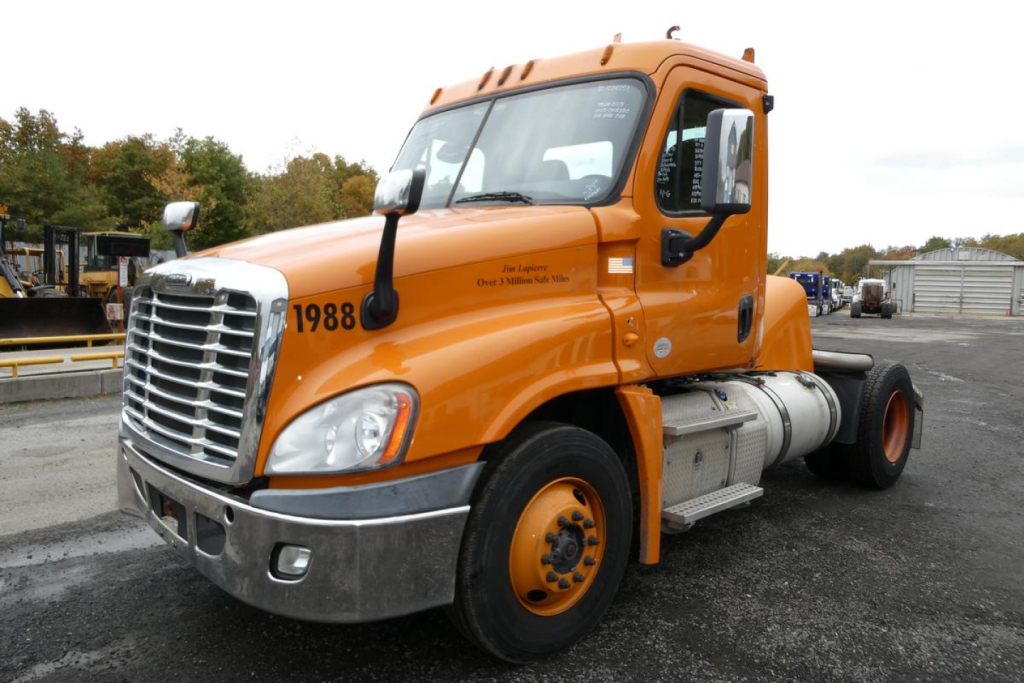
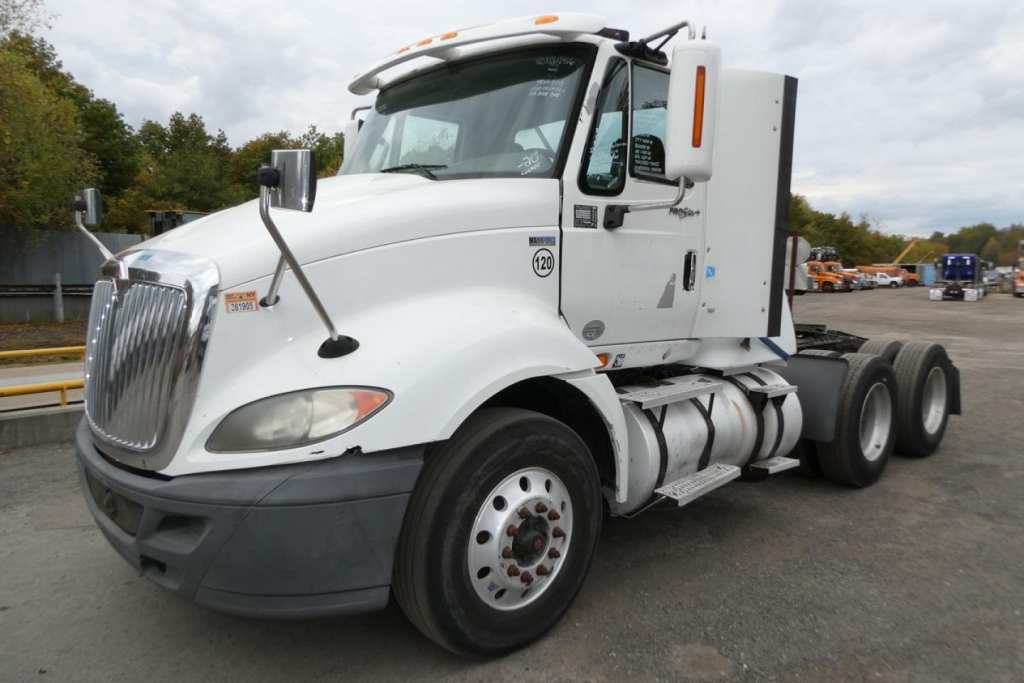
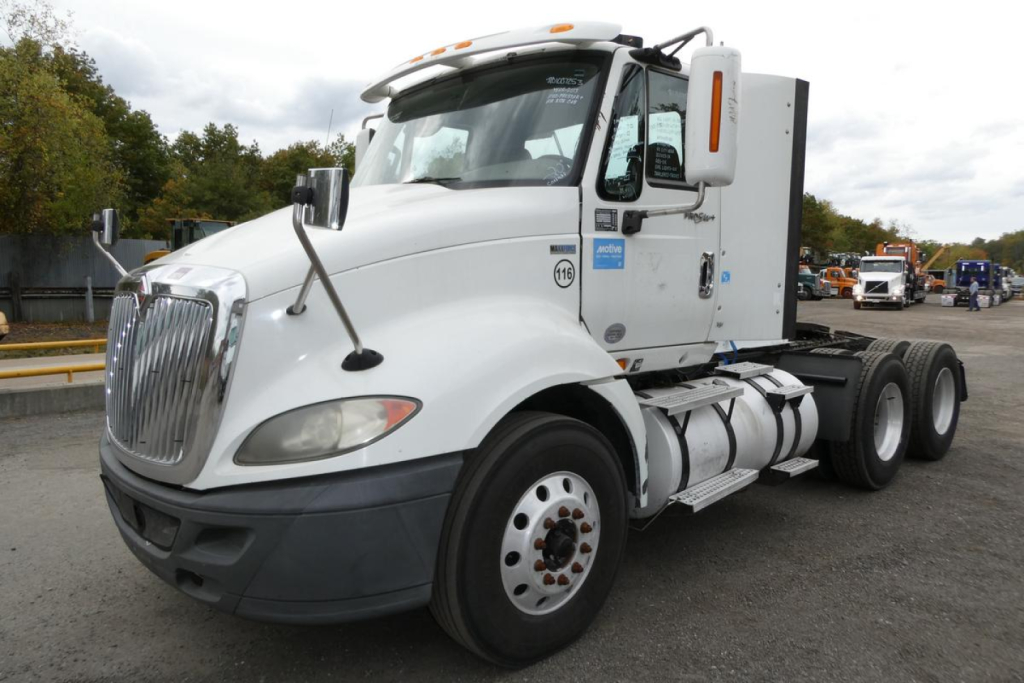
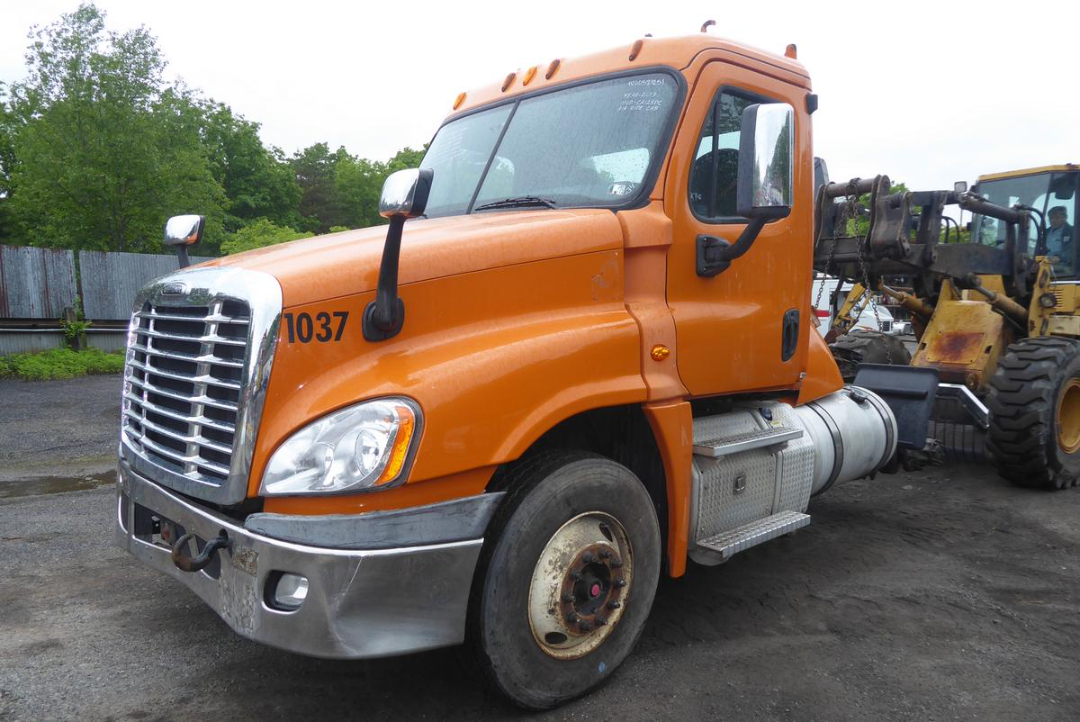
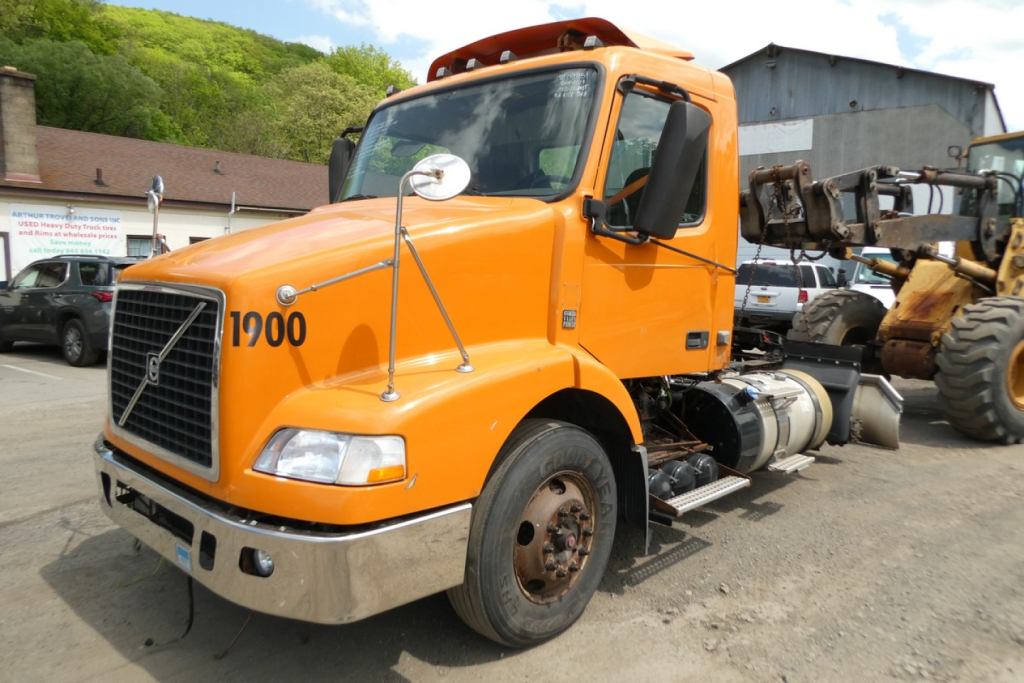
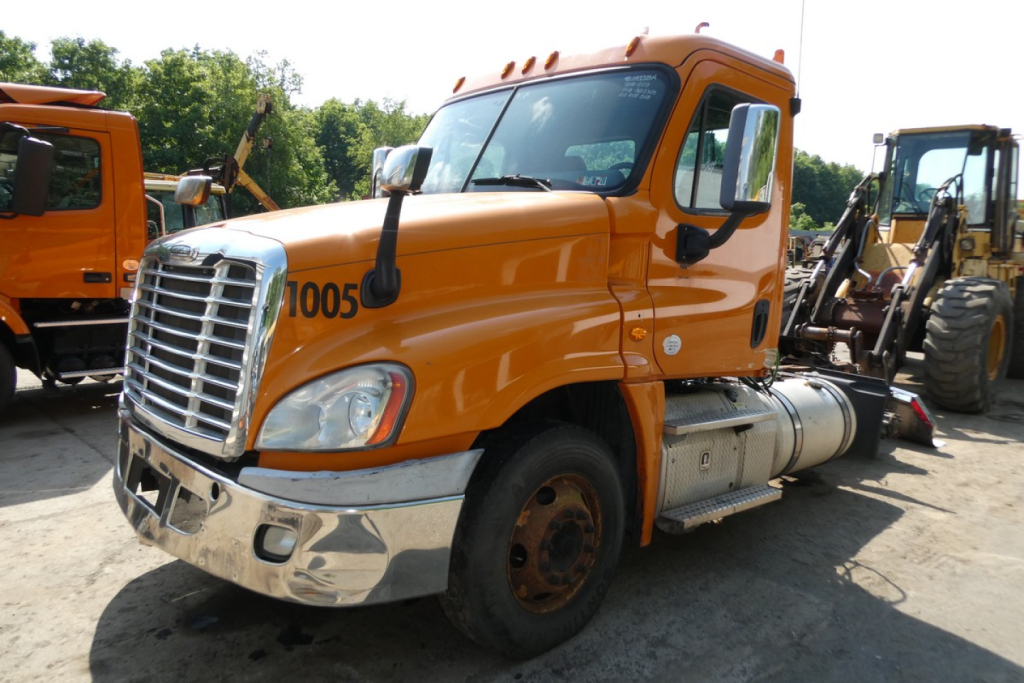
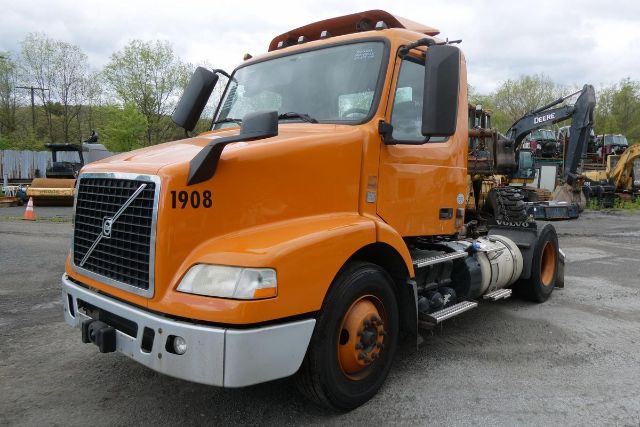
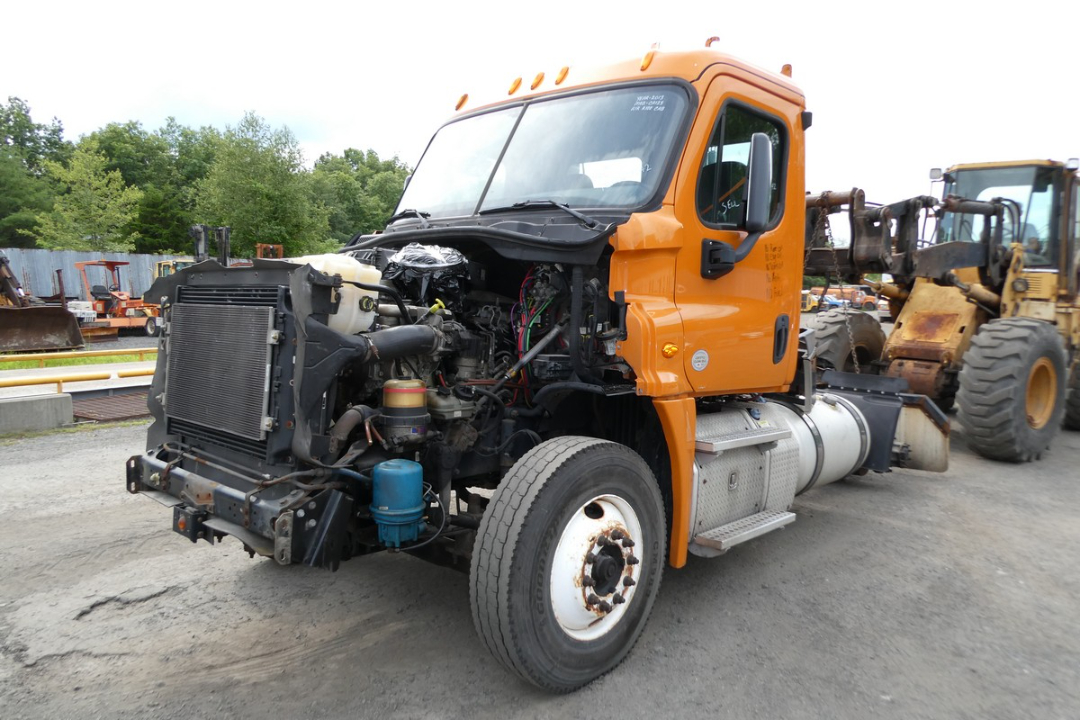
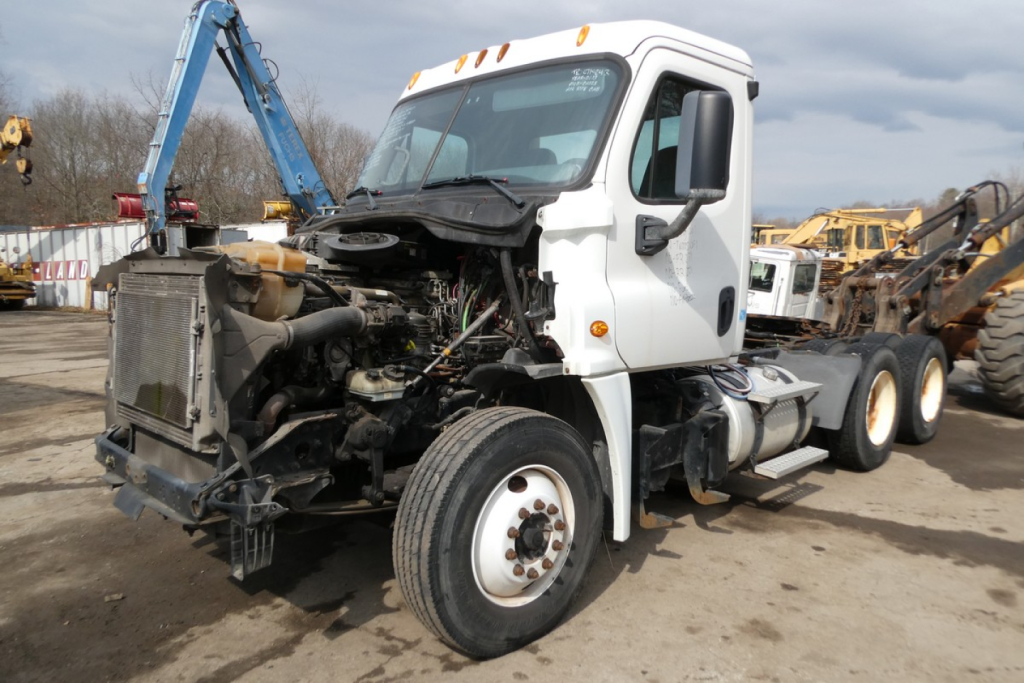
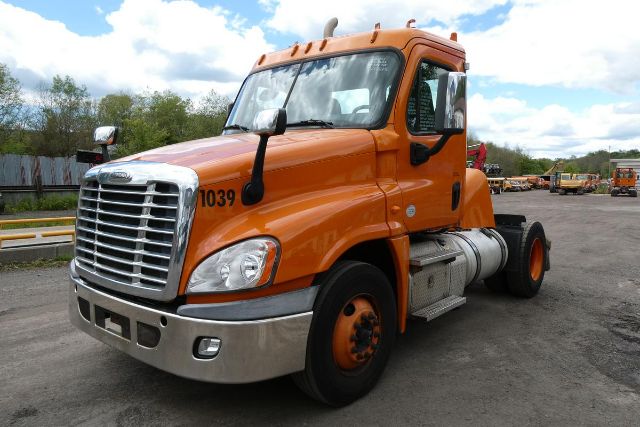
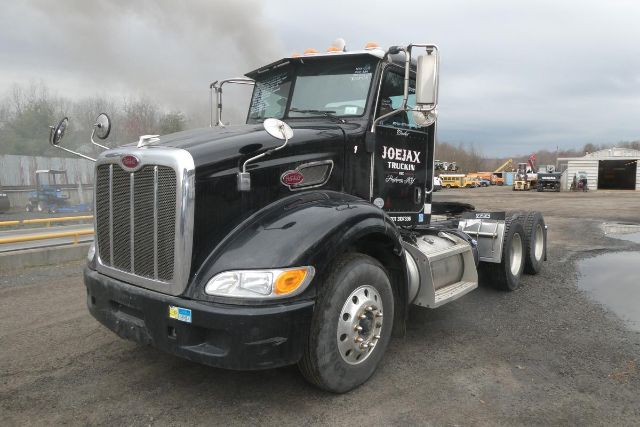
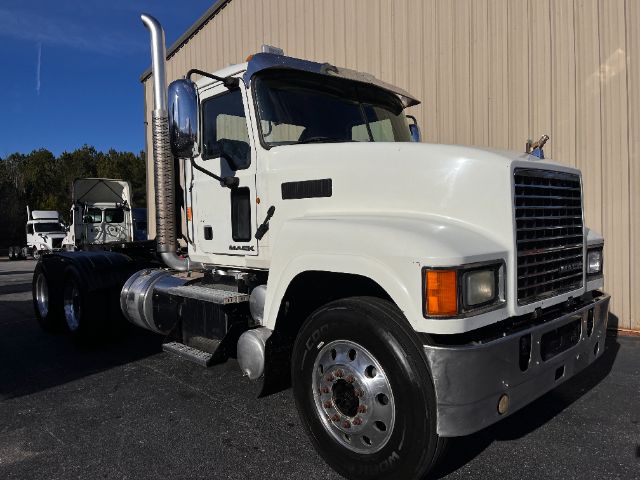
Showing 1 to 12 of 21 results
Have used 2013 conventional daycab truck to sell? List it here to reach thousands of buyers.
About Used 2013 Conventional Daycab Trucks
Most 2013 conventional daycabs on the market are tandem axle 6x4 tractors with front axles around 12,000 to 12,500 pounds and rears at 38,000 to 40,000 pounds. Common engines in this class include the Cummins ISX, Detroit DD13 or DD15, Volvo D13, and PACCAR MX, typically rated from about 400 to 500 horsepower depending on the intended application. Automated manual transmissions became increasingly common in this era, including Volvo I-Shift, Detroit DT12, and Eaton UltraShift variants, though manual 10-speed and 13-speed setups are still found. Wheelbases often land in the 170-inch to 190-inch range, with air ride suspensions, air slide fifth wheels, engine brakes, and 22.5-inch rubber being standard spec points buyers compare closely.
The right 2013 daycab depends heavily on route profile and trailer type. A truck spec'd for van or reefer work may have faster rear ratios for fuel economy, while a vocational or heavier regional tractor may carry deeper ratios, higher horsepower, locking differentials, wet kit plumbing, or a pintle hook. Fifth wheel height, kingpin setting compatibility, and cab-to-axle dimensions matter if the tractor will pull multiple trailer styles. Buyers should also look at brake type, including drum versus air disc brakes, suspension brand, single versus double frame, and signs of corrosion if the truck spent time in northern climates. On a used emissions-era truck, DEF system performance, DPF service records, injector history, turbo condition, and fault code activity can tell you more than paint and interior condition ever will.
Mileage alone does not define value in a 2013 conventional daycab. Engine hours, idle time, maintenance documentation, clutch wear on manual units, and driveline condition are often better indicators of how the truck was used. Regional fleet tractors may show high road miles but more predictable service histories, while port or yard-oriented trucks can have lower mileage with heavy idle accumulation and more stop-and-go wear. A strong used daycab in this category should match the intended trailer, axle ratio, and duty cycle first, then pass a careful review of emissions components, transmission operation, suspension wear, tires, brakes, and electronic diagnostics.
Frequently Asked Questions
What is a conventional daycab truck used for?
A conventional daycab truck is used for local and regional hauling where the driver returns home daily and does not need a sleeper berth. Common applications include dry van, reefer, flatbed, drayage, tanker, dump transfer, and dedicated short-haul routes. The shorter cab configuration improves maneuverability and reduces tare weight compared with a sleeper tractor.
What should I check first on a used 2013 daycab tractor?
Start with engine and emissions system health. On a 2013 truck, buyers should review fault codes, DPF and DEF service history, turbo condition, injector performance, and any evidence of repeated regeneration or derate events. After that, confirm transmission operation, axle ratio, suspension condition, brake wear, tire condition, and whether wheelbase and fifth wheel setup fit the trailers you plan to pull.
Are automated manual transmissions common in 2013 conventional daycabs?
Yes. Many 2013 conventional daycab trucks were spec'd with automated manual transmissions, especially in fleet and regional service. These units can improve driver consistency and fuel economy, but they should be checked for software updates, clutch wear where applicable, shift quality under load, and service history. Manual transmissions are still available in this model year and may appeal to buyers with specific driver preference or vocational use.
How important are axle ratio and wheelbase on a daycab?
Axle ratio and wheelbase directly affect fuel economy, launch performance, turning radius, and trailer compatibility. A taller ratio may work well for highway-oriented regional freight, while a deeper ratio can be better for heavier loads, frequent starts, or mixed terrain. Wheelbase influences maneuverability and also affects how the tractor matches trailer swing clearance, kingpin settings, and bridge law considerations in some applications.
Is high mileage a deal breaker on a used 2013 conventional daycab?
Not necessarily. A high-mileage daycab with consistent maintenance records, reasonable engine hours, and strong diagnostic results can be a better buy than a lower-mileage truck with poor service history or excessive idle time. Buyers should compare odometer miles with ECM data, engine hours, wear patterns, and documented repairs to understand how the truck was actually used.