
Used 2012 Conventional Daycab Trucks For Sale in New York
Browse used 2012 conventional daycab trucks in New York. Compare wheelbase, axle ratings, engine options, and spec choices for regional hauling.
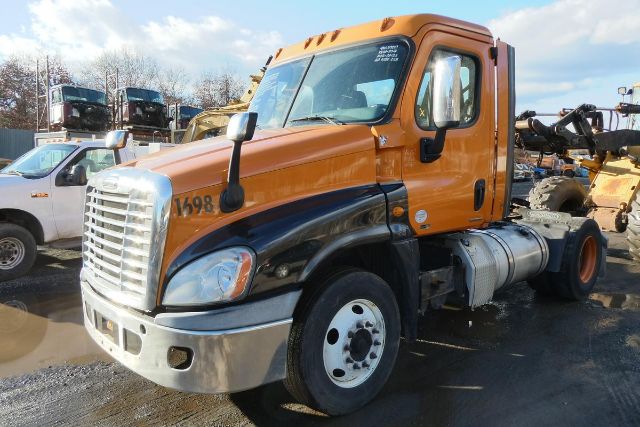
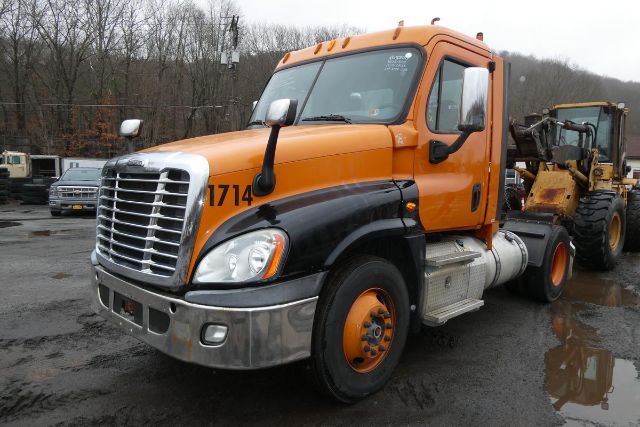
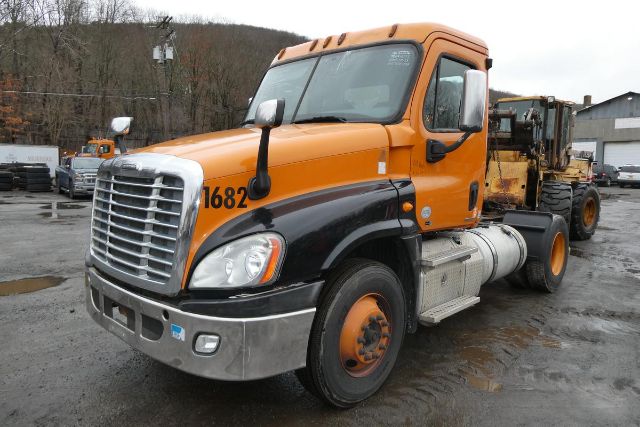
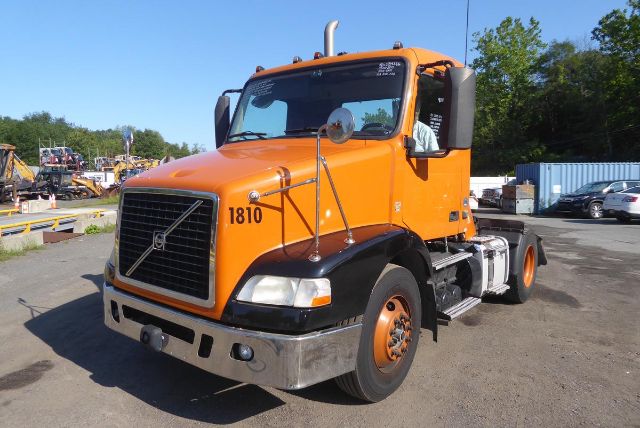
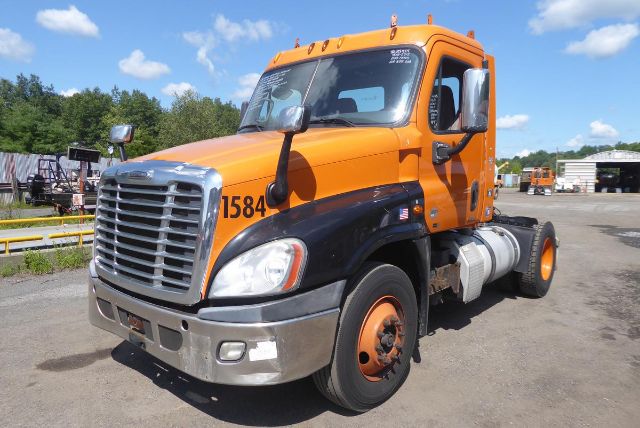
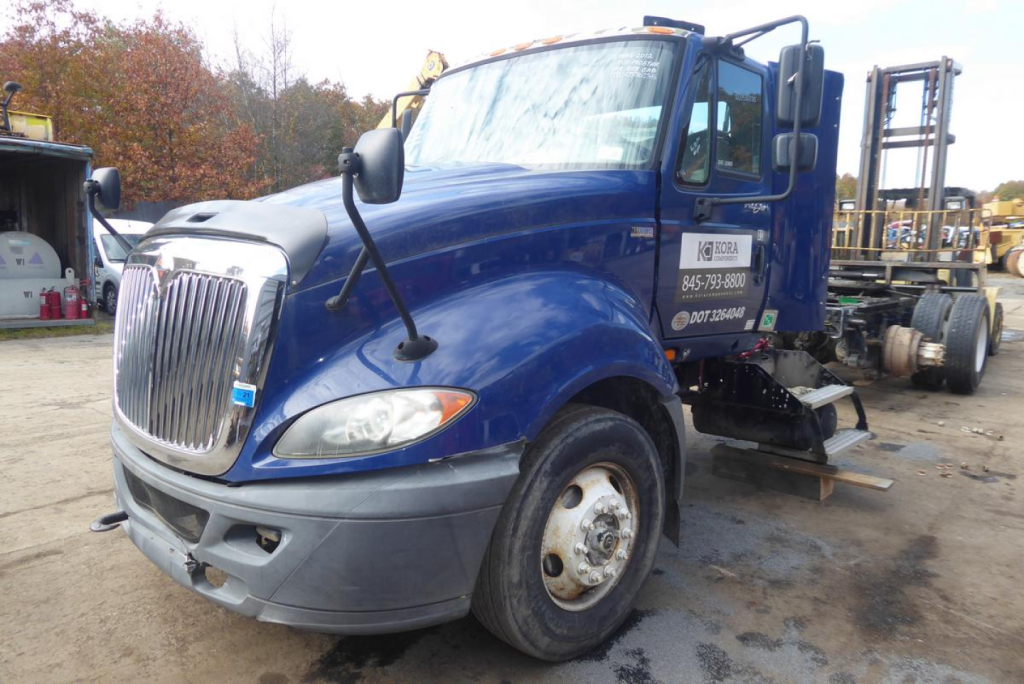
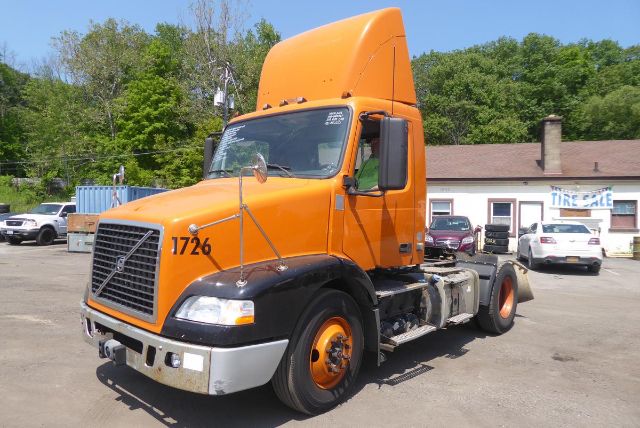
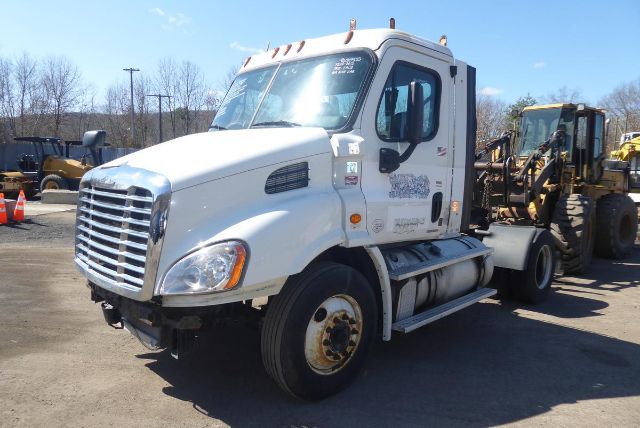
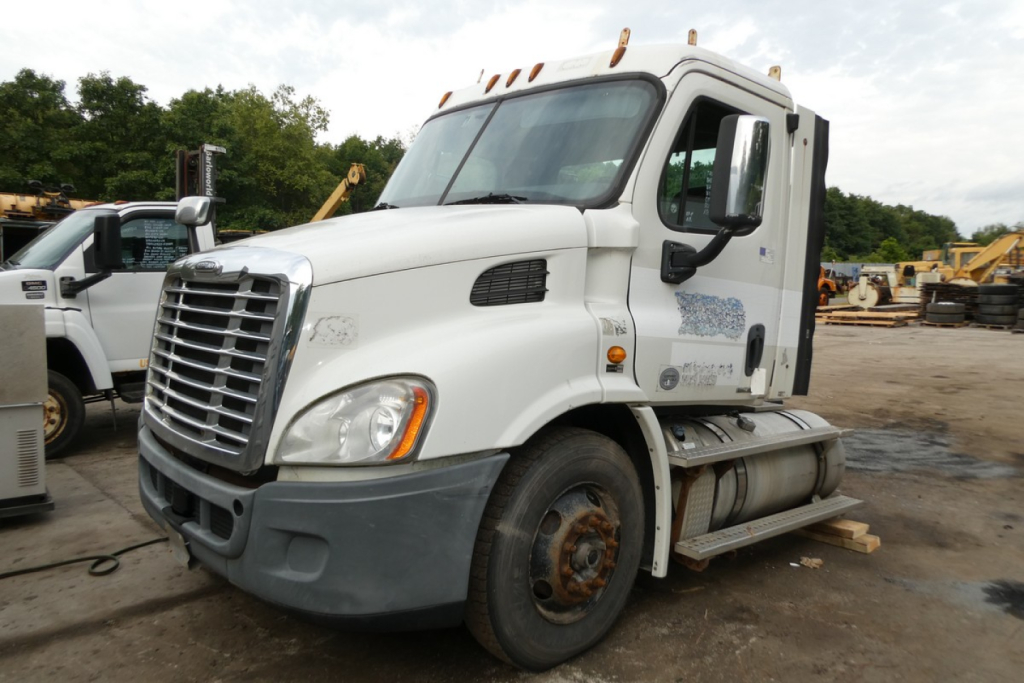
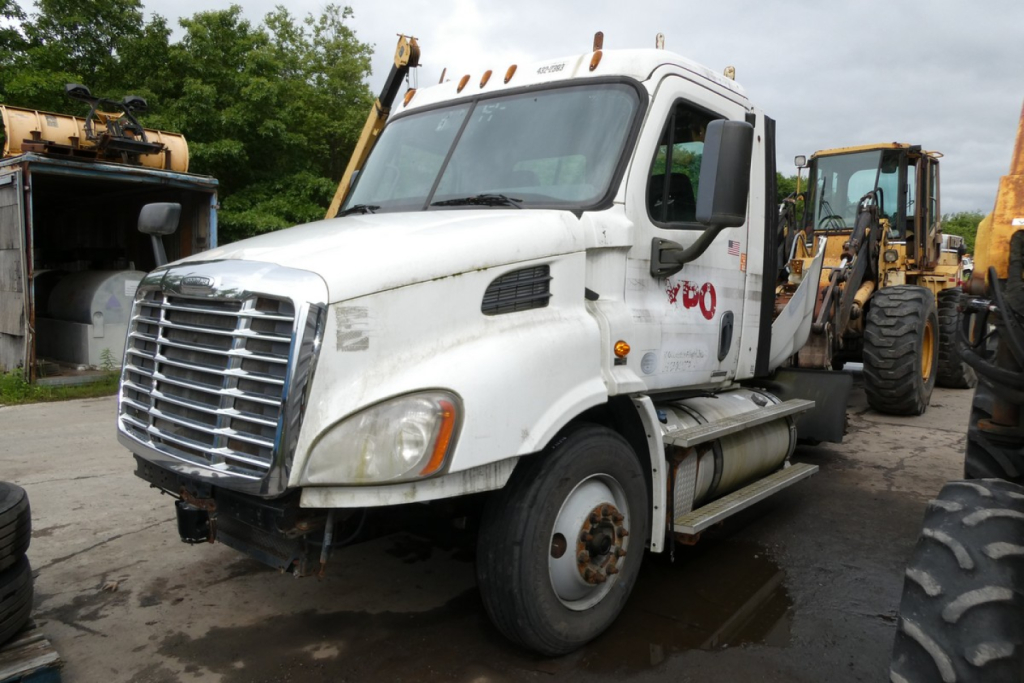
Showing 29 to 38 of 38 results
Have used 2012 conventional daycab truck to sell? List it here to reach thousands of buyers.
Used 2012 Conventional Daycab Trucks in New York
For 2012 models, common engine choices include mid-bore and heavy-duty diesels such as the Volvo D11 and D13, Detroit DD13-class engines, and similar 10.8L to 12.8L platforms rated roughly from 385 to 455 horsepower. Many trucks from this year were spec'd with 10-speed manuals or 12-speed automated manual transmissions like Volvo I-Shift, often paired with rear axle ratios in the low-to-mid 3s depending on intended speed and startability. A lighter regional spec may carry a 23,000-pound rear axle and lower GVW, while a heavier tandem road tractor setup often has 40,000-pound rears, air ride suspension, and a 52,000-pound-plus GVW. Wheelbases commonly fall in the 150-inch to 180-inch range on daycabs set up for van and reefer work, though longer chassis specs are also used when PTO equipment, wet kits, or specialized body installations are involved.
Condition matters more than the badge on a 2012 daycab. Emissions systems from this era deserve close attention, especially DEF-equipped trucks and units with prior fault history, deleted components, or warning lights. Buyers should compare engine hours to odometer readings to judge idle time, review transmission service history, inspect suspension bushings and airbags, check for frame modifications, and confirm whether the truck has a stationary or air-slide fifth wheel. Brake type is another meaningful spec decision. Air disc brakes are desirable for strong stopping performance and easier service access, while drum brake trucks may be simpler and more familiar in some fleets. Tire size, wheel type, cab-to-axle measurement, and single-frame versus double-frame construction also affect application, upfit flexibility, and maintenance cost.
The strongest value in a used 2012 conventional daycab comes from matching the spec to the job instead of chasing the highest horsepower number. A short wheelbase single-frame tractor with a mid-bore engine can be a smart fit for metro LTL, container drayage, and frequent docking. A tandem axle highway daycab with a 40,000-pound rear, air ride, and automated transmission is better suited to regional van, reefer, bulk, and heavier vocational crossover work. When comparing listings, pay attention to wheelbase, rear axle rating, suspension type, transmission model, fifth wheel position, and overall signs of prior fleet maintenance. Those details usually tell more about long-term operating value than paint, trim, or cab options.
Frequently Asked Questions about Used 2012 Conventional Daycab Trucks in New York
What is a conventional daycab truck used for?
A conventional daycab truck is a road tractor with a standard hood and no sleeper compartment. It is commonly used for regional freight, local hauling, drayage, tanker work, and dedicated routes where the driver returns home daily. The shorter cab design reduces weight and overall length, which helps in tight yards, urban streets, and frequent stop-and-go operations.
What should I check first on a used 2012 daycab?
Start with the core operating spec and the truck’s maintenance condition. Review engine model, horsepower, transmission type, rear axle rating, wheelbase, and suspension, then look closely at emissions history, fault codes, engine hours, and service records. On a 2012 truck, DEF and aftertreatment condition can have a major impact on downtime and repair cost, so warning lights, missing emissions components, or incomplete repairs should be evaluated carefully.
Is an automated manual transmission a good choice in a 2012 conventional daycab?
An automated manual can be a very good fit for regional and urban work because it reduces driver fatigue, helps with shift consistency, and can improve clutch life compared with a traditional manual in stop-and-go service. The key is verifying calibration, clutch condition, software history, and overall driveline maintenance. A well-maintained I-Shift or similar 12-speed automated manual can be a strong spec for fleets running mixed drivers or high-frequency route work.
What wheelbase is best for a daycab in New York?
The best wheelbase depends on the route and trailer combination, but shorter wheelbases are often preferred in New York because they improve maneuverability in city traffic, older industrial areas, and crowded loading docks. Many regional daycabs fall in the mid-150-inch to mid-170-inch range, which balances turning radius with ride quality and trailer gap. If the truck will carry PTO equipment or specialized upfits, a longer wheelbase may be necessary.
How do rear axle rating and suspension affect a used daycab purchase?
Rear axle rating and suspension determine how much work the truck can realistically handle and how it will perform under load. A lighter 23,000-pound rear axle setup is common on more specialized or lighter-duty regional tractors, while 40,000-pound tandem rears with air ride suspension are standard for heavier highway and multi-trailer applications. Matching axle capacity, ratio, and suspension design to the intended freight is one of the most important buying decisions because it affects payload capability, ride quality, traction, and long-term durability.