
Used 2007 Conventional Daycab Trucks For Sale
Shop used 2007 conventional daycab trucks. Compare wheelbase, axle setup, engine, transmission, and specs for local and regional hauling.
Learn more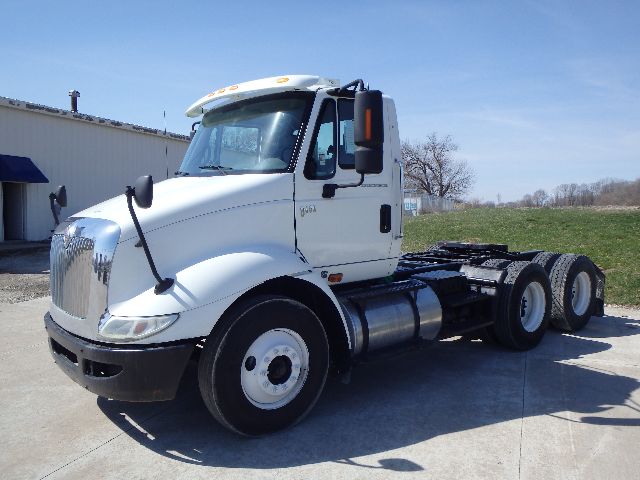
Showing 13 to 14 of 14 results
Have used 2007 conventional daycab truck to sell? List it here to reach thousands of buyers.
About Used 2007 Conventional Daycab Trucks
Model year 2007 sits at an important point in the truck market because it aligns with the first wave of stricter EPA emissions changes. Many 2007 daycabs carry EGR-equipped engines, and buyers should pay close attention to service history for the EGR system, turbocharger, DPF if fitted on late-2007 builds, and related sensors and cooling components. Common engines in this age group include the Caterpillar C13 and C15, Cummins ISX, Detroit Series 60 on early builds, Volvo D11 and D12 variants, and Mack MP-series on some later trucks. Transmission choices are usually 9-speed, 10-speed, 13-speed, or automated manuals depending on the application. Rear axle ratios often fall in the 3.36 to 4.11 range, with faster ratios favoring regional fuel economy and deeper ratios better suited to heavier starts, vocational use, or tight-route work.
Specs matter more on a daycab because the truck is usually matched closely to a route or trailer type. A single-axle 4x2 daycab is common for lighter regional van, reefer, or dedicated lane work where payload and turning radius are priorities. Tandem-axle 6x4 trucks are more common when the operation needs higher GVW, better traction, or flexibility across flatbed, dump, tanker, and heavier trailer applications. Buyers should compare wheelbase, kingpin setting compatibility, fifth wheel type, frame height, suspension, front axle rating, and brake spec. Air ride suspension and an adjustable sliding fifth wheel are common on road tractors, while double frame rails, PTO provisions, wet kits, and fixed fifth wheels can indicate prior vocational or specialized use. Interior condition also matters on older 2007 units because local-route trucks often see frequent driver entry and exit, which shows up quickly in seats, pedals, switches, and door hardware.
For a used 2007 conventional daycab, the best value usually comes from matching the truck to the work instead of chasing the lowest price. A well-maintained truck with clear records, appropriate horsepower, and the right axle ratio will usually outperform a cheaper truck that needs emissions, clutch, suspension, or aftertreatment work. Look closely at engine hours versus odometer miles, verify rear axle capacity, inspect frame condition around suspension hangers and fifth wheel mounts, and confirm that the truck's wheelbase and cab-to-axle dimensions fit the trailers or bodies it will handle. On older daycab tractors, simplicity, serviceability, and prior application history are often what determine long-term operating cost.
Frequently Asked Questions
What is a conventional daycab truck used for?
A conventional daycab truck is used for local and regional hauling where the driver returns home daily and does not need a sleeper. Common applications include dry van, reefer, flatbed, tanker, drayage, yard-to-terminal transfers, and dedicated route work. The shorter overall length improves maneuverability at docks and in urban areas, and the lower weight compared with a sleeper tractor can help payload and operating efficiency.
What should I watch for on a used 2007 daycab tractor?
On a 2007 model, the most important inspection points are the engine and emissions system, especially EGR-related components and any DPF equipment on late-year builds. Buyers should also inspect clutch wear, transmission operation, rear axle condition, suspension bushings, air system leaks, frame corrosion, brake life, and steer axle wear. Maintenance records are especially valuable on this model year because emissions-related repairs can quickly change the real cost of ownership.
Is a single-axle or tandem-axle 2007 daycab better?
A single-axle daycab is usually better for lighter freight, tighter routes, and operations focused on fuel economy and maneuverability. A tandem-axle daycab is generally better for heavier trailers, higher gross weights, and applications that need more traction or more flexibility across different freight types. The right choice depends on trailer weight, bridge laws, axle rating requirements, and the type of terrain the truck will run.
What engine and transmission setups are common in 2007 conventional daycabs?
Common 2007 engine options include Cummins ISX, Caterpillar C13 or C15, Detroit Series 60 on some early units, and various Volvo and Mack engines depending on make. Many trucks from this period were spec'd with Eaton Fuller 9-speed, 10-speed, or 13-speed manual transmissions, while some fleets chose automated manuals. The right setup depends on the truck's prior use, with lower horsepower and direct-drive gearing often seen in lighter regional service and higher horsepower or deeper gears more common in heavier or vocational work.
How important are wheelbase and fifth wheel specs on a daycab?
Wheelbase and fifth wheel specs are critical because they determine trailer fit, axle loading, turning radius, and overall usability. A truck with the wrong wheelbase or fifth wheel location can create bridge law issues, poor weight distribution, or interference problems with certain trailers. Buyers should confirm cab-to-axle, kingpin setting compatibility, fifth wheel height, and whether the truck has a sliding or stationary fifth wheel before matching it to the intended trailer fleet.