
Used 2007 Freightliner Conventional Daycab Trucks For Sale
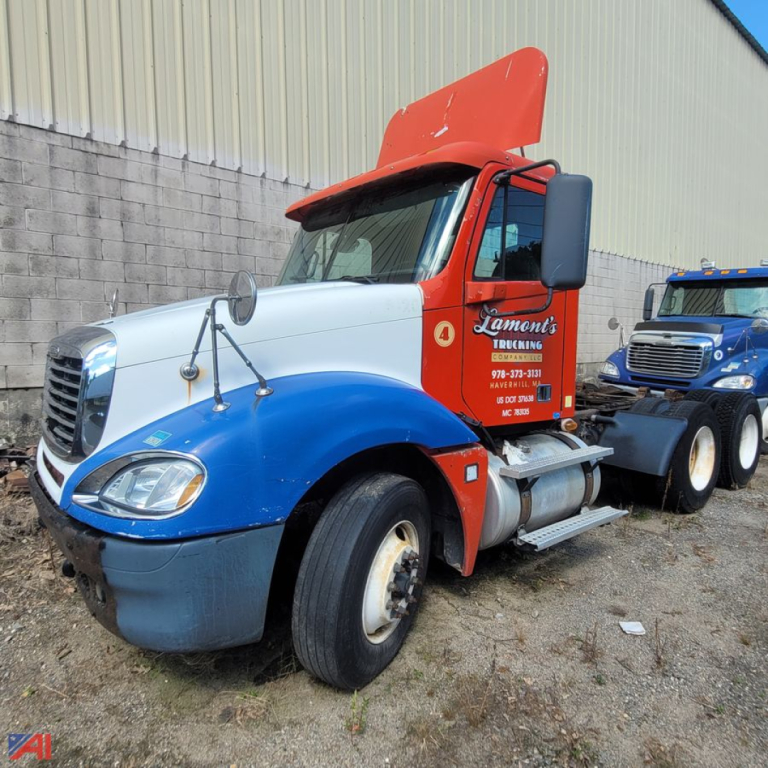
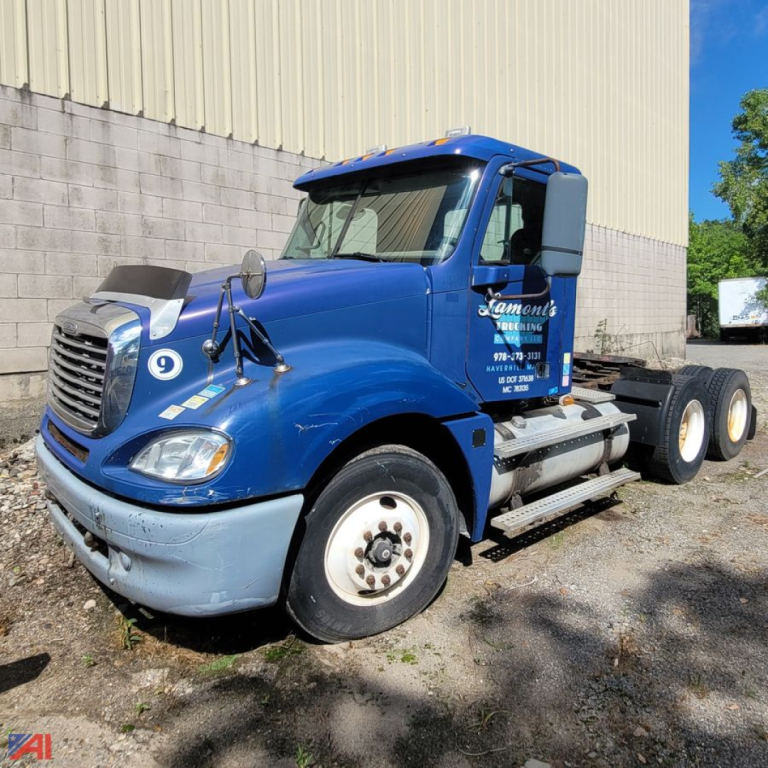
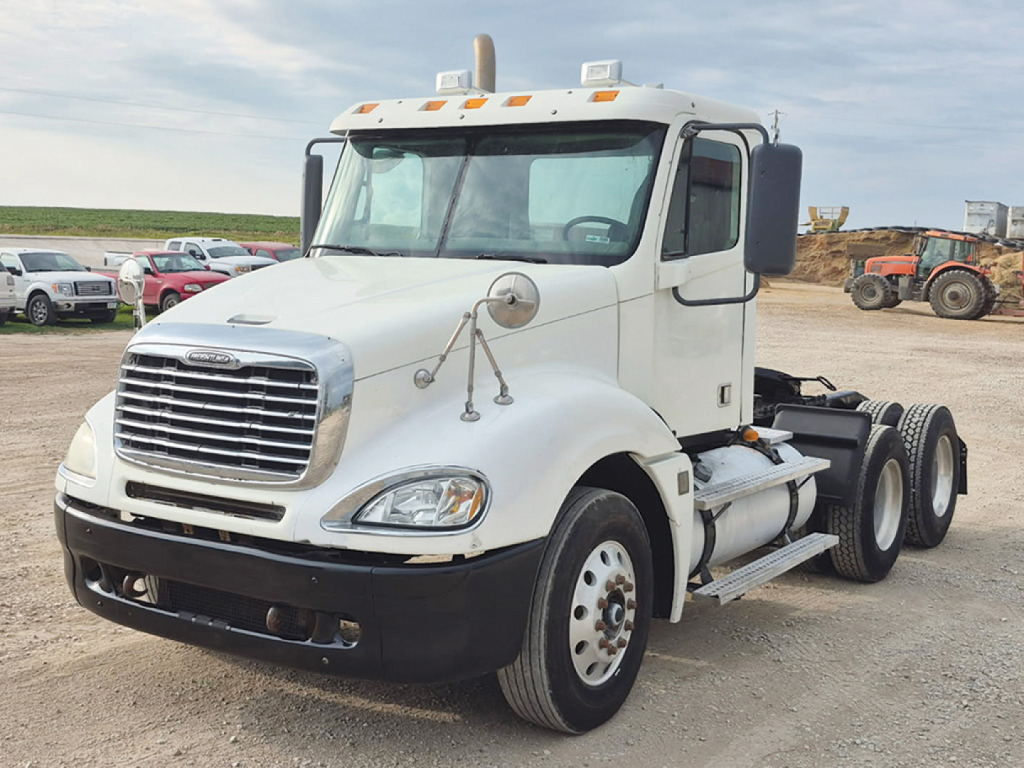
Have used 2007 freightliner conventional daycab truck to sell? List it here to reach thousands of buyers.
Used 2007 Freightliner Conventional Daycab Trucks
Engine and drivetrain specs matter more on a 2007 truck because this was the first full year of tighter EPA emissions requirements. Many Freightliner daycabs from this period were spec'd with Detroit Diesel, Mercedes-Benz, or Caterpillar power, often in the 330 to 455 horsepower range, paired with 10-speed or 13-speed Eaton Fuller manual transmissions, though some fleet units may have automated manuals. Tandem axle trucks commonly carry 40,000 lb rears, while lighter single axle versions are often chosen for city P&D, tanker, or municipal work. Rear axle ratios, suspension type, and fuel tank size all affect real-world usability. A lower ratio can help fuel economy on flatter regional lanes, while a deeper ratio may be better for heavier starts, hills, or vocational trailer work.
Cab condition and frame layout deserve close attention on any used 2007 Freightliner conventional daycab. Buyers should inspect for frame modifications, fifth wheel wear, air ride suspension condition, brake type, and evidence of corrosion around cab mounts, crossmembers, and battery box areas. On higher-mile trucks, engine hours can be as important as odometer miles, especially on units that spent time in stop-and-go or PTO-related service. Interior wear, HVAC function, dash electronics, and steering play also tell a lot about how the truck was maintained. If the truck will be used in a tight urban environment, shorter wheelbases and stationary fifth wheels may be desirable. If trailer interchange is common, an air slide fifth wheel can add flexibility.
A well-matched 2007 Freightliner conventional daycab can still be a practical truck for regional freight, container drayage, farm support, flatbed spotting, and dedicated lane work. Freightliner parts support is a major reason these trucks remain active in the used market, and many shops are familiar with the platform. The best buy is usually the truck with a clear maintenance history, correct axle and suspension spec, and a drivetrain that matches the load profile instead of simply the lowest price. For buyers comparing multiple listings, focus on emissions system history, engine make, transmission type, wheelbase, and rear axle ratio before moving on to cosmetic details.
Frequently Asked Questions about Used 2007 Freightliner Conventional Daycab Trucks
What is a conventional daycab truck?
A conventional daycab truck is a road tractor with a standard hooded front-end design and no sleeper compartment behind the seats. It is used for local, regional, and short-haul work where the driver returns home or to a terminal the same day. Compared with a sleeper tractor, a daycab is usually lighter, easier to maneuver, and simpler to maintain because there is less cab structure and fewer interior components.
What engines are common in a used 2007 Freightliner conventional daycab?
Used 2007 Freightliner daycabs are commonly found with Detroit Diesel, Mercedes-Benz, or Caterpillar engines, depending on the original fleet spec and model. Horsepower typically falls in the mid-300 to mid-400 range. Because 2007 was an emissions transition year, buyers should verify the exact engine family, emissions equipment configuration, service records, and any major repairs related to EGR or aftertreatment components before purchase.
What should I check first on a used 2007 Freightliner daycab?
Start with the wheelbase, axle ratings, rear axle ratio, and fifth wheel setup to make sure the truck will work with your trailers and legal weight targets. After that, review engine hours, maintenance history, clutch or transmission condition, suspension wear, brake condition, and frame integrity. On a truck of this age, signs of corrosion, uneven tire wear, and undocumented drivetrain repairs can affect long-term cost more than the initial purchase price.
Is a single axle or tandem axle Freightliner daycab better?
The better choice depends on the job. A single axle daycab is often preferred for lighter loads, city work, and operations that value lower weight and tighter turning. A tandem axle daycab is the better fit for heavier trailer loads, more demanding regional hauling, and applications that require higher GVW capacity and better traction. Matching the axle configuration to the freight and route profile is more important than choosing the most common spec.
Why does wheelbase matter on a conventional daycab?
Wheelbase affects turning radius, ride quality, weight distribution, and trailer compatibility. A shorter wheelbase is easier to maneuver in yards, ports, and urban docks, while a longer wheelbase can improve ride stability and help with certain trailer setups or axle spread requirements. Buyers should compare wheelbase with cab-to-axle and fifth wheel position so the truck fits the intended trailers without clearance or weight balance issues.