
Used 2007 Conventional Daycab Trucks For Sale in New York
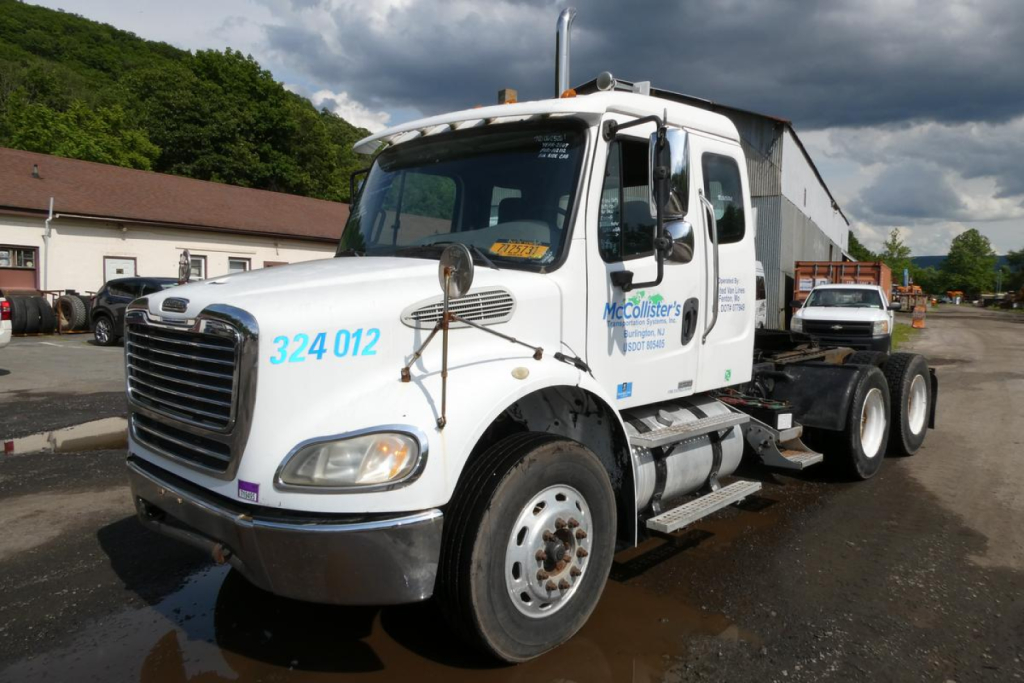
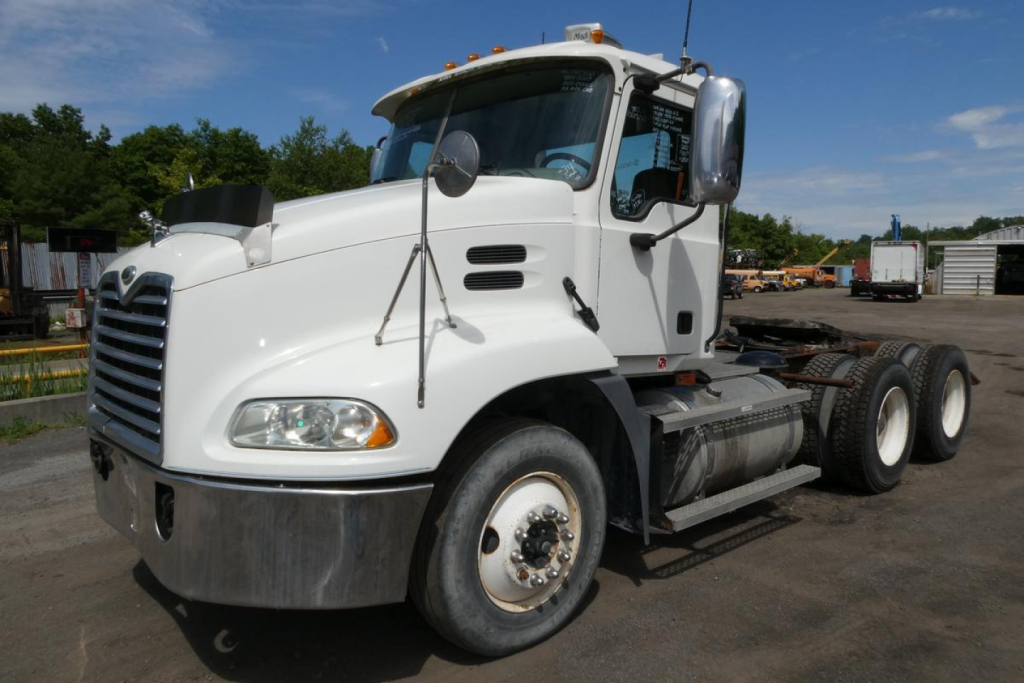
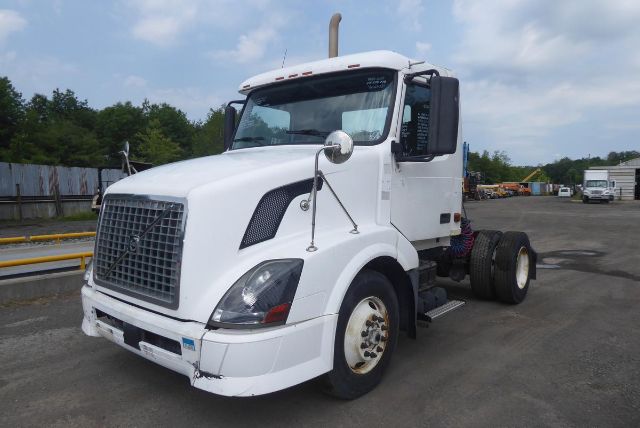
Have used 2007 conventional daycab truck to sell? List it here to reach thousands of buyers.
Used 2007 Conventional Daycab Trucks in New York
On a 2007 conventional daycab, the main buying decisions usually come down to axle ratings, wheelbase, engine, transmission, and fifth wheel configuration. Many trucks in this class were spec'd with 12,000-pound front axles and 23,000 to 40,000-pound rears, depending on whether the truck was intended for lighter regional service or full tandem tractor work. Wheelbase and cab-to-axle dimensions matter if the truck will pull different trailer lengths, work around docks, or be repurposed for a rollback, hooklift, tanker, or flatbed tractor application. Air-ride suspensions, sliding fifth wheels, power divider, and 10-speed manual transmissions are common on older daycabs, though some fleets also favored automated manuals for stop-and-go work.
For New York buyers, maneuverability and compliance are just as important as horsepower. A conventional daycab typically offers better forward visibility and service access than a cabover while still keeping a shorter footprint than a sleeper tractor. Common engines in this age range include Cummins ISX, Detroit Series 60 replacements in late service life, Caterpillar pre-2010 holdovers in some fleets, and early Volvo or International electronic engines depending on make. Pay attention to rear axle ratio, tire size, and suspension type because those specs directly affect launch performance, fuel economy, bridge-sensitive routing, and driver comfort in urban and regional use. If the truck will spend time on tight streets, intermodal yards, or transfer routes, a shorter wheelbase and air-slide fifth wheel can make daily operations much easier.
Condition matters more than age on a used 2007 daycab. Buyers should look closely at frame condition, rust exposure, crossmembers, air system health, clutch or automated transmission behavior, engine brake operation, and evidence of injector, EGR, turbo, or aftertreatment work if applicable to the exact engine family. ECM miles and engine hours can tell a more complete story than odometer readings alone, especially on trucks that spent years idling in city or yard service. A well-matched conventional daycab can still be a durable, cost-effective tractor for short-haul freight, container moves, and local specialized hauling when the spec is aligned with the job.
Frequently Asked Questions about Used 2007 Conventional Daycab Trucks in New York
What is a conventional daycab truck used for?
A conventional daycab truck is primarily used for local and regional hauling where the driver returns home daily and does not need a sleeper. Common applications include port drayage, short-haul van or flatbed freight, terminal shuttles, dump or tanker tractor service, and dedicated urban delivery routes. The daycab layout reduces overall length and weight compared with a sleeper tractor, which can improve maneuverability and payload flexibility.
What should I check first on a used 2007 conventional daycab?
Start with the engine family, emissions configuration, maintenance history, and chassis specs. After that, review engine hours versus odometer miles, inspect the frame and suspension for corrosion or damage, and confirm axle ratings, wheelbase, and fifth wheel setup match the trailers and loads you plan to pull. On a 2007 truck, drivetrain condition and prior repair quality usually matter more than cosmetic appearance.
Are 2007 daycab trucks good for New York operations?
Yes, many 2007 conventional daycab trucks are well suited for New York regional and urban work because they are compact, maneuverable, and commonly spec'd for stop-and-go service. They are a strong fit for city freight, intermodal, wholesale distribution, and short-route trailer moves. Buyers should still confirm turning radius, bridge-law considerations, rust condition, and emissions requirements based on the exact counties, terminals, and routes involved.
What specs matter most when comparing conventional daycabs?
The most important specs are engine horsepower and torque, transmission type, rear axle ratio, suspension, wheelbase, front and rear axle ratings, and fifth wheel position. Those details determine how the truck launches under load, handles in tight areas, cruises at highway speed, and adapts to different trailer lengths. Cab-to-axle and cab-to-end dimensions also matter if the tractor may be converted for another body or vocational use later.
How many miles is too many on a used daycab truck?
There is no single mileage limit that makes a used daycab a poor choice. A high-mile truck with strong maintenance records, clean ECM data, and a sound engine, transmission, and rear end can be a better buy than a lower-mile truck with heavy idle time, poor service history, or chassis corrosion. On older daycabs, buyers should evaluate total operating hours, rebuild history, and component condition instead of judging by mileage alone.