
Peterbilt Conventional Daycab Trucks For Sale in Missouri
Shop Peterbilt conventional daycab trucks in Missouri. Compare 579 specs, axle setups, engines, transmissions, and regional haul features.
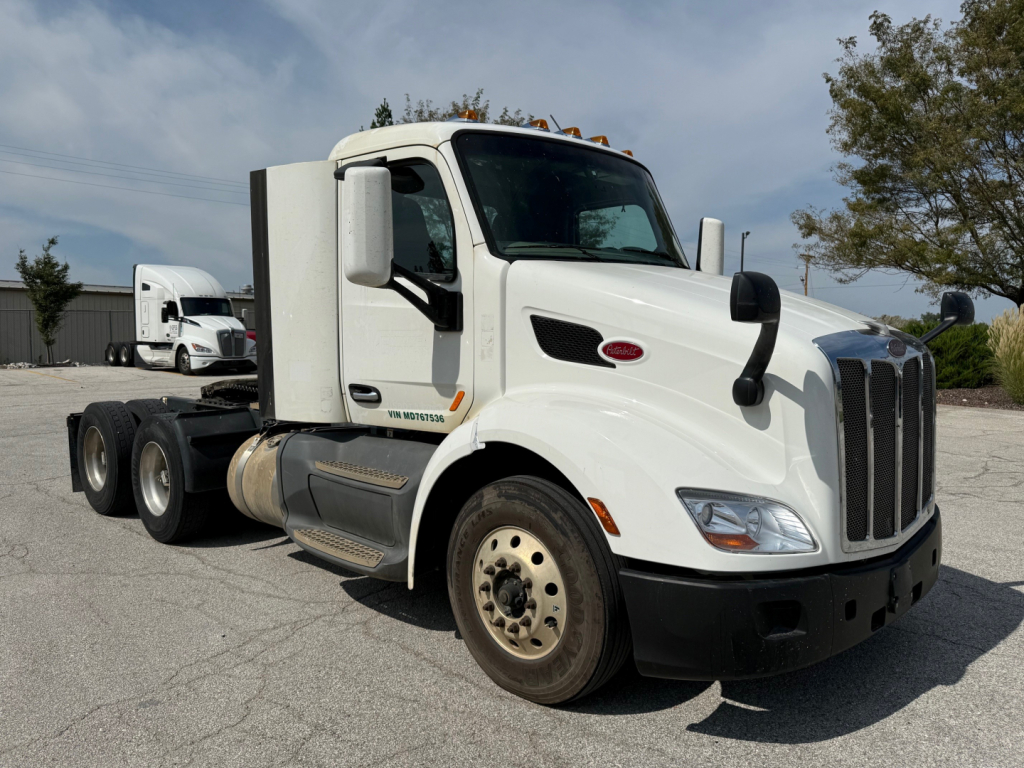
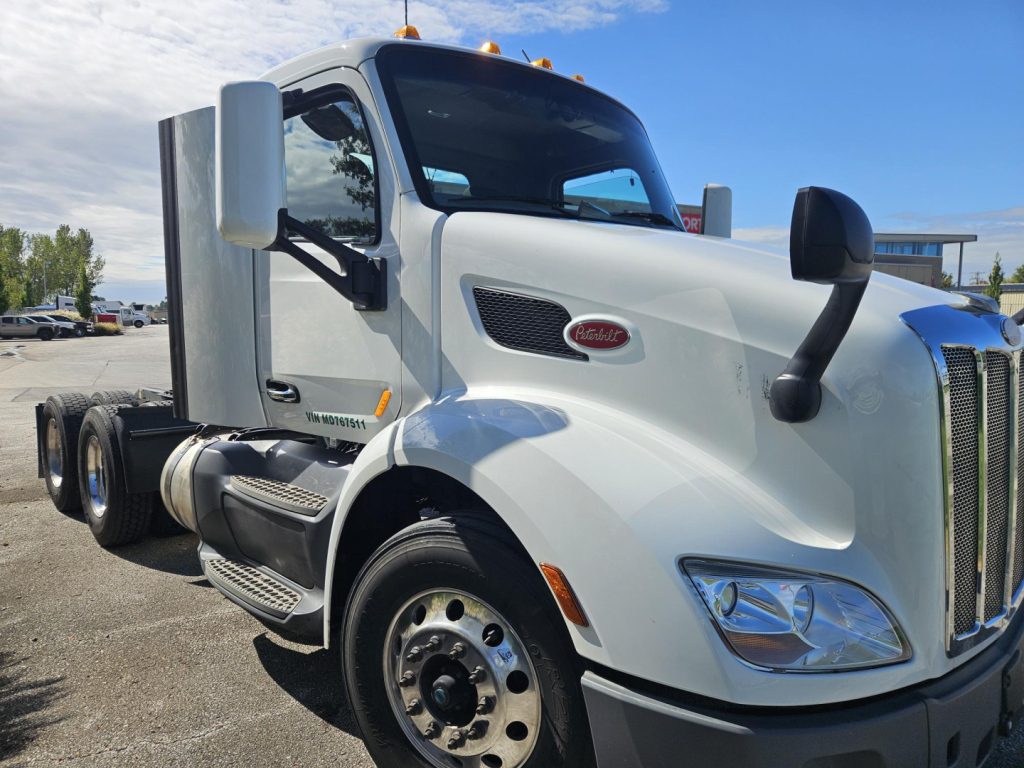

Selling a peterbilt conventional daycab truck? List your peterbilt conventional daycab truck for sale and reach thousands of commercial buyers.
Peterbilt Conventional Daycab Trucks in Missouri
For many buyers, the first decision is drivetrain and axle configuration. A Peterbilt daycab is commonly found as a tandem axle 6x4 tractor, often with air ride suspension and a setup suited for van, reefer, hopper, or bulk work. Models like the Peterbilt 579 are popular because they balance aerodynamics, driver comfort, and serviceability. Engine choices often include the PACCAR MX-13, with horsepower ratings frequently landing in the low-400s to mid-400s depending on the intended duty cycle. Transmission options can range from 10-speed manuals to automated manuals, so the right choice depends on driver preference, route density, gross combination weight, and how much stop-and-go work the truck will see.
Cab spec matters more than many buyers expect. A conventional daycab may look straightforward, but details such as wheelbase, fuel capacity, fairings, interior trim, brake type, and wheel material all affect payload, turning radius, and long-term cost. Buyers running Missouri routes with regular interstate miles often look for aerodynamic packages, engine brakes, aluminum wheels, and a clean emissions history. If the truck will spend time in city delivery or short-haul service, steering feel, visibility, clutch wear, and ease of ingress can matter as much as horsepower. Tandem rear axle ratings, front axle capacity, fifth wheel position, and frame condition should also match the trailer type and load profile.
A used Peterbilt daycab should be evaluated like a working asset, not just a badge and model number. Service records, fault codes, DPF and SCR history, suspension wear, brake life, tire condition, and driveline integrity are more important than appearance alone. Buyers comparing multiple conventional daycab trucks should also look at mileage against engine hours, prior application, and any signs of excessive idle time. A well-spec'd Peterbilt daycab can be a strong fit for fleets and owner-operators who want a durable, recognizable tractor with good parts support, strong resale appeal, and a cab designed for real daily use.
Frequently Asked Questions about Peterbilt Conventional Daycab Trucks in Missouri
What is a Peterbilt conventional daycab truck best suited for?
A Peterbilt conventional daycab truck is best suited for regional hauling, local delivery, terminal-to-terminal freight, drayage, tanker work, and other operations where a sleeper is not needed. The shorter overall length and lighter spec can improve maneuverability and reduce empty weight, which helps in applications that involve frequent turns, dock work, and repeated daily stops. It is a common choice for fleets that want a highway-capable tractor with practical day-to-day efficiency.
What should I look for when buying a used Peterbilt 579 daycab?
Start with the engine and emissions system history, including any DPF, SCR, or aftertreatment repairs. Then review mileage, engine hours, transmission condition, clutch wear if it is a manual, suspension components, brake remaining life, tire condition, and fault codes. It is also important to confirm axle configuration, rear axle rating, wheelbase, and fifth wheel setup so the truck matches the trailers and weight you plan to pull. A clean interior and exterior are helpful, but maintenance records and drivetrain condition matter more.
Is a manual or automated transmission better in a Peterbilt daycab?
The better transmission depends on route and labor needs. A manual transmission can still appeal to buyers who want direct control, simpler familiarity, and driver preference in certain applications. An automated manual can reduce driver fatigue, improve consistency across multiple operators, and help in dense traffic or frequent stop-and-go service. For fleet use, the transmission decision often comes down to driver availability, maintenance practices, and the type of freight cycle the truck will run.
Why are tandem axle 6x4 Peterbilt daycabs so common?
A tandem axle 6x4 configuration is common because it gives the truck the traction and load-carrying capability needed for a wide range of highway and vocational trailer work. It is a flexible setup for van, reefer, flatbed, bulk, and tank applications, especially where gross combination weights and varying road conditions demand a more robust rear axle arrangement. For many buyers, it is the most versatile spec in the conventional daycab market.
Are Peterbilt daycab trucks a good fit for Missouri operations?
Peterbilt daycab trucks are a strong fit for Missouri operations because the state supports a mix of interstate freight, agricultural hauling, manufacturing, and local distribution. A daycab can handle short regional lanes, city access, and yard work while still being comfortable enough for longer same-day runs. Buyers in Missouri often prioritize dependable cooling, strong engine braking, aerodynamic efficiency, and a spec that can transition between highway miles and tighter local routes.