
New 2027 Conventional Daycab Trucks For Sale in Kansas
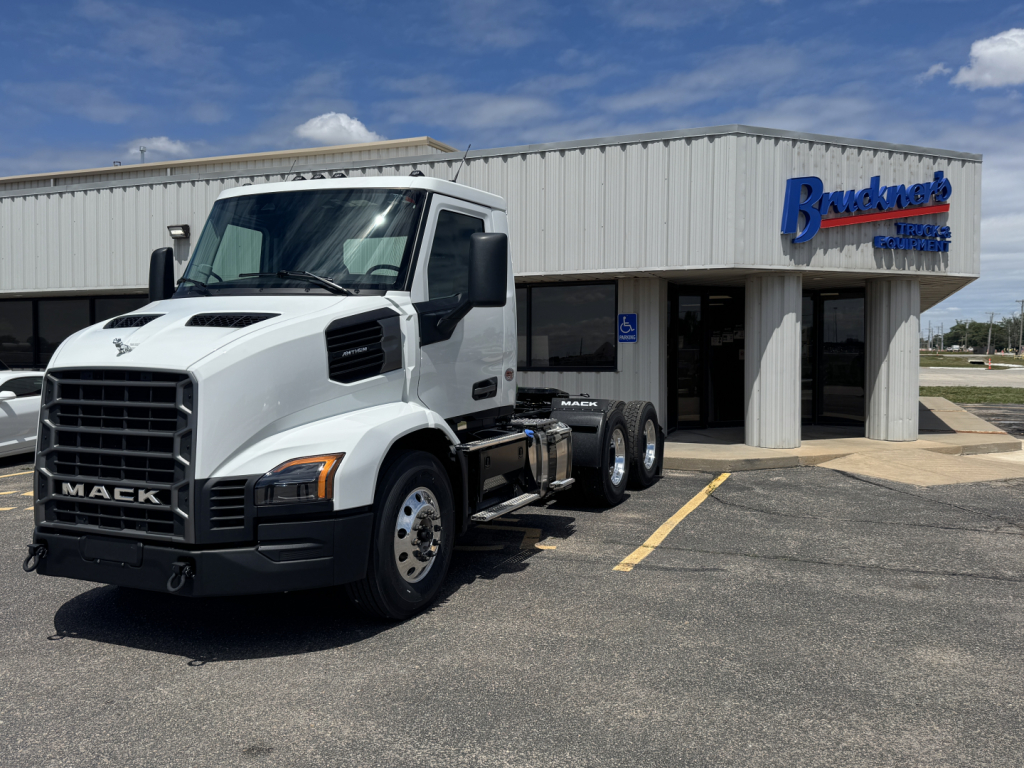

Have new 2027 conventional daycab truck to sell? List it here to reach thousands of buyers.
New 2027 Conventional Daycab Trucks in Kansas
The most important buying decisions usually start with the powertrain and axle package. Common specs in this category include 6x4 tandem drive configurations, front axles around 12,000 to 13,200 pounds, and rears in the 40,000 to 46,000 pound range depending on the intended gross combination weight. Engines in this class are often in the 400 to 455 horsepower range with torque from roughly 1,650 to 1,850 lb-ft for van, reefer, flatbed, tanker, and general regional applications. Automated manual transmissions remain a popular choice because they help with driver onboarding, shift consistency, and fuel economy, while still giving fleets the gearing needed for loaded starts and highway cruise speeds. Rear axle ratios, often paired with direct or overdrive transmissions, should match the route profile. Lower numerical ratios can support fuel economy on flatter Kansas corridors, while more aggressive gearing may be the better fit for heavier loads, frequent starts, or mixed terrain.
Wheelbase and fifth wheel setup matter more than many buyers expect. A shorter wheelbase helps in city delivery yards, feed lots, and tighter dock environments, while a longer wheelbase can improve ride quality and provide flexibility for fuel tank sizing, battery box placement, and trailer gap management. Sliding fifth wheels are common on fleet-spec daycabs because they allow kingpin setting adjustments across different trailer lengths and bridge law requirements. Buyers should also look closely at suspension type, brake configuration, and frame spec. Air ride suspensions are common for highway and regional service, front disc brakes continue to gain traction for stopping performance and maintenance advantages, and aluminum wheels can help trim weight. Aerodynamic packages, roof fairings, chassis fairings, and bumper design all play into fuel burn on longer Kansas interstate runs where sustained speed matters.
Cab environment and safety technology deserve the same attention as the driveline. New 2027 conventional daycab trucks often include upgraded seat packages, Bluetooth connectivity, steering wheel controls, collision mitigation, adaptive cruise, lane departure warnings, and integrated telematics support for fleet management. For buyers planning high-utilization service, details like fuel tank capacity, DEF tank placement, PTO provisions, and service access can have a real effect on uptime. The right daycab spec is the one that fits the trailer pool, payload, route density, and maintenance plan, not just the horsepower rating on paper. A properly matched conventional daycab can deliver strong resale, efficient operating cost, and dependable performance across Kansas freight operations.
Frequently Asked Questions about New 2027 Conventional Daycab Trucks in Kansas
What is a conventional daycab truck used for?
A conventional daycab truck is used for operations where the driver does not need a sleeper berth, including regional haul, local and regional distribution, drayage, dedicated freight, bulk hauling, and terminal-to-terminal work. The conventional hood design allows for strong cooling capacity, easier engine service access, and a wide range of axle and powertrain specs. Daycabs are especially common in fleets that prioritize maneuverability, lower empty weight, and same-day driver return.
What specs matter most when buying a new 2027 conventional daycab?
The key specs are engine horsepower and torque, transmission type, front and rear axle ratings, wheelbase, rear axle ratio, suspension, brake setup, and fifth wheel configuration. These items determine how the truck will perform with your trailer type, route profile, and target gross combination weight. Fuel tank capacity, aero package, and cab technology also matter because they affect operating range, fuel economy, driver acceptance, and long-term fleet efficiency.
Is an automated manual transmission a good choice for a daycab fleet?
For many fleets, yes. Automated manual transmissions are widely used in modern daycab specs because they improve shift consistency, reduce driver fatigue, and can help lower maintenance costs tied to clutch abuse and poor shifting habits. They are a strong fit for regional and highway work, and they also support easier driver recruiting and training. The best results come when the transmission gearing and rear axle ratio are matched to the load and terrain.
How do I choose the right wheelbase for a conventional daycab?
The right wheelbase depends on trailer length, required bridge compliance, turning environment, ride preference, and component packaging. Shorter wheelbases are easier to maneuver in urban yards and tighter customer locations. Longer wheelbases can improve ride quality and make room for larger fuel tanks or other chassis components. Buyers should also consider fifth wheel travel and kingpin settings so the truck can handle the trailer mix without clearance or weight distribution issues.
Are conventional daycab trucks a good fit for Kansas freight operations?
They are often an excellent fit because Kansas freight includes a mix of interstate highway miles, agricultural hauling, regional distribution, and terminal-based operations. A properly specd daycab can deliver strong fuel economy on long, open highway stretches while still handling local pickups and drop lots. The best Kansas setup usually balances aero efficiency, adequate torque, practical wheelbase, and axle ratings that match the freight rather than overspec the truck.