
New 2026 Conventional Daycab Trucks For Sale in Washington
Shop new 2026 conventional daycab trucks in Washington built for regional haul, port work, fuel efficiency, maneuverability, and driver comfort.
Learn more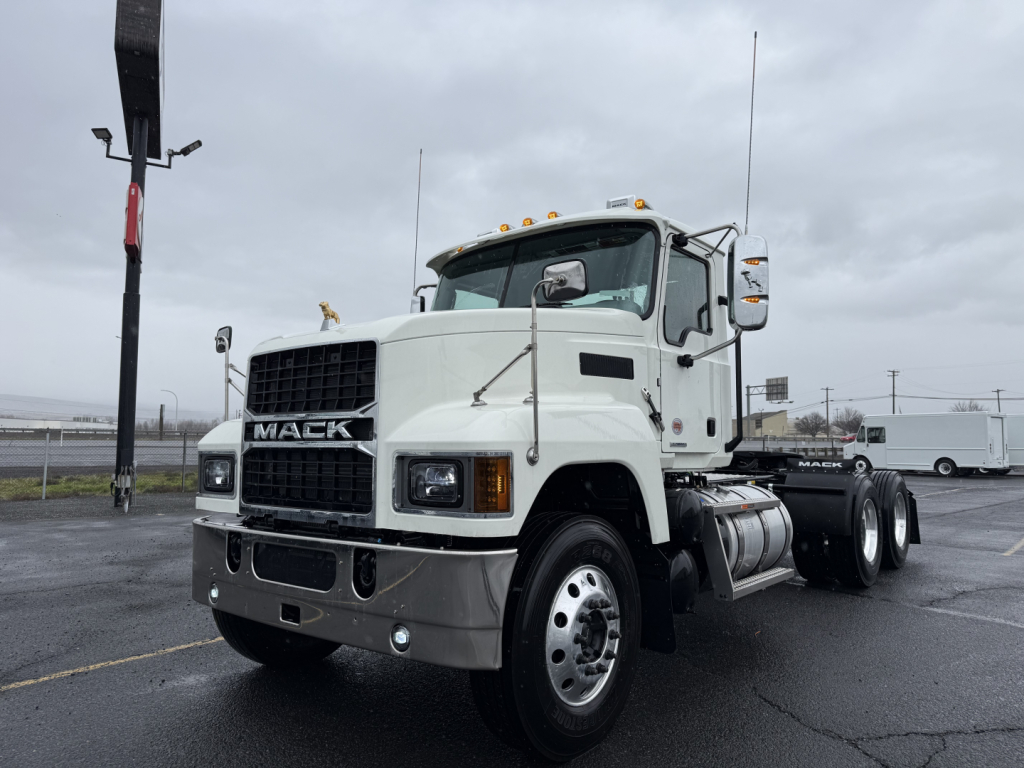
Have new 2026 conventional daycab truck to sell? List it here to reach thousands of buyers.
About New 2026 Conventional Daycab Trucks in Washington
For most buyers, the key decision starts with application and axle layout. A 6x4 conventional daycab is common for heavier regional hauling and mixed-terrain work, while a 6x2 can make sense for weight savings and fuel economy in the right lane profile. Common spec points include front axle capacity, rear axle ratio, wheelbase, fifth wheel height, sliding versus fixed fifth wheel, and fuel capacity. New-model trucks in this class are often ordered with aerodynamic roof packages, collision mitigation systems, lane support technology, disc brakes, tire pressure monitoring, integrated automated manual transmissions, and PTO prep for hydraulic or electric-over-air systems. Buyers running containers, bulk, or specialized trailers should pay close attention to frame layout, back-of-cab clearance, and kingpin setting compatibility.
Powertrain selection is where long-term cost is won or lost. Modern 2026 daycab tractors typically pair a high-torque diesel with an automated manual transmission calibrated for fuel economy and grade performance. For Washington fleets, that calibration matters because routes can shift from metro congestion to long interstate grades quickly. Engine brake performance, transmission gearing, startability, and cooling package capacity all deserve a close look if the truck will see mountain passes, heavy gross weights, or frequent low-speed operation. New trucks also bring emissions-system updates, telematics integration, idle management features, and driver-assist technology that can improve uptime and help standardize fleet performance.
Cab environment and service access still matter even without a sleeper. A good daycab should give the driver easy entry and exit, clear dash layout, useful storage, strong HVAC output, and low interior noise on longer regional runs. Buyers should also compare hood access, aftertreatment placement, battery box location, fuel tank configuration, and dealer support in the Pacific Northwest. The best conventional daycab truck is not simply the highest horsepower unit. It is the one whose wheelbase, axle rating, fifth wheel setup, safety technology, and powertrain match the freight, terrain, and duty cycle it will handle every day.
Frequently Asked Questions
What is a conventional daycab truck used for?
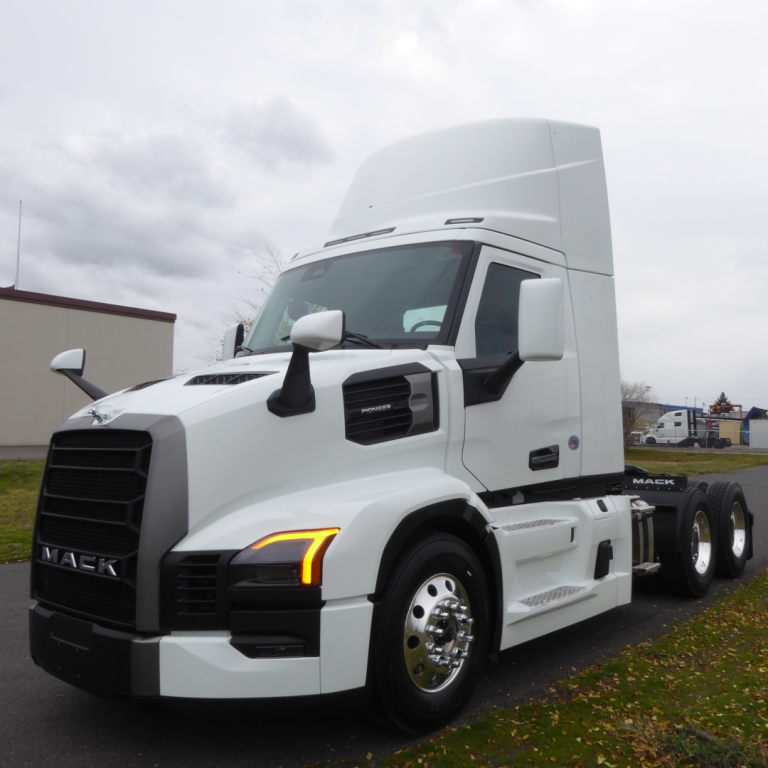
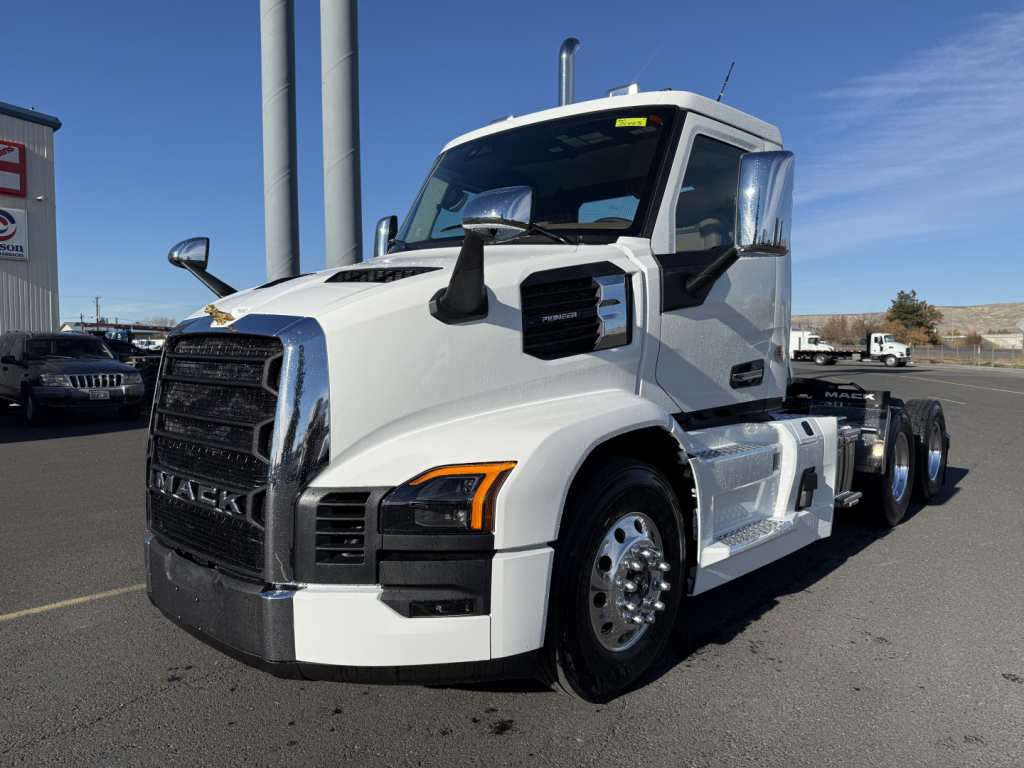
A conventional daycab truck is used for regional hauling, local freight, drayage, dedicated routes, tanker work, flatbed operations, and vocational tractor applications where the driver returns home instead of needing sleeper space. The conventional hood design allows easier engine access and typically provides a stable ride, while the daycab layout keeps the chassis shorter and more maneuverable for terminals, city streets, and customer yards.
What should I look for when buying a new 2026 daycab in Washington?
Focus on route profile, gross weight, and trailer type first. Washington buyers should pay close attention to axle ratings, rear axle ratio, wheelbase, engine brake strength, transmission calibration, and fuel capacity because operations may include port traffic, urban distribution, and mountain grades in the same week. Also review safety systems, PTO requirements, fifth wheel height, and dealer service coverage across the region, since uptime support can matter as much as the truck's base spec.
Is a daycab better than a sleeper for regional work?
For many regional and local applications, a daycab is the better fit because it reduces weight, shortens the truck, and improves maneuverability without carrying unused sleeper space. That can help fuel economy and make docking, turning, and yard movement easier. A sleeper still makes sense when routes regularly require overnight stays, long dwell time, or team operation, but for dedicated daytime freight a daycab is usually the more efficient tool.
What axle configuration is most common on a conventional daycab?
A 6x4 configuration is the most common setup for conventional daycab tractors because it balances traction, durability, and versatility across a wide range of freight applications. It is especially common for heavier regional loads, mixed weather, and operations that need dependable performance on grades or rougher surfaces. A 6x2 may be considered when reducing weight and improving fuel economy are top priorities, but it needs to match the lane, terrain, and traction demands of the operation.
Do new daycab trucks commonly come with automated manual transmissions and safety technology?
Yes. Many new 2026 conventional daycab trucks are spec'd with automated manual transmissions, collision mitigation, lane departure or lane support systems, blind spot monitoring, tire pressure monitoring, and integrated telematics. These systems can improve fuel consistency, reduce driver fatigue, and support fleet safety programs. Buyers should still confirm how each system is calibrated and whether it fits the duty cycle, especially for low-speed vocational use, port work, or routes with frequent backing and tight maneuvering.