
New 2026 Mack Conventional Daycab Trucks For Sale in Washington
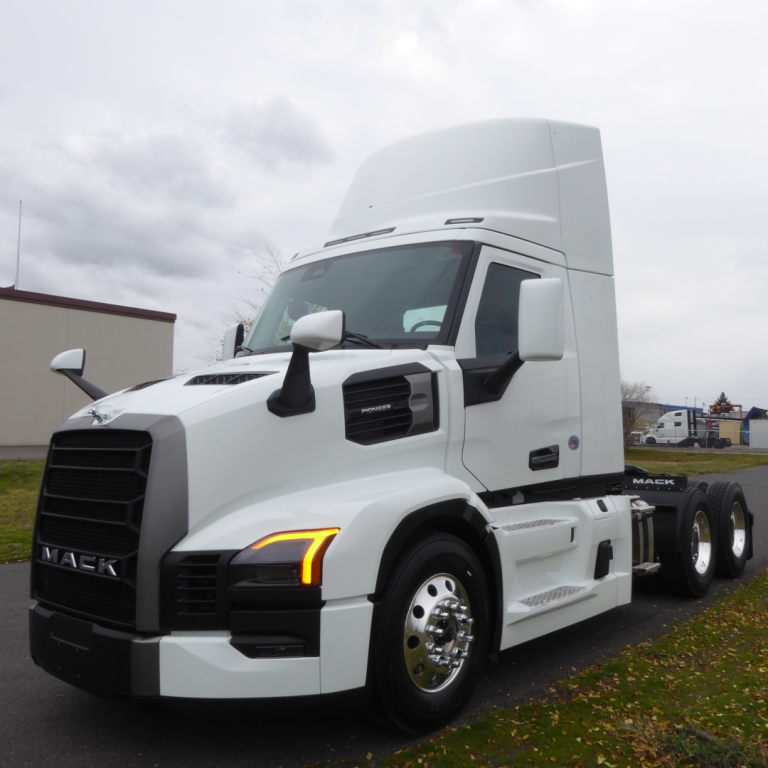
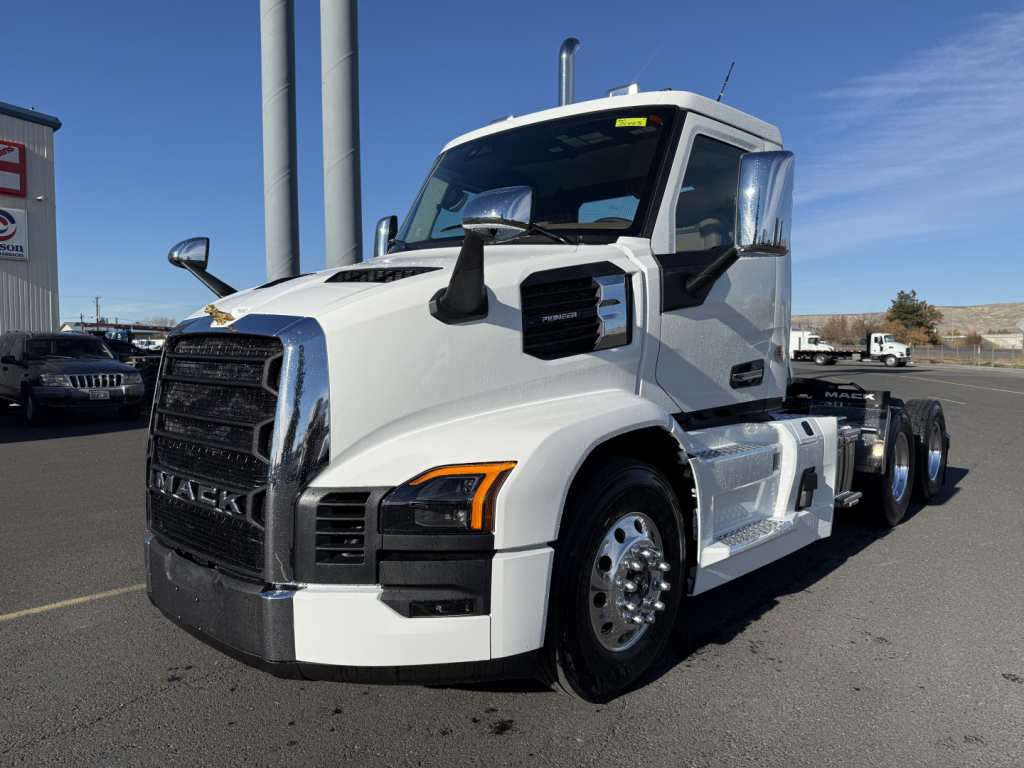
Shop new 2026 Mack conventional daycab trucks built for regional hauling, PTO work, fuel efficiency, driver comfort, and heavy-duty specs.
Learn more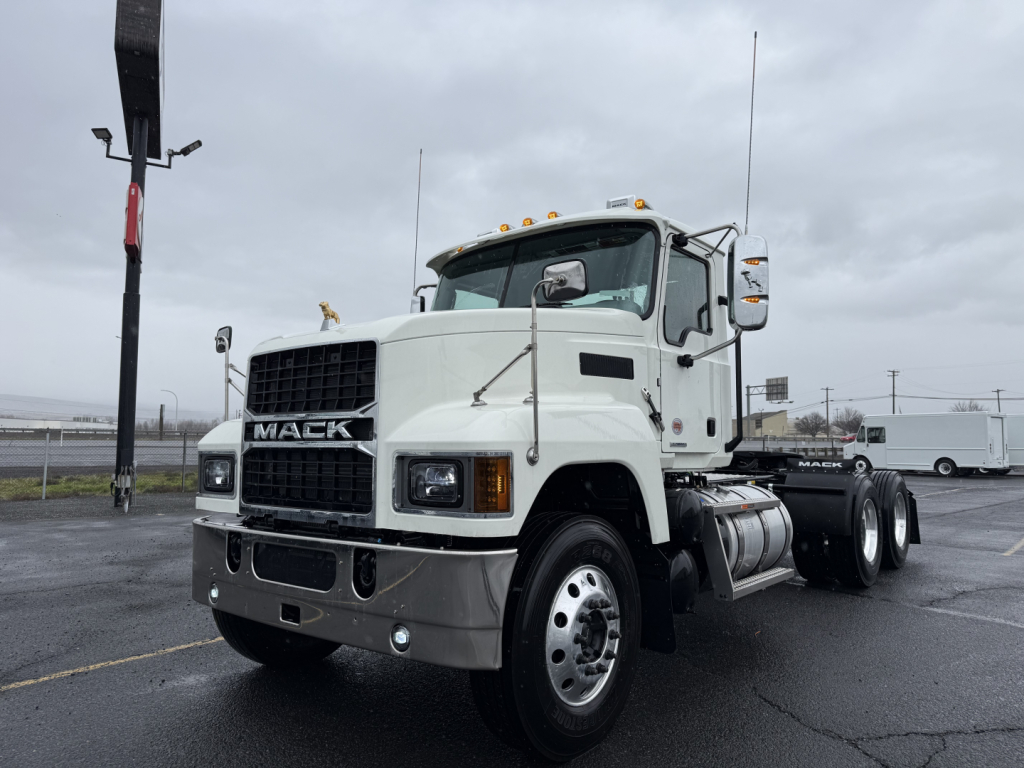
Have new 2026 mack conventional daycab truck to sell? List it here to reach thousands of buyers.
About New 2026 Mack Conventional Daycab Trucks in Washington
Powertrain choice is one of the biggest buying decisions in this class. Many late-model Mack daycabs are spec'd with the MP13 in higher horsepower ratings for heavy regional loads and mountain grades, paired with the mDrive automated manual transmission for fuel economy and easier operation in stop-and-go traffic. Buyers should look closely at horsepower, torque, rear axle ratio, GCWR, and transmission gearing because those specs determine how the truck will perform with container chassis, tank trailers, flatbeds, dump trailers, or pneumatic setups. Front axle ratings around 12,000 to 13,200 pounds and rears in the 40,000 pound range are common in highway tractors, while fifth wheel selection, sliding travel, and frame layout matter if the truck needs to handle multiple trailer lengths or PTO-driven equipment.
The cab itself is a major part of the value in a Mack conventional daycab. Newer models increasingly include aerodynamic packages, disc brakes, tire pressure monitoring, camera systems, lane change support, blind spot monitoring, and driver awareness features that help reduce fatigue and prevent avoidable damage. Buyers comparing listings should also check for dual fuel tanks, air slide or no-slack fifth wheels, front stabilizer bars, block heaters, and electric-over-air PTO prep. In a daycab application, entry and exit frequency, seat quality, dash ergonomics, and visibility can affect productivity just as much as engine output, especially on local and regional routes with frequent stops.
For buyers focused on total operating cost, Mack daycabs stand out when the spec matches the route. A lighter aero highway spec can improve fuel burn on regional lanes, while a heavier vocational-leaning spec may be better for severe service and trailer versatility. Pay attention to warranty coverage, service network support, emissions system access, and axle-back maintenance items such as brake type, suspension design, and tire size. The right Mack conventional daycab should be selected by application first, then by power, wheelbase, and chassis equipment, because those decisions have the biggest effect on resale value, driver acceptance, and cost per mile.
Frequently Asked Questions
What is a Mack conventional daycab best used for?
A Mack conventional daycab is best suited for regional hauling, local freight, drayage, tanker work, bulk commodities, and vocational tractor applications that return to base daily. It gives operators a full-size conventional hood and heavy-duty chassis without the extra weight and cost of a sleeper. That makes it a practical choice when maneuverability, payload, and easier access to the back of cab are more important than overnight accommodations.
What specs matter most when buying a new Mack daycab?
The most important specs are engine rating, torque, transmission type, axle ratings, rear axle ratio, wheelbase, suspension, and fifth wheel setup. Those numbers determine gradeability, startability, trailer compatibility, and fuel economy. Buyers should also confirm PTO provisions, fuel capacity, brake type, and any safety technology included, because those features affect both daily usability and operating cost.
Is the Mack mDrive a good transmission for daycab service?
The Mack mDrive is a strong fit for many daycab applications because it helps standardize shifting, reduces driver fatigue, and can improve fuel economy in regional and stop-and-go operations. It is especially useful in fleets with multiple drivers or routes that mix highway speed with frequent traffic interruptions. The key is matching the transmission software and gearing to the truck's load profile and terrain, particularly for heavy haul, mountain routes, or PTO-related work.
Are Mack daycabs a good choice for Washington hauling conditions?
Mack daycabs can be a very good match for Washington operations because they can be spec'd for both highway efficiency and heavier regional service. Buyers running across mountain grades or hauling dense loads should prioritize torque, cooling capacity, axle ratio, and brake performance. Buyers working ports, construction corridors, or short regional lanes may benefit from a shorter wheelbase, strong visibility package, and features that support frequent maneuvering and backing.
How do I choose between an aerodynamic highway spec and a heavier vocational spec?
Choose an aerodynamic highway spec if the truck will spend most of its time on regional lanes at steady speed with van, reefer, or general freight trailers, where fuel economy is a priority. Choose a heavier vocational-oriented spec if the truck will handle mixed trailers, PTO equipment, rougher jobsite access, or higher front-end and chassis demands. The better choice depends less on the badge and more on how the frame, axle package, suspension, and powertrain are matched to the actual job.