
Mack Conventional Daycab Trucks For Sale in Texas
Shop Mack conventional daycab trucks in Texas. Compare MP engines, mDRIVE specs, axle ratings, wheelbase, and vocational or highway setups.
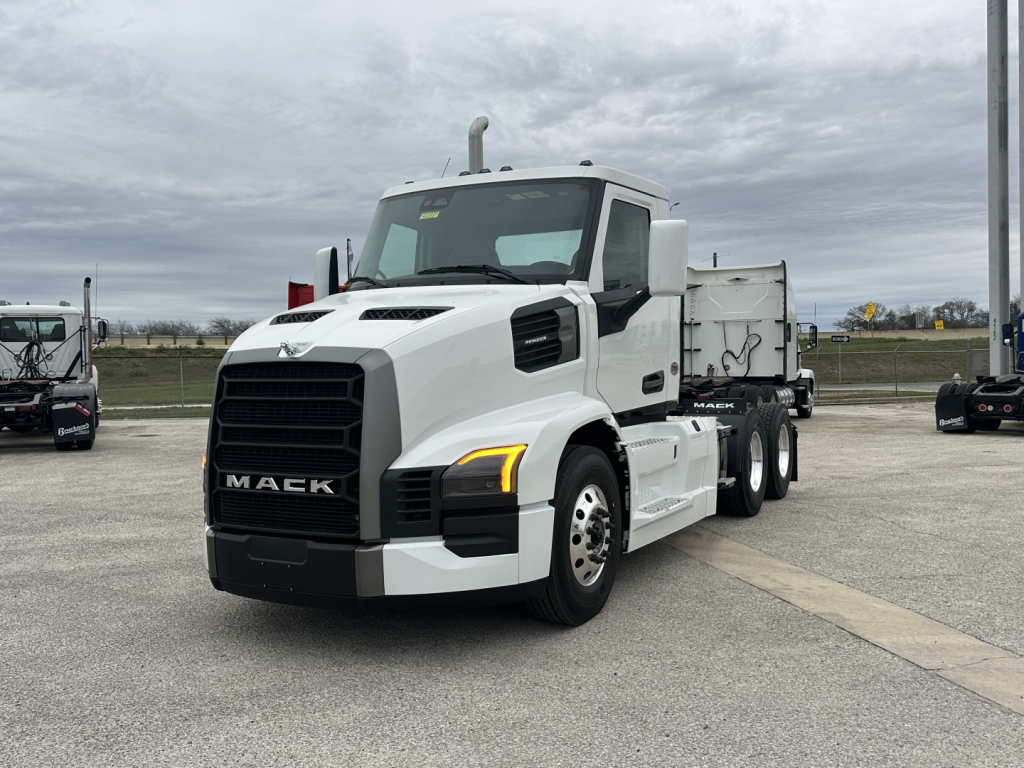

2021 Mack PINNACLE
325,000 miShowing 57 to 72 of 72 results
Have mack conventional daycab truck to sell? List it here to reach thousands of buyers.
Mack Conventional Daycab Trucks in Texas
On Mack daycabs, engine and driveline spec deserve the closest look. Current conventional models may be equipped with Mack MP series power, commonly the MP13 in higher-GCWR applications, paired with the Mack mDRIVE automated manual transmission. That setup is popular because it balances fuel economy, driver consistency, and low-speed control. In a Texas fleet, rear axle ratio, transmission overdrive, and tire size all affect cruise RPM and fuel burn, especially on long regional runs across I-10, I-20, and I-35 corridors. A 6x4 tandem with a 40,000 lb rear axle and a ratio around 3.08 is a common highway-friendly spec, while heavier vocational use may call for different gearing, higher suspension ratings, differential locks, and more aggressive traction equipment.
Chassis details matter just as much as the powertrain. Wheelbase influences bridge compliance, trailer swing clearance, and how the truck handles with different trailer lengths. Fifth wheel type and travel can be important if the truck will pull multiple trailer configurations or needs kingpin setting flexibility. Buyers should also look at front axle capacity, frame section, brake type, fairings, fuel capacity, and suspension design. Air ride suspension and aerodynamic packages can help on linehaul and dedicated regional work, while severe-service options, higher bumper and cooling protection, and vocational frame specs make more sense in rougher duty cycles. Disc brakes, tire inflation systems, and driver-assist features can also be worth attention if the truck will see high annual miles or mixed-driver operation.
Mack has long been a strong fit for buyers who want a straightforward, hard-working tractor with a reputation for structural durability. On a conventional daycab, that translates into a truck that can be spec'd for fuel-conscious highway use or for tougher vocational work without moving into a sleeper platform. When comparing Mack daycab trucks for sale in Texas, focus on axle ratings, engine family, transmission calibration, wheelbase, and intended trailer pairing first. Those decisions will tell you more about real operating cost and job fit than model year alone.
Frequently Asked Questions about Mack Conventional Daycab Trucks in Texas
What is a Mack conventional daycab truck best used for?
A Mack conventional daycab truck is best suited for regional hauling, local delivery, dedicated route work, port drayage, and vocational tractor applications where drivers return home daily. The daycab configuration removes the sleeper, which reduces weight and shortens overall length. That makes it a practical choice for fleets that need maneuverability, lower tare weight, and easier yard access while still keeping the pulling capacity of a tandem-axle road tractor.
What should I look for first when comparing Mack daycab specs?
Start with the powertrain and axle ratings because those specs determine job fit faster than cosmetics or trim level. Engine output, transmission type, rear axle ratio, wheelbase, front axle capacity, and rear suspension rating all need to match your trailer type and typical gross weight. If the truck will run mostly highway miles in Texas, fuel tank capacity, aerodynamic fairings, and overdrive transmission calibration also deserve close attention.
Is the Mack mDRIVE a good transmission for a daycab fleet?
The Mack mDRIVE is a common choice for daycab fleets because it helps standardize driver performance and can improve fuel economy compared with inconsistent manual shifting. It also reduces driver fatigue in stop-and-go service and works well in regional applications where the truck sees frequent traffic, loading docks, and varying terrain. The right software calibration still matters, especially if the truck will operate in heavy vocational service, mixed on-road and off-road use, or at high combined weights.
How important is wheelbase on a Mack conventional daycab?
Wheelbase is very important because it affects turning radius, ride quality, bridge spacing, trailer clearance, and weight distribution. A shorter wheelbase can be better for tight yards and urban maneuvering, while a longer wheelbase may improve stability and allow for larger fuel capacity or cleaner trailer swing with certain setups. The ideal dimension depends on the trailer length, kingpin setting, fifth wheel position, and the states or routes where the truck will operate.
Are Mack daycab trucks in Texas usually spec'd more for highway or vocational work?
Texas buyers use Mack daycabs in both highway and vocational roles, so the market often includes a mix of aerodynamic fleet specs and heavier-duty work truck setups. Highway-oriented units tend to have fuel-efficient axle ratios, fairings, air ride suspension, and larger fuel capacity. Vocational-oriented units may have locking differentials, different gearing, heavier suspensions, and chassis components selected for construction, aggregate, or severe-service conditions. The best choice depends on the truck's daily route profile and trailer demand.