
2022 Kenworth Conventional Day Cab Trucks For Sale in Colorado
Compare 2022 Kenworth conventional day cab trucks for sale in Colorado by gearing, engine braking and emissions history for mountain or regional work.
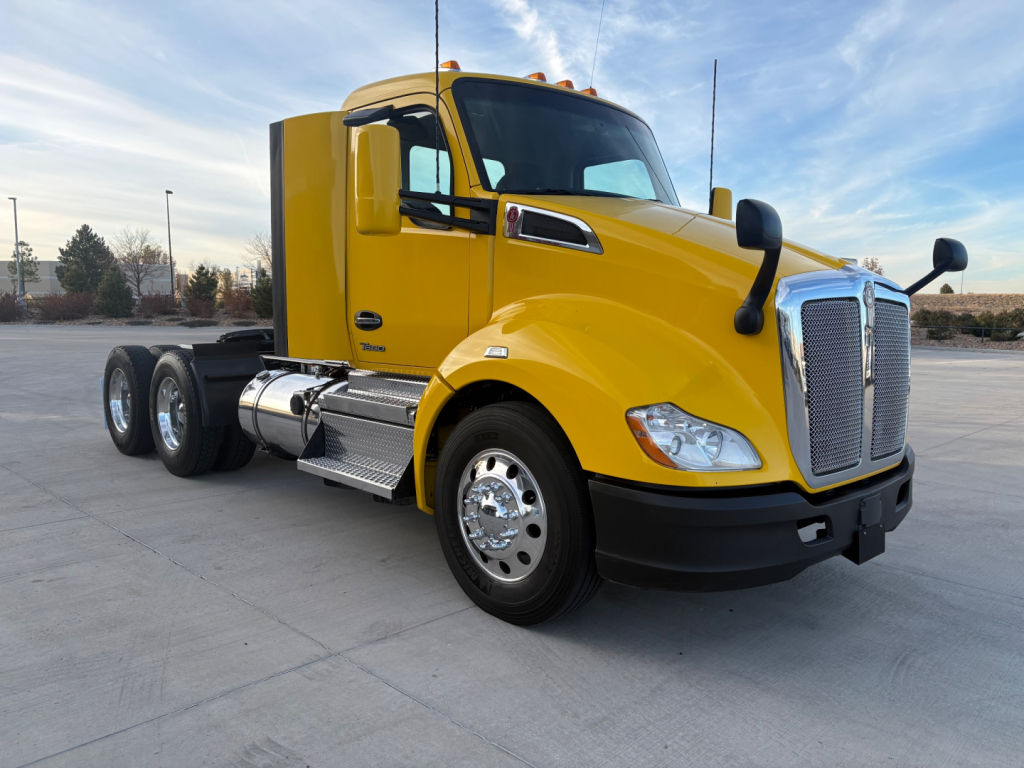
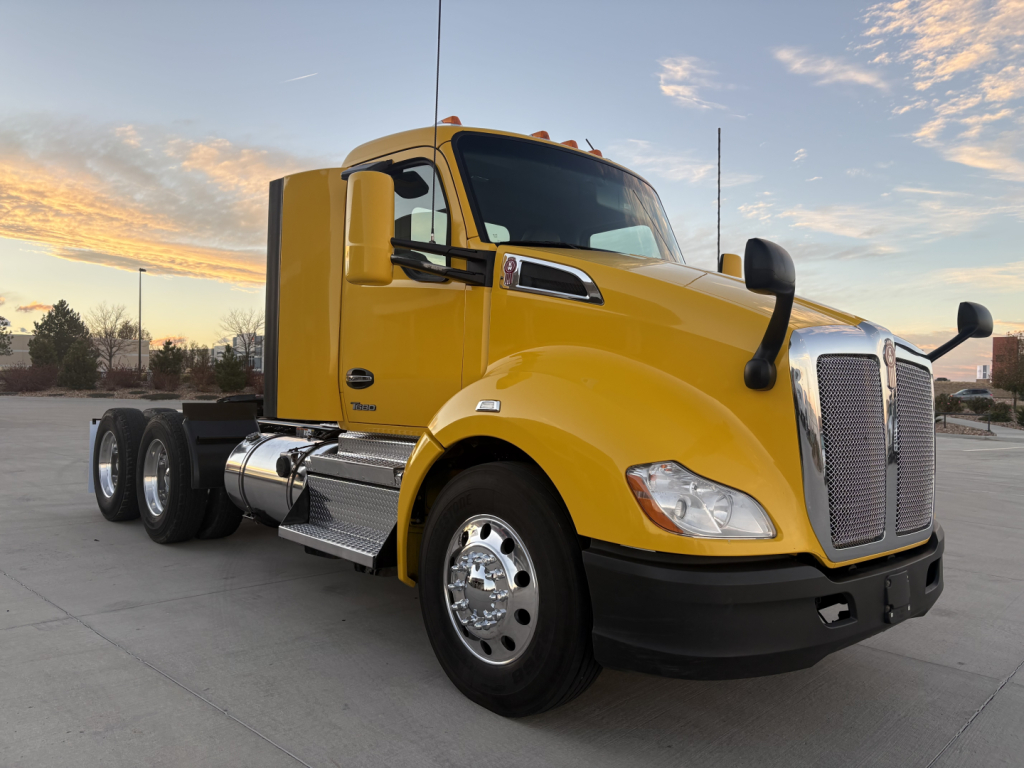
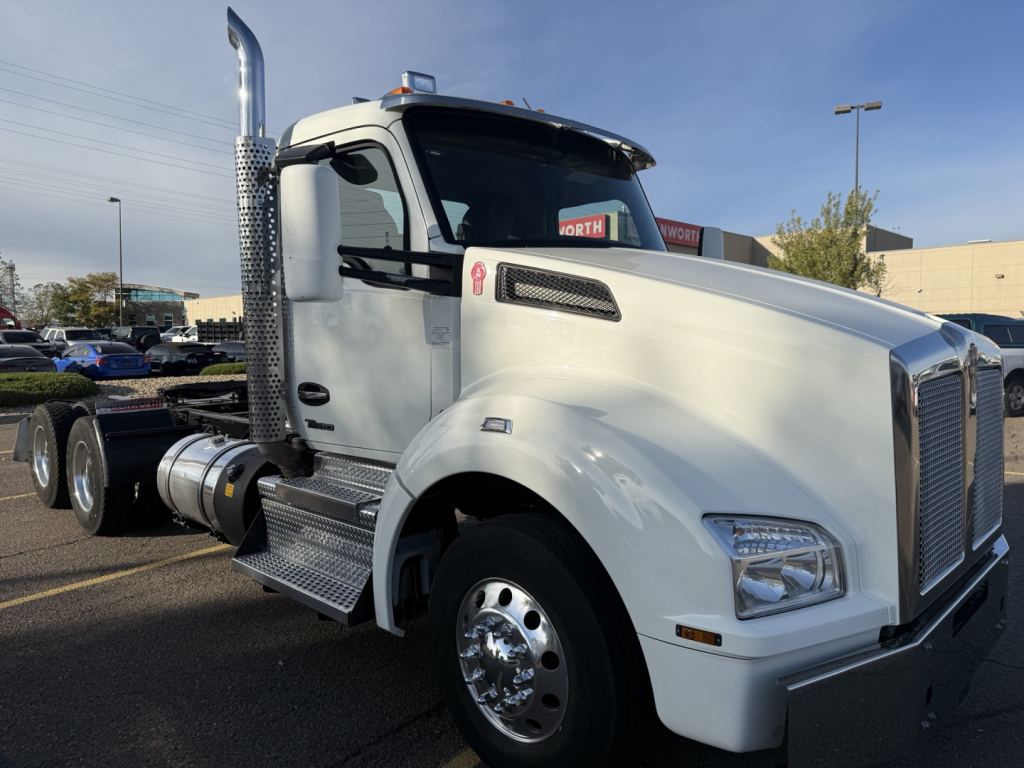
Selling a 2022 kenworth conventional day cab truck? List your 2022 kenworth conventional day cab truck for sale and reach thousands of commercial buyers.
2022 Kenworth Conventional Day Cab Trucks in Colorado
An I-25 Front Range distribution route places different demands on gearing than an I-70 mountain turn or an eastern-plains grain haul. Select rear axle ratio with tire diameter, transmission top gear, loaded weight, and grade starts in mind, rather than choosing horsepower alone. Evaluate engine-brake performance and cooling under load. Shorter wheelbases help in tight yards, but fifth-wheel position, trailer swing clearance, and legal axle loading still govern whether a day cab tractor fits the job.
Factory-built 2022 diesel Kenworths use DPF and SCR aftertreatment with DEF, so emissions-system condition belongs near the top of a used-truck inspection. Verify the engine emissions label rather than assuming chassis model year identifies every engine detail. Request ECM mileage and hours, regeneration and fault history, and invoices for DPF cleaning or aftertreatment repairs. Inspect charge-air plumbing, coolant leaks, steering joints, suspension bushings, and fifth-wheel jaws. Colorado mountain service warrants close inspection of brake wear, while deicer exposure makes frame, wiring connector, air tank, and brake-line corrosion checks essential.
For an unused 2022 truck represented as new, confirm its title and in-service history, storage maintenance, and written warranty start date. Inspect tire date codes, batteries, seals, and fluids even if mileage is minimal. Since the 2022 model-year specification is already fixed, verify PTO provisions, axle ratings, and drivetrain suitability before planning modifications. A qualifying first retail sale of a heavy tractor can carry the 12% federal excise tax. On used equipment, distinguish remaining manufacturer coverage from a separate service contract and verify exclusions for emissions components.
Frequently Asked Questions about 2022 Kenworth Conventional Day Cab Trucks in Colorado
Do I need to carry tire chains in a Kenworth day cab in Colorado?
Yes. Heavy Kenworth day cab tractors must carry compliant tire chains from September 1 through May 31 on designated Colorado mountain highways. Posted chain restrictions can require installation, not merely carrying chains. Confirm current CDOT route coverage and chain-placement requirements for the tractor's axle configuration, and check clearance around brake components and suspension before mountain service.
Does a 40,000-pound rear axle rating mean a Kenworth day cab can legally carry that much on the tandem?
No. A 40,000-pound rear tandem rating is a component capacity, not a legal axle-weight allowance. For standard Interstate operation, the usual federal tandem limit is 34,000 pounds, subject to bridge-formula requirements and applicable exceptions. A 2022 Kenworth day cab also needs adequate tire ratings, steer-axle capacity, and fifth-wheel adjustment to distribute a loaded trailer legally.
Can a 2022 Kenworth day cab pull a hydraulic dump trailer?
A 2022 Kenworth day cab needs a compatible wet kit to operate a hydraulic dump trailer unless the trailer has its own power unit. Match pump flow, operating pressure, reservoir capacity, and hydraulic connections to the trailer. Verify PTO compatibility with the exact transmission, including electronic controls and operating restrictions; a transmission brand or model family alone does not establish compatibility.
How do I check clutch condition on a used 2022 Kenworth day cab?
A loaded road test and transmission diagnostic report are the best starting checks for clutch condition on a used 2022 Kenworth day cab. On a manual, watch for slipping under torque, engagement chatter, and release problems. On an automated transmission, request available clutch-wear and calibration data, check engagement in forward and reverse, and have a technician distinguish clutch wear from actuator faults.