
Used International Conventional Daycab Trucks For Sale in Nebraska
Shop used International conventional daycab trucks for sale, including LT625 and ProStar models with fleet specs for regional and local hauling.
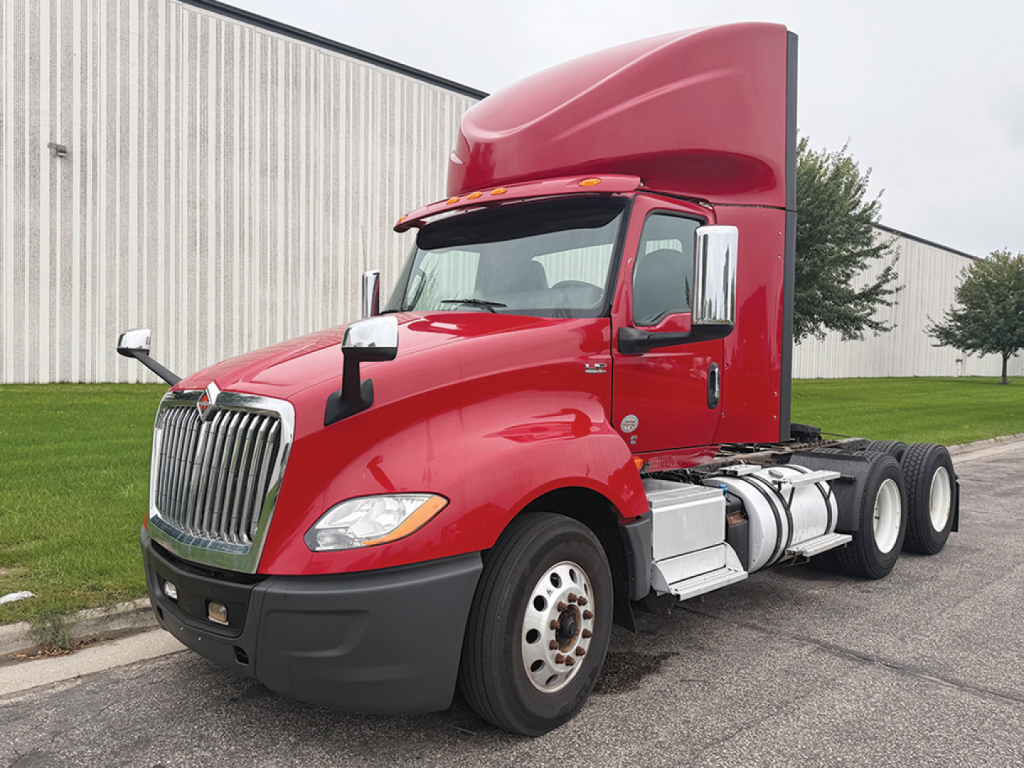
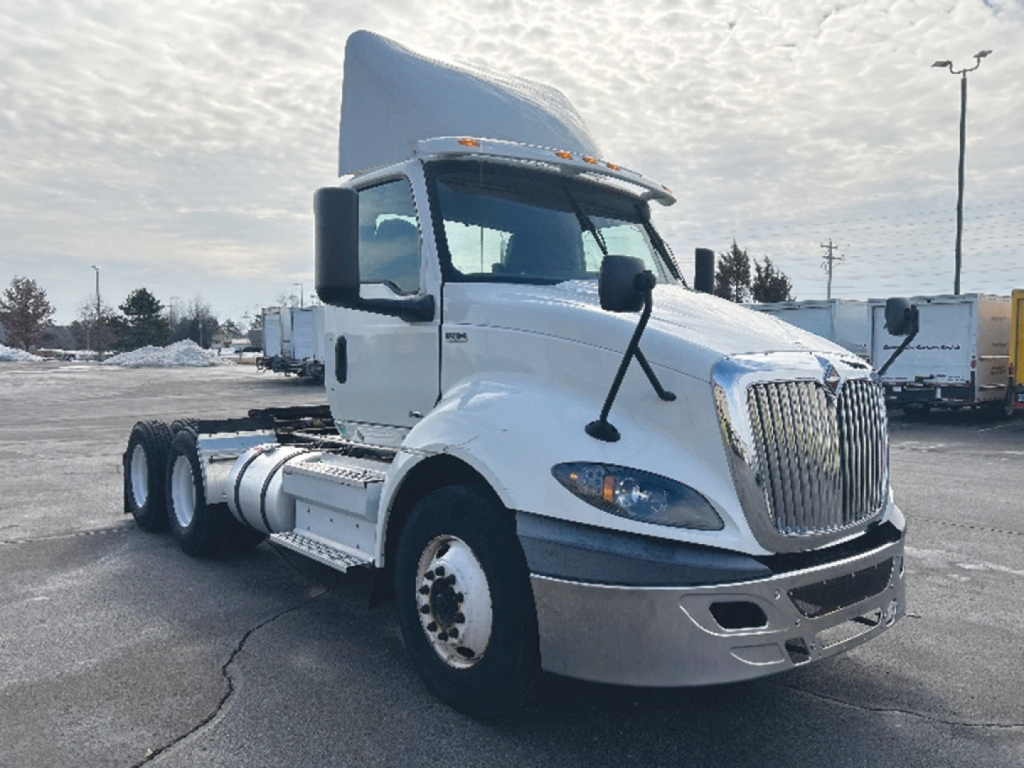

Selling a used international conventional daycab truck? List your used international conventional daycab truck for sale and reach thousands of commercial buyers.
Used International Conventional Daycab Trucks in Nebraska
A buyer comparing used International daycab tractors will usually start with engine and transmission spec. Common combinations in this category include the International A26, Cummins X15, and older MaxxForce platforms, paired with automated manual transmissions or 10-speed manuals. Horsepower in the used market often falls in the 400 to 500 HP range, with 40,000 lb rears and ratios such as 2.15, 3.25, or 3.42 depending on the intended duty cycle. Lower numerical ratios generally favor fuel mileage and linehaul speed, while higher ratios can better suit heavier starts, tighter route work, or frequent stop-and-go applications. Engine brake performance, rear axle ratio, and wheelbase matter more on a daycab than many buyers expect because these trucks are often assigned to high-frequency daily work where drivability directly affects productivity.
International LT625 models are common in the late-model used market and are often selected for their aero profile, accessible service points, and broad parts support. Older ProStar daycabs still show up in fleets that want a lower acquisition cost, but buyers should evaluate emissions history, engine platform reputation, and maintenance records closely. Wheelbase is another major decision point. Around 174 to 177 inches is a useful range for dock work and urban maneuvering, while longer wheelbases such as 230 inches can better fit specialized trailer settings, ride quality preferences, or axle placement requirements. Features frequently seen on used International daycabs include air ride suspension, air slide or adjustable fifth wheels, disc or drum brake setups, low-profile 22.5 tires, aluminum fuel tanks, cab extenders, quarter fenders, and collision-mitigation or driver-comfort options depending on year and trim.
The best used International conventional daycab is the one whose spec matches the freight. Buyers should verify fifth wheel travel, kingpin setting compatibility, front axle capacity, suspension type, brake configuration, tire size, and emissions system service history before making a decision. For Nebraska operations, it is also smart to consider winter traction needs, crosswind stability on open interstate corridors, and how the truck will perform under heavy seasonal loads. A clean daycab with the right powertrain, rear ratio, and wheelbase can be a very efficient revenue truck for fleets and owner-operators running consistent regional miles.
Frequently Asked Questions about Used International Conventional Daycab Trucks in Nebraska
What is the typical use for a used International conventional daycab truck?
A used International conventional daycab is typically used for regional hauling, local and metro freight, dedicated contract lanes, container drayage, tanker work, and shuttle operations between plants, warehouses, or terminals. The daycab configuration removes sleeper weight and length, which can improve maneuverability and payload efficiency for operations where the driver returns home daily. Many buyers choose this class when they need a road tractor that can still run highway speeds but does not need overnight accommodations.
Which engines are common in used International daycab tractors?
Common engines in used International daycab trucks include the International A26, Cummins X15, and in older models the MaxxForce series. The A26 is often chosen for fuel-focused regional applications, while the X15 is widely recognized for broad service support and strong performance across many vocational and highway specs. On older trucks, engine history is especially important. Buyers should review maintenance documentation, emissions repairs, mileage, idle hours, and any major component replacements before comparing price alone.
How important are rear axle ratio and wheelbase on an International daycab?
Rear axle ratio and wheelbase are two of the most important spec decisions in this category. A 2.15 ratio may be attractive for fuel economy on lighter, steady-speed highway routes, while ratios like 3.25 or 3.42 can be better for heavier loads, frequent starts, or mixed terrain. Wheelbase affects trailer swing clearance, turning radius, ride quality, and fifth wheel placement. A shorter wheelbase generally works better in tighter yards and city docks, while a longer wheelbase may better suit linehaul or specific trailer bridge-law and kingpin-setting requirements.
Are International LT625 daycabs a good choice for regional fleet work?
The International LT625 is a common choice for regional fleet work because it combines aerodynamic styling, a modern cab layout, and specs that are often tailored to fuel economy and driver comfort. Many used LT625 daycabs are equipped with automated transmissions, engine brakes, air ride suspension, and sliding fifth wheels, which fit dry van, reefer, and general freight operations well. The right truck still depends on maintenance history, engine choice, and how closely the axle ratio and wheelbase match the intended route profile.
What should buyers inspect on a used International daycab before purchase?
Buyers should inspect emissions system history, engine fault records, transmission operation, clutch condition on manual units, suspension wear, brake type and remaining life, tire condition, steering play, fifth wheel condition, and signs of frame modification or corrosion. It is also important to confirm axle ratings, wheelbase, and fuel tank configuration against the job the truck will perform. On a daycab, small spec differences can have a major impact on trailer compatibility, turning radius, and operating cost over a full year of regional service.