
International Conventional Daycab Trucks For Sale in Illinois
Shop International conventional daycab trucks with specs for regional haul, local freight, drayage, and terminal work in Illinois.
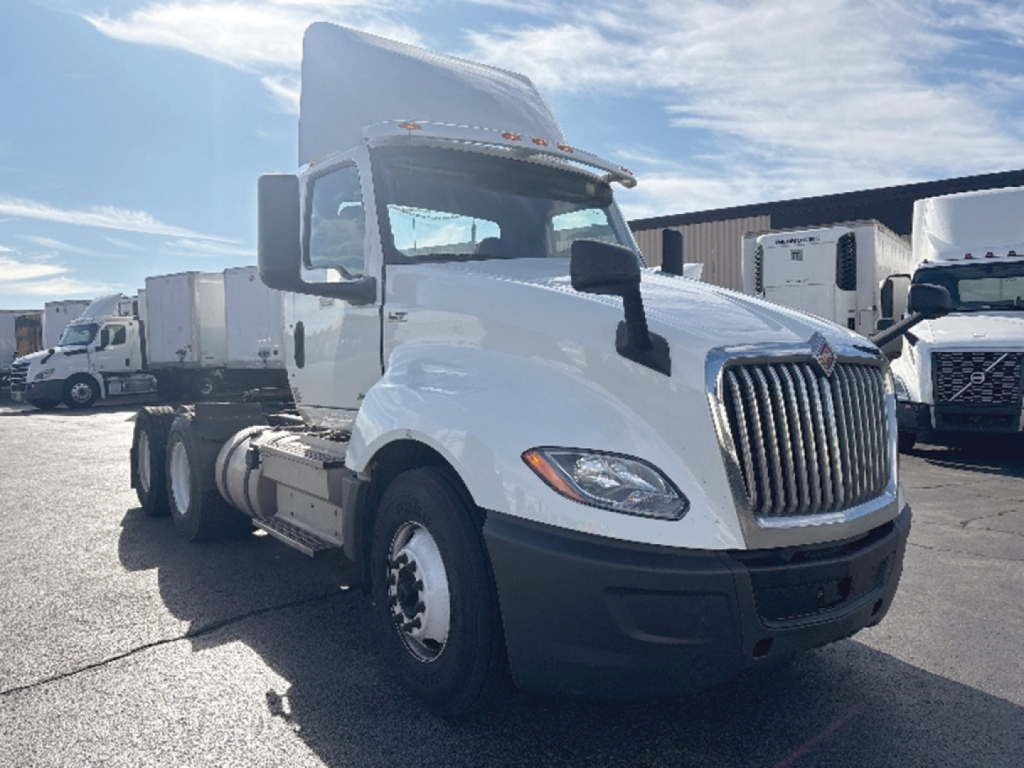
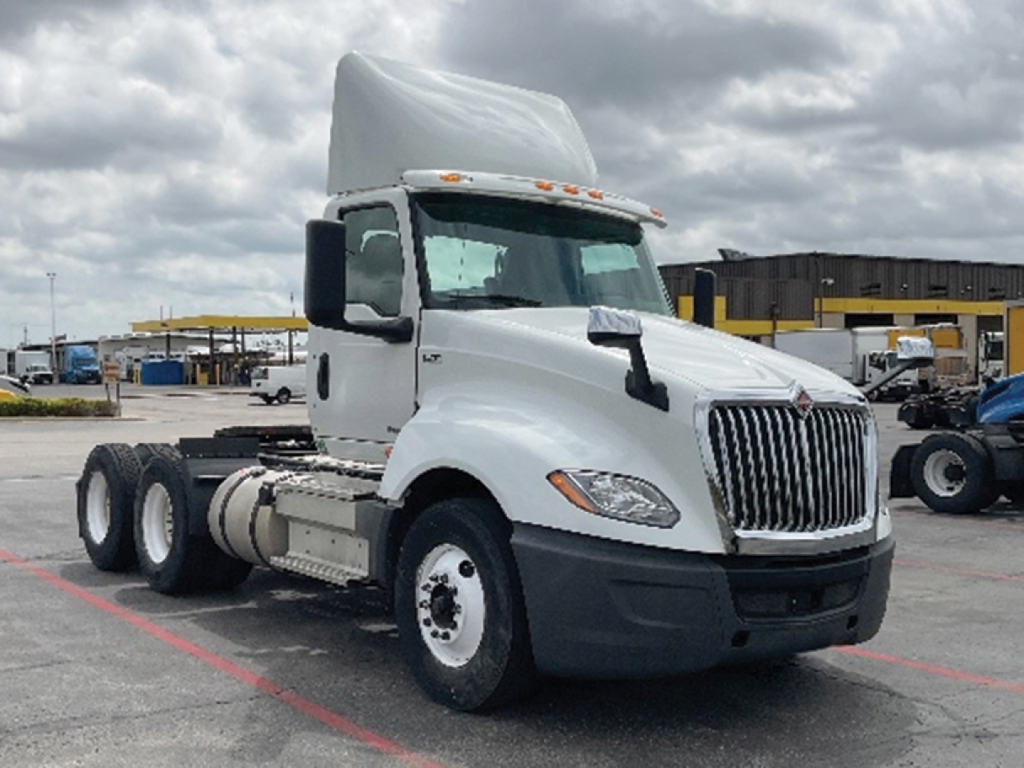
2019 International LT625
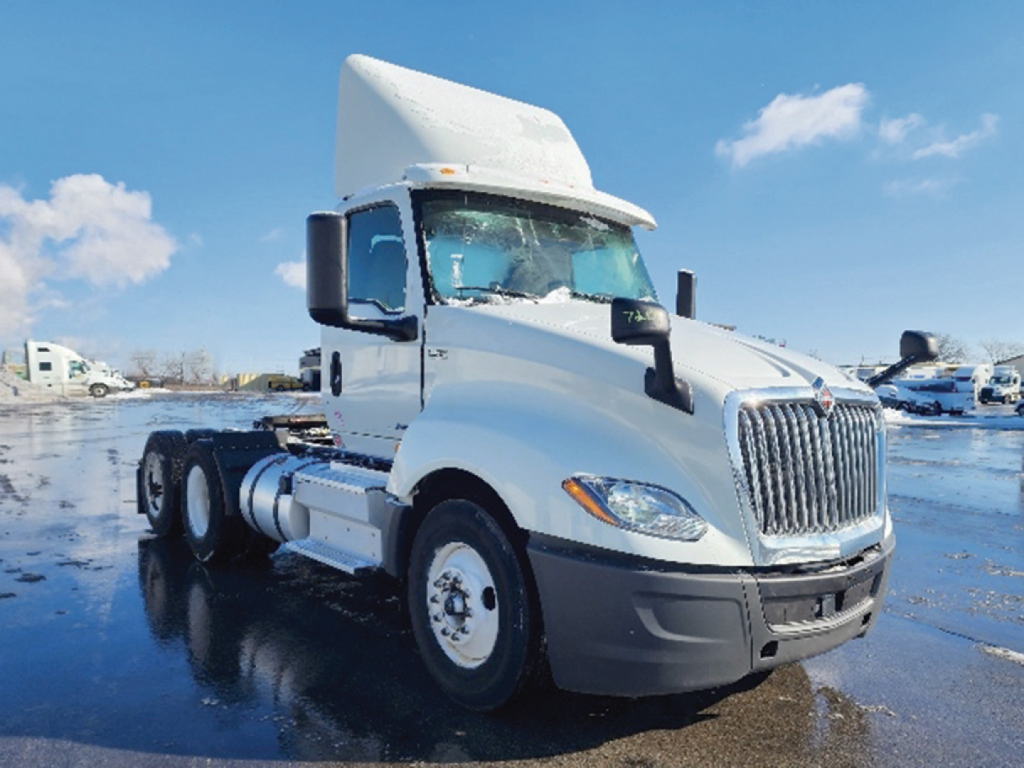
2019 International LT625
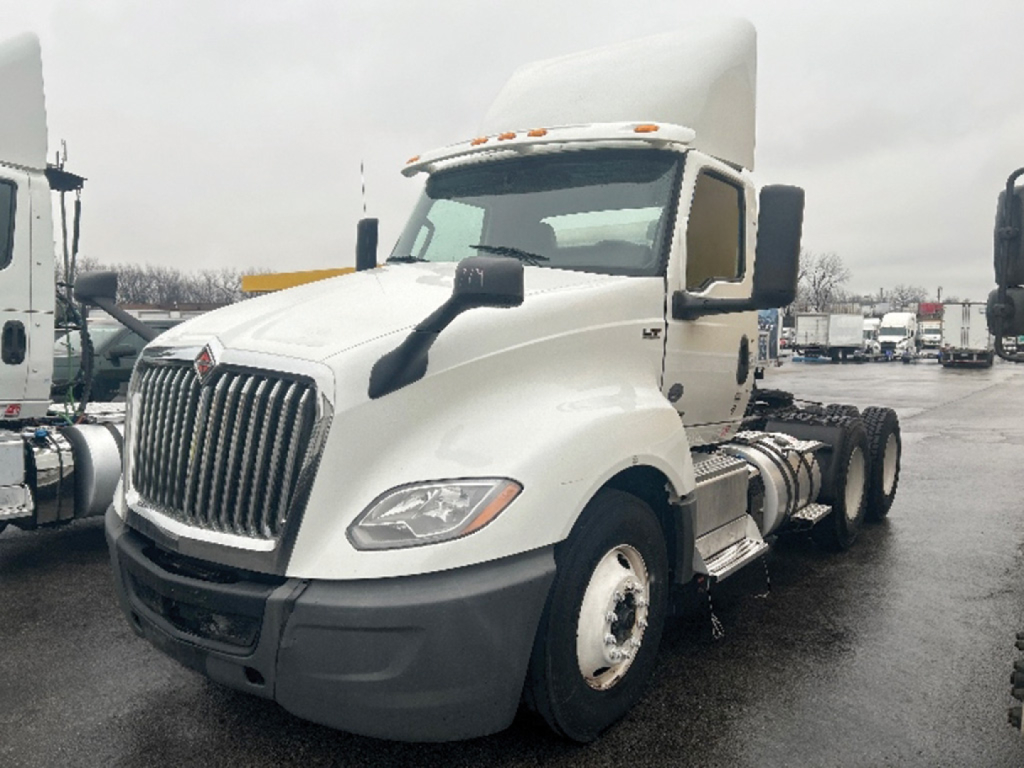
2019 International LT625
Have international conventional daycab truck to sell? List it here to reach thousands of buyers.
International Conventional Daycab Trucks in Illinois
Common International daycab models include the ProStar+ and 8600, with power typically coming from the Navistar N13 or Cummins ISX15 in the 400 to 450 horsepower range. Many trucks in this class are paired with 10-speed manual transmissions, 40,000 lb rear axles, and highway-friendly rear ratios such as 2.47 or more versatile ratios like 3.25 depending on the duty cycle. A 171-inch wheelbase is common on fleet-spec daycabs because it balances turning ability with ride quality and frame space. Buyers should also pay attention to engine brake operation, air ride suspension condition, brake type, and whether the truck has an adjustable or air slide fifth wheel for trailer compatibility.
For Illinois operations, gearing and application matter. A lower numerical ratio like 2.47 generally favors fuel economy on steady highway runs with van or reefer freight, while a 3.25 ratio is usually better for heavier starts, tighter regional work, and routes with more city traffic. Dual aluminum fuel tanks, roof fairings, cab extenders, and quarter fenders are common specs on fleet daycabs because they support fuel efficiency and cleaner trailer hookups. Disc brakes, low profile 22.5 tires, and aluminum or disc wheels are also common on later-model trucks in this category, and they can affect maintenance cost, stopping performance, and overall operating weight.
The best International conventional daycab is the one matched to the freight, not just the horsepower rating. Check front axle and rear axle ratings against your legal payload targets, confirm the fifth wheel position and kingpin setting you need, and look closely at emissions history, transmission condition, and suspension wear if the truck has seen urban or port-style service. International daycabs are popular with fleets because parts support is broad, the cab layout is straightforward, and the spec range covers everything from fuel-conscious regional tractors to heavier daycab setups built for tougher local work.
Frequently Asked Questions about International Conventional Daycab Trucks in Illinois
What are International conventional daycab trucks typically used for?
International conventional daycab trucks are commonly used for regional freight, local pickup and delivery, drayage, intermodal work, dedicated routes, and terminal-to-terminal hauling. The daycab configuration removes the sleeper to reduce weight and improve maneuverability, which makes it a strong choice for operations that bring the driver back home daily. They are especially common in fleet service where uptime, straightforward maintenance, and driver accessibility matter more than long-haul sleeper amenities.
What engines are common in International daycab tractors?
Two of the most common engines in this category are the Navistar N13 and the Cummins ISX15. In used International conventional daycabs, these engines are often rated around 400 to 450 horsepower, which is enough for most regional and local tractor work. Buyers should look beyond horsepower and confirm torque rating, emissions system service history, engine brake operation, and how the engine was paired with the transmission and rear axle ratio.
How do rear axle ratios like 2.47 and 3.25 affect performance?
A 2.47 rear axle ratio is generally set up for lower engine rpm at highway speed, which can improve fuel economy on lighter or steady-speed regional lanes. A 3.25 ratio gives the truck more mechanical advantage on starts and in mixed driving, which is helpful in city traffic, heavier loads, and routes with frequent speed changes. The right ratio depends on trailer weight, terrain, average road speed, and how often the truck starts from a stop.
What should I inspect first on a used International daycab?
Start with the powertrain spec and condition. Verify engine model, horsepower, transmission type, axle ratings, wheelbase, and fifth wheel style, then inspect maintenance records, fault codes, clutch wear if manual, suspension bushings, brake condition, and tire wear patterns. On emissions-era trucks, it is also important to review any history involving the EGR, DPF, SCR system, sensors, and aftertreatment repairs because those items can have a major effect on operating cost.
Is a daycab better than a sleeper for Illinois regional work?
For many Illinois regional operations, a daycab is the more efficient choice because it reduces empty weight, improves maneuverability in tighter industrial areas, and usually lowers acquisition and maintenance cost compared with a sleeper tractor. It fits well in short-haul and out-and-back applications centered around distribution hubs, rail yards, and metro freight corridors. A sleeper still makes sense if routes regularly involve overnight stays, but for true local or regional duty, the daycab is often the more practical spec.