
Used Freightliner Conventional Daycab Trucks For Sale in Nebraska
Browse used Freightliner conventional daycab trucks in Nebraska, including Cascadia daycabs built for regional haul, local freight, and fleet work.
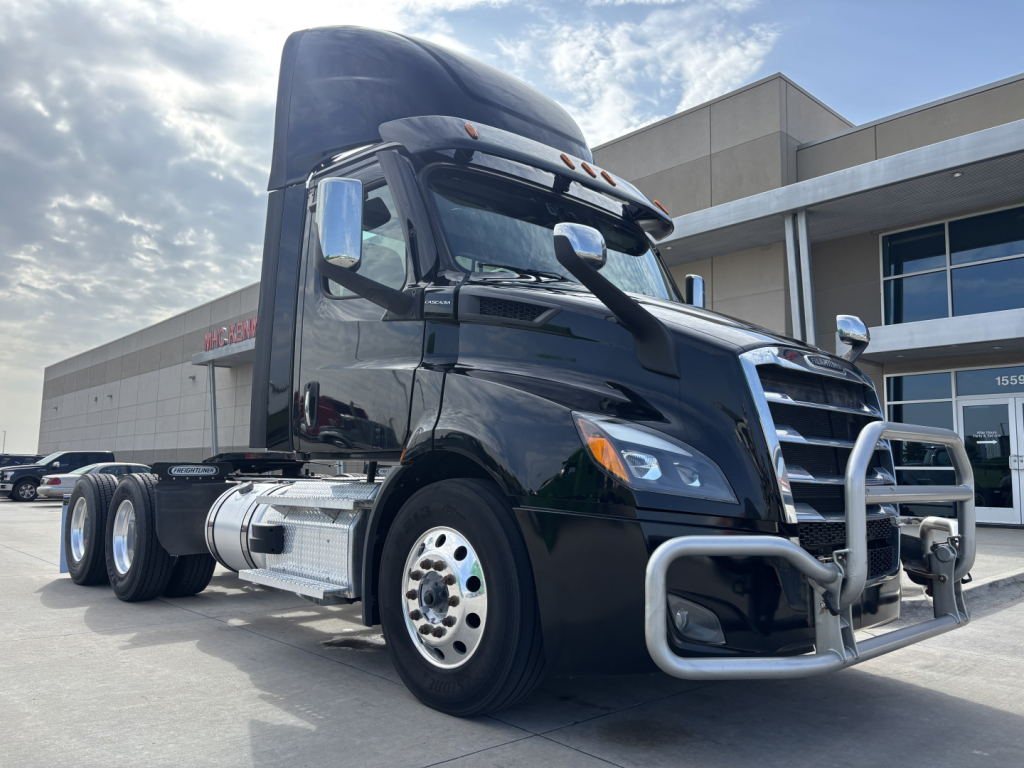
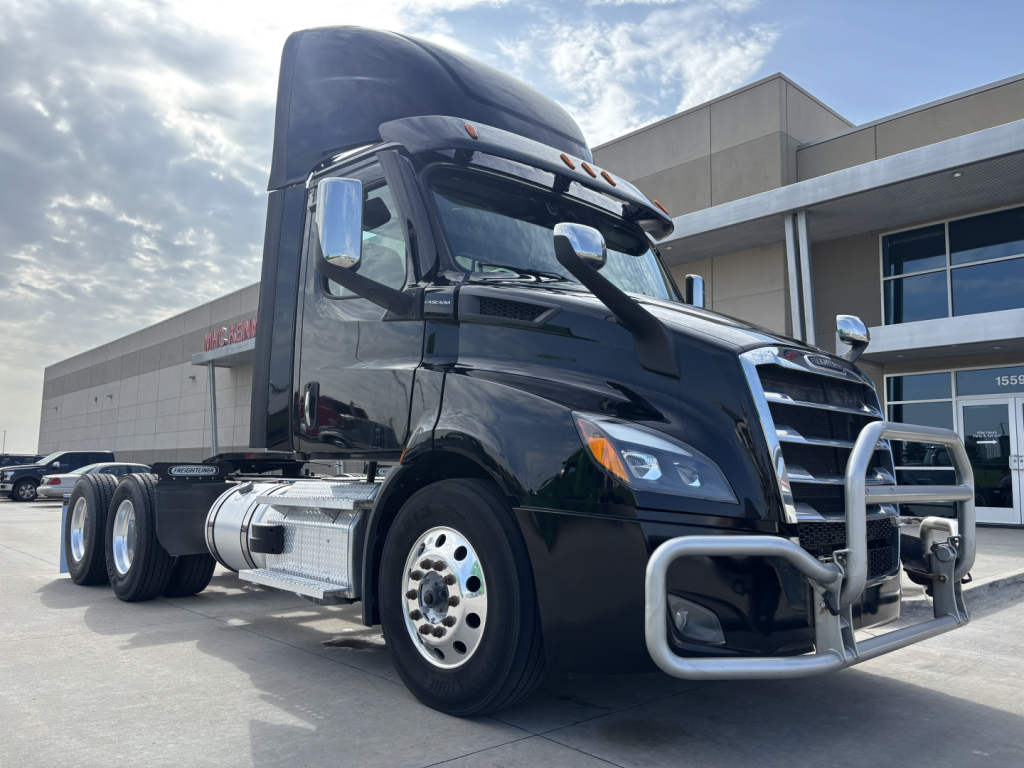
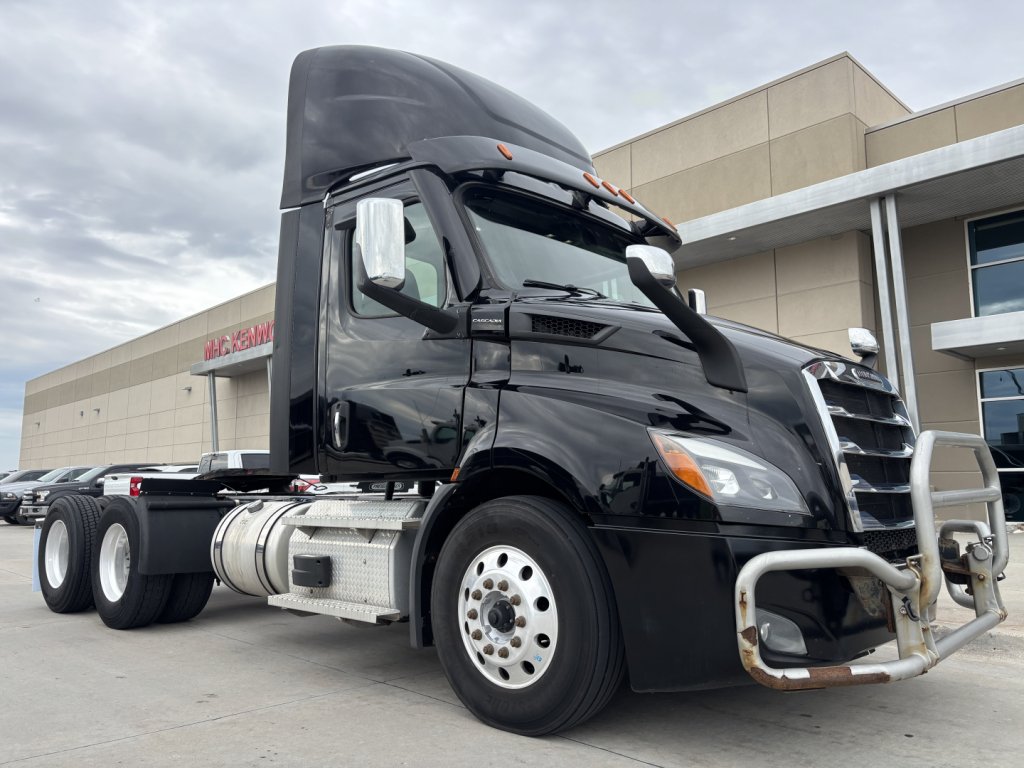
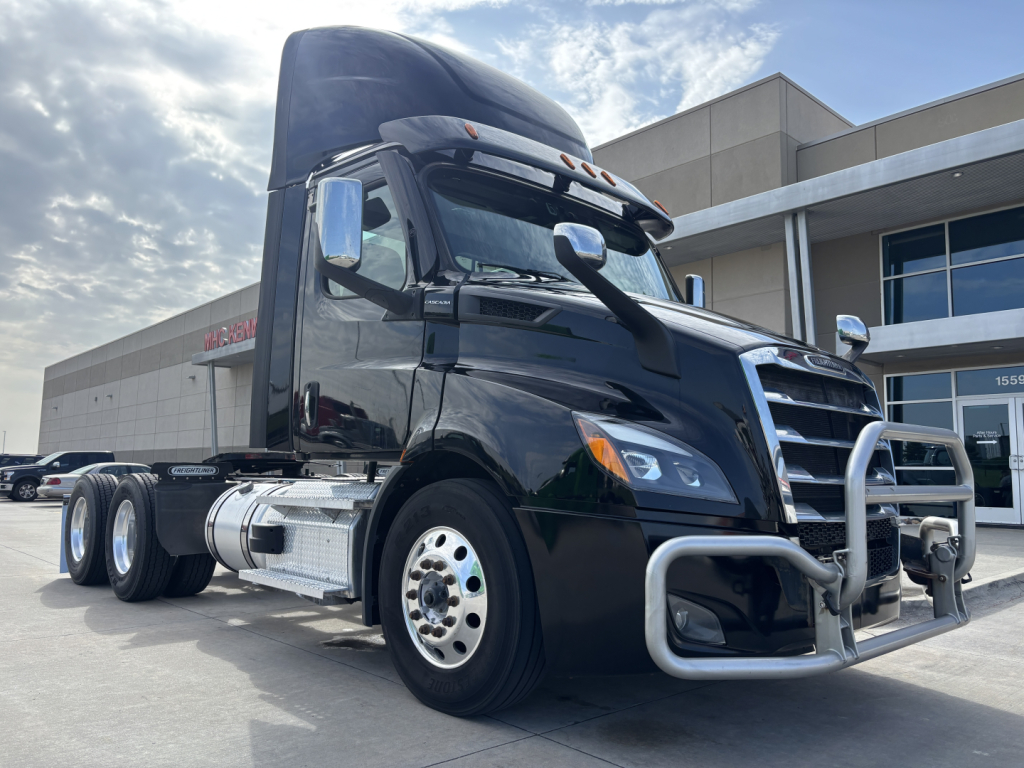
Have used freightliner conventional daycab truck to sell? List it here to reach thousands of buyers.
Used Freightliner Conventional Daycab Trucks in Nebraska
The first specs most buyers compare are engine, transmission, rear axle ratio, and wheelbase. Many used Freightliner daycabs are equipped with Detroit DD13 power in the mid-400 to 470 HP range, often paired with the DT12 automated manual transmission. That combination is common in fleet trucks because it supports fuel economy, consistent shifting, and easier driver onboarding. Rear axle ratings around 40,000 lbs and ratios such as 2.47, 3.07, or 3.08 tell you a lot about the truck's intended use. A taller ratio generally favors highway fuel mileage on regional runs, while the right wheelbase and fifth wheel slide setup help match the truck to trailer swing clearance, bridge law needs, and weight distribution.
On a used Freightliner conventional daycab, condition matters as much as spec. Buyers should look closely at brake type, suspension, tire size, fifth wheel wear, and signs of fleet maintenance history. Air ride suspension is common and helps with ride quality and trailer stability. Disc brakes are increasingly desirable for stopping performance and easier service access, while aluminum wheels, dual fuel tanks, and aerodynamic equipment like cab extenders or roof fairings can point to an efficiency-focused spec. Safety features such as collision mitigation systems also show up on newer Cascadia daycabs and can be important for fleets managing insurance, driver performance, and compliance.
Freightliner daycabs are also known as non-sleeper conventional trucks, and they are typically selected for operations that return to base daily. A buyer comparing used units should think beyond make and model year and focus on how the truck was geared and maintained for its previous assignment. A daycab built for short regional highway work may not be ideal for heavy start-stop vocational use, and a truck with a long wheelbase or highway ratio may not fit tighter yard or city routes. When the application is matched correctly, a used Freightliner conventional daycab can deliver strong operating economics, straightforward maintenance planning, and good resale strength in the secondary market.
Frequently Asked Questions about Used Freightliner Conventional Daycab Trucks in Nebraska
What is a Freightliner conventional daycab truck best used for?
A Freightliner conventional daycab is best suited for regional haul, local delivery, dedicated freight, port drayage, and other operations where the truck returns to base the same day. The non-sleeper layout reduces weight and overall length compared with a sleeper tractor, which can improve maneuverability and payload flexibility. Many fleets choose Freightliner daycabs for high-mileage daytime routes because they offer a comfortable cab, aerodynamic design, and widely supported drivetrain options.
What engine and transmission are common in used Freightliner daycabs?
Many used Freightliner daycab trucks, especially Cascadia models, are equipped with Detroit DD13 engines and DT12 automated manual transmissions. This is a common fleet specification because the DD13 provides a strong balance of horsepower, torque, and fuel efficiency for regional service, while the DT12 helps standardize shifting across drivers. Some buyers prefer this setup for lower training demands and more consistent fuel economy, though the right choice still depends on load, terrain, and duty cycle.
How important are rear axle ratio and wheelbase on a daycab?
Rear axle ratio and wheelbase are critical because they directly affect fuel economy, launch performance, trailer compatibility, and maneuverability. A ratio like 2.47 is generally aimed at fuel-efficient highway operation, while ratios around 3.07 or 3.08 may better support certain load and speed requirements. Wheelbase affects turning radius and bridge spacing, and it also needs to work with the fifth wheel position so the truck has proper trailer clearance and steer axle loading.
What should I inspect on a used Freightliner daycab before buying?
A buyer should inspect maintenance records, engine and aftertreatment history, transmission operation, brake condition, suspension wear, tire wear pattern, and fifth wheel condition. It is also smart to check for frame modifications, cab and hood damage, and signs of hard service such as excessive driveline play or uneven ride height. On newer trucks, verify that safety systems and electronic features are functioning properly, and confirm there are no unresolved fault codes or emissions-related issues.
Are Freightliner Cascadia daycabs a good fit for Nebraska operations?
Freightliner Cascadia daycabs are a strong fit for many Nebraska operations because they are commonly spec'd for highway and regional freight with a focus on efficiency and uptime. That makes them well suited for grain-related freight, warehouse distribution, manufacturing lanes, and other routes that mix interstate travel with regular terminal or customer stops. Their widespread use also helps with parts access, technician familiarity, and resale demand across the Midwest.