
Used 2017 Freightliner Conventional Daycab Trucks For Sale
Browse used 2017 Freightliner conventional daycab trucks with specs on DD13 engines, wheelbase, axle ratings, transmissions, and fleet-ready features.
Learn more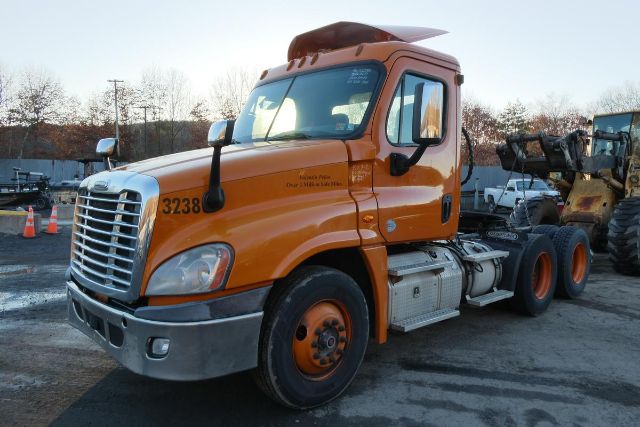
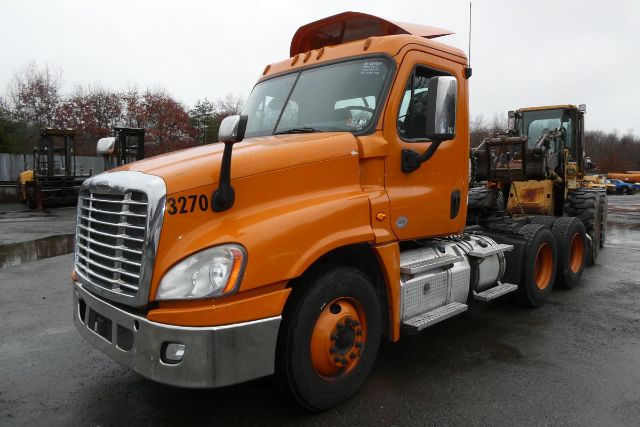
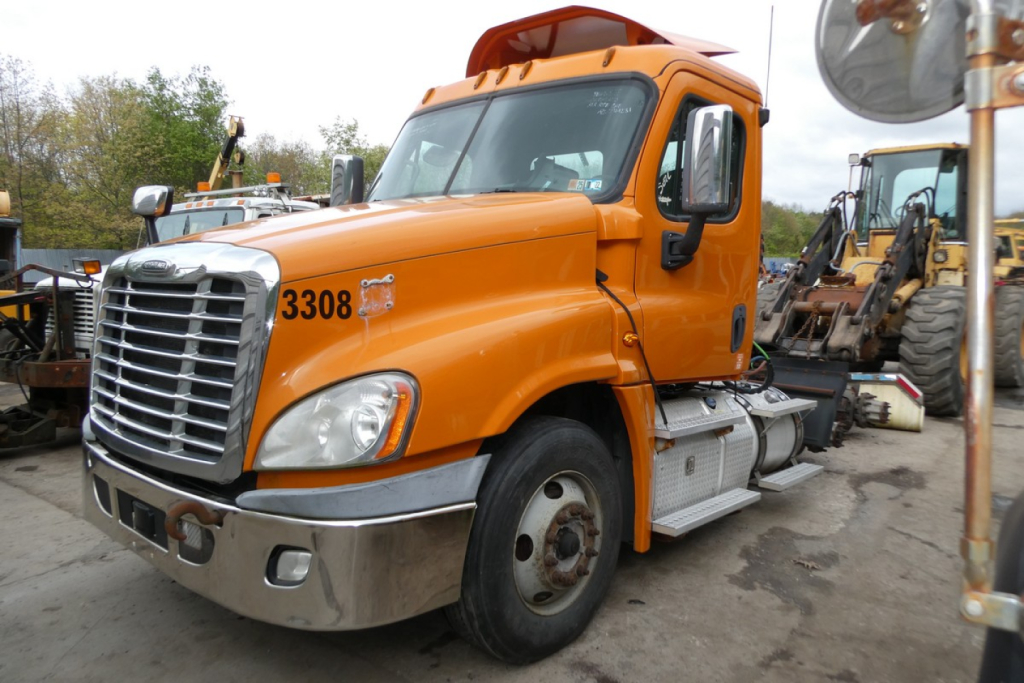
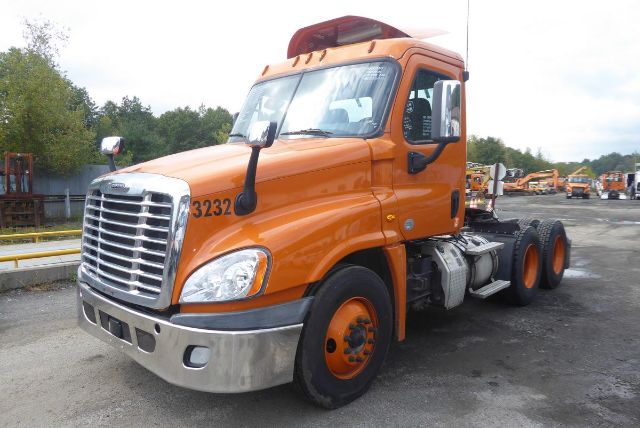
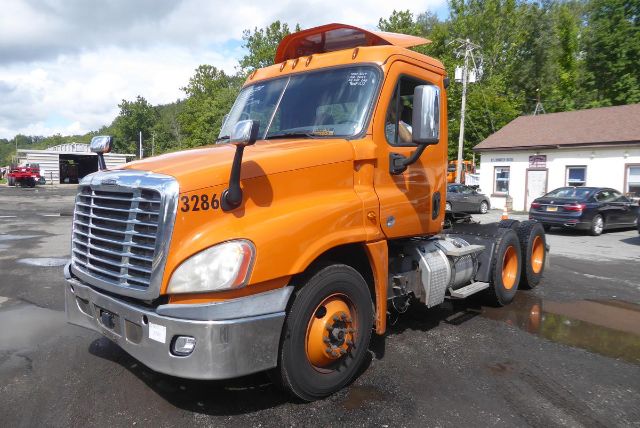
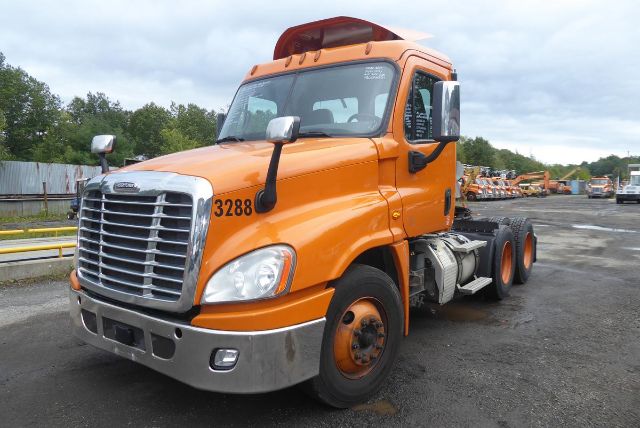
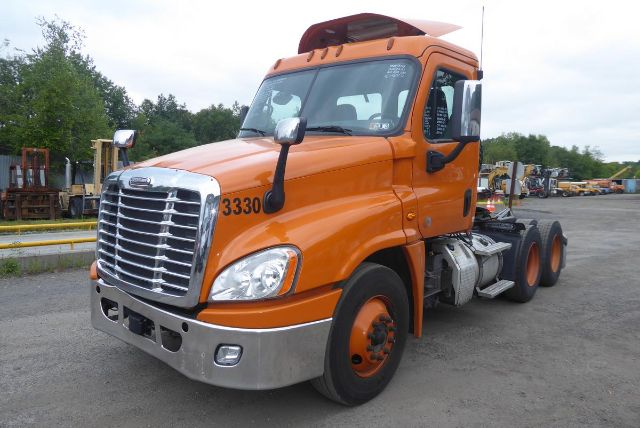
Showing 13 to 19 of 19 results
Have used 2017 freightliner conventional daycab truck to sell? List it here to reach thousands of buyers.
About Used 2017 Freightliner Conventional Daycab Trucks
Wheelbase, rear axle rating, and fifth wheel setup matter more than many buyers expect on a daycab. Shorter wheelbases around the mid-150s to 170s are easier in tight yards and city delivery environments, while longer wheelbases in the 180-inch range can improve ride quality and help with trailer gap and weight distribution. Tandem axle configurations are common, with 23,000 lb to 40,000 lb rears depending on the original application. Freightliner AirLiner suspension, air ride cabs, sliding or stationary fifth wheels, and disc or drum brake configurations are all worth comparing because they directly affect maneuverability, maintenance cost, and how well the truck fits your trailer pool.
For a 2017 used unit, emissions and drivetrain history deserve close attention. Freightliner daycabs from this period typically use SCR and DEF systems, so buyers should review fault codes, DPF service records, idle hours, and any history involving one-box replacement, sensors, injectors, or aftertreatment derates. Detroit DD13 engines are widely supported and generally well suited to regional service, but condition still comes down to maintenance discipline, engine hours, and prior duty cycle. Transmission calibration, clutch wear on manual units, and suspension component condition should be checked alongside kingpins, bushings, frame integrity, and brake wear. If the truck worked in urban stop-and-go service, that history can show up differently than in a linehaul fleet truck.
Cab spec also separates one 2017 Freightliner daycab from another. Look for practical features such as air ride seats, power windows, collision mitigation, engine brake, aluminum wheels, dual fuel tanks, and clean driver controls. A daycab should give you enough room, visibility, and ingress for repeated stops without adding unnecessary weight. Buyers comparing used 2017 Freightliner conventional daycab trucks should balance mileage with engine hours, verify ECM data against the odometer, and match axle ratio and transmission type to the actual route profile. The best fit is not just the cleanest truck. It is the one spec'd correctly for trailer type, gross combination weight, average trip length, and operating terrain.
Frequently Asked Questions
What engine and transmission combinations are common in a used 2017 Freightliner conventional daycab?
Most used 2017 Freightliner conventional daycab trucks are equipped with a Detroit DD13 engine, often in the 410 hp to 470 hp range. Common transmission choices include the Detroit DT12 automated manual and Eaton Fuller 10-speed manual gearboxes. The right combination depends on your operation. Automated transmissions are popular for fleet standardization, driver turnover, and urban or regional stop-and-go service, while manuals still appeal to buyers who want mechanical familiarity and lower upfront cost.
What wheelbase is best for a 2017 Freightliner daycab?
The best wheelbase depends on trailer length, loading pattern, and how tight your operating environment is. Shorter wheelbases improve maneuverability in ports, yards, and city routes, while longer wheelbases can improve ride quality and help with weight distribution on tandem axle tractors. Buyers should also account for fifth wheel position, bridge law requirements, and cab-to-axle measurement so the truck matches the trailer pool and state weight rules.
What should I inspect on a used 2017 Freightliner daycab before buying?
Start with ECM miles and engine hours, then compare that data to the odometer and service records. Check the aftertreatment system for DPF cleanings, SCR or DEF-related repairs, and any active or stored fault codes. Inspect suspension wear points, kingpins, frame rails, brake condition, clutch or transmission behavior, and signs of prior collision or corrosion. A pre-purchase inspection should also include oil analysis, coolant condition, tire wear pattern review, and a road test under load if possible.
Is a 2017 Freightliner conventional daycab a good choice for regional hauling?
Yes. A 2017 Freightliner conventional daycab is often a strong fit for regional freight because it combines aerodynamic design, good visibility, and a drivetrain commonly spec'd for fuel-conscious highway speeds. These trucks are frequently used for dry van, reefer, tanker, and intermodal work where drivers return regularly and do not need sleeper space. The key is choosing the correct axle ratio, horsepower rating, and wheelbase for the terrain and average gross weight.
How do axle ratio and rear axle rating affect a daycab's performance?
Axle ratio determines how the truck balances low-speed pulling power against highway fuel economy and cruising speed. A faster ratio can help reduce engine rpm on the road, while a deeper ratio may be better for heavier loads or more demanding start-and-stop work. Rear axle rating affects legal carrying capacity and durability under the intended duty cycle. A regional van tractor may be fine with lighter tandem ratings, but heavier applications often call for stronger rears and suspension packages.