
Used 2016 Freightliner Conventional Daycab Trucks For Sale in New York
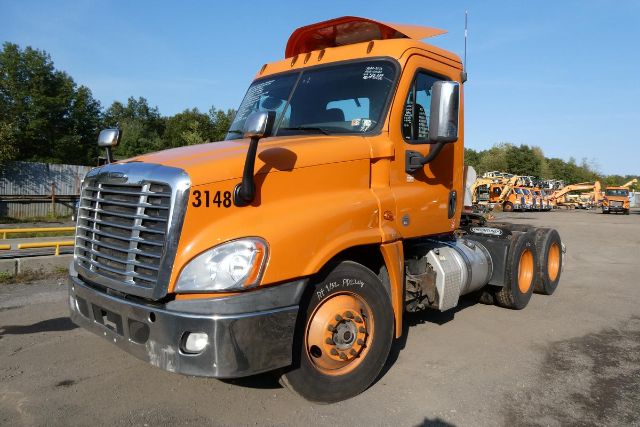
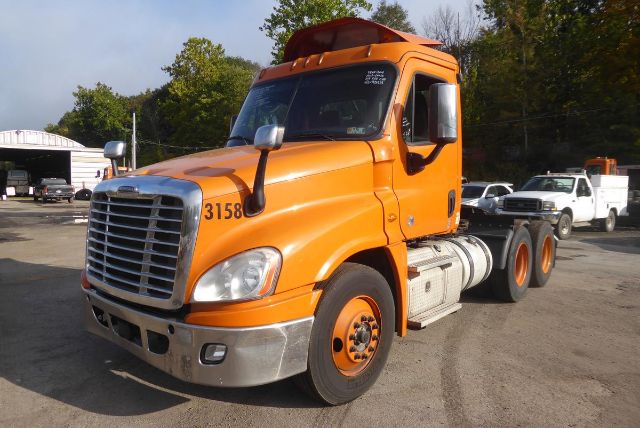
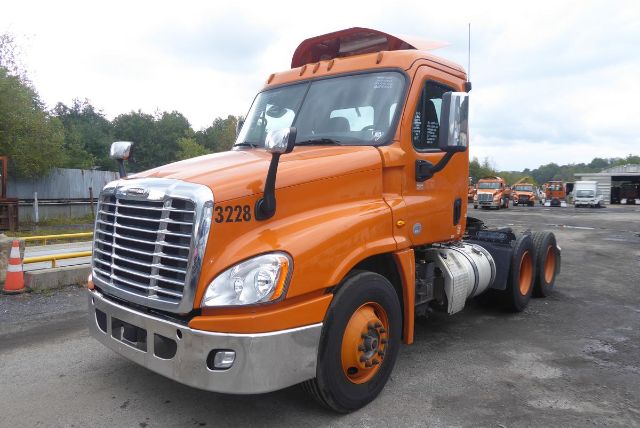
Shop used 2016 Freightliner conventional daycab trucks in New York. Compare Cascadia specs, DD13 power, wheelbase, axle ratings, and driveline options.
Learn more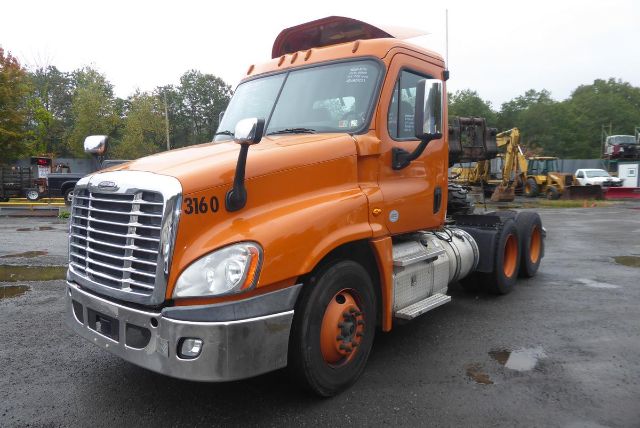
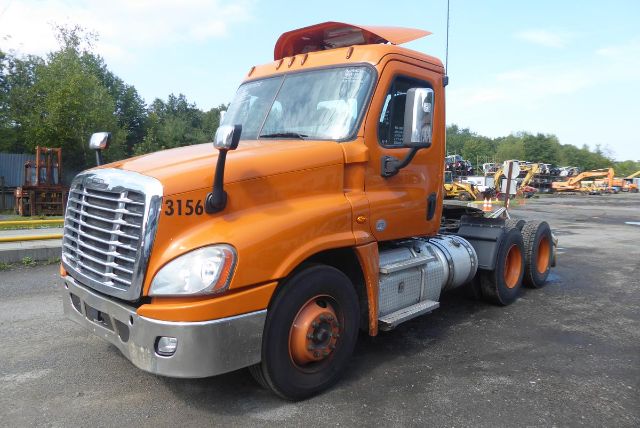
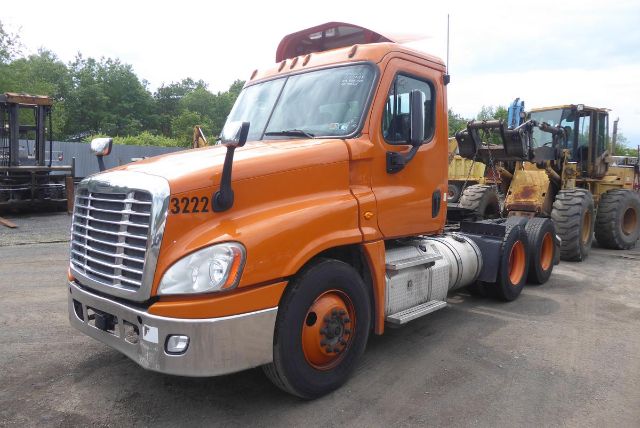
Showing 13 to 18 of 18 results
Have used 2016 freightliner conventional daycab truck to sell? List it here to reach thousands of buyers.
About Used 2016 Freightliner Conventional Daycab Trucks in New York
The main buying decisions in this category usually come down to axle rating, suspension, gearing, and fifth wheel setup. Common specs include 12,000 lb front axles, tandem rears around 40,000 lbs, Airliner air ride suspension, and 11R22.5 rubber on hub-piloted steel wheels. A 3.08 ratio is a common highway-friendly spec for fuel-conscious fleet work, while a 3.42 ratio may suit heavier starts, more stop-and-go use, or routes where gradeability matters more than top-end efficiency. Wheelbases around 170 to 185 inches are common on tandem-axle daycabs, while shorter single-axle daycab configurations can be attractive for tighter urban work. Buyers should also note whether the truck has an air slide fifth wheel, stationary fifth wheel, air to rear, or a pintle hook if the unit may be used for converter dolly or vocational pulling.
For a 2016 used Freightliner daycab, engine and emissions condition deserve a careful review. The DD13 is well known in fleet service, but on any used unit the important checkpoints are ECM miles and hours, idle time, maintenance records, injector and fuel system history, turbo condition, aftertreatment performance, and signs of low oil pressure or excessive blow-by. This year range often includes DEF-equipped emissions systems and electronic engine brakes, so a buyer should confirm fault code history, DPF service intervals, and whether the truck has been used mainly in steady regional service or in severe stop-start duty. On transmission choice, the DT12 automated manual can be a strong fit for route consistency and driver onboarding, while a Fuller or Eaton-Fuller 10-speed may appeal to buyers who prioritize simplicity, service familiarity, and lower replacement cost in some fleets.
Cab spec and chassis details matter just as much as the driveline. Many 2016 Freightliner conventional daycab trucks were ordered with air disc brakes, aerodynamic trim, and fleet-oriented interiors that are easy to keep in service. Check cab-to-axle and cab-to-end dimensions if body mounting, wet kit installation, or trailer clearance is part of the plan. Also inspect frame condition, crossmembers, suspension wear, steering play, and the fifth wheel rails for signs of heavy yard use or repeated trailer impact. A clean used Freightliner daycab with the right rear ratio, suspension rating, and transmission setup can be a very cost-effective tractor for regional freight, intermodal work, tanker, flatbed, or local delivery operations.
Frequently Asked Questions
What engine is most common in a used 2016 Freightliner conventional daycab?
The most common engine in a 2016 Freightliner conventional daycab is the Detroit DD13. It is a 12.8L platform widely used in regional and highway fleet service, typically rated in horsepower bands that suit fuel economy and daily drivability. Buyers should verify actual horsepower and torque programming, then compare ECM miles, engine hours, idle percentage, and maintenance history to understand true wear. On a used truck, condition matters more than advertised rating.
Is a DT12 automated manual or a 10-speed manual better in a 2016 Freightliner daycab?
It depends on the application and maintenance strategy. The DT12 automated manual is popular in fleet service because it helps standardize driver performance, reduce shift-related wear, and improve route consistency. A 10-speed manual can still be a strong choice for buyers who want a simpler driveline, broad service familiarity, and more direct driver control. The better option is the one that matches your drivers, shop capability, traffic conditions, and total operating cost targets.
What rear axle ratio should I look for in a Freightliner daycab?
A 3.08 ratio is commonly chosen for regional highway work where fuel economy and lower cruise rpm are priorities. A 3.42 ratio can make more sense for heavier loads, more frequent starts, tighter routes, or operations with more grade changes. Buyers should match the ratio to tire size, transmission type, average gross combination weight, and road speed expectations. The right ratio has a direct effect on fuel burn, launch feel, and driver satisfaction.
What should I inspect first on a used 2016 Freightliner daycab in New York service?
Start with emissions and drivetrain condition, then move to chassis wear. Review fault codes, DPF and DEF system history, turbo response, oil pressure behavior, coolant condition, and signs of excessive idle-related wear. After that, inspect suspension bushings, airbags, brakes, wheel ends, frame rails, steering components, and fifth wheel movement. In New York and other high-traffic, stop-start environments, local service can accelerate brake, suspension, and clutch or transmission wear, so usage history is important.
What applications fit a conventional daycab better than a sleeper tractor?
A conventional daycab is better suited to operations where the truck returns regularly, driver access is frequent, and maneuverability matters. Common applications include regional haul, drayage, local container work, dedicated fleet routes, tanker, flatbed, dump trailer pulling, and terminal shuttles. Without sleeper weight and length, a daycab can offer easier urban handling and more payload flexibility, provided the wheelbase and axle spec fit the work.