
2023 Conventional Daycab Trucks For Sale in Iowa
Compare 2023 conventional daycab trucks for sale in Iowa by gearing, axle ratings, emissions history, and winter corrosion before choosing a tractor.
Selling a 2023 conventional daycab truck? List your 2023 conventional daycab truck for sale and reach thousands of commercial buyers.
2023 Conventional Daycab Trucks in Iowa
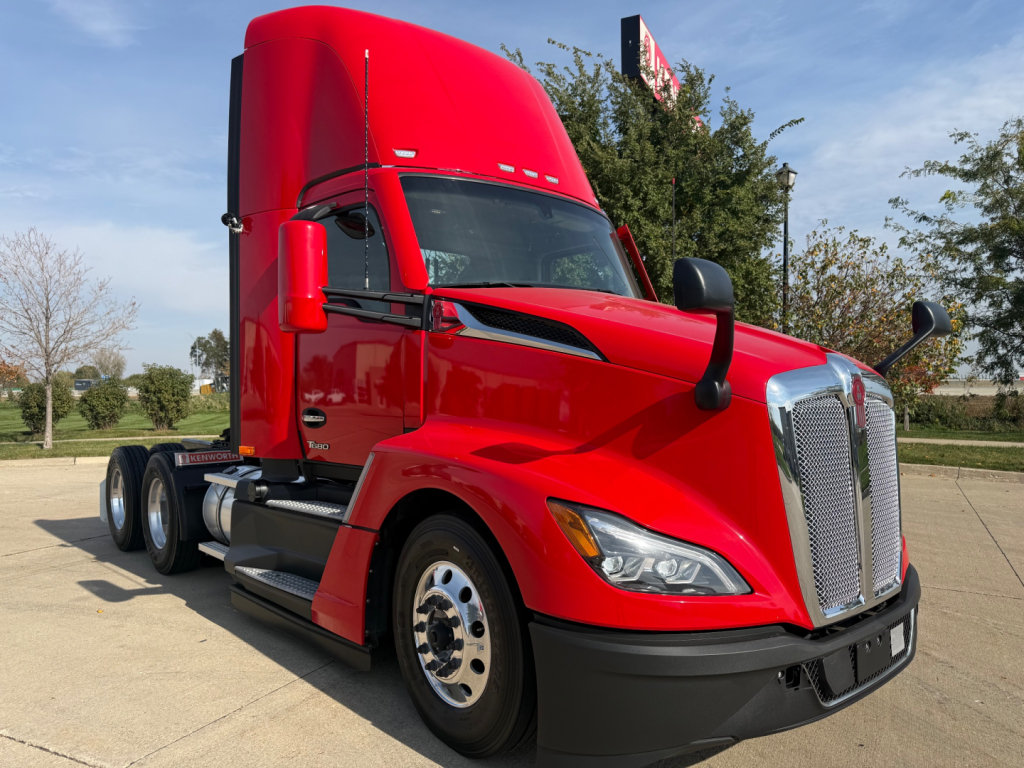
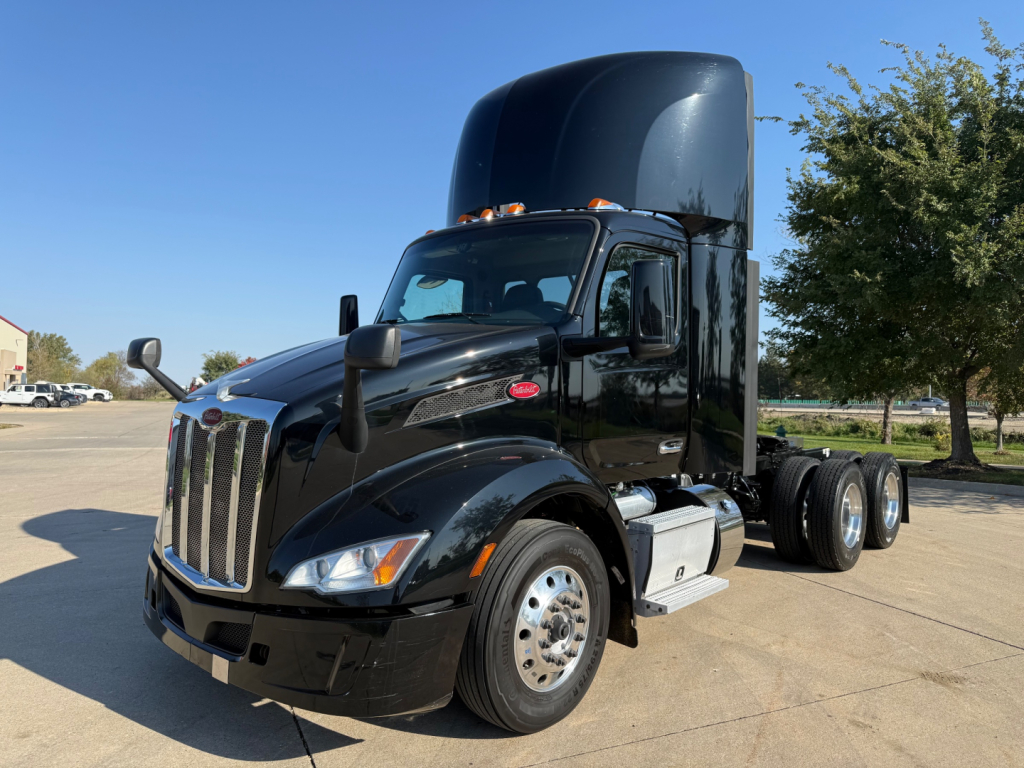
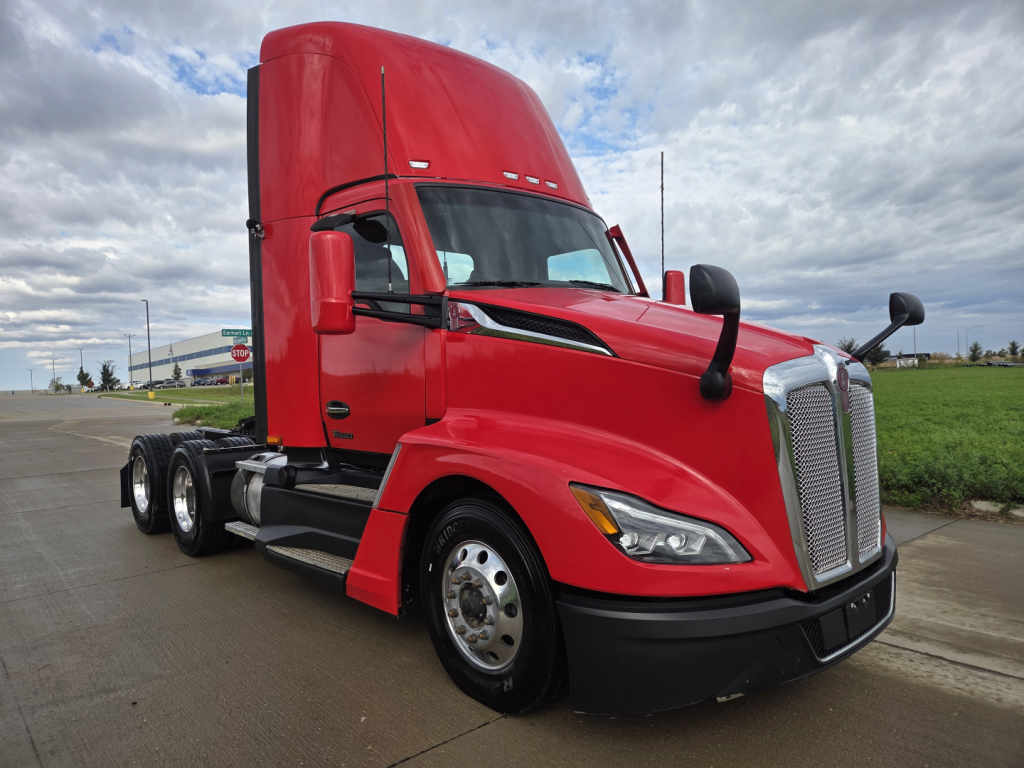
The 2023 model year includes the newer-generation Kenworth T680 and redesigned Peterbilt 579, although equipment packages vary by build. Both model lines commonly use PACCAR MX-13 or Cummins X15 engines. Freightliner Cascadia day cabs commonly pair Detroit engines with the DT12 automated transmission. These diesel tractors use DPF filtration and SCR with DEF, so verify the engine emissions label and original configuration rather than assuming every 2023 chassis has identical hardware.
A 12,000-pound steer axle and 40,000-pound rear tandem are familiar regional-haul specifications, not a guarantee that the tractor can legally carry any particular load. Tire capacity, axle spacing, fifth-wheel position, and the loaded trailer determine usable weight distribution. Compare wheelbase against elevator entrances and tight loading areas, but leave adequate trailer clearance. Larger fuel tanks extend range while adding tare weight, and differential locks deserve attention where loaded trucks leave paved approaches for gravel yards or farm lanes.
Road salt makes the underside inspection particularly important on a used Iowa tractor. Examine frame crossmembers, suspension brackets, air tanks, brake plumbing, and electrical connectors rather than judging corrosion from the cab exterior. Match odometer readings with ECM mileage, engine hours, idle time, and maintenance records. Request fault-code and regeneration histories, plus documentation of DPF cleaning or replacement. A cold start helps expose weak batteries, air leaks, coolant seepage, and starting problems that a warmed-up demonstration can hide.
For a new, untitled 2023 day cab, use the as-built order sheet to confirm gearing, PTO provisions, axle ratings, and trailer connections before purchase; major specification changes can be difficult after assembly. Check storage-related tire deterioration, battery condition, fluid service requirements, and open recalls even when mileage is low. Verify the warranty start date and the separate terms for engine, aftertreatment, transmission, and chassis coverage. Used buyers should confirm any remaining coverage is transferable. Qualifying new heavy tractors are subject to the 12% federal excise tax, which belongs in the acquisition budget.
Frequently Asked Questions about 2023 Conventional Daycab Trucks in Iowa
How much weight can a 2023 day cab tractor legally haul in Iowa?
An ordinary five-axle day cab tractor-trailer combination on Iowa Interstate highways is generally limited to 80,000 pounds gross without an applicable permit or exemption. Federal bridge-formula requirements and axle limits still apply, including the usual 34,000-pound tandem limit. Tractor horsepower does not establish legal payload. Iowa harvest allowances do not automatically authorize overweight Interstate travel, so verify the complete route, axle spacing, registered weight, and equipment ratings.
Is a 2.64 rear axle ratio suitable for hauling grain in Iowa?
Transmission gearing and tire size determine whether a 2.64 rear axle ratio suits an Iowa grain-hauling day cab. The same axle ratio can produce different cruising RPM and starting performance with direct-drive versus overdrive transmissions. Check the transmission's lowest gear, approved gross combination weight, and startability for loaded farm approaches. A highway-oriented specification should not be judged by axle ratio alone when slow maneuvering and soft surfaces are routine.
How should I test the automated transmission in a used 2023 day cab?
A loaded road test and a manufacturer-compatible diagnostic scan are the strongest checks of a used 2023 day cab's automated transmission. Test forward and reverse engagement, low-speed backing, hill starts, and shifts after the drivetrain reaches operating temperature. Request clutch-wear or adaptation data where supported, along with fault history and service records. Harsh engagement can involve clutch calibration, software, air supply, or driveline wear rather than an internal transmission failure.
Does a day cab need a wet kit to pull a grain trailer?
A conventional hopper-bottom grain trailer with gravity discharge normally does not require a tractor wet kit. Hydraulic dump trailers and many belt or walking-floor trailers require hydraulic power unless they have a suitable independent power source. For a 2023 day cab assigned to those trailers, match PTO compatibility, pump flow, operating pressure, reservoir capacity, and hydraulic plumbing to the trailer manufacturer's requirements rather than assuming any wet kit will work.