
2023 Conventional Daycab Trucks For Sale in Colorado
Compare 2023 conventional daycab trucks for sale in Colorado. Assess mountain gearing, emissions history, axle ratings, and warranty coverage.
Selling a 2023 conventional daycab truck? List your 2023 conventional daycab truck for sale and reach thousands of commercial buyers.
2023 Conventional Daycab Trucks in Colorado
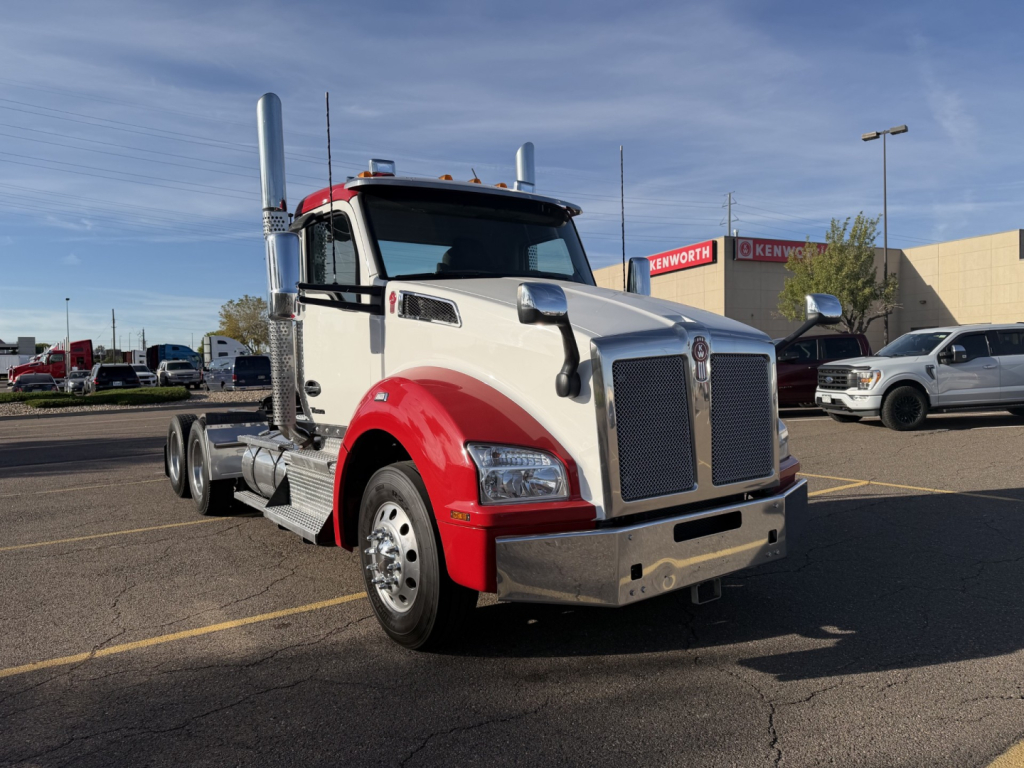
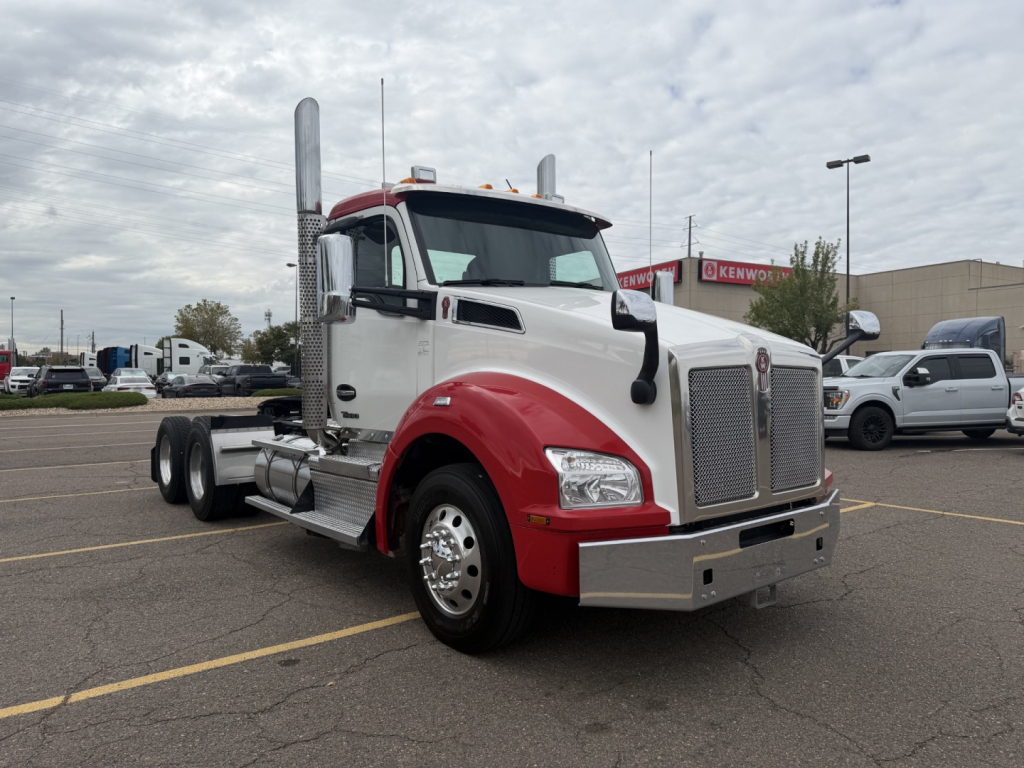
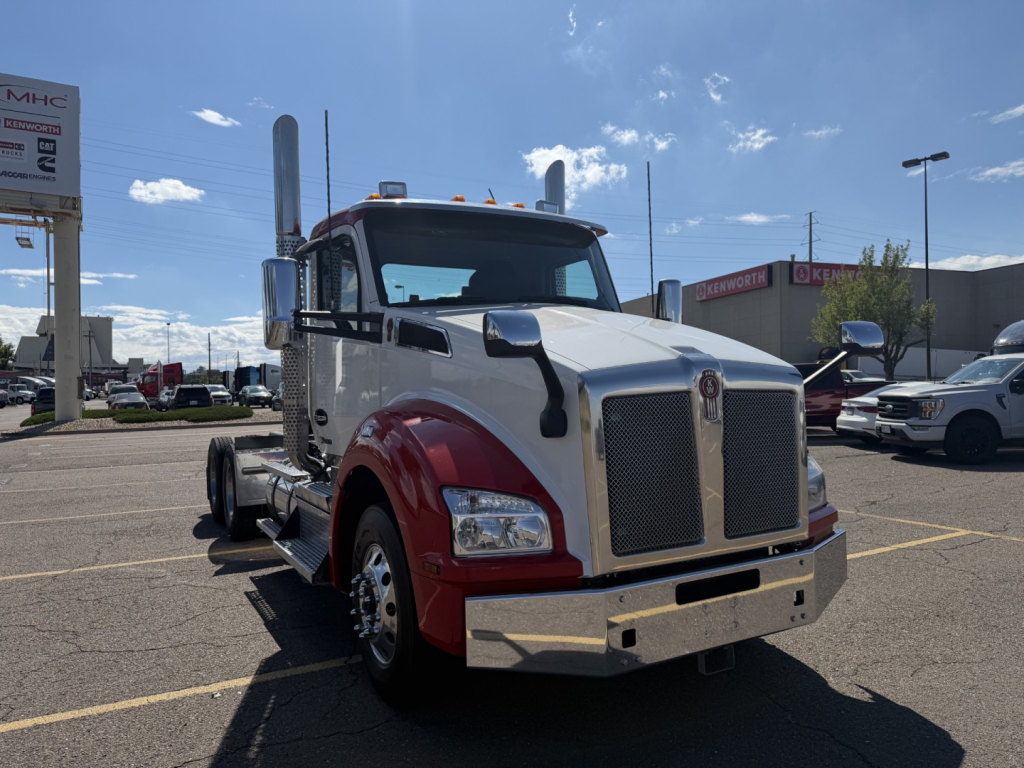
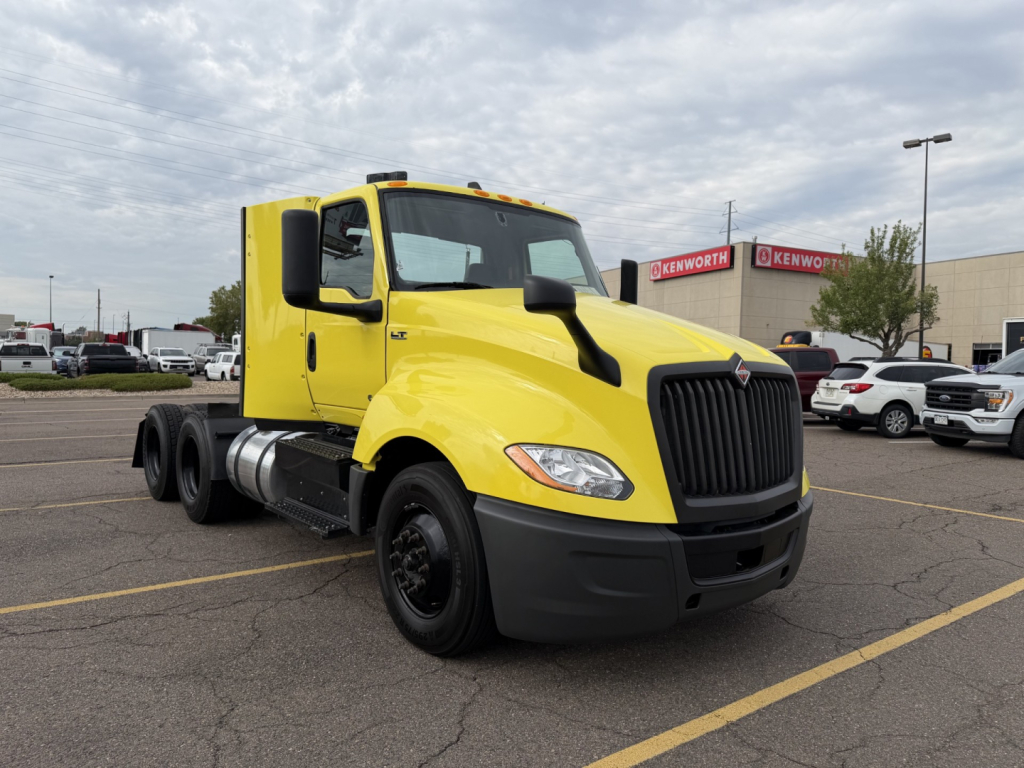
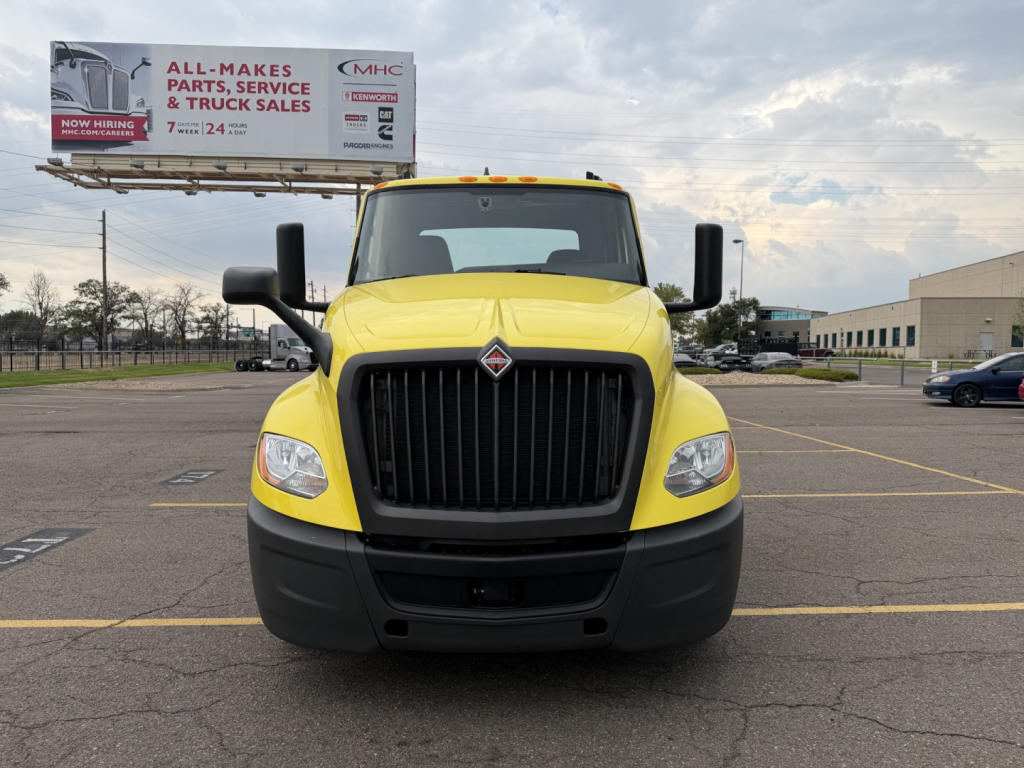
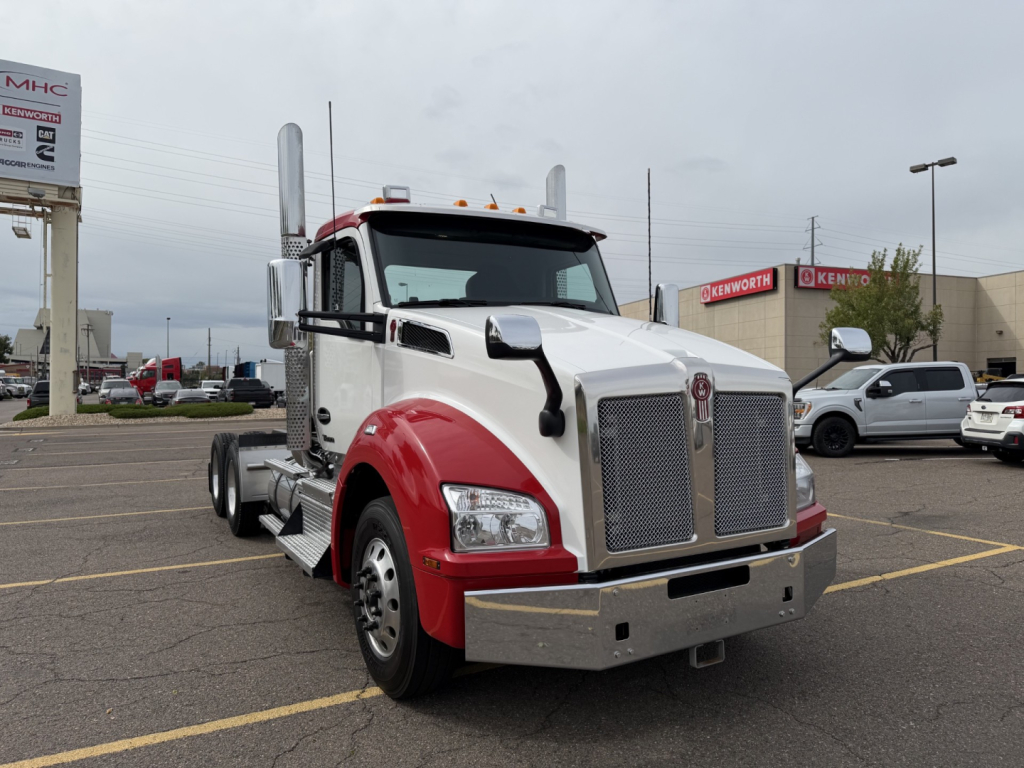
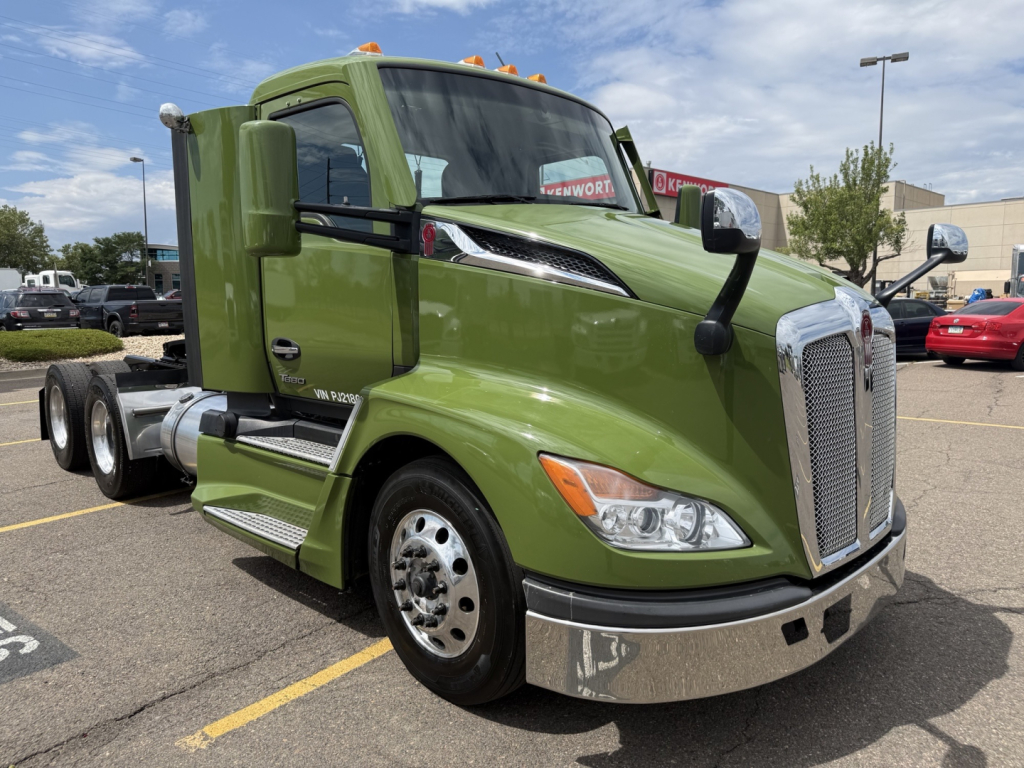
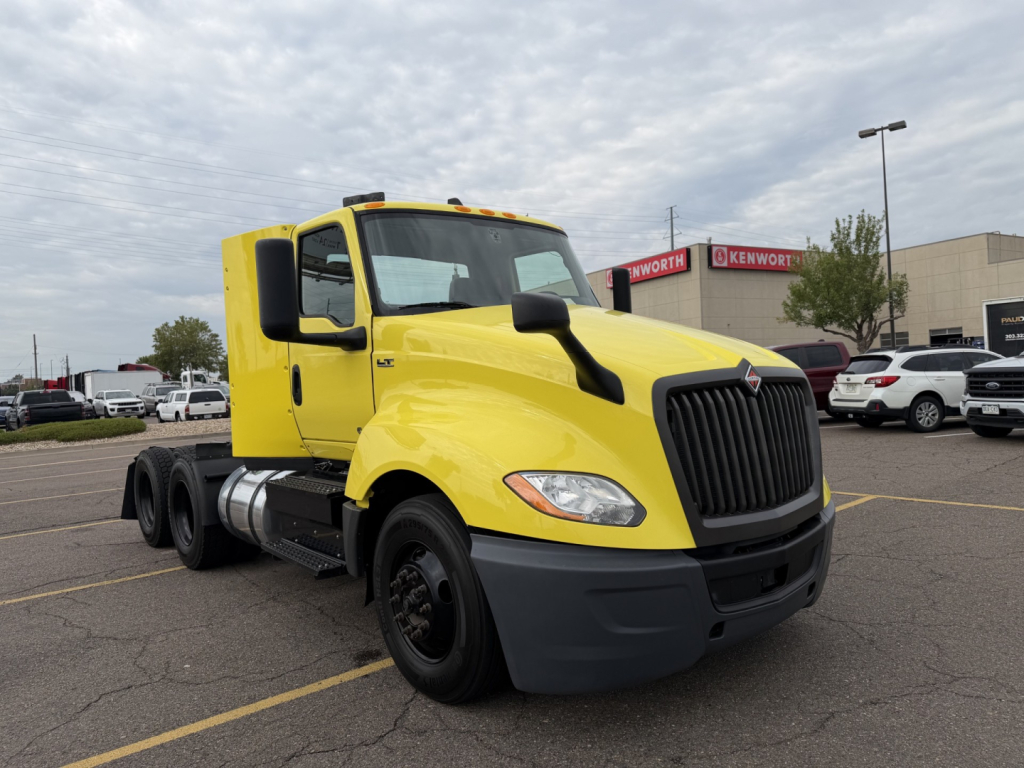
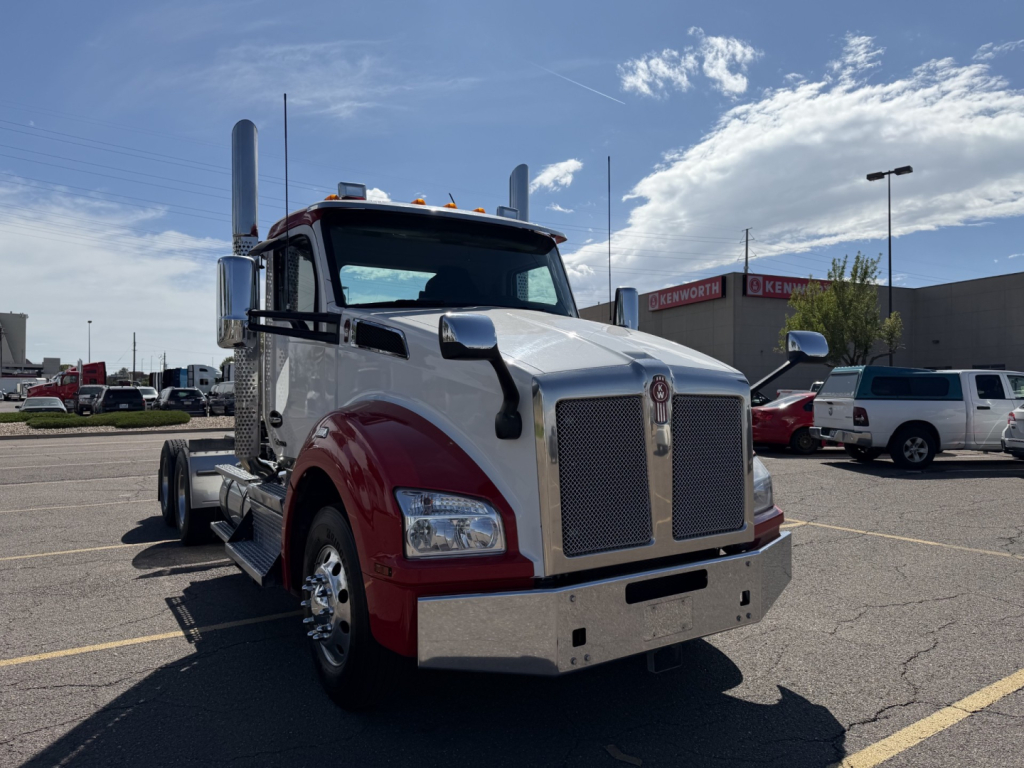
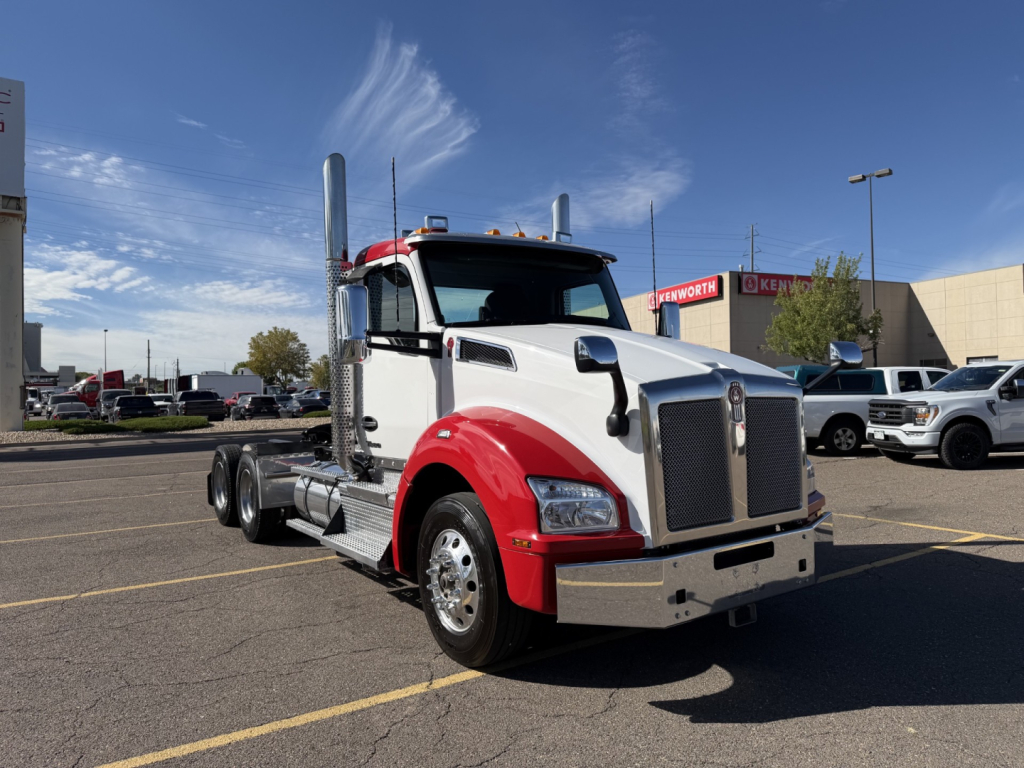
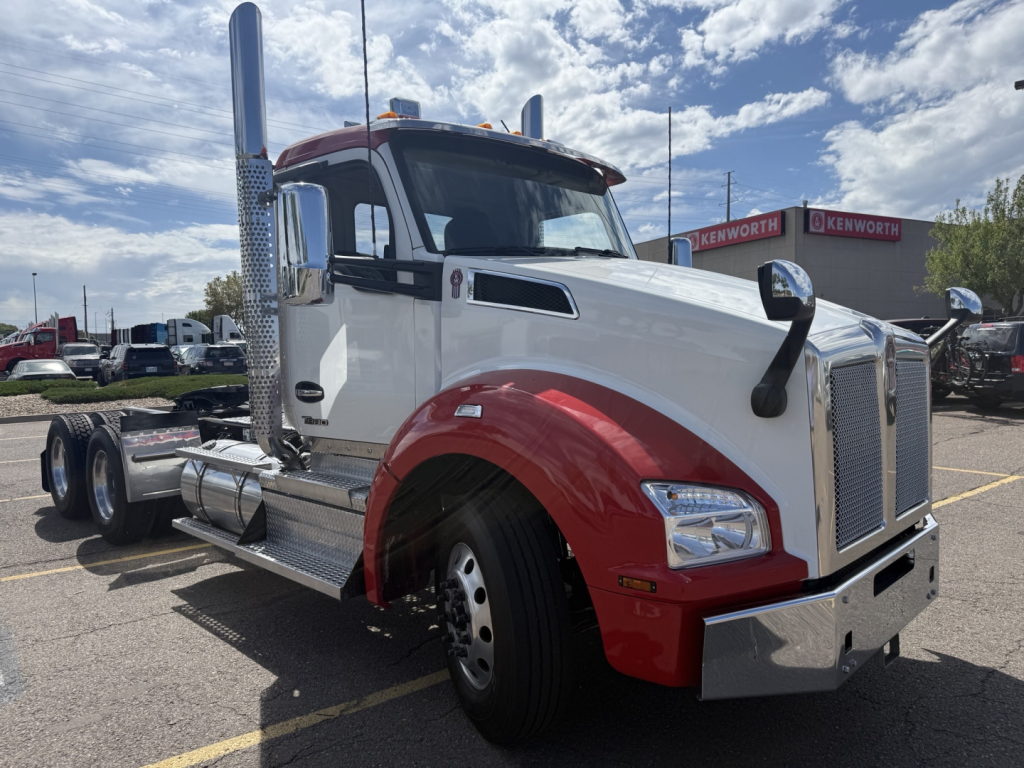
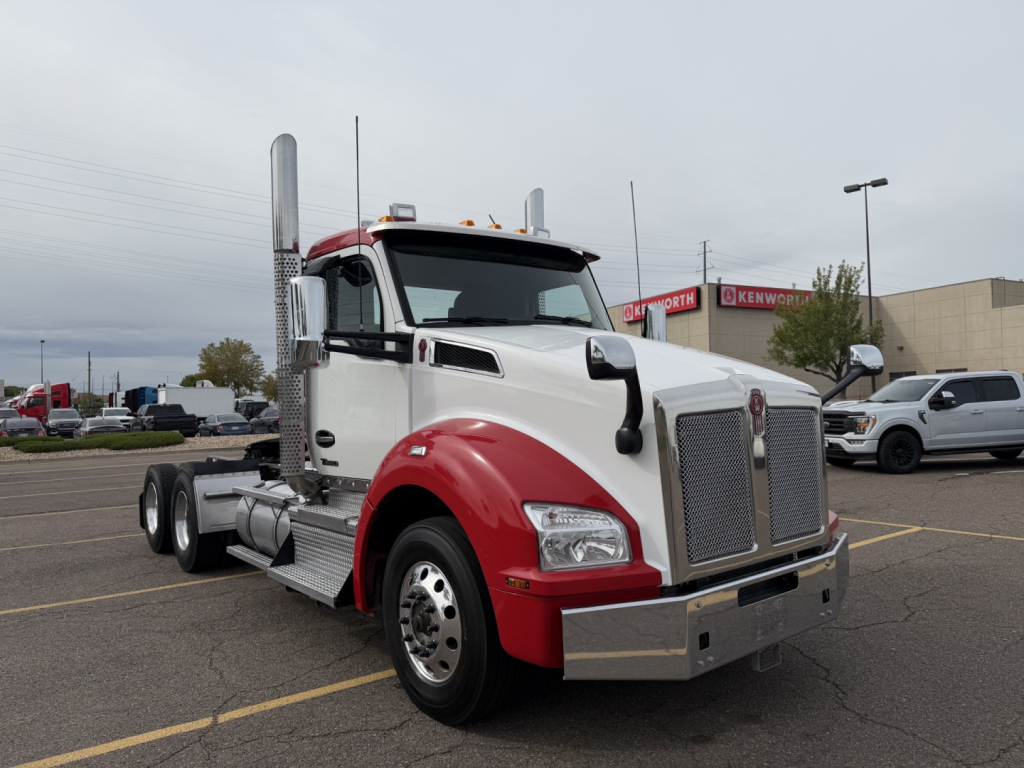
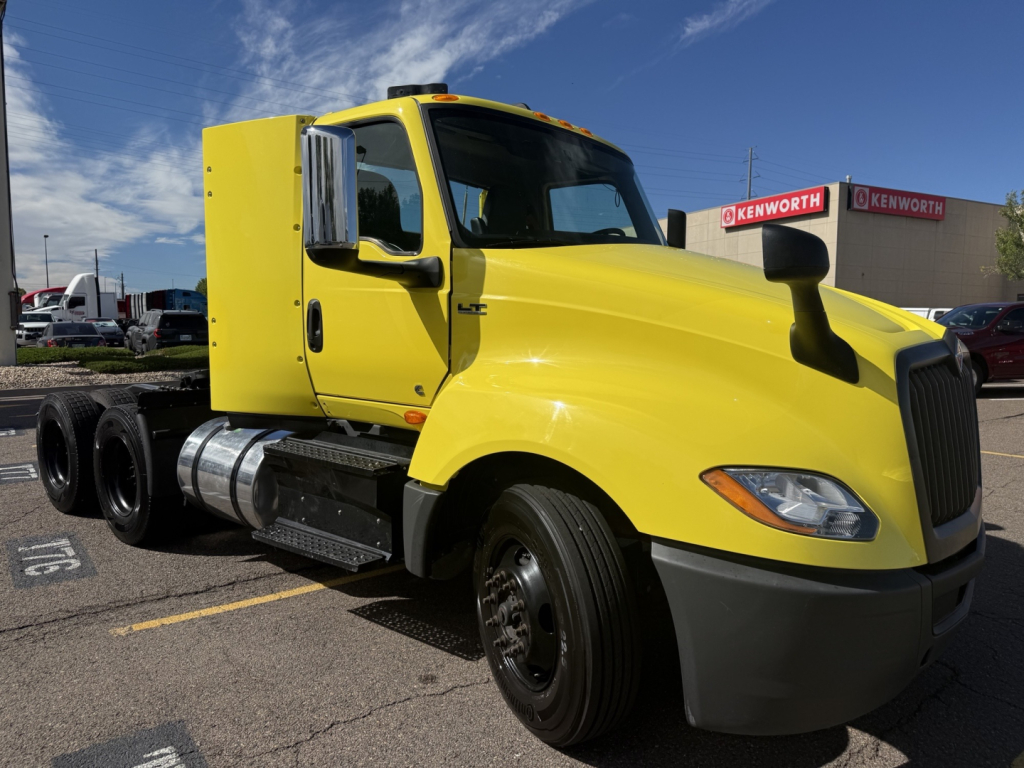
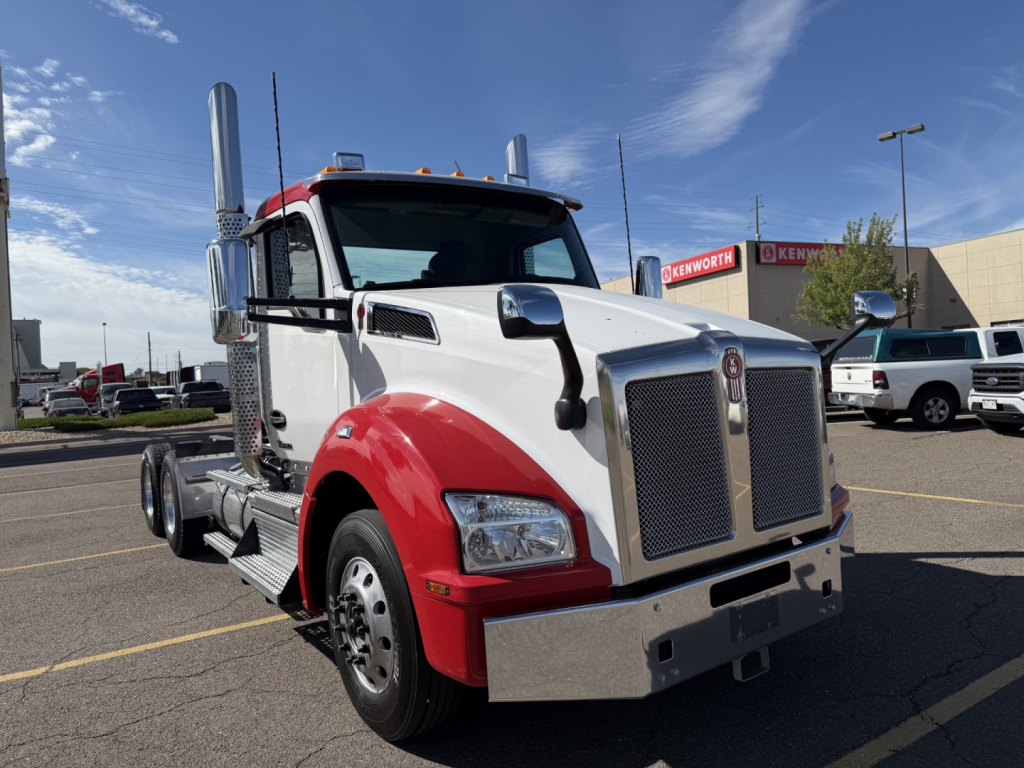
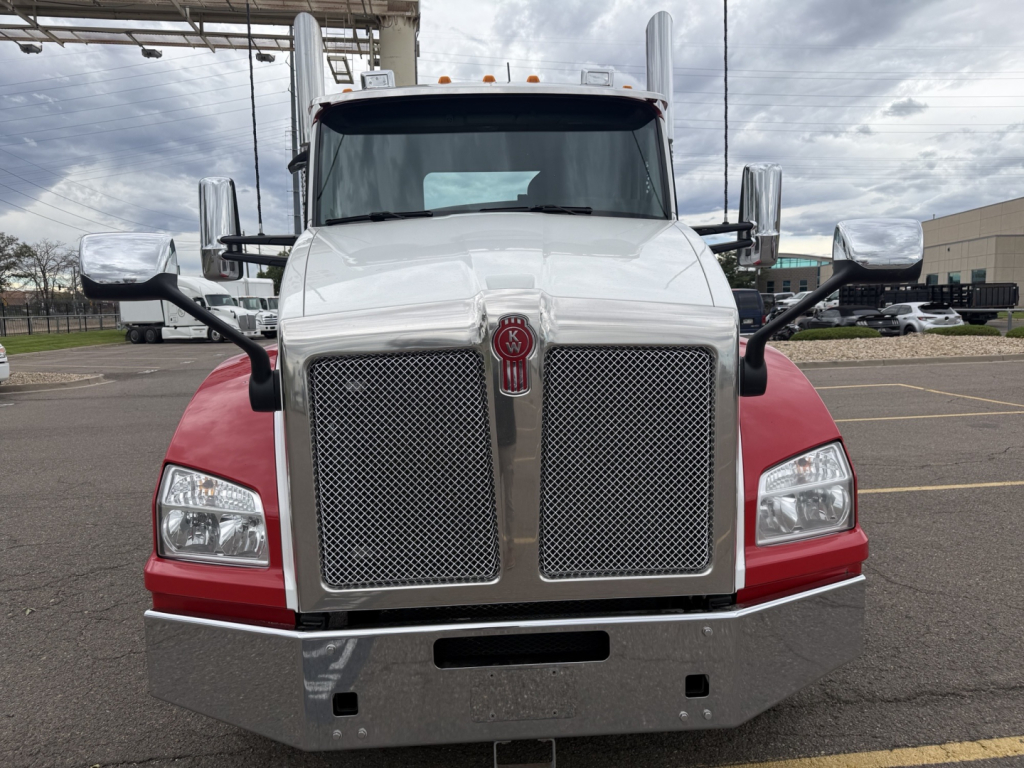
Match the chassis family to the trailer and operating surface. Kenworth T880 configurations suit vocational hauling, with PACCAR MX-13 or Cummins X15 power; International LT models with Cummins X15 engines and Freightliner Cascadia models with Detroit power suit paved regional freight. Engine availability and ratings vary by build. An automated transmission and highway-oriented axle ratio can reduce cruising rpm, but mountain work also requires adequate startability and controlled downhill operation. Check transmission ratios, engine-brake capability, wheelbase, fifth-wheel travel, and trailer swing clearance rather than selecting by horsepower alone.
The 2023 diesel generation uses diesel particulate filters, SCR, and DEF and falls within the federal Phase 2 greenhouse-gas standards era. Verify the engine certification label and build sheet rather than assuming the chassis year identifies every powertrain detail. For a used truck, obtain ECM mileage, total hours, idle hours, fault history, and available regeneration records. Review DPF cleaning documentation and investigate recurring NOx-sensor, DEF-dosing, or derate complaints. A cold start and loaded road test should expose cooling problems, boost leaks, shifting faults, and weak engine-brake performance.
Colorado winter service warrants close inspection of frame corrosion, electrical connectors, brake hardware, air dryers, and coolant protection. Magnesium-chloride exposure can damage trucks despite otherwise clean bodywork. Confirm drive-tire suitability, differential-lock operation, and space for required traction equipment. A 12,000-pound steer axle and 40,000-pound drive tandem do not establish legal combination weight; trailer ratings, axle spacing, and route restrictions remain separate checks.
For a new, unused 2023 day cab, treat storage history as an inspection item: check batteries, tire dates, fluid condition, seals, and DEF quality. Verify the original specifications, warranty activation date, and coverage for the engine, transmission, and aftertreatment separately. Qualifying new heavy trucks sold at retail in the United States are generally subject to 12% federal excise tax; confirm its treatment before purchase. Used buyers should verify any remaining warranty and transfer requirements in writing. PTO-driven work also requires the correct transmission provisions, hydraulic capacity, and chassis clearance, not merely a dashboard PTO switch.
Frequently Asked Questions about 2023 Conventional Daycab Trucks in Colorado
Is a 2.64 or 3.08 axle ratio better for a 2023 day cab in Colorado?
A 3.08 axle ratio provides more gear reduction than a 2.64 ratio when transmission gearing and tire size are identical. That can help a Colorado day cab start heavy loads, while a 2.64 ratio can support lower highway cruising rpm. Compare the complete drivetrain, including first gear, top gear, tire revolutions per mile, and engine torque. Ask for a startability and gradeability assessment using the intended gross combination weight.
When does a Colorado day cab have to carry tire chains?
Colorado's seasonal chain-carry requirement applies to qualifying commercial day cabs even when pavement is dry. Commercial vehicles over 16,000 pounds GVWR must carry chains on I-70 between Dotsero and Morrison from September 1 through May 31. Additional mountain highways are covered, and active restrictions can require installation rather than carriage alone. Verify current CDOT requirements, approved traction devices, and drive-axle fitment before assigning a truck to a mountain route.
Can a 2023 day cab run a wet kit for an end-dump trailer?
A 2023 day cab can operate an end-dump wet kit when the transmission supports the required PTO and the hydraulic system matches the trailer. Confirm PTO compatibility, pump flow, operating pressure, reservoir capacity, and return plumbing with the trailer and hydraulic-system manufacturers. Automated transmissions can require specific controls and programming. Check space between the cab and fifth wheel for the tank, hoses, and trailer movement before planning installation.
Does an unused 2023 day cab automatically have a full factory warranty?
An unused 2023 day cab does not automatically have a full factory warranty remaining. Coverage follows the manufacturer's recorded warranty start date and contract terms, not simply the model year or odometer reading. Obtain a manufacturer-backed coverage report showing time and mileage limits, exclusions, and any transfer requirements. Confirm whether storage deterioration, batteries, tires, and auxiliary equipment are covered, since those items can have separate terms.
How should I inspect a 12-speed automated transmission in a used 2023 day cab?
A loaded road test and transmission diagnostic report are the strongest checks for a used 2023 day cab's 12-speed automated transmission. Review clutch-wear data where supported, calibration status, stored faults, and actuator history. Test forward and reverse engagement, low-speed maneuvering, hill starts, and shifts after the drivetrain reaches operating temperature. Repeated shudder, delayed engagement, or fault-related gear restrictions require diagnosis before purchase; normal automated-manual behavior should not be confused with a defect.