
2020 Conventional Daycab Trucks For Sale in North Carolina
Shop 2020 conventional daycab trucks in North Carolina. Compare specs, wheelbase, axle setup, engine, transmission, and fifth wheel options.
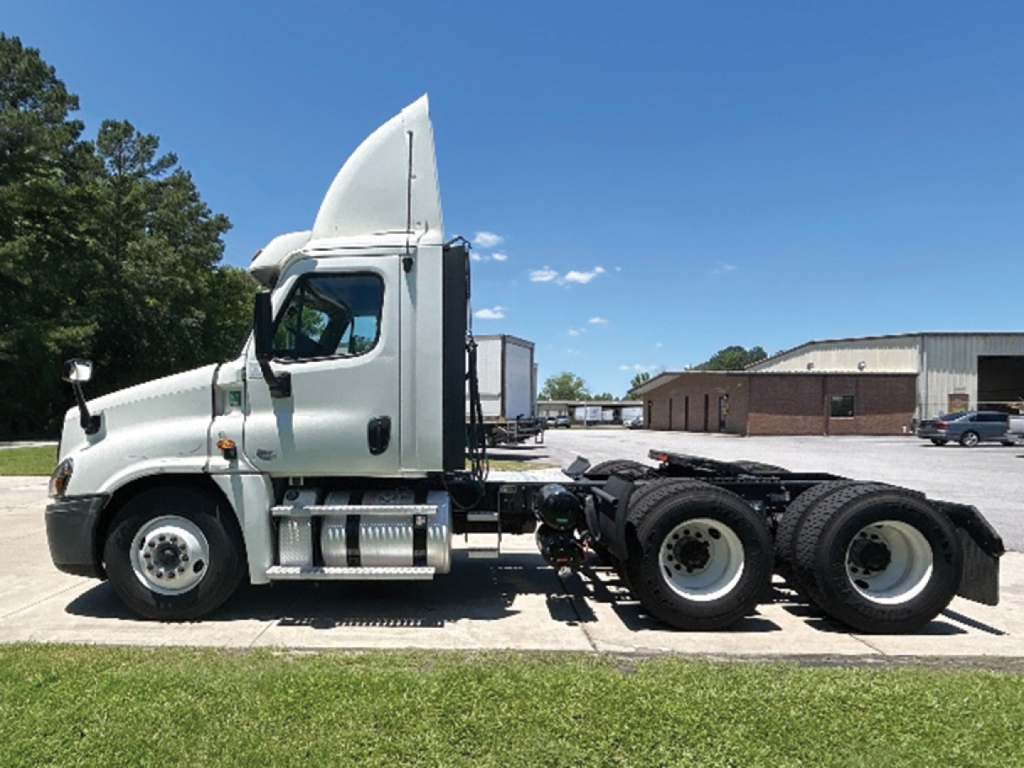
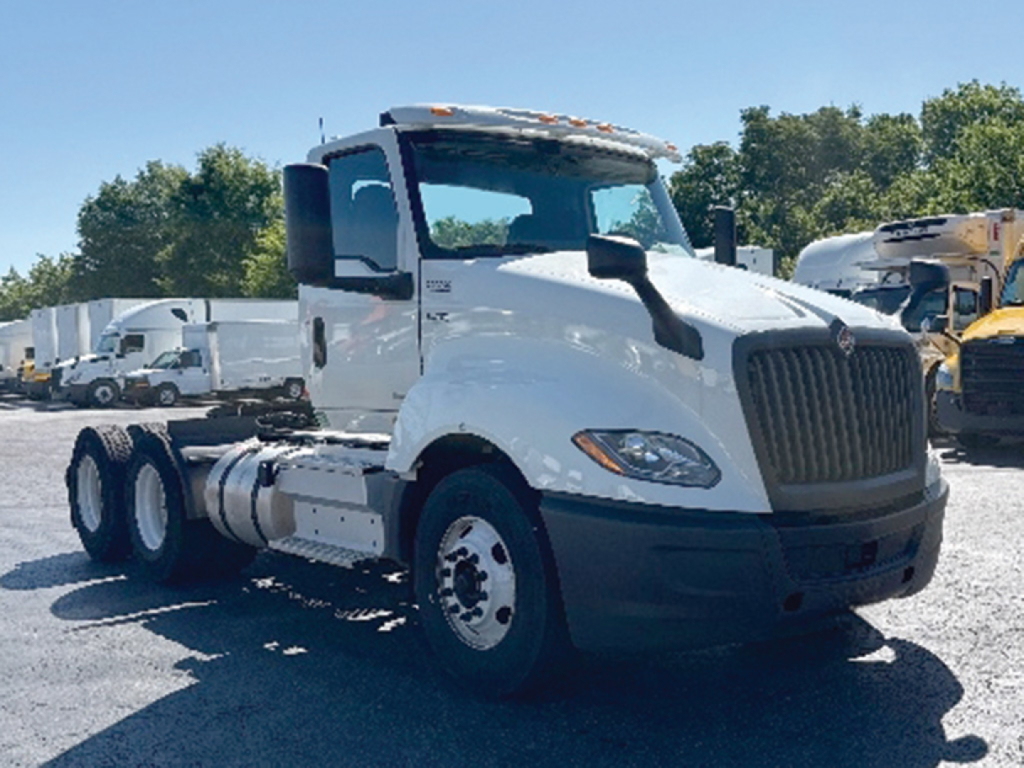
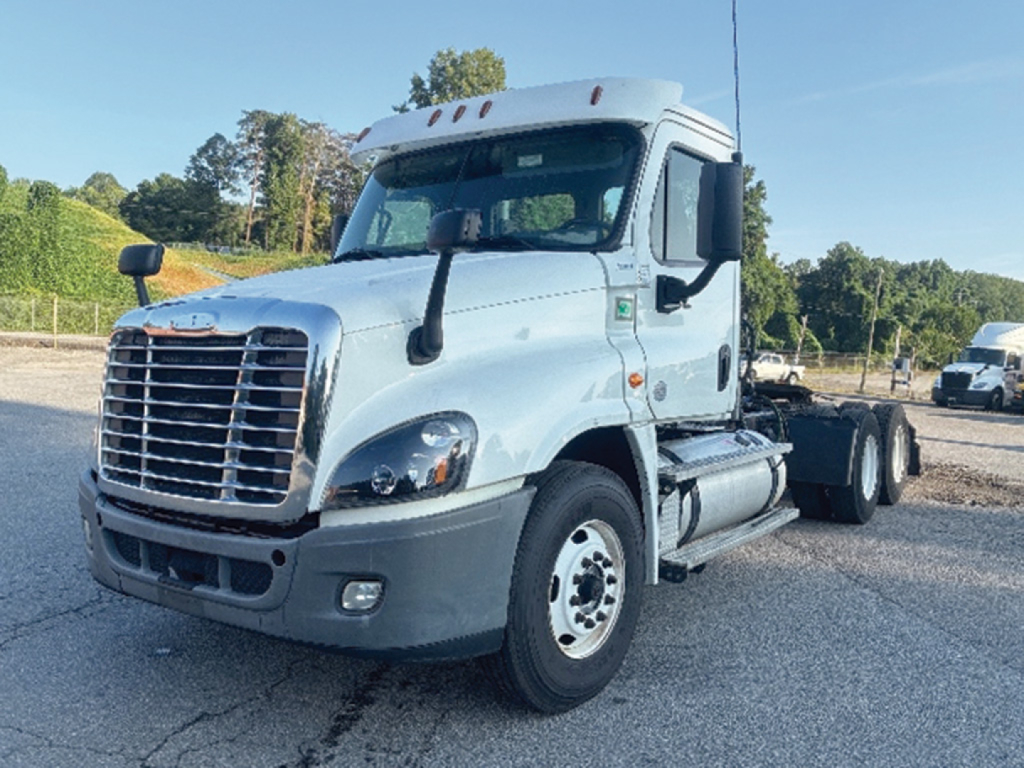
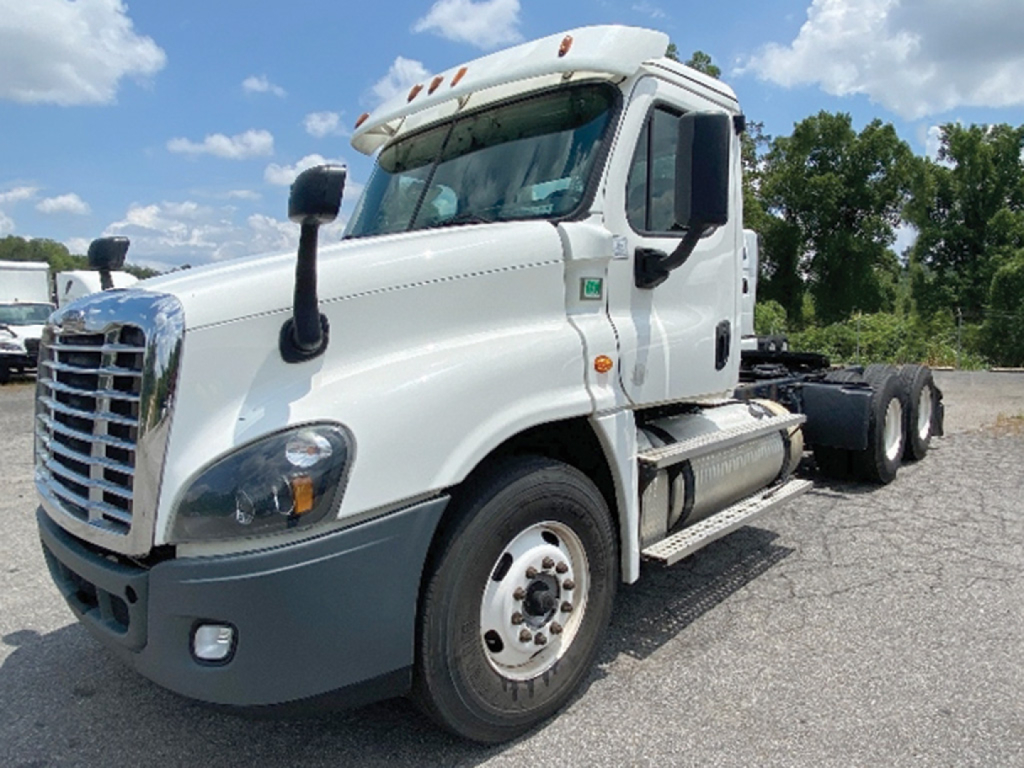
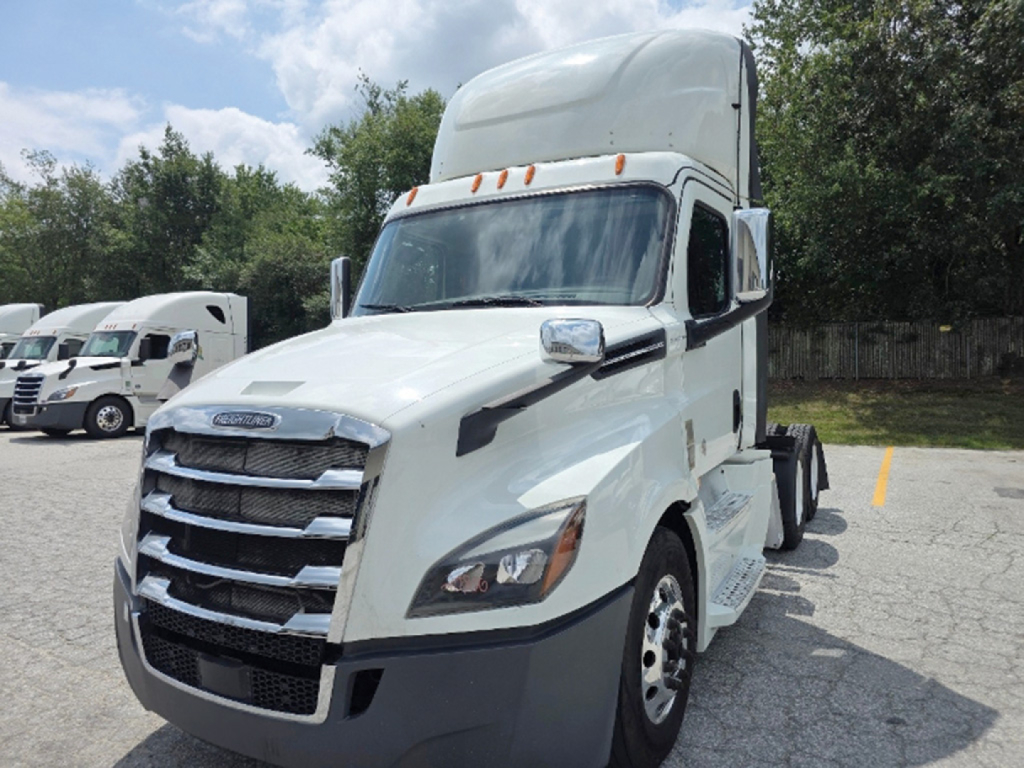
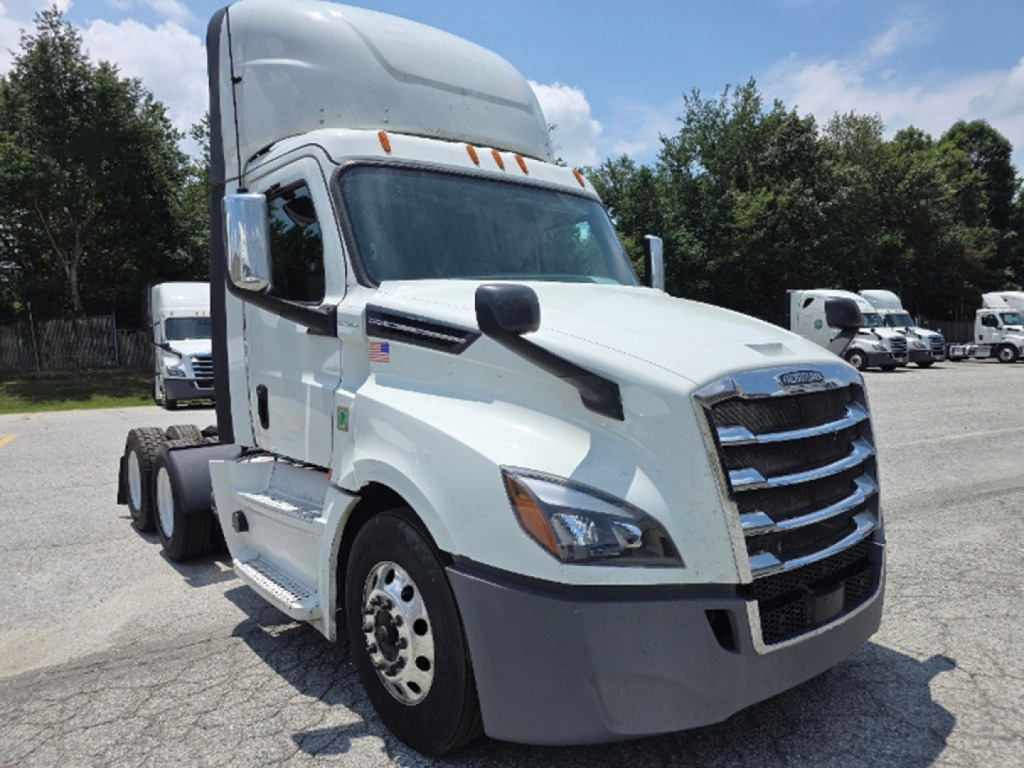

Selling a 2020 conventional daycab truck? List your 2020 conventional daycab truck for sale and reach thousands of commercial buyers.
2020 Conventional Daycab Trucks in North Carolina
For 2020 model year trucks, the market commonly includes aerodynamic platforms such as the Freightliner Cascadia, Volvo VNR, Kenworth T680 or similar regional tractors from other major OEMs. Engines in this class are often in the 400 to 455 horsepower range with torque matched for stop-and-go freight cycles and highway efficiency. Automated manual transmissions are especially common in 2020 daycabs because fleets were prioritizing fuel economy, driver consistency, and reduced clutch wear. Rear axle ratios like 2.79, 2.85, or 3.08 are typical on fuel-focused highway specs, while vocational or heavier startability applications may use deeper ratios. Air ride suspension, engine brakes, disc brakes, collision mitigation systems, and aluminum wheels are all features that can materially affect operating cost, uptime, and driver acceptance.
A North Carolina buyer should look closely at how the truck will run between metro congestion, distribution centers, ports, and interstate corridors. A daycab working Charlotte, the Triad, Raleigh, or eastern port-related freight may need a different spec than a truck pulling heavier loads through western grades. Fuel tank capacity matters if the truck stays close to a terminal versus running full regional days. Aerodynamic fairings and cab extenders help on highway lanes but may be less important for short urban turns. If the truck will handle drop-and-hook freight, check fifth wheel travel, frame layout, and back-of-cab clearance for trailer swing. If it will see mixed duty, review suspension rating, tire size, and brake type to make sure the chassis fits the actual trailer set rather than just the advertised horsepower.
The strongest 2020 conventional daycab purchase is usually the one with a spec that matches the lane, not the one with the longest option list. Focus on engine family support in your service area, transmission calibration, rear axle rating, maintenance history, idle hours, and emissions system performance. A well-matched daycab can lower fuel burn, improve dock access, and keep drivers productive on regional turns. For many fleets, 2020 model year trucks hit a useful middle ground: modern safety and powertrain technology, proven platform availability, and a broad range of specs for freight, container, and local tractor work.
Frequently Asked Questions about 2020 Conventional Daycab Trucks in North Carolina
What is a conventional daycab truck used for?
A conventional daycab truck is a highway-style tractor without a sleeper compartment, designed for routes where the driver returns the same day or does not need overnight accommodations. Common applications include regional freight, drayage, intermodal, dedicated store delivery, LTL support, tanker work, and local trailer spotting with road travel. Compared with a sleeper tractor, a daycab typically saves weight, shortens overall length, and improves maneuverability.
What should I look for in a 2020 conventional daycab?
Start with axle setup, wheelbase, engine rating, transmission type, rear axle ratio, and fifth wheel configuration. Those core specs determine how the truck will launch, cruise, turn, and match to your trailer fleet. After that, review brake type, suspension, fuel capacity, fairings, safety systems, and the service history of the engine and aftertreatment. A truck that fits the lane and trailer combination usually performs better than one chosen only for brand or horsepower.
Is a tandem axle or single axle daycab better?
Neither is universally better because the right choice depends on freight weight, trailer type, and operating geography. Tandem axle daycabs are preferred for heavier loads, broader trailer compatibility, and higher rear axle capacity. Single axle daycabs can reduce empty weight, tire expense, and purchase cost for lighter regional work. The key is confirming that the axle rating, suspension, and legal weight strategy align with your normal loads.
Are automatic transmissions common in 2020 daycab trucks?
Yes. By 2020, automated manual transmissions were standard or very common in many fleet-spec conventional daycabs. They help with fuel economy, consistent shifting, reduced driver fatigue, and lower clutch-related wear compared with traditional manuals. Buyers should still verify transmission model, software calibration, and service records because drivability can vary depending on engine pairing and intended duty cycle.
Why do wheelbase and fifth wheel position matter on a daycab?
Wheelbase and fifth wheel travel affect turning radius, bridge law flexibility, trailer gap, weight distribution, and back-of-cab clearance. A shorter wheelbase usually helps in tight yards and urban docks, while a longer wheelbase can improve ride quality and fit certain trailer setups. An air slide or adjustable fifth wheel adds flexibility when different trailer lengths or kingpin settings are part of the operation. These measurements should be matched to the trailers the truck will actually pull, not assumed from a general fleet standard.