
2020 Freightliner Conventional Daycab Trucks For Sale in North Carolina
Shop 2020 Freightliner conventional daycab trucks in North Carolina. Compare Cascadia specs, DD13 power, wheelbase, axle ratios, and cab features.
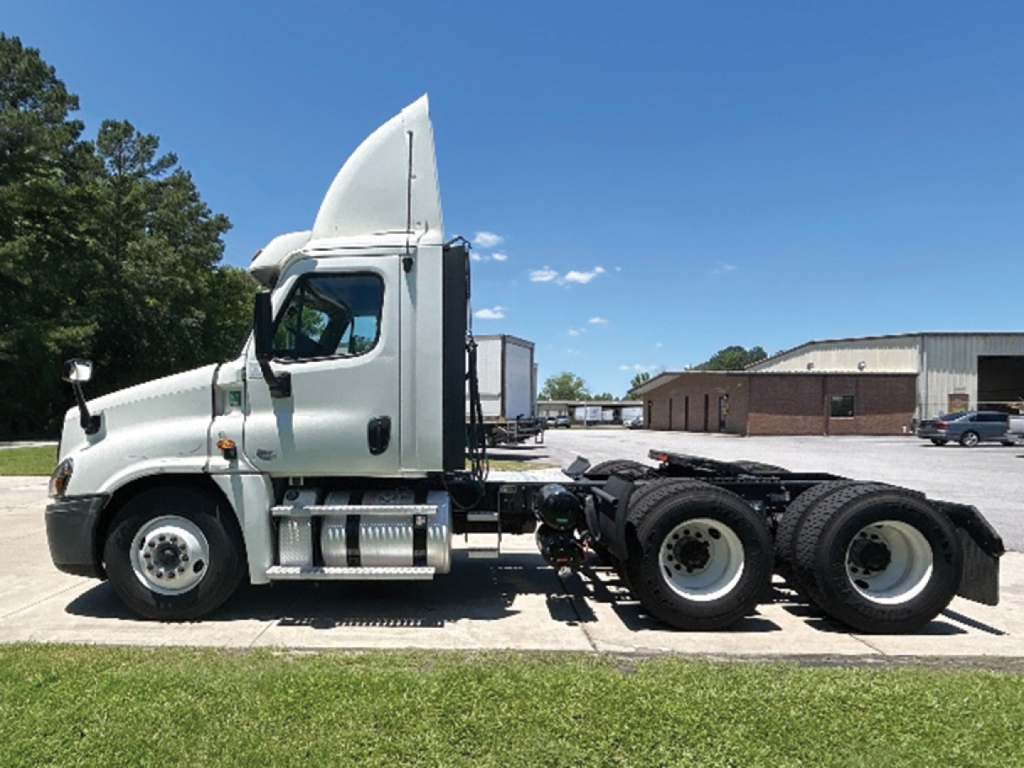
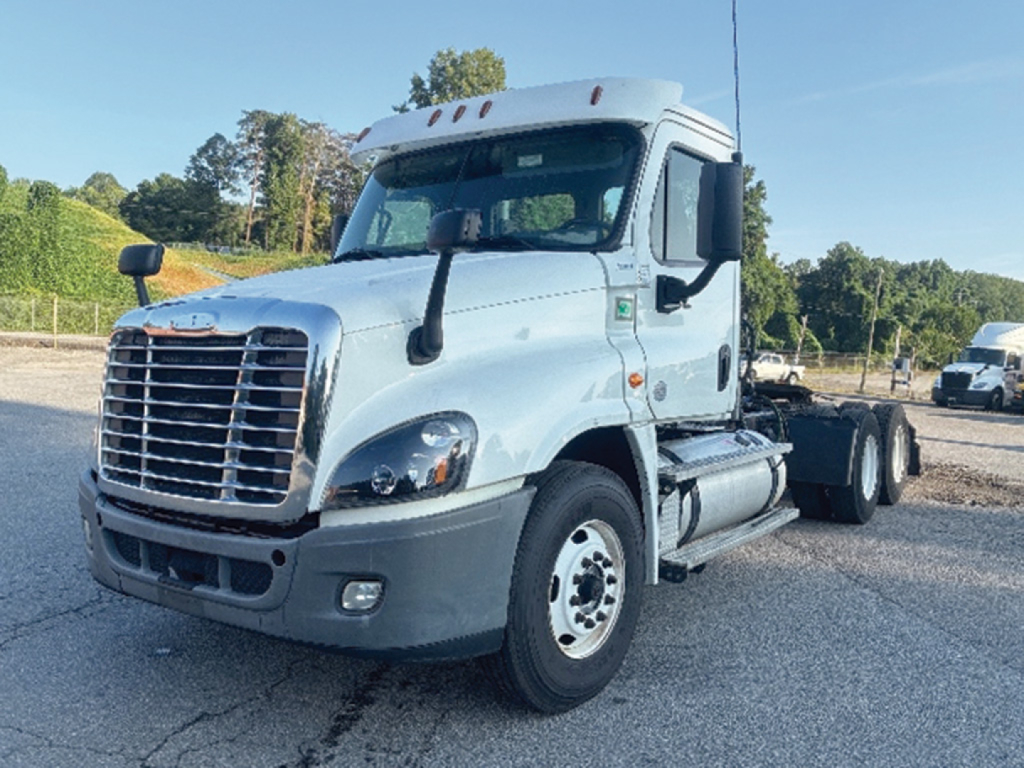
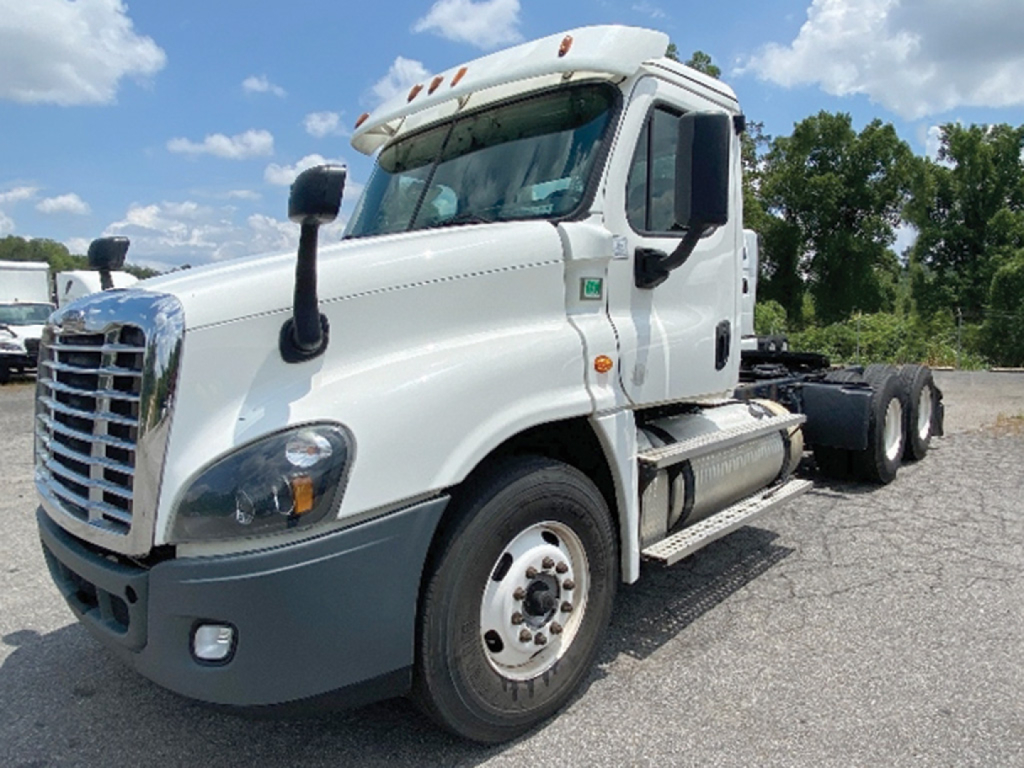
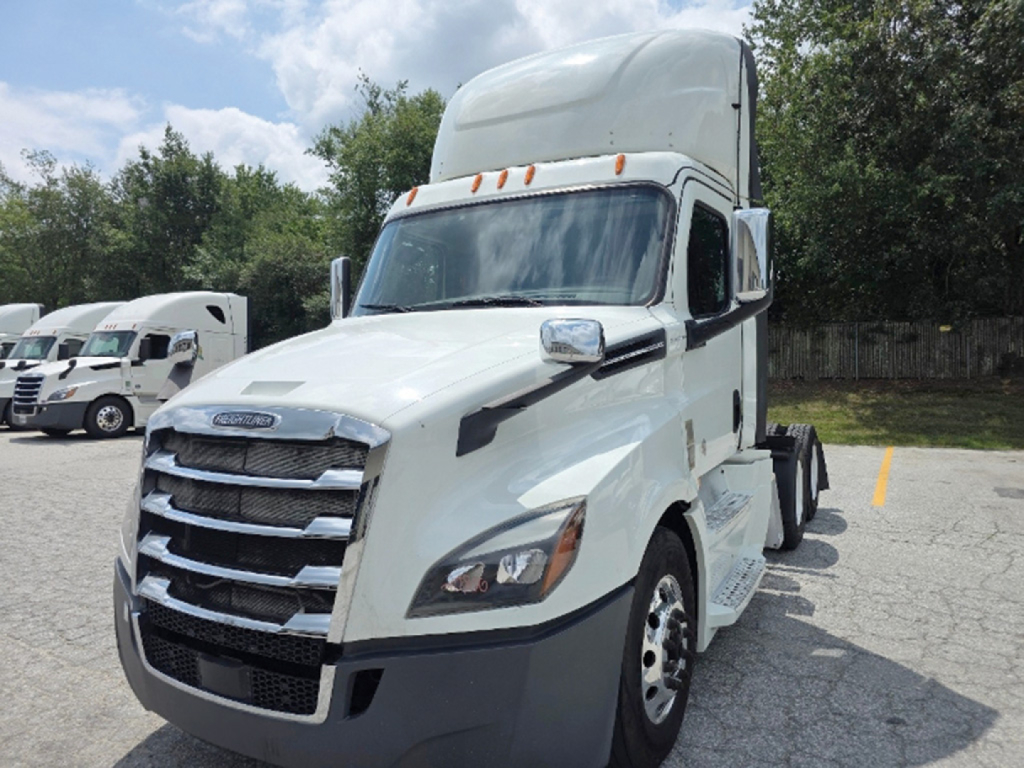
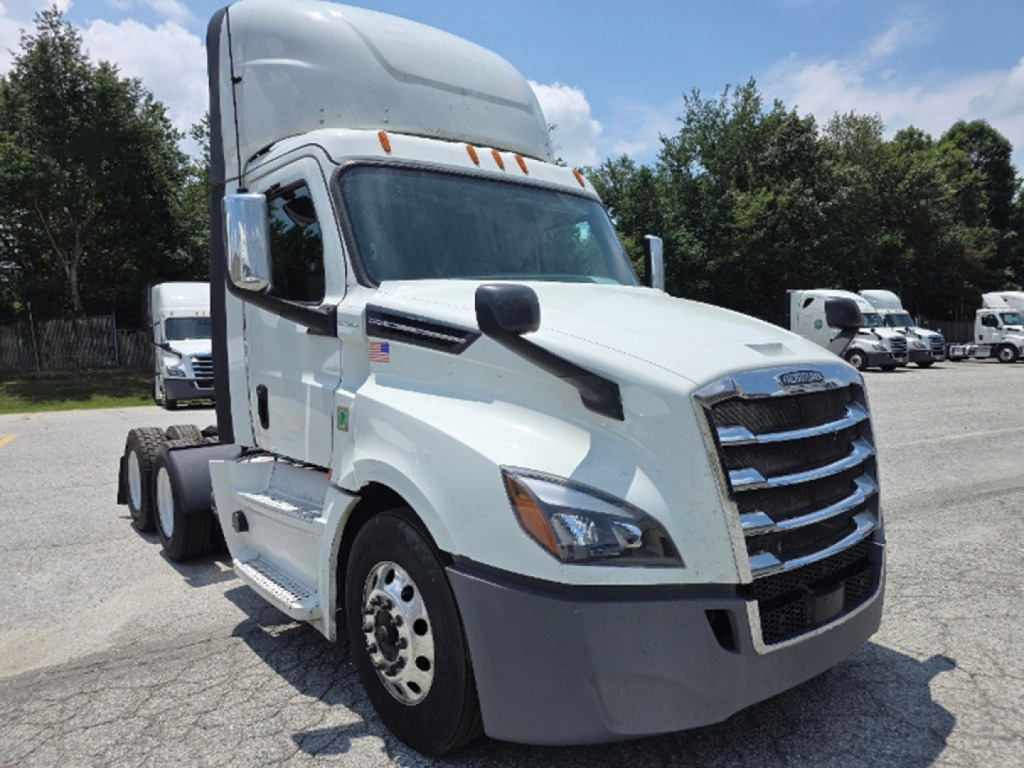
Selling a 2020 freightliner conventional daycab truck? List your 2020 freightliner conventional daycab truck for sale and reach thousands of commercial buyers.
2020 Freightliner Conventional Daycab Trucks in North Carolina
The main spec decisions usually start with engine, transmission, rear axle ratio, and wheelbase. Many 2020 Freightliner daycabs are equipped with a Detroit DD13 in the 400 to 450 horsepower range, often paired with an automated manual such as the DT12. That combination is popular because it balances fuel economy with enough torque for regional freight and stop-and-go duty. Rear axle ratings around 40,000 pounds are common, with ratios such as 2.47, 2.85, or 3.08 affecting launch feel, cruise RPM, and application suitability. A taller ratio can favor highway fuel economy, while a deeper ratio may be better for heavier loads, tighter routes, or more frequent starts.
Buyers should also pay close attention to wheelbase, fifth wheel setup, and chassis equipment. A wheelbase in the mid-170-inch range is common on daycabs and can make a noticeable difference in trailer swing clearance, bridge law flexibility, and yard maneuverability. An air slide fifth wheel adds versatility if the truck will pull different trailer lengths or needs kingpin setting adjustment across multiple applications. Air ride suspension, disc brakes, aluminum wheels, quarter fenders, and dual aluminum fuel tanks are all common features that affect maintenance cost, appearance, and driver acceptance. On aerodynamic daycab specs, roof fairings, side fairings, and cab extenders can still help fuel burn when the tractor regularly pulls van or reefer trailers.
A 2020 Freightliner daycab should also be evaluated as a technology and operating-cost package, not just a powertrain. This generation commonly includes collision mitigation systems, engine brakes, cruise control, power windows, and a more refined driver environment than older fleet daycabs. For a buyer comparing multiple used trucks, the important questions are service history, emissions system performance, brake and tire condition, transmission calibration, and whether the spec matches the intended freight. A truck built for light regional van work can feel very different from one set up for heavier vocational-style pulls, even when both are listed as Freightliner conventional daycabs.
Frequently Asked Questions about 2020 Freightliner Conventional Daycab Trucks in North Carolina
What is a 2020 Freightliner conventional daycab best used for?
A 2020 Freightliner conventional daycab is best suited for regional and local operations that do not require overnight accommodations. Common uses include dry van, reefer, tanker, port drayage, dedicated contract freight, and city-to-city shuttle work. The daycab layout reduces weight and simplifies the truck compared with a sleeper, which can improve maneuverability and make it a practical choice for high-frequency stop routes and terminal-based fleets.
What engine and transmission are common in a 2020 Freightliner daycab?
Many 2020 Freightliner daycab trucks, especially Cascadia models, are spec'd with a Detroit DD13 engine and an automated manual transmission such as the DT12. This setup is widely used because it offers a good balance of horsepower, fuel economy, and driver friendliness. Depending on the application, horsepower ratings in the low-to-mid 400s are common, and the automated transmission helps standardize shifting performance across multiple drivers.
How important is rear axle ratio on a Freightliner daycab?
Rear axle ratio has a direct effect on how the truck accelerates, cruises, and performs under load. Ratios like 2.47 or 2.85 usually favor lower engine RPM and highway fuel economy, while a ratio like 3.08 or deeper can provide better startability and more flexibility in heavier or more demanding service. The right ratio depends on trailer weight, terrain, average speed, and how much time the truck spends in stop-and-go conditions.
What should I inspect first on a used 2020 Freightliner conventional daycab?
Start with maintenance records, engine hours, idle time, and any history related to the emissions system. Then inspect brake condition, tire wear, suspension components, fifth wheel function, and signs of frame or cab damage. On trucks with automated transmissions and driver-assist systems, it is also worth confirming there are no active fault codes and that software calibrations and service campaigns have been addressed. A used daycab can look clean and still be poorly matched to the job, so the chassis spec matters as much as cosmetic condition.
Are aerodynamic fairings useful on a daycab truck?
Yes, aerodynamic equipment can still be valuable on a daycab if the truck spends consistent time at highway speeds and regularly pulls van or reefer trailers. Roof fairings, side fairings, and cab extenders help manage airflow between the tractor and trailer, which can reduce drag and improve fuel economy. Their benefit is lower in low-speed urban service or on applications where the truck frequently pulls trailers with inconsistent heights or configurations.