
2020 International Conventional Daycab Trucks For Sale in North Carolina
Shop 2020 International conventional daycab trucks in North Carolina. Compare A26 specs, wheelbase, axle ratings, and regional haul features.
Learn more
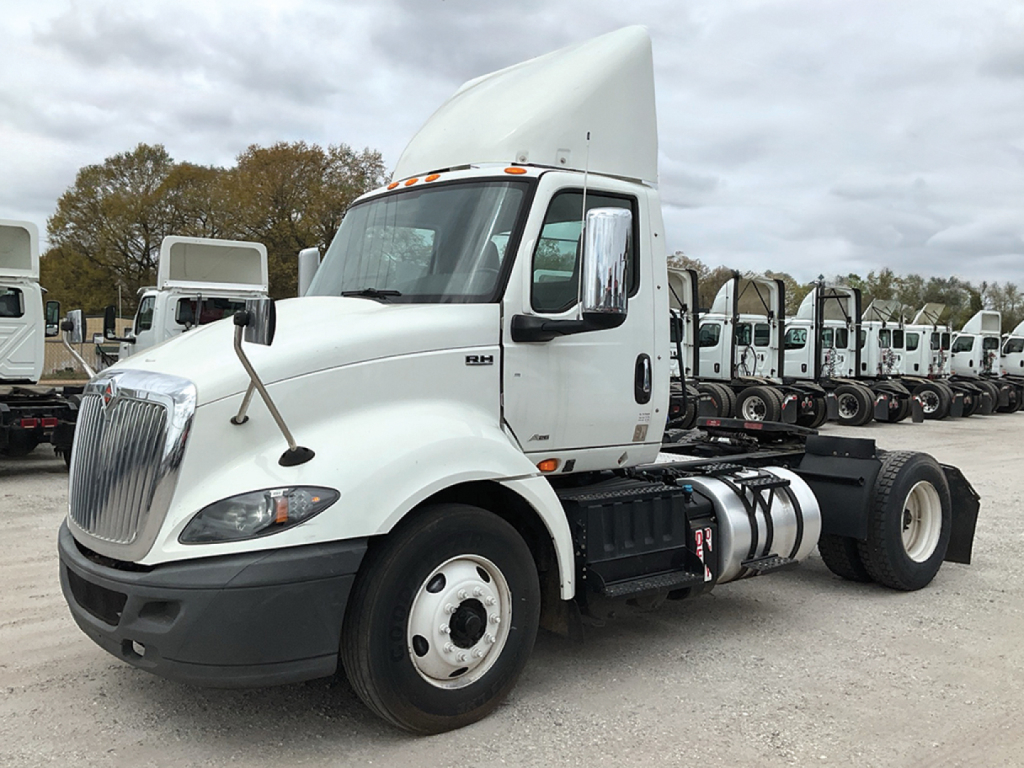
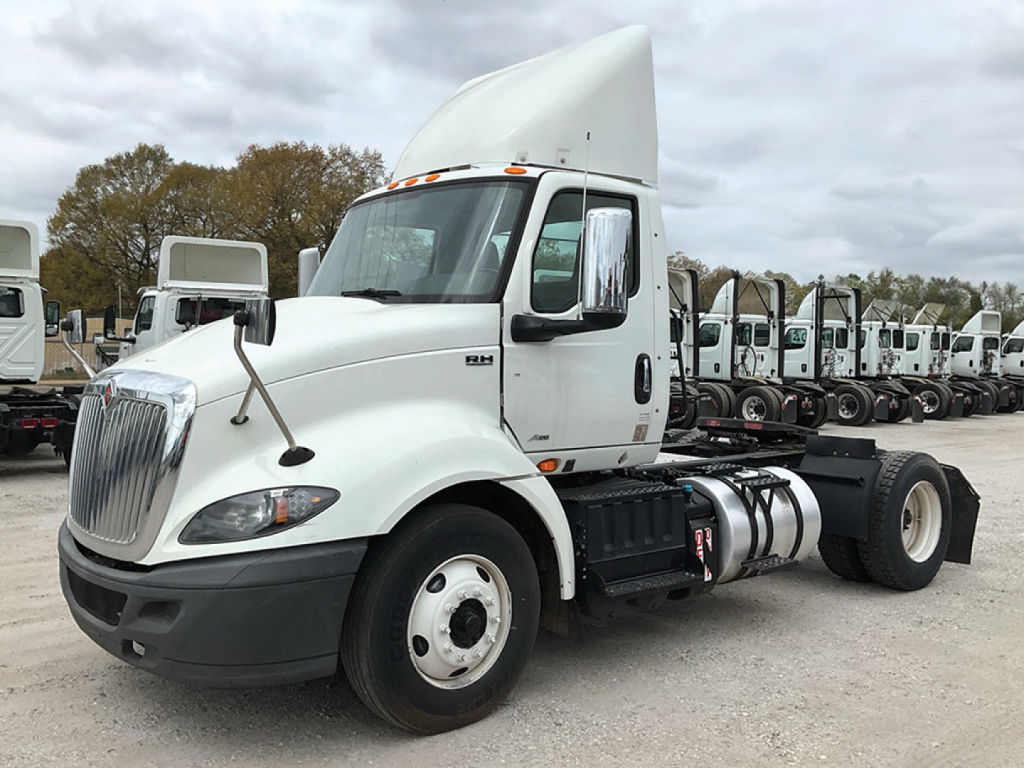
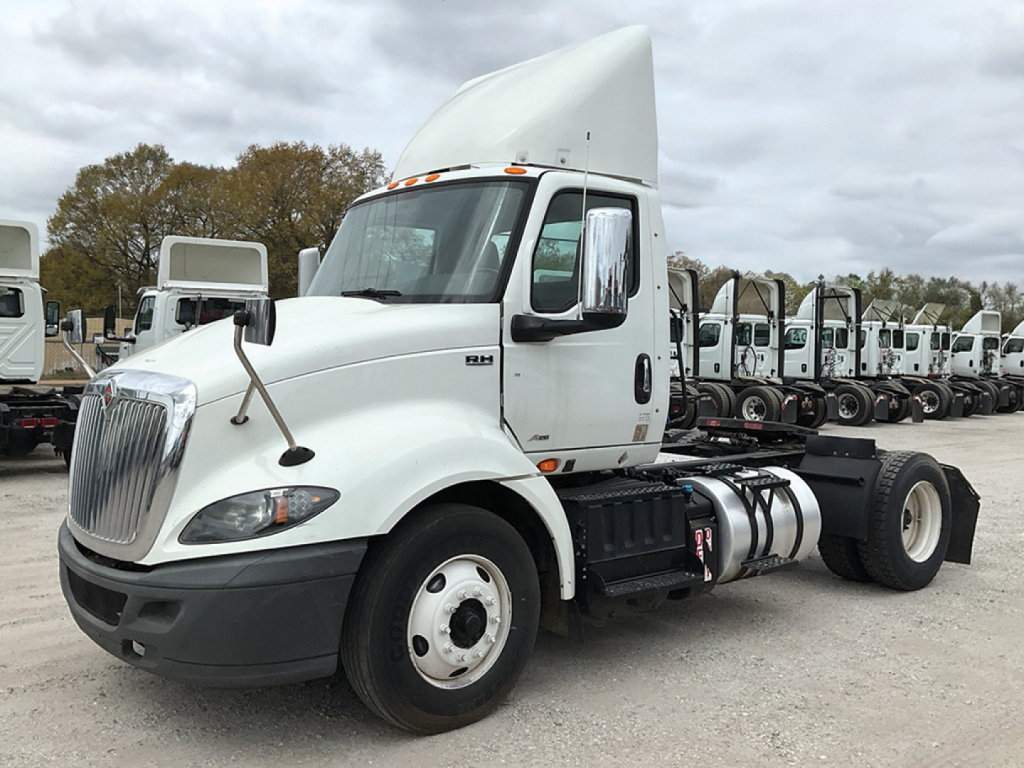
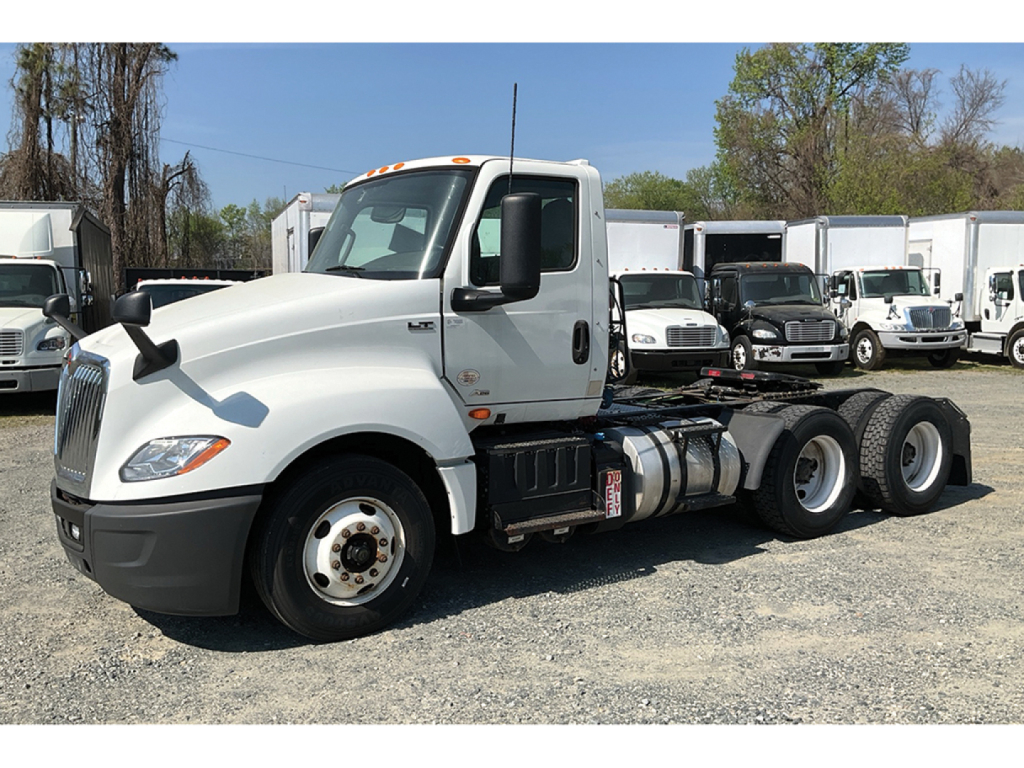
Have 2020 international conventional daycab truck to sell? List it here to reach thousands of buyers.
About 2020 International Conventional Daycab Trucks in North Carolina
The main buying decisions usually come down to axle setup, wheelbase, and fifth wheel arrangement. Many 2020 International daycabs in this class are single-axle tractors with 20,000 lb rear ratings and ratios around 3.42, which work well for van, reefer, and lighter regional trailer work. Tandem-axle versions with heavier rear ends are better suited for higher gross weights, bulk applications, or trucks equipped with a wetline kit for dump or moving-floor trailers. Wheelbases in the mid-150 inch range tend to balance maneuverability with ride quality, while sliding or adjustable fifth wheels add flexibility if trailer lengths and kingpin settings vary across the operation.
Spec details matter on these trucks because daycab duty cycles expose weak spec choices fast. Air ride suspension, low-profile 22.5 tires, aluminum fuel tanks, and horizontal exhaust are common features that support regional use and easier tractor-trailer access. Power windows, tilt and telescoping steering, cruise control, air conditioning, and collision mitigation systems are also frequently seen on late-model International daycabs, and they have real value for driver retention and safety compliance. If the truck will spend time in tight docks or city streets, pay close attention to bumper and hood condition, turning radius, and cab visibility. If it will run longer regional loops, focus more on fuel capacity, aero equipment such as roof fairings, and the service history of the A26 emissions system.
A strong 2020 International conventional daycab is one that matches its intended trailer and route profile. Buyers should verify horsepower and torque against expected gross combination weight, confirm transmission programming for the application, and inspect rear ratio, suspension, and brake spec before comparing price alone. Maintenance records, idle hours, fault code history, and signs of fifth wheel or frame wear often tell more than appearance. For many carriers, these trucks sit in the sweet spot between newer technology and proven day-to-day usability, especially when the spec is aligned with regional freight, dedicated contract work, or terminal-based operations.
Frequently Asked Questions
What engine is most common in a 2020 International conventional daycab?
The Navistar A26 is one of the most common engines in 2020 International daycab tractors, especially in RH613 and similar regional-haul specs. It is often rated around 430 horsepower and is typically paired with an automated manual transmission and engine brake. Buyers value this setup for fuel efficiency, lighter weight than some larger-displacement engines, and good performance in regional and local freight service.
Is a single-axle 2020 International daycab enough for my operation?
A single-axle daycab can be a very good fit if the truck is pulling dry van, reefer, or other moderate-weight trailers on regional or local lanes. Many are spec'd with a 20,000 lb rear axle and ratios such as 3.42, which support highway efficiency and maneuverability. If the application involves consistently heavier gross weights, off-road conditions, or hydraulic trailer work, a tandem-axle truck is usually the better choice.
What wheelbase should I look for in a 2020 International daycab?
A wheelbase in the low-to-mid 150 inch range is common on regional daycabs because it gives a good mix of turning ability, ride quality, and trailer clearance. Shorter wheelbases can help in urban deliveries, tight yards, and dock work. Longer wheelbases may improve ride and fuel tank capacity, but they can reduce maneuverability, so the best choice depends on route density and trailer type.
Are 2020 International daycabs good for North Carolina regional hauling?
Yes. A 2020 International conventional daycab is well suited to North Carolina regional work because it can handle a mix of interstate driving, metro traffic, and distribution-center operations. Daycab specs with the A26 engine, automated transmission, air ride suspension, and aerodynamic equipment are especially practical for freight moving through Charlotte, the Triad, the Triangle, and port-related lanes where the truck returns to base the same day or on short cycles.
What should I inspect first on a used 2020 International daycab?
Start with the engine and aftertreatment service history, transmission operation, fault codes, and evidence of excessive idle time. Then inspect the fifth wheel, frame rails, rear suspension, brake condition, and tire wear pattern to see if the truck's actual use matches its stated application. Cab condition matters too, but on a daycab tractor, drivetrain health, axle spec, and maintenance documentation usually tell you more about long-term value than cosmetics.