
2012 Conventional Daycab Trucks For Sale in New York
Shop 2012 conventional daycab trucks for regional haul, port, refuse, and local freight operations with practical spec guidance.
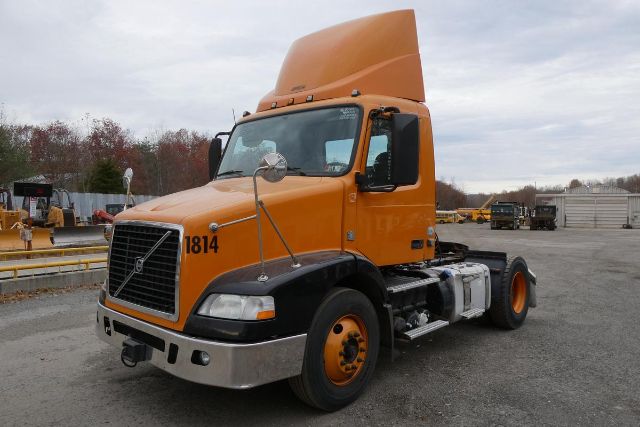
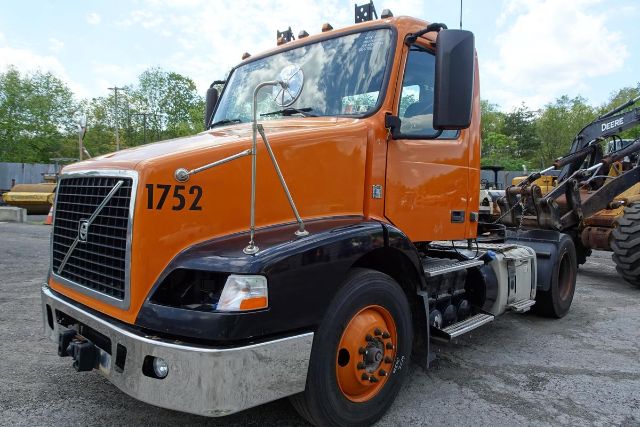
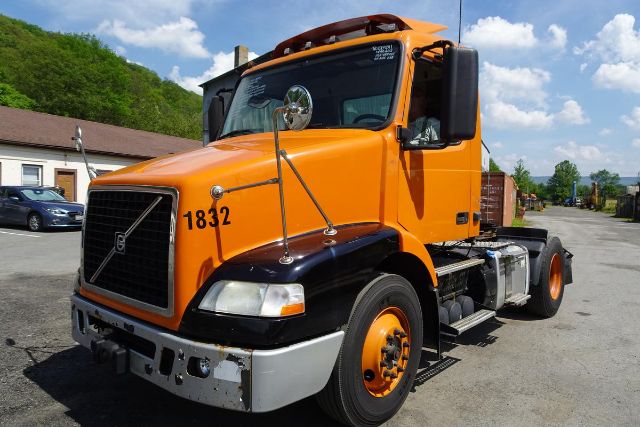
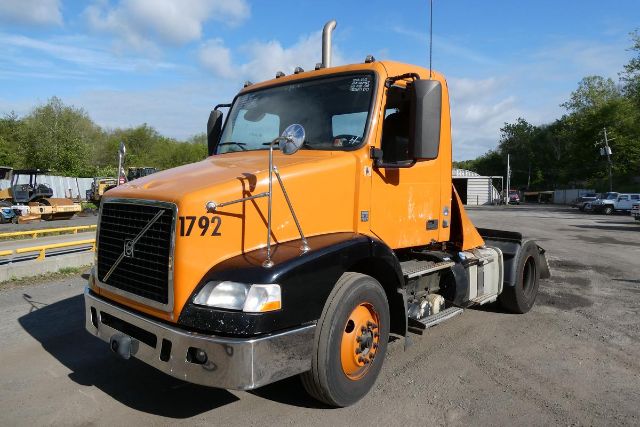
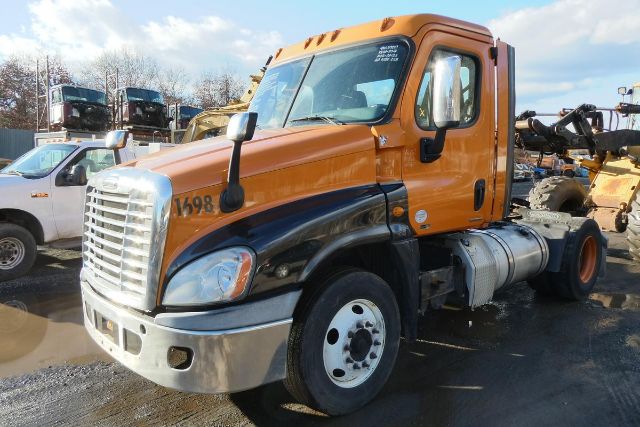
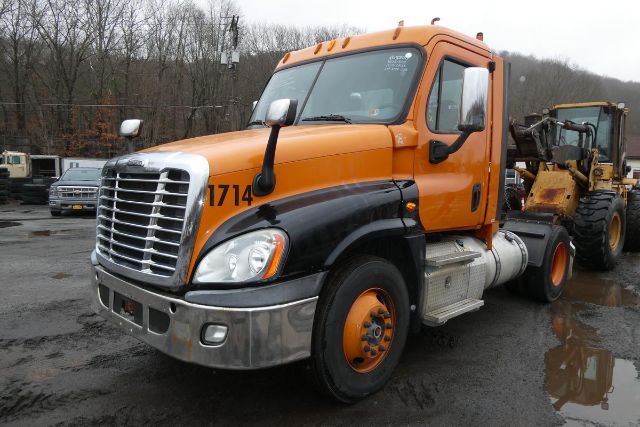
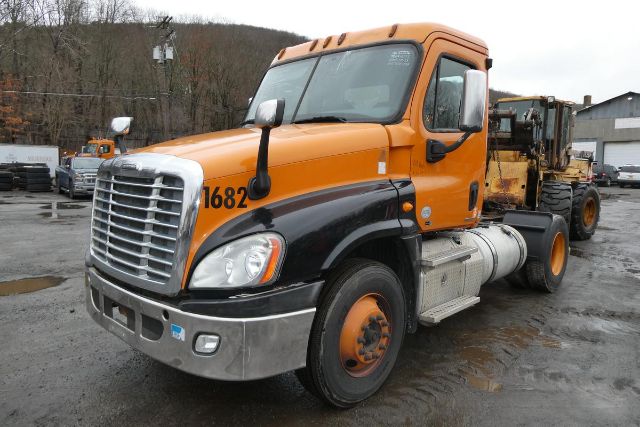
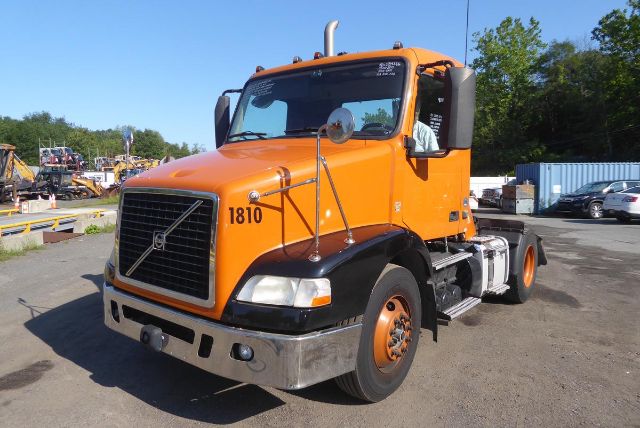
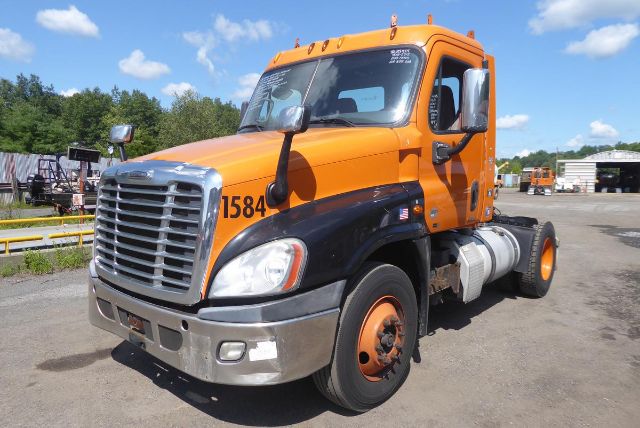
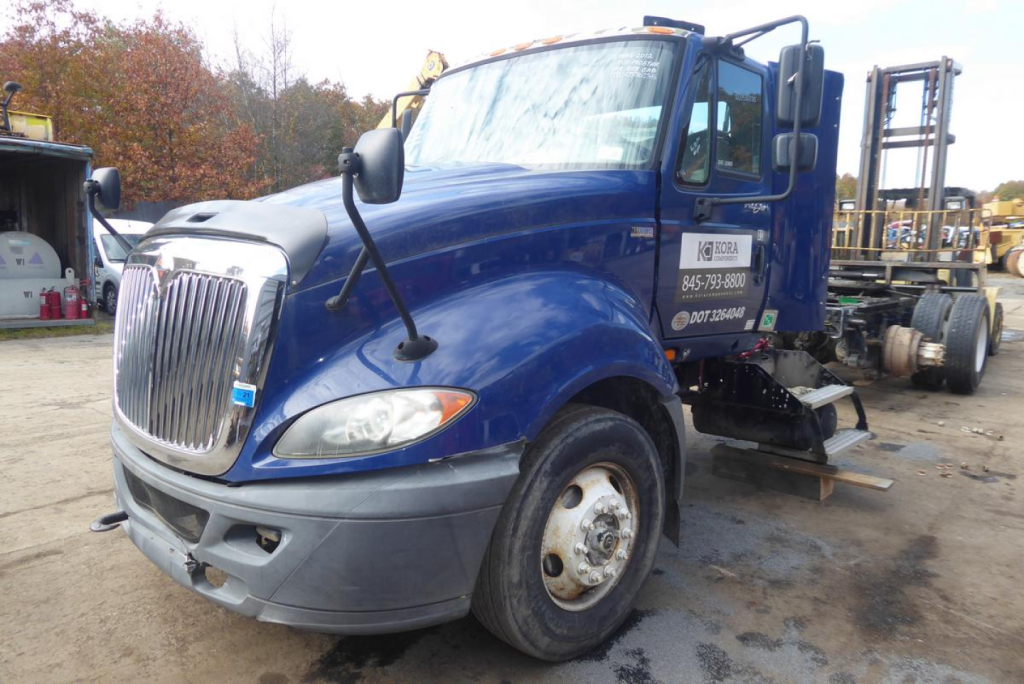
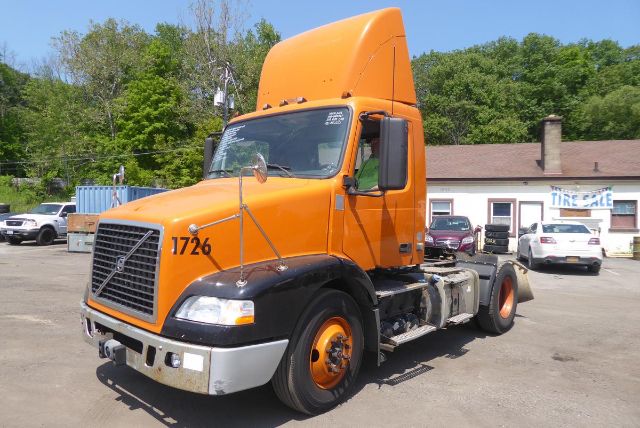
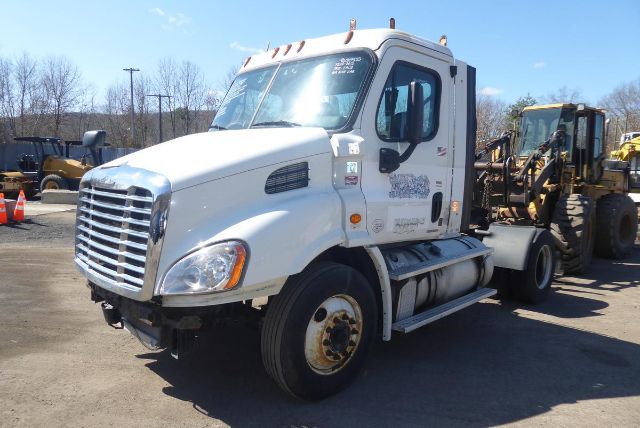
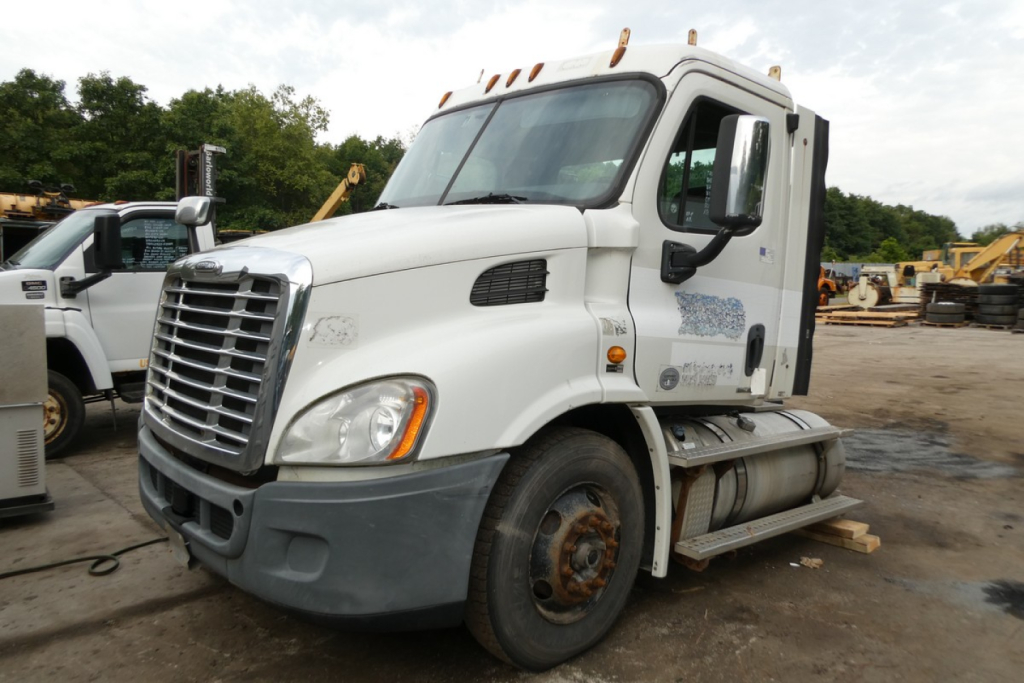
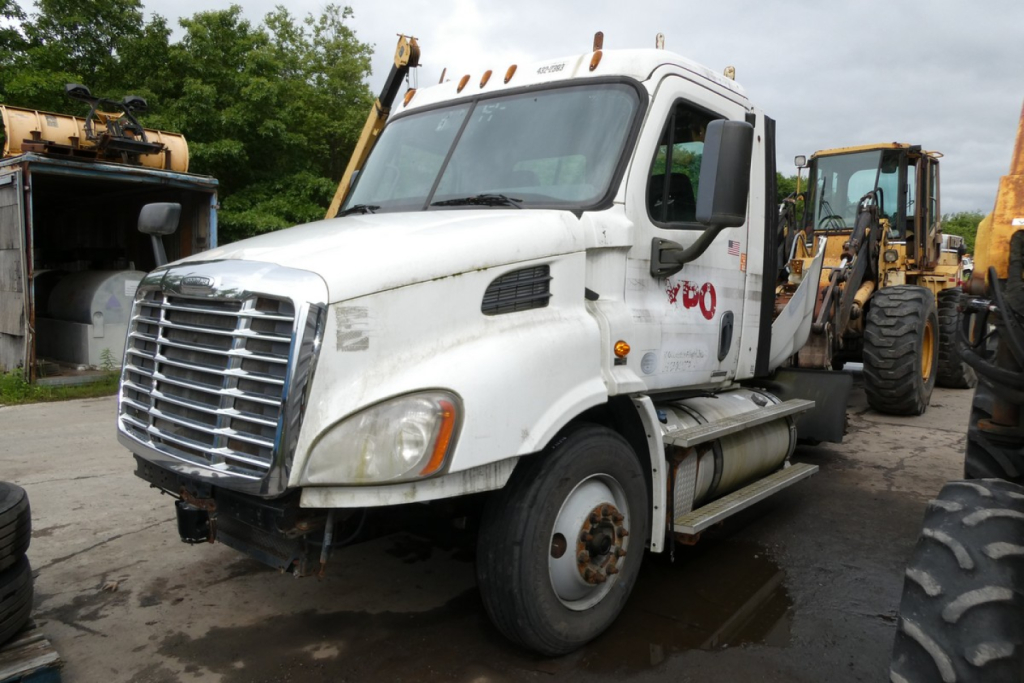
Showing 25 to 38 of 38 results
Have 2012 conventional daycab truck to sell? List it here to reach thousands of buyers.
2012 Conventional Daycab Trucks in New York
On 2012 models, engine and emissions specifications deserve close attention. This model year commonly includes SCR and DEF-equipped diesel engines, so it is important to evaluate DEF system health, fault history, and regeneration performance along with the engine itself. Typical engines in this class include the Volvo D11, Volvo D13, Cummins ISX, and similar 10.8L to 15.0L platforms, usually rated around 350 to 405 horsepower for daycab applications. Rear axle ratings commonly fall in the 23,000 to 40,000 pound range, with front axles around 12,000 to 12,350 pounds. Common drivetrain setups include 10-speed manual transmissions and automated manuals, paired with ratios such as 3.36 or 3.42 for general freight, while deeper ratios can make sense for heavier vocational or urban work.
Wheelbase and frame layout affect how the truck will perform in real service. Shorter wheelbase daycabs in the 150 to 175 inch range are easier to position at docks and in congested city environments, while longer wheelbases can improve ride quality and trailer gap management for certain fleets. Suspension choices typically include 2-bag or 4-bag air ride, and many buyers prefer air slide fifth wheels when the truck may handle different trailer lengths or kingpin settings. Single frame setups are common in tractor use, and brake type is worth noting because many later-spec daycabs in this era were equipped with air disc brakes, which can improve stopping consistency and reduce brake fade in high-cycle operations.
The best 2012 conventional daycab truck is usually the one with a spec that matches the route, trailer, and gross combination weight it will actually pull. A lighter 32,000 GVW single-axle setup can be cost-effective for local deliveries and short regional lanes, while tandem-axle daycabs with 52,000 GVW ratings are better suited for heavier freight and mixed trailer work. Beyond engine make and mileage, smart buyers review ECM miles and hours, check for idle-heavy duty cycles, inspect suspension wear, verify axle ratio and locking differential or power divider spec, and confirm that the cab equipment still supports driver comfort for daily use. Air conditioning function, brake condition, tire size, hub-pilot wheel type, and fifth wheel operation all affect the true cost of putting a used daycab back into dependable service.
Frequently Asked Questions about 2012 Conventional Daycab Trucks in New York
What is a 2012 conventional daycab truck best used for?
A 2012 conventional daycab truck is best suited for local and regional work where the driver returns home daily and sleeper space is not needed. Common applications include container drayage, terminal shuttles, beverage and food distribution, short-haul van or reefer freight, flatbed work, and some vocational trailer service. The shorter cab and typically shorter wheelbase make this truck type easier to maneuver in cities, yards, and tight dock environments.
What engine and transmission specs are common on 2012 daycab tractors?
Many 2012 daycab tractors were spec'd with diesel engines in the 11L to 15L range, often rated from about 350 to 405 horsepower. Common examples include the Volvo D11, Volvo D13, and Cummins ISX. Transmissions in this category are often 10-speed manuals or automated manuals, depending on fleet preference and route demands. The right combination depends on trailer weight, terrain, traffic conditions, and how often the truck starts and stops during a shift.
Why does emissions equipment matter so much on a 2012 truck?
The 2012 model year falls squarely into the era of modern emissions systems, so buyers should pay close attention to SCR, DEF, sensors, dosing components, and regeneration performance. A truck can appear to run well and still have underlying emissions issues that create downtime and repair costs. Service records, active fault codes, and evidence of proper maintenance are especially important on this year range because emissions-related repairs can materially change the value of the truck.
How do I choose between a single-axle and tandem-axle 2012 daycab?
A single-axle daycab is often a better fit for lighter local work where lower empty weight, tighter maneuvering, and lower operating costs are priorities. A tandem-axle daycab is usually the better choice for heavier trailers, higher gross weights, uneven jobsite conditions, or routes that require a power divider and more traction. The decision should be based on the heaviest routine load, trailer type, dock access, and the axle and bridge requirements of the lanes the truck will run.
What should I inspect first on a used 2012 conventional daycab truck?
Start with the engine, emissions system, transmission, axle ratings, and ECM data because those items determine whether the truck fits the intended workload and what major repair exposure exists. After that, inspect suspension condition, brake type and wear, fifth wheel function, tire condition, frame integrity, and cab systems such as air conditioning and electrical accessories. On a daycab, signs of heavy idle time, stop-and-go wear, and deferred maintenance can tell you as much as the odometer.