
2012 Freightliner Conventional Daycab Trucks For Sale in New York
Shop 2012 Freightliner conventional daycab trucks in New York. Compare Cascadia specs, DD13 power, wheelbase, axle ratings, and drivetrain setups.
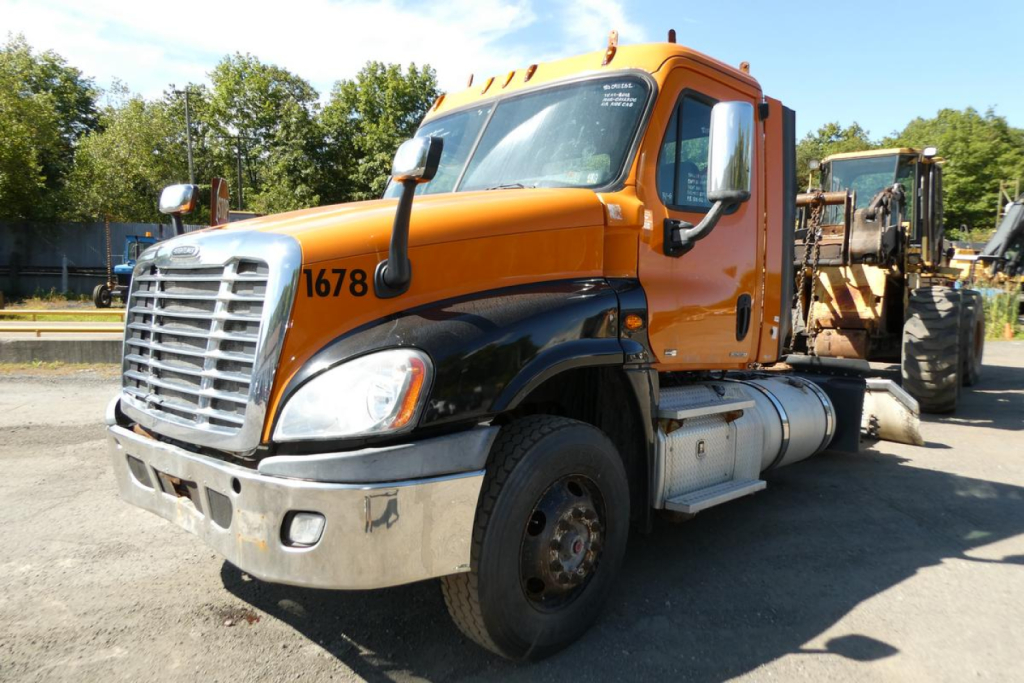
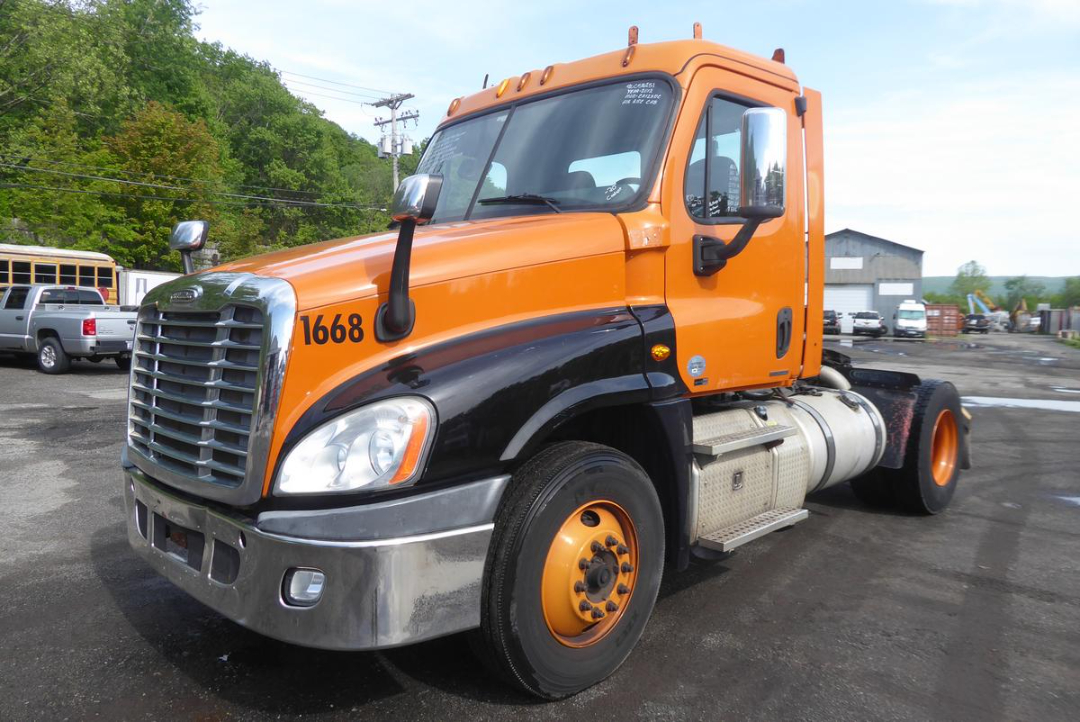
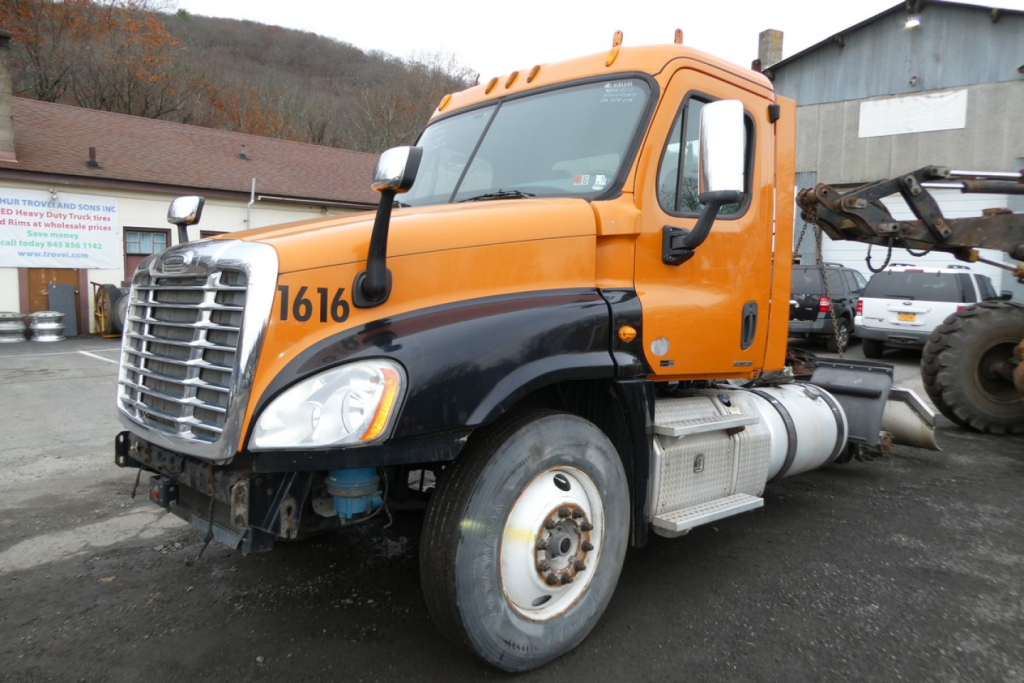
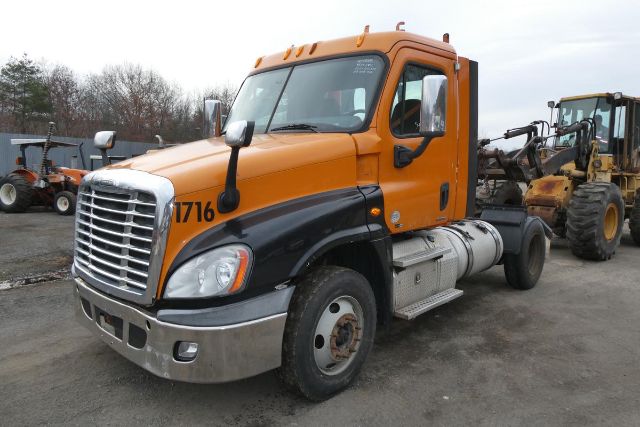
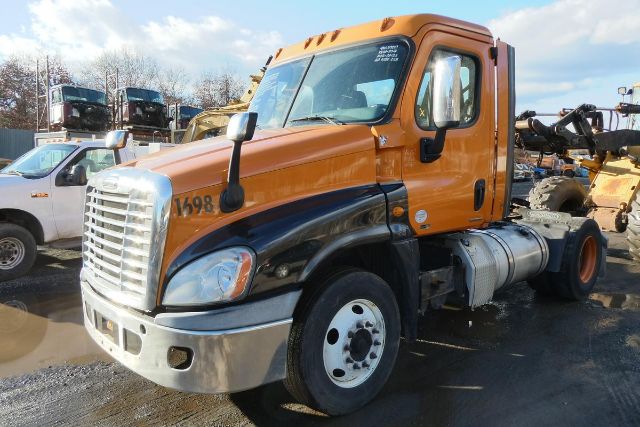
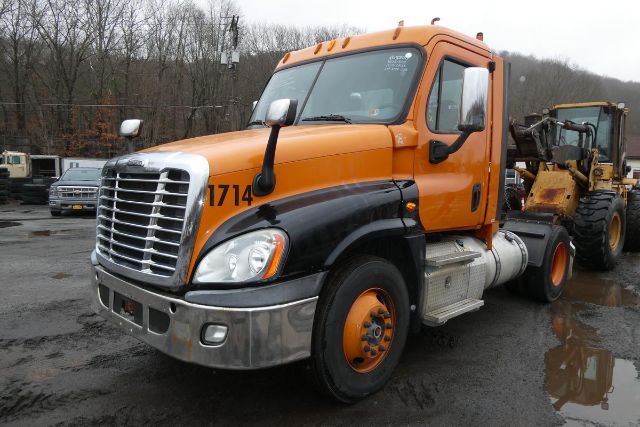
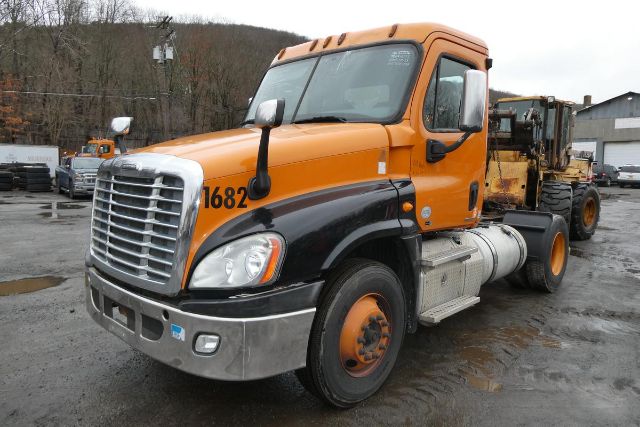
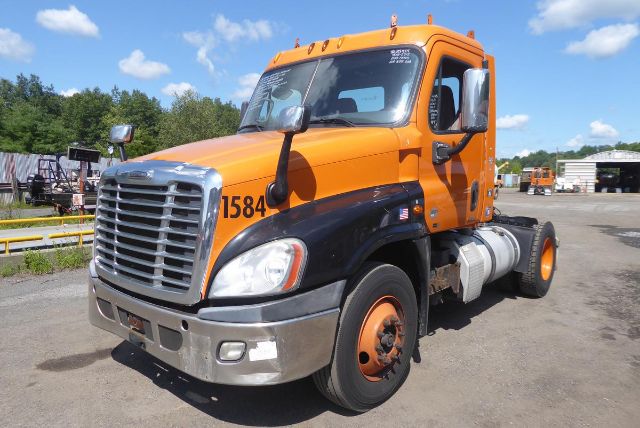
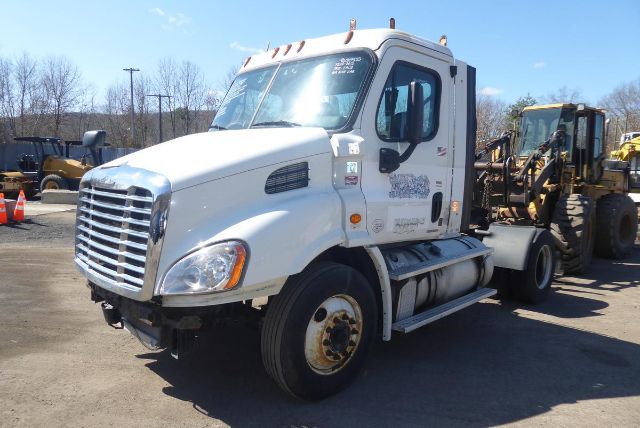
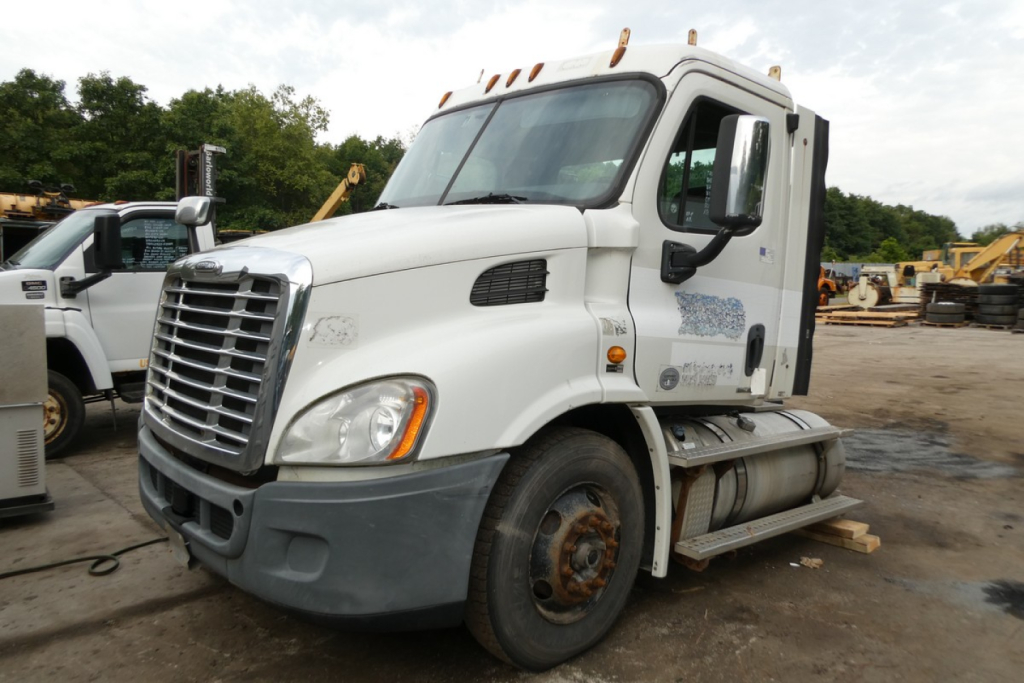
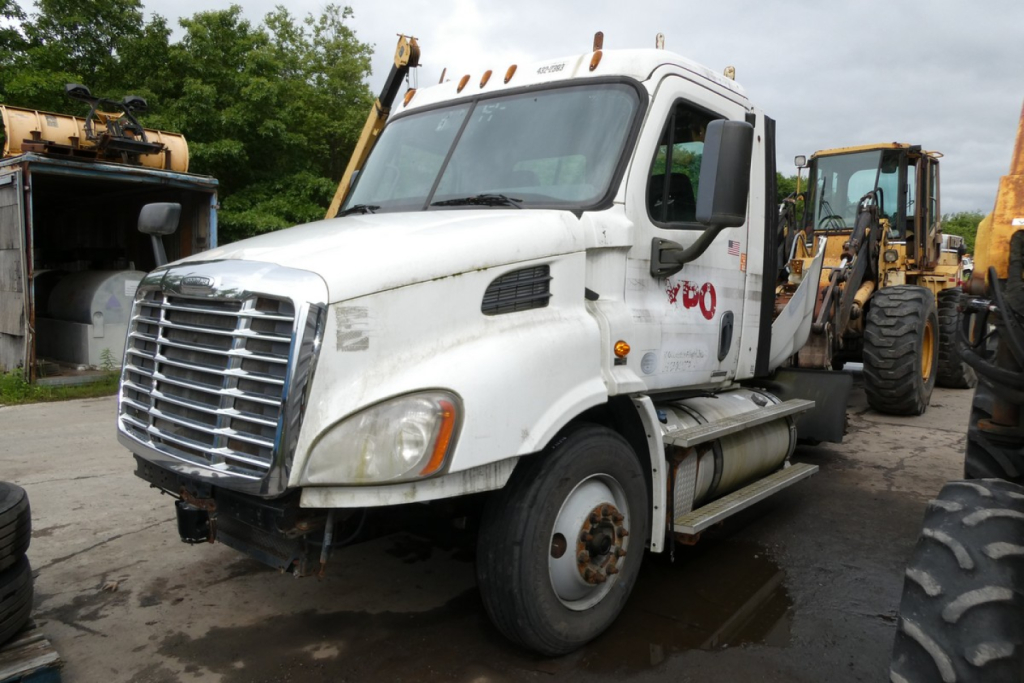
Selling a 2012 freightliner conventional daycab truck? List your 2012 freightliner conventional daycab truck for sale and reach thousands of commercial buyers.
2012 Freightliner Conventional Daycab Trucks in New York
The main buying decision usually starts with engine, transmission, and rear ratio. A 2012 Freightliner daycab commonly shows up with a Detroit DD13 in the 410 to 450 horsepower range, often paired to a Fuller 10-speed manual or, in some fleet specs, an automated manual. Rear axle ratings around 23,000 to 40,000 pounds and ratios from the mid-2s up into the low-3s can change how the truck performs on acceleration, fuel economy, and startability. A 3.42 ratio is generally better suited to heavier starts and more stop-and-go work, while taller ratios such as 2.67 or 3.08 can favor highway fuel economy in lighter regional service. Wheelbase, cab-to-axle, and fifth wheel setup also matter if the truck will pull different trailer lengths or operate in tight urban yards.
Chassis details deserve close attention because daycabs often live hard lives in dedicated fleet service. Common specs in this class include 12,000-pound front axles, Airliner air ride suspensions, 11R22.5 rubber, hub-piloted steel wheels, and either stationary or air-slide fifth wheels. Some units may also include air disc brakes, pintle hooks, or single-frame rail setups depending on prior application. Buyers should verify frame condition, suspension wear, steering box play, brake type, and evidence of corrosion, especially on trucks that have spent years in northern climates. On 2012 emissions-era Freightliners, it is also smart to review DEF system history, cooling system condition, ECM miles versus dash miles, and any recent work on aftertreatment, radiator, air compressor, or electrical components.
A well-matched 2012 Freightliner conventional daycab can still be a cost-effective tractor for short-haul freight, container drayage, vocational pulling, or private fleet use. The best value is usually found by matching the truck's axle capacity, gearing, and wheelbase to the actual route and trailer mix rather than buying on horsepower alone. For buyers comparing multiple Freightliner daycabs, the trucks that stand out are the ones with clear maintenance records, consistent ECM data, a sound emissions system, and a chassis spec that fits the intended work without expensive reconfiguration.
Frequently Asked Questions about 2012 Freightliner Conventional Daycab Trucks in New York
What engine is most common in a 2012 Freightliner conventional daycab?
The Detroit DD13 is one of the most common engines found in 2012 Freightliner conventional daycab trucks, especially in Cascadia models. It is typically rated around 410 to 450 horsepower and is widely used in regional and local tractor applications. Buyers like the DD13 for its balance of fuel economy, usable torque, and broad service support, but on a 2012 truck it is important to inspect emissions components, cooling system condition, and ECM data before purchase.
Is a 2012 Freightliner daycab better for local work or highway use?
A 2012 Freightliner daycab is usually best suited for local, regional, and short-haul highway work rather than long over-the-road service. The daycab configuration saves weight, improves maneuverability, and works well in city traffic, port environments, and frequent stop-and-go routes. The exact use case depends on gearing, wheelbase, axle ratings, and fifth wheel setup, so the truck should be matched to the trailer type and average payload.
What should I check on a used 2012 Freightliner daycab before buying?
The most important areas to inspect are the engine and aftertreatment system, radiator and charge air cooling components, clutch or transmission operation, steering gear, suspension bushings, brake condition, and frame integrity. On northern trucks, rust and corrosion deserve extra attention around the frame, crossmembers, air tanks, and wiring. Buyers should also compare odometer miles to ECM miles and hours, confirm axle and suspension ratings, and review any known issues with DEF, air conditioning, or electrical faults.
What rear axle ratio works best in a Freightliner daycab?
The best rear axle ratio depends on the truck's job. Ratios like 3.42 generally help with heavier starts, urban routes, and applications where the truck spends more time accelerating from low speed. Ratios such as 3.08 or 2.67 are more common when the goal is lower cruising RPM and better fuel economy in regional highway service. A buyer should consider trailer weight, terrain, transmission type, and typical road speed before deciding which ratio is the better fit.
Are 2012 Freightliner daycabs expensive to reconfigure for different trailer work?
They can be, depending on the changes needed. Adjusting a fifth wheel position, replacing a stationary fifth wheel with an air-slide, or changing tires and brake components may be manageable, but major changes to wheelbase, frame layout, or axle capacity can become costly quickly. It is usually more economical to buy a truck that already has the right cab-to-axle measurement, suspension rating, and fifth wheel arrangement for the intended application.