
Car Carrier Trucks For Sale in Florida
Car carrier trucks for sale in Florida: compare payload, deck layout, hydraulic condition and corrosion exposure for auction and rental-fleet work.
Selling a car carrier truck? List your car carrier truck for sale and reach thousands of commercial buyers.
Car Carrier Trucks in Florida
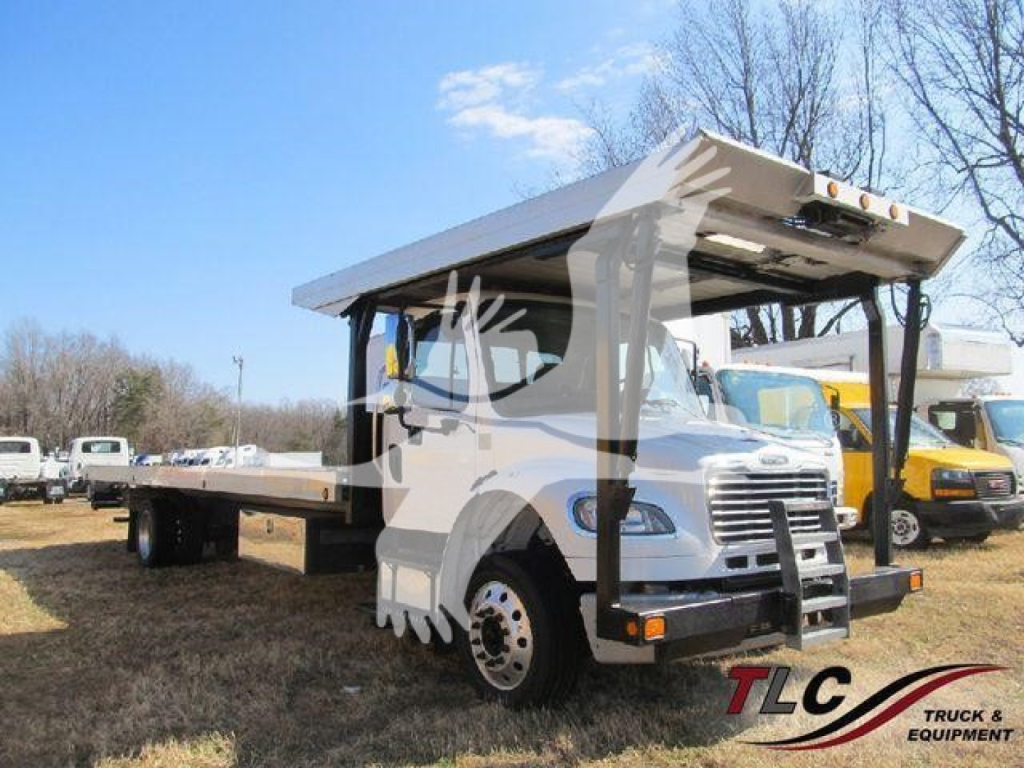
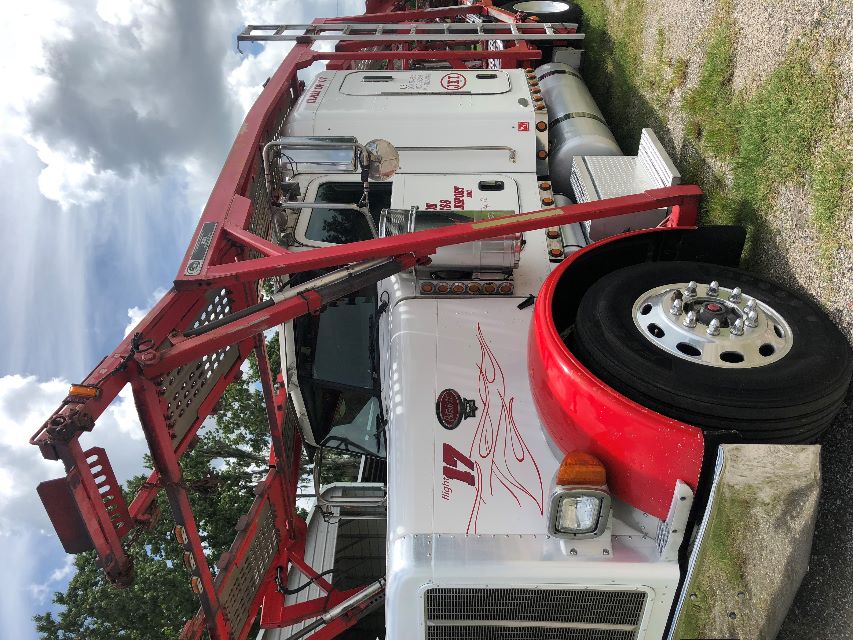
Freightliner M2 106 and International 4300 chassis commonly support medium-duty carrier bodies, with Cummins diesels and Allison automatics among the powertrain combinations buyers encounter. Heavy-duty Peterbilt and Kenworth chassis also serve tractor-based transport operations. Match axle ratings, gearing, wheelbase and PTO provisions to the body rather than choosing by badge alone. Older trucks may predate particulate filters; 2007-era diesel emissions changes brought DPFs, and many 2010-era engines added SCR and DEF. Verify the engine emissions label because chassis model year alone does not establish the equipment.
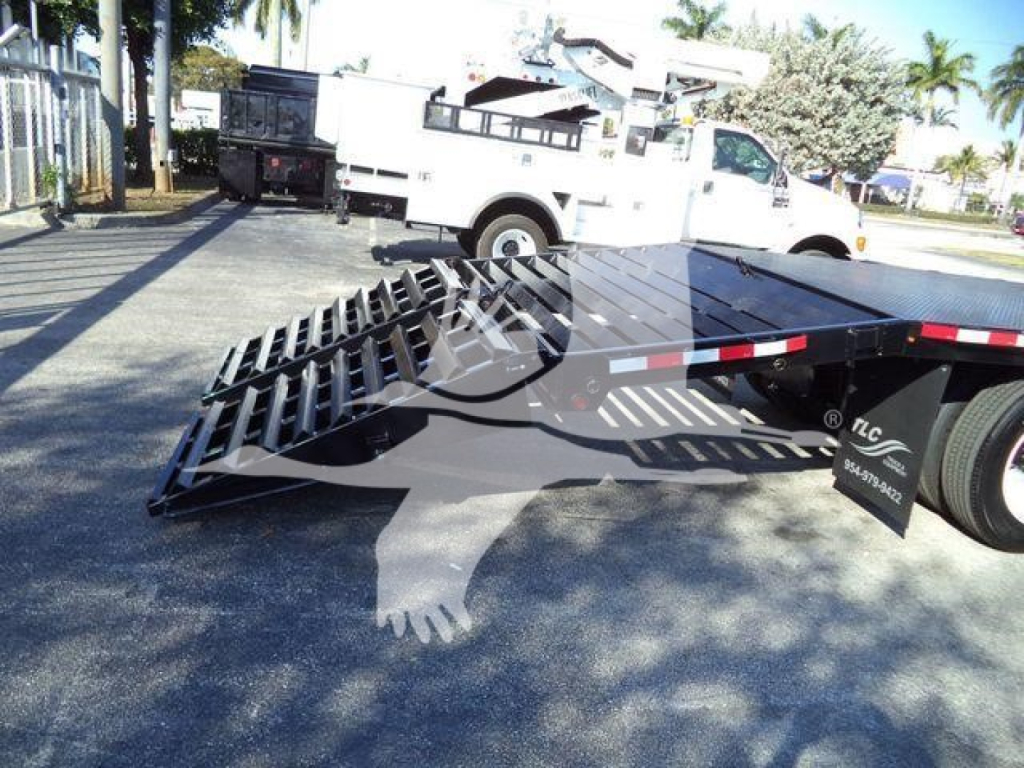
Salt air, summer heat and storm exposure make corrosion and electrical inspection priorities on used Florida car haulers. Check deck hinges, crossmembers, hydraulic cylinder mounts, brake lines and chassis rails, including areas concealed by carrier equipment. Inspect cab wiring and connectors for water intrusion or flood residue. Cycle every hydraulic function after the oil warms, check winch and wheel-lift operation where fitted, and inspect tire straps, ratchets and attachment points. Compare maintenance records with ECM mileage, engine hours and fault history; prolonged idling and stop-and-go work can matter as much as odometer mileage.
New builds need written confirmation of completed-truck payload, axle loading and loaded dimensions, plus separate chassis and carrier-body warranty terms. Qualifying new heavy trucks are subject to a 12% federal excise tax, so confirm how the completed configuration is treated. Check Florida and destination-state size and weight rules for the actual transporter configuration, not a generic tractor-trailer. Measure clearance with vehicles loaded and verify local access to auctions, dealerships and delivery sites before committing to deck layout.
Frequently Asked Questions about Car Carrier Trucks in Florida
What CDL do I need to drive a car carrier in Florida?
A Florida car carrier combination generally requires a Class A CDL at a combined rated or actual weight of 26,001 pounds or more when the towed unit exceeds 10,000 pounds rated or actual weight. A straight car carrier generally requires Class B at 26,001 pounds or more. Air brakes alone do not trigger a CDL requirement, but an air-brake restriction can disqualify a driver from operating an air-braked carrier.
Which transmission works best for Florida auction and dealer runs?
An Allison automatic is a strong choice for stop-and-go Florida car carrier work because the torque converter supports repeated low-speed maneuvering. Verify the exact transmission rating, cooling capacity and compatibility with the carrier’s PTO system. A manual or automated manual can suit longer highway routes, but buyers should confirm how hydraulic operation is enabled and whether the transmission supports the required stationary or mobile PTO operation.
How should I test the hydraulics on a used car carrier?
Test a used car carrier’s hydraulics at operating temperature with a representative load, following the body manufacturer’s procedures. Cold, empty decks can conceal weak pumps, internal cylinder leakage and pressure problems. Check deck movement for hesitation, uneven travel and drift, then inspect hoses throughout their travel for rubbing or stretching. Never work beneath a raised deck without approved mechanical supports; hydraulic pressure alone is not a safe support.
Is a sleeper worth having on a Florida car hauler?
A sleeper-equipped car hauler is useful for multiday vehicle moves between Florida and northern markets, while a day cab usually fits same-day auction and dealer transfers. Sleeper space reduces reliance on overnight lodging but adds chassis weight and may complicate carrier-body packaging. Compare wheelbase, turning clearance and usable deck length rather than assuming the longer truck carries more vehicles.