
Capacity Trucks For Sale in Pennsylvania
Browse Capacity trucks for sale in Pennsylvania, including yard jockey and terminal tractor models built for trailer spotting, shuttling, and port work.
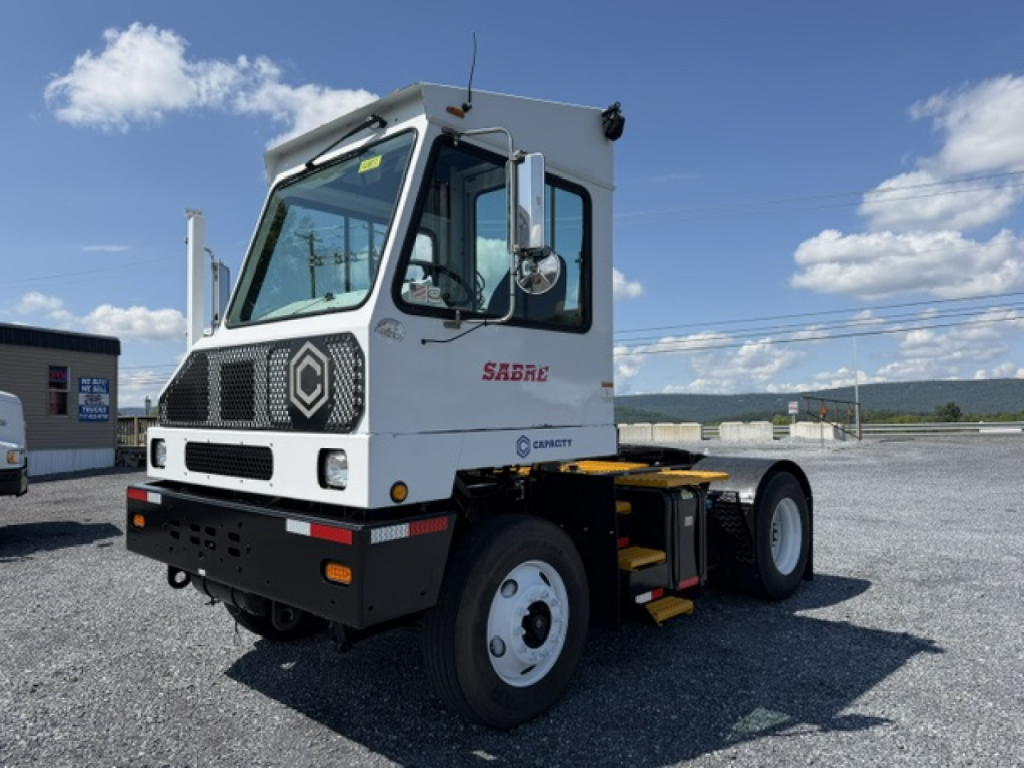
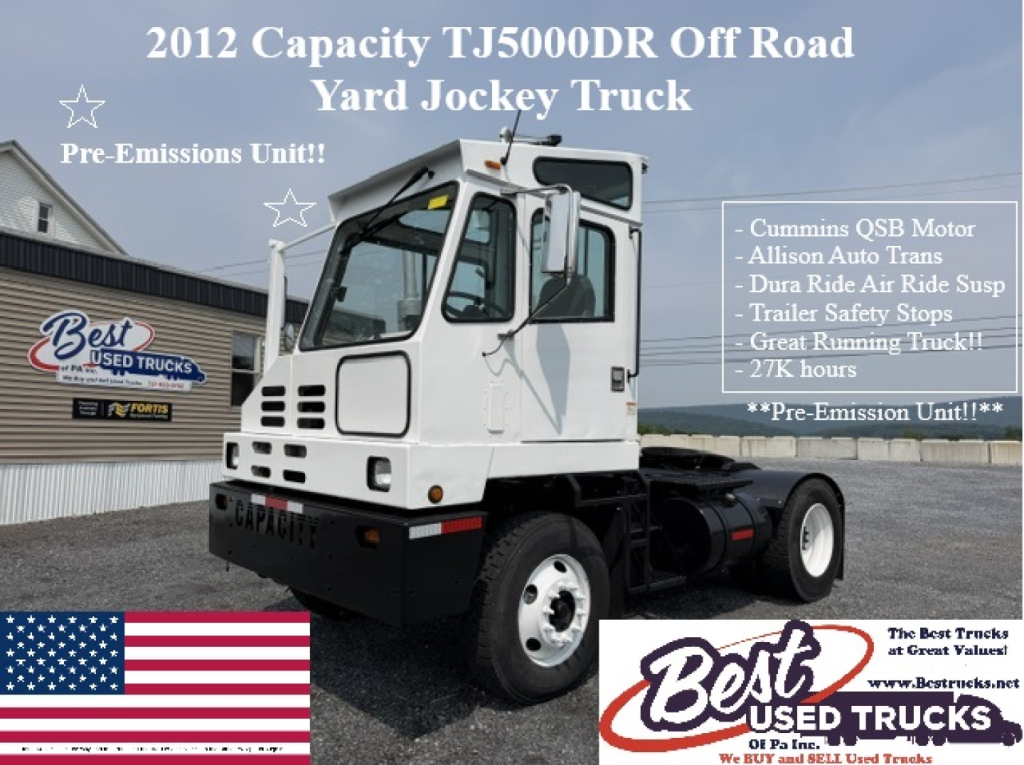
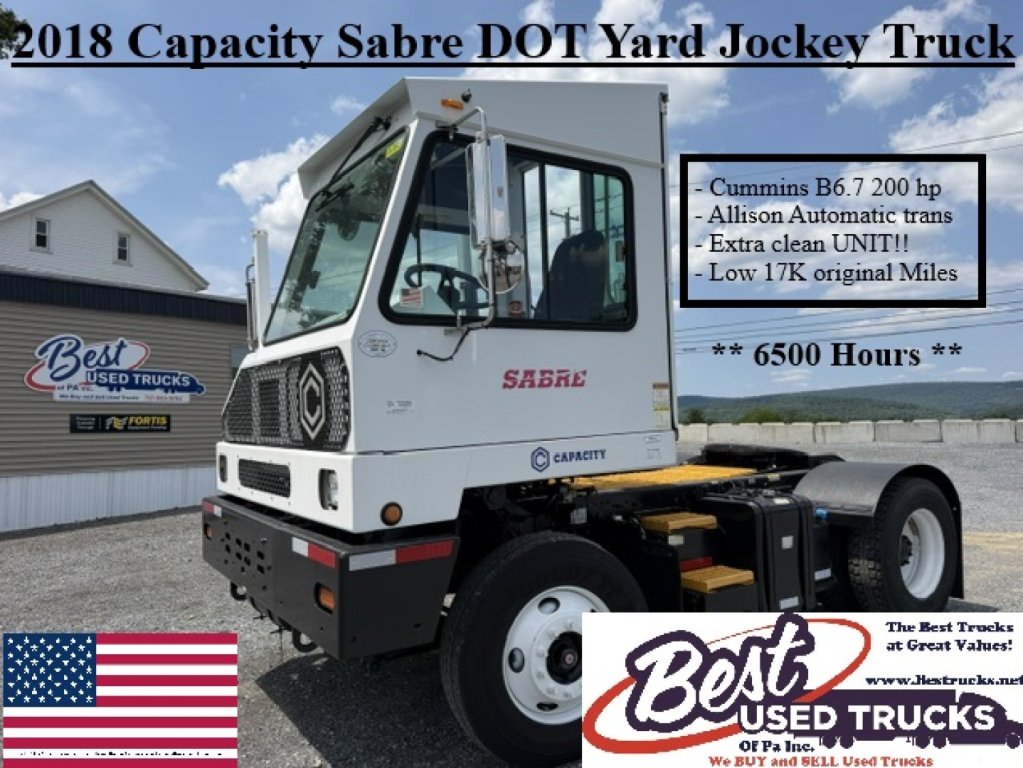
Have capacity truck to sell? List it here to reach thousands of buyers.
Capacity Trucks in Pennsylvania
A buyer comparing Capacity trucks should start with axle configuration, fifth wheel setup, and drivetrain. Many Capacity models are single-axle 4x2 units with a hydraulic sliding or lifting fifth wheel, which speeds up trailer engagement and helps operators work quickly across uneven yard surfaces. Common specs include diesel engines in the mid-horsepower range, automatic Allison transmissions, and heavy rear axle ratings that support constant start-stop duty. Wheelbase, rear ratio, cab suspension, and front axle capacity all affect how the truck handles loaded trailers, grades, and dense yard traffic. If occasional public-road use is required between lots or nearby facilities, DOT-compliant lighting, brakes, and legal road equipment should be verified carefully.
Operator environment matters more on a Capacity truck than many buyers first expect because these units spend their lives in repetitive entry-exit cycles. Air-ride cabs, good sightlines, ergonomic controls, and dependable HVAC can make a real difference in driver productivity over a long shift. Buyers should also inspect trailer safety systems, frame condition, hydraulic fifth wheel operation, cooling system health, and hour meter history. On used terminal tractors, overall duty cycle and maintenance discipline usually tell you more than appearance alone. Tire size, all-steel wheels, suspension type, and brake condition also deserve close attention because yard trucks see constant scrub, curb contact, and low-speed abuse.
Capacity has a strong reputation in the terminal tractor segment for simple operation and purpose-built durability. For a Pennsylvania buyer, the right specification depends on trailer weights, surface conditions, shift length, and whether the truck stays inside a private yard or crosses public roads. A well-matched Capacity truck can cut spotting time, reduce trailer handling delays, and improve yard throughput without the complexity of adapting a conventional road tractor to switch duty.
Frequently Asked Questions about Capacity Trucks in Pennsylvania
What is a Capacity truck used for?
A Capacity truck is typically used as a terminal tractor for moving semi-trailers in a yard, warehouse complex, port, plant, or intermodal facility. Its main job is trailer spotting and short-distance shuttling, with a chassis and fifth wheel system designed for frequent hookups and drop-offs. Compared with a standard road tractor, a Capacity truck is optimized for tight turns, fast trailer engagement, and repeated low-speed cycles.
Are Capacity trucks street legal in Pennsylvania?
Some Capacity trucks are equipped for on-road DOT use, while others are intended strictly for private property and yard operation. Street legality depends on the exact configuration, including lighting, braking equipment, mirrors, emissions compliance, registration requirements, and other road-use specifications. If the truck will cross public roads or travel between facilities, buyers should confirm the unit meets Pennsylvania and federal requirements before purchase.
What should I check first on a used Capacity terminal tractor?
Start with the hour meter, maintenance records, engine and transmission condition, and the operation of the hydraulic fifth wheel. Then inspect the frame, rear axle, suspension, brakes, cooling system, and cab structure for signs of heavy impact or deferred service. Because these trucks live in stop-start service, a clean hookup system, solid hydraulics, and evidence of consistent maintenance are usually more important than cosmetic appearance.
Why choose a Capacity truck instead of a conventional day cab for yard work?
A Capacity truck is built specifically for trailer spotting, so it typically offers better visibility, quicker in-and-out cab access, tighter maneuverability, and a fifth wheel system designed for constant trailer moves. A conventional day cab can perform switch duty, but it is generally less efficient for repetitive yard cycles and may create more wear in an application it was not designed around. For high-volume trailer handling, a purpose-built terminal tractor usually improves productivity and reduces operator fatigue.