
Isuzu Cabover Trucks For Sale
Shop Isuzu cabover trucks including NPR and NPR HD models. Compare diesel specs, wheelbases, body setups, GVWR classes, and delivery use cases.
No exact matches found for your search
Showing Cabover Trucks instead.
Selling a isuzu cabover truck? List your isuzu cabover truck for sale and reach thousands of commercial buyers.
Isuzu Cabover Trucks
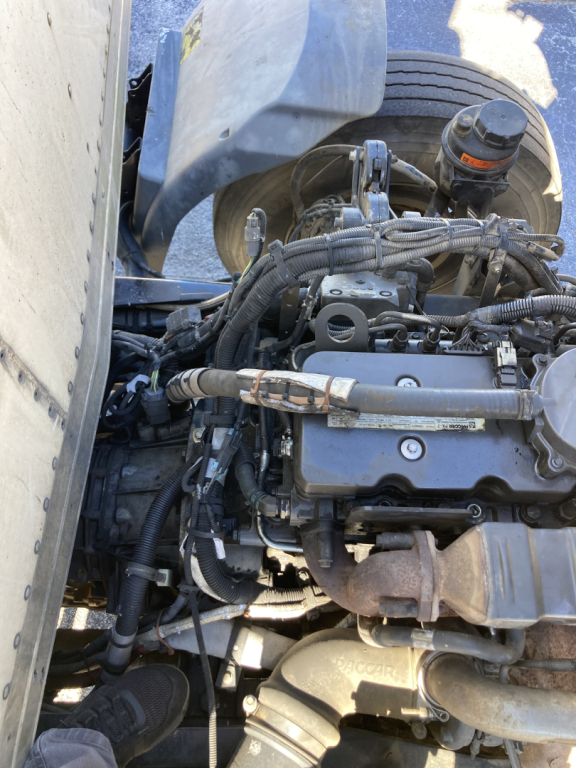
A typical used Isuzu cabover in this class is powered by the 4HK1 series diesel engine, often shown as 4HK1-TC or 4HKITC, in the 210 to 215 horsepower range with an automatic 6-speed transmission. Many are spec'd with single rear axles, spring suspension, hydraulic power steering, and rear axle ratios around 4.56, which is a familiar setup for stop-and-go delivery routes. Wheelbases around 150 inches are common on 16-foot van body applications, and those trucks often include practical cargo features such as translucent roofs, wood floors, E-track, scuff liners or scuff plate, threshold plates, and roll-up rear doors. Tire and wheel combinations vary by GVWR and chassis spec, with 16-inch and 22.5-inch applications both seen in the market.
The real buying decision is less about brand familiarity and more about matching the truck to route density, body length, loading method, and maintenance expectations. For city delivery, beverage, parcel, box truck, and local fleet work, Isuzu cabovers are valued for easy dock access, good sightlines, and straightforward body packaging. Check the door opening height, body floor condition, and wall protection if the truck has spent years in high-cycle freight service. On the chassis side, pay attention to front axle capacity, rear axle rating, frame condition, suspension wear, brake type, and whether the transmission calibration feels right under load. If the truck has a van body or reefer body, the body condition can affect value as much as the cab and drivetrain.
Buyers comparing used Isuzu NPR and NPR HD trucks should also confirm emissions equipment history, service records, rust exposure, and cab tilt access for engine service. Cabovers can be very efficient work trucks, but downtime usually comes from neglected cooling systems, aftertreatment issues, or body neglect rather than the basic chassis layout. A clean Isuzu cabover with the right body, axle ratio, and wheelbase can be a strong fit for last-mile delivery, regional route work, moving operations, and municipal or utility applications where compact dimensions and driver visibility are priorities.
Frequently Asked Questions about Isuzu Cabover Trucks
What is the main advantage of an Isuzu cabover truck compared with a conventional straight truck?
The main advantage is packaging efficiency. Because the cab sits over the engine, an Isuzu cabover can carry a longer body on a shorter wheelbase than a conventional nose truck. That improves turning radius, makes dock access easier, and helps in dense urban routes where curb space and alley access are limited. It also gives the driver strong forward visibility, which is useful in delivery and service work.
What Isuzu models are most common in used cabover truck listings?
The most common models in this category are the Isuzu NPR and NPR HD. These trucks are widely used in medium-duty delivery applications and are often fitted with 14-foot to 20-foot van bodies, reefer bodies, or flatbed-style upfits depending on the chassis rating. The exact model matters because GVWR, axle capacities, wheel and tire sizes, and body compatibility can differ from one spec to another.
What engine and transmission setup is common in Isuzu cabover trucks?
Many used Isuzu cabover trucks in the NPR class are equipped with the 4HK1 diesel engine family, commonly listed around 210 to 215 horsepower, paired with an automatic 6-speed transmission. This setup is popular because it suits stop-and-go delivery work and keeps operation simple for multi-driver fleets. Buyers should still verify engine designation, emissions system condition, transmission performance, and maintenance history because those details affect reliability more than the basic horsepower rating.
What should I inspect on a used Isuzu cabover with a box or van body?
Inspect both the chassis and the body with equal attention. On the body, look at the floor wear, roof condition, wall damage, E-track integrity, scuff liners, rear frame, roll-up door operation, and signs of water intrusion. On the chassis, review the frame rails, spring suspension, steering components, brakes, tire wear, axle ratings, and any evidence of hard curb impacts or overloading. A truck with a clean drivetrain but a worn-out body can still require substantial reconditioning expense.
Is an Isuzu NPR HD better than a standard NPR for heavier delivery work?
In many applications, yes. The NPR HD is generally selected when the job calls for more chassis capacity or a heavier body and payload combination than a standard NPR comfortably supports. The better choice depends on actual GVWR, axle ratings, body weight, and route demands. Buyers should compare the truck's certified ratings with the real operating payload instead of choosing strictly by model name.