
Used 2025 Cab and Chassis Trucks For Sale
Used 2025 cab and chassis trucks for sale: compare body fit, axle ratings, PTO compatibility and service history before choosing a work-ready chassis.
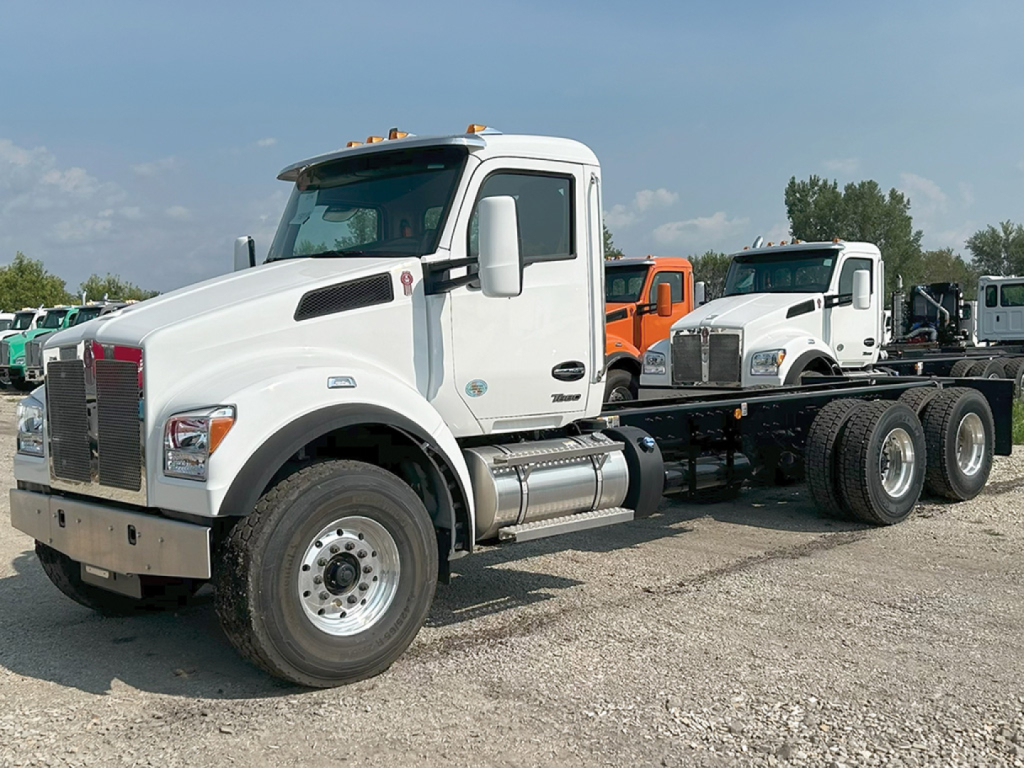
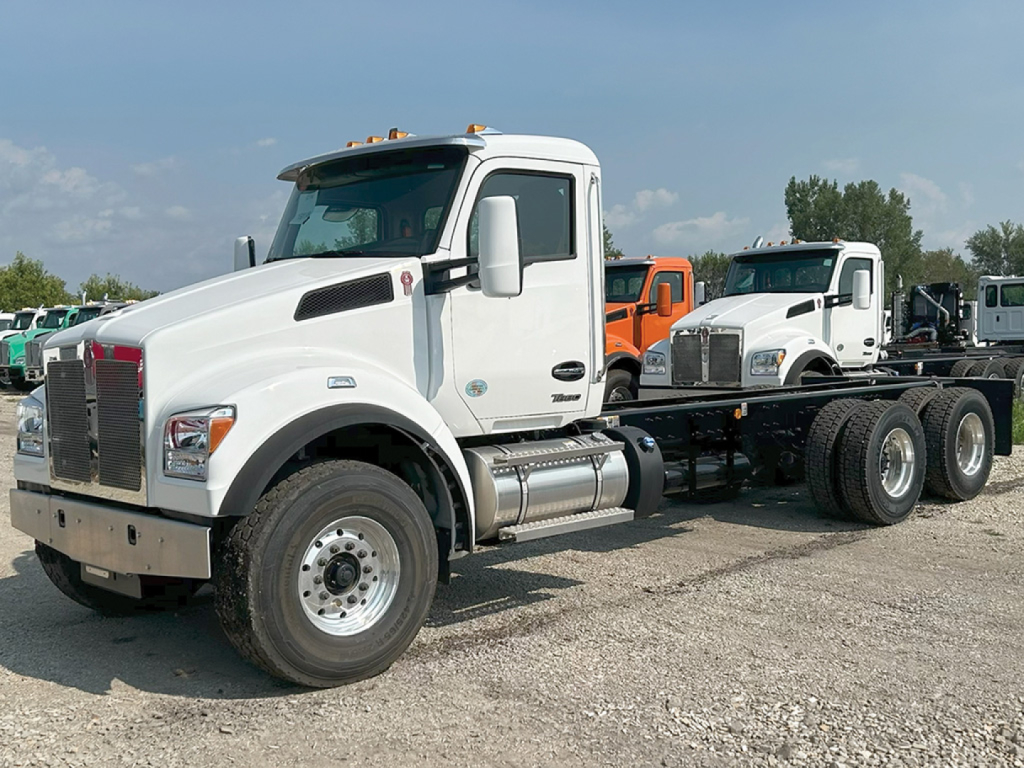
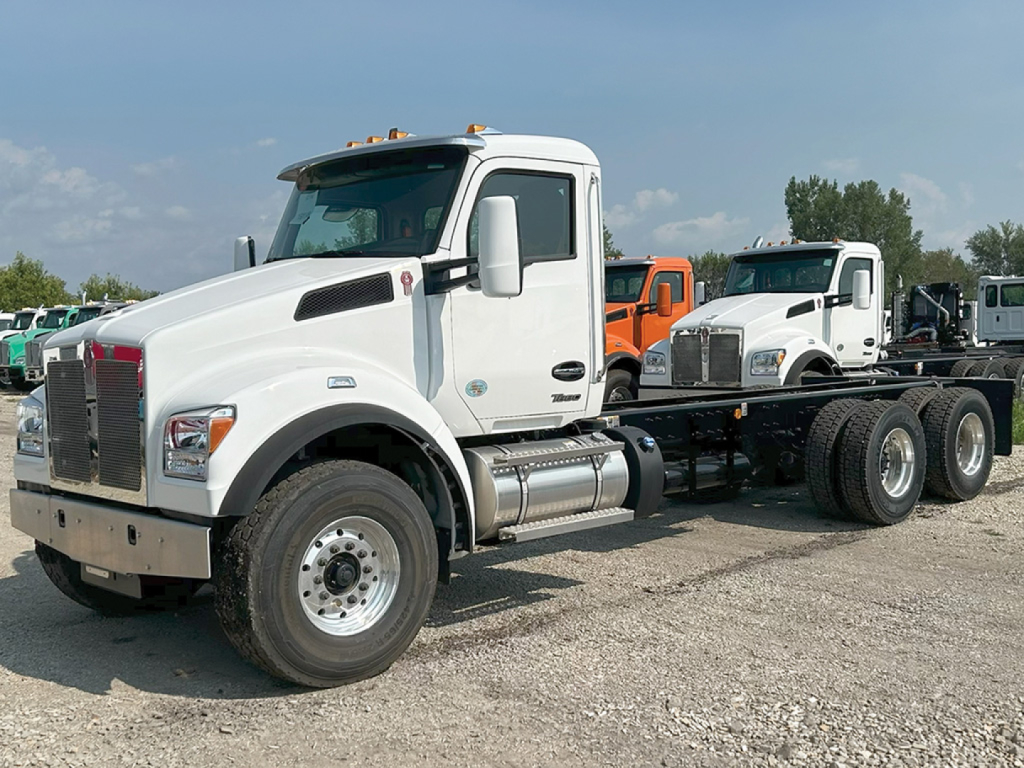
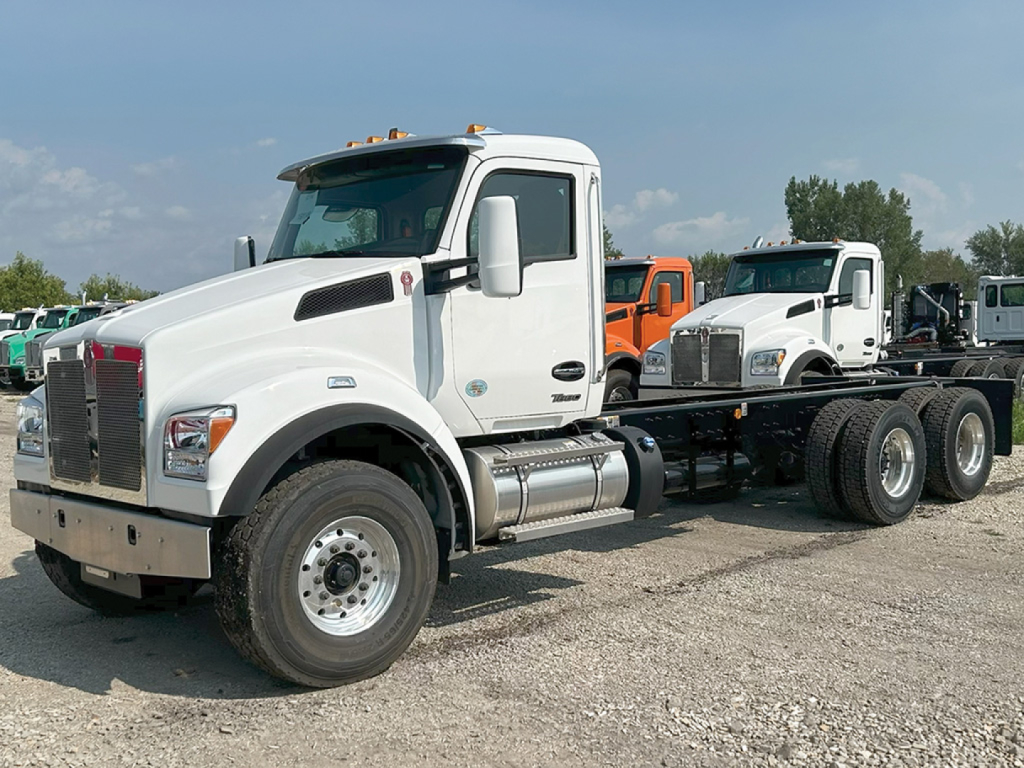
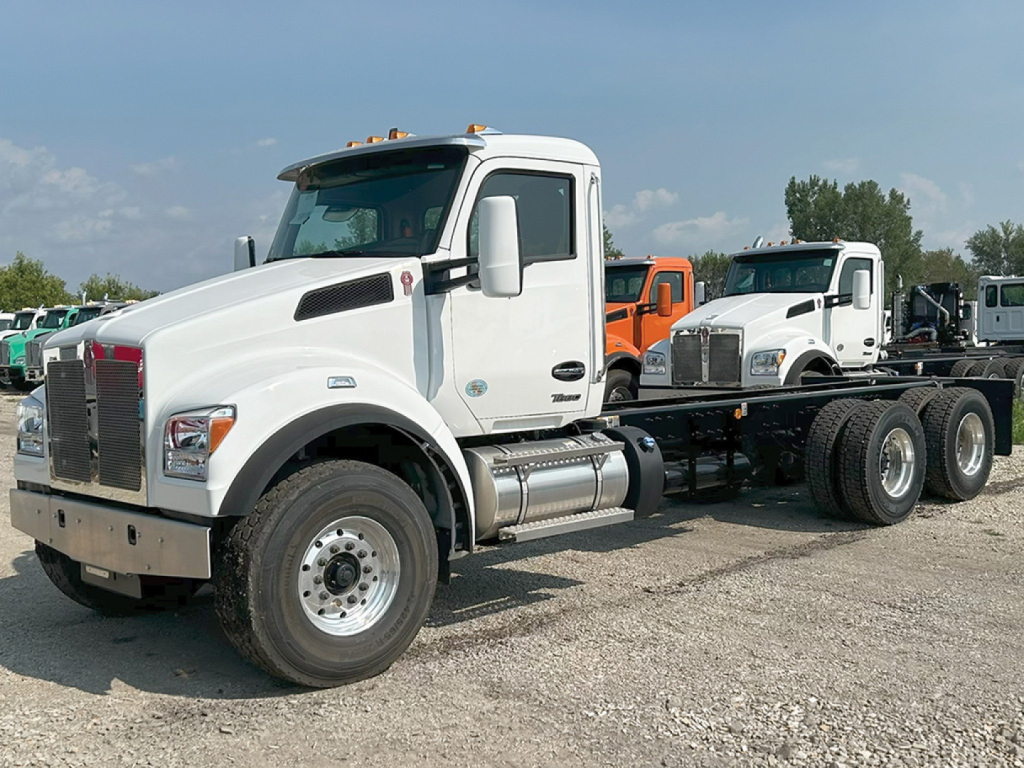

Selling a used 2025 cab and chassis truck? List your used 2025 cab and chassis truck for sale and reach thousands of commercial buyers.
Used 2025 Cab and Chassis Trucks
Powertrain selection spans lighter vocational chassis through heavy tandem-axle platforms. Ford Super Duty chassis cabs offer gasoline and diesel choices, while configurations such as the Kenworth T880 with a PACCAR MX-13 and Allison automatic serve heavier vocational work. Compare transmission torque capacity, axle ratio, suspension and cooling provisions against the completed truck's duty cycle rather than horsepower alone. Hydraulic equipment requires a compatible PTO arrangement, pump capacity and operating controls. Battery-electric chassis require a separate assessment of loaded route distance, charging access and energy demand from body equipment.
A 2025 model can have substantial engine hours despite limited road mileage, especially after demonstration, municipal or stationary vocational service. Obtain an ECM download showing total hours, idle time, fault history and available operating data, then reconcile it with maintenance records. Modern diesel chassis typically use DPF, SCR and DEF systems; inspect aftertreatment operation and confirm emissions equipment remains intact. Verify the chassis model year separately from the engine's certified model year. Establish the original in-service date and transferable warranty coverage because unused mileage does not stop a time-based warranty from expiring.
Frame condition deserves close attention even on a recent-model truck. Look for evidence of removed equipment, elongated mounting holes, cracked crossmembers, undocumented wheelbase changes and repairs near suspension brackets. Inspect steering components, brakes, tires, air-system leakage and driveline angles, particularly where a previous body changed chassis loading. A chassis that sat awaiting completion also needs checks for battery deterioration, tire damage, fluid contamination and rodent-damaged wiring. Require documentation for modifications and verify that remaining wiring and hydraulic connections are usable rather than abandoned remnants.
Operating location can change which otherwise suitable chassis makes sense. Snow Belt and Canadian service calls for close inspection of frame corrosion, electrical connectors and brake plumbing exposed to road salt. Cold-weather electric operation requires allowance for battery heating and cab heat. Across the United States and Canada, legal axle loading and bridge restrictions can limit payload below the manufacturer's ratings. California buyers should verify applicable CARB compliance obligations, while cross-border buyers must confirm import eligibility and certification before committing to a body installation.
Frequently Asked Questions about Used 2025 Cab and Chassis Trucks
Can I install a body from an older truck on a used 2025 cab and chassis?
An older body can be reused only if its dimensions, mounting system, weight distribution and controls suit the 2025 chassis. Modern multiplexed electrical systems may require an approved interface for lighting, interlocks and PTO commands. Have the installer follow the chassis manufacturer's body-builder instructions, including restrictions on drilling or welding frame rails, and determine whether additional certification is required.
Do I need a CDL to drive a 2025 cab and chassis truck?
A completed cab and chassis truck with a GVWR or actual gross weight of 26,001 pounds or more generally requires a Class B CDL in the United States when operated without a heavy trailer. A qualifying combination with a trailer over 10,000 pounds can require Class A. Passenger or hazardous-material service can trigger additional requirements. Canadian licence classes and air-brake qualifications vary by province.
How do I calculate payload after adding a body to a chassis cab?
Subtract the completed truck's ready-to-work scale weight from its GVWR, then check individual axle and tire limits. For example, a 33,000-pound-GVWR chassis cab weighing 21,000 pounds with its body, occupants, fuel and equipment has 12,000 pounds of theoretical payload capacity. Actual usable payload can be lower because of load placement, axle ratings or legal road limits.
Will a used 2025 diesel chassis have to meet 2027 new-engine emissions standards?
A factory-certified 2025 diesel chassis does not automatically require an emissions retrofit simply because newer federal engine standards take effect. U.S. new-engine certification generally follows the engine's certified model year, which can differ from the truck's model year. State operating restrictions, emissions inspections and anti-tampering requirements remain separate obligations. Verify the engine label and requirements wherever the completed truck will operate.
What battery information should I request for a used 2025 electric chassis cab?
Request a manufacturer-supported battery health report showing usable capacity, diagnostic faults and remaining battery warranty for a used 2025 electric chassis cab. Low mileage alone does not establish battery condition. Confirm charging compatibility and investigate any high-voltage isolation faults or pack damage. Evaluate range with the intended body, payload, auxiliary equipment and seasonal temperatures rather than relying on an unladen estimate.