
Used 1999 Cab and Chassis Trucks For Sale in New York
Browse used 1999 cab and chassis trucks in New York. Compare wheelbase, cab-to-axle, GVWR, axle ratings, and frame setup options.
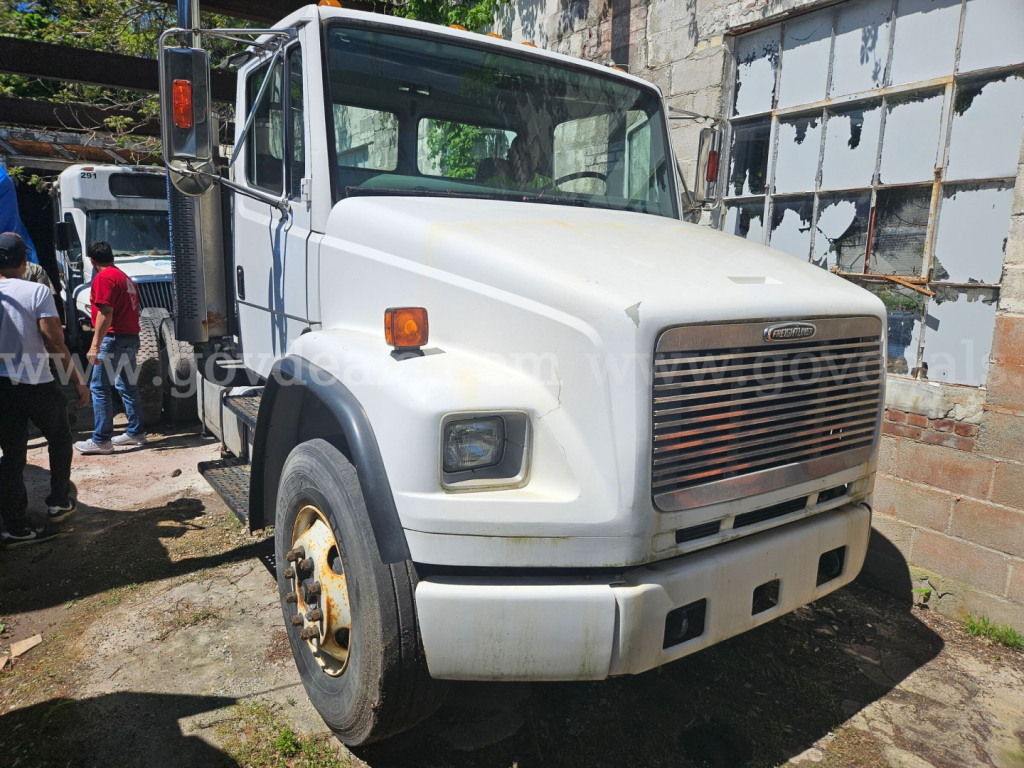
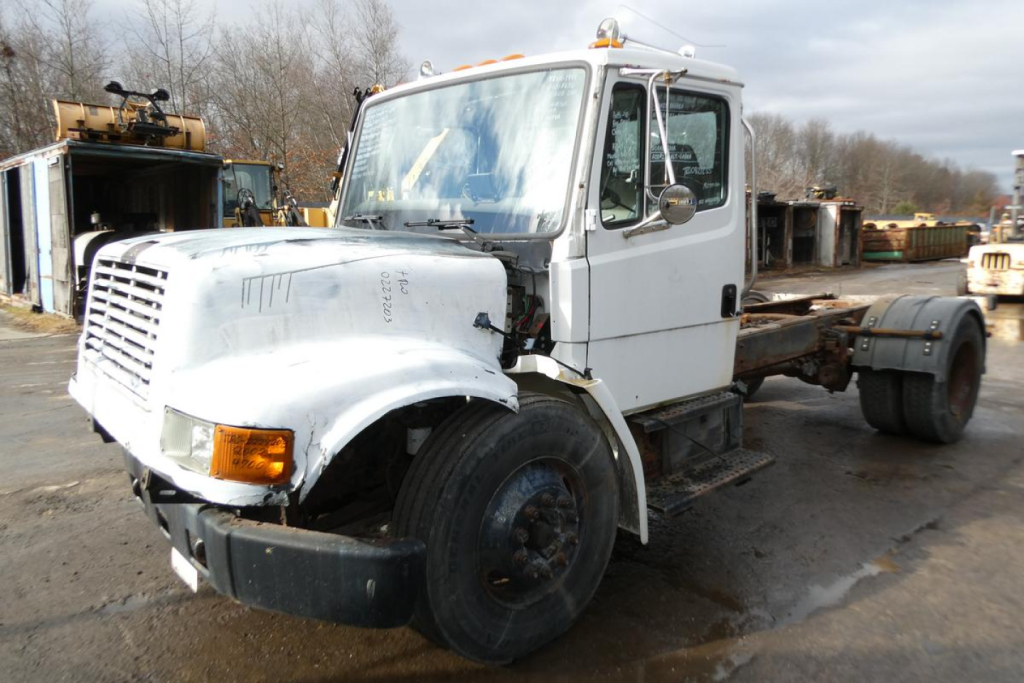
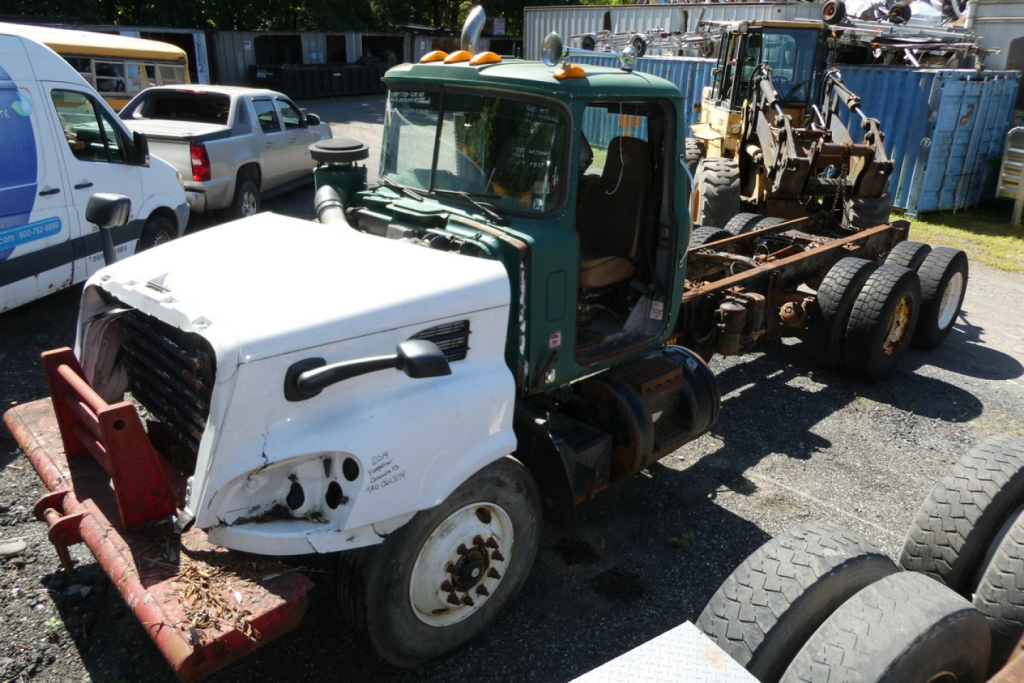
Looking for the easiest place to sell your used 1999 cab and chassis truck? List it here to reach thousands of buyers.
Used 1999 Cab and Chassis Trucks in New York
Most 1999 cab and chassis trucks on the market fall into either medium-duty or heavy-duty configurations. Buyers will regularly see diesel engines in the 175 to 350 horsepower range, paired with automatic or manual transmissions depending on vocation. Common GVWR classes can range from around 14,500 pounds on smaller chassis up to 64,000 pounds on severe-service setups. Rear axle ratings, suspension type, brake system, and frame style should match the intended body and payload. A single-frame rail may suit lighter service, while a double-frame or reinforced rail is more typical for heavy hoists, dump applications, and other high-stress work.
For a 1999 model, inspection discipline is critical. Pay close attention to rust on frame rails, crossmembers, spring hangers, cab mounts, brake lines, and fuel tank supports, especially in New York where road salt can shorten the life of older trucks. Check for frame extensions, welded repairs, and cracks around suspension mounts or tandem areas. Verify whether the truck has air brakes or hydraulic brakes, and confirm that the axle ratio, tire size, and transmission setup fit the speed and load demands of the job. Cab-to-end and cab-to-axle measurements should be confirmed against the body you plan to mount, because a mismatch can turn a straightforward upfit into an expensive fabrication project.
A well-matched 1999 cab and chassis can still deliver good value when the truck is bought for the right application and inspected with the body installation in mind. Buyers comparing listings should focus on wheelbase, GVWR, front and rear axle capacity, suspension type, brake system, engine family, and overall frame integrity before looking at cosmetic condition. If the chassis will be used for seasonal work such as plowing or spreader service, front axle capacity, cooling system health, and PTO compatibility become especially important. The best buy in this category is usually the truck with the cleanest frame, the right measurements, and the least compromise between current spec and final intended use.
Frequently Asked Questions about Used 1999 Cab and Chassis Trucks in New York
What should I check first on a used 1999 cab and chassis truck?
Start with the frame, wheelbase, cab-to-axle, and cab-to-end dimensions. Those measurements determine whether the chassis can accept the body you need without major modification. On a 1999 truck, frame rust, prior weld repairs, cracks near suspension mounts, and crossmember condition are often more important than paint or interior wear. After that, confirm GVWR, axle ratings, brake type, and suspension so the finished truck will be legal and properly matched to the job.
What is the difference between wheelbase and cab-to-axle on a cab and chassis truck?
Wheelbase is the distance between the front axle and the centerline of the rear axle or tandem group. Cab-to-axle, often called CA, is the distance from the back of the cab to the centerline of the rear axle. For body installation, cab-to-axle is one of the most important measurements because body manufacturers use it to determine fitment. A truck can have the right GVWR and still be a poor choice if the CA dimension does not match the body length you plan to mount.
Are 1999 cab and chassis trucks still a good choice for commercial use?
They can be, if the application is realistic and the truck has been inspected carefully. Many 1999 chassis are mechanically simple, parts support is still available for common driveline components, and they can work well in seasonal, municipal, farm, or local vocational service. The biggest risk is age-related deterioration in the frame, brakes, wiring, and suspension. Buyers usually get the best value when the truck is purchased for a specific use case and the chassis already has the right basic dimensions and axle capacities.
Which specs matter most when buying a cab and chassis for a dump or utility body?
For a dump body, focus on frame strength, rear axle capacity, suspension rating, PTO compatibility, and whether the truck has a single or double frame. For a utility body, cab-to-axle, wheelbase, front axle capacity, and frame rail condition are often the deciding factors. In both cases, brake type, tire size, axle ratio, and overall GVWR should support the expected payload and operating environment. A truck with the wrong frame length or insufficient axle capacity can cost more to correct than it is worth.
Why are New York buyers especially cautious with older used cab and chassis trucks?
Road salt and winter service conditions can accelerate corrosion on older trucks. On a 1999 chassis, rust can affect frame rails, brake components, spring hardware, fuel systems, electrical connections, and body-mounting surfaces. Many New York vocational trucks also spent time in plow or municipal work, which adds wear to front axles, steering components, and hydraulics. A careful underbody inspection is essential to separate a usable chassis from one that will need extensive structural or brake repair.