
Kenworth Cab and Chassis Trucks For Sale in Pennsylvania
Compare Kenworth cab and chassis trucks for sale in Pennsylvania by body fit, axle loading, salt damage, and powertrain specs for vocational work.
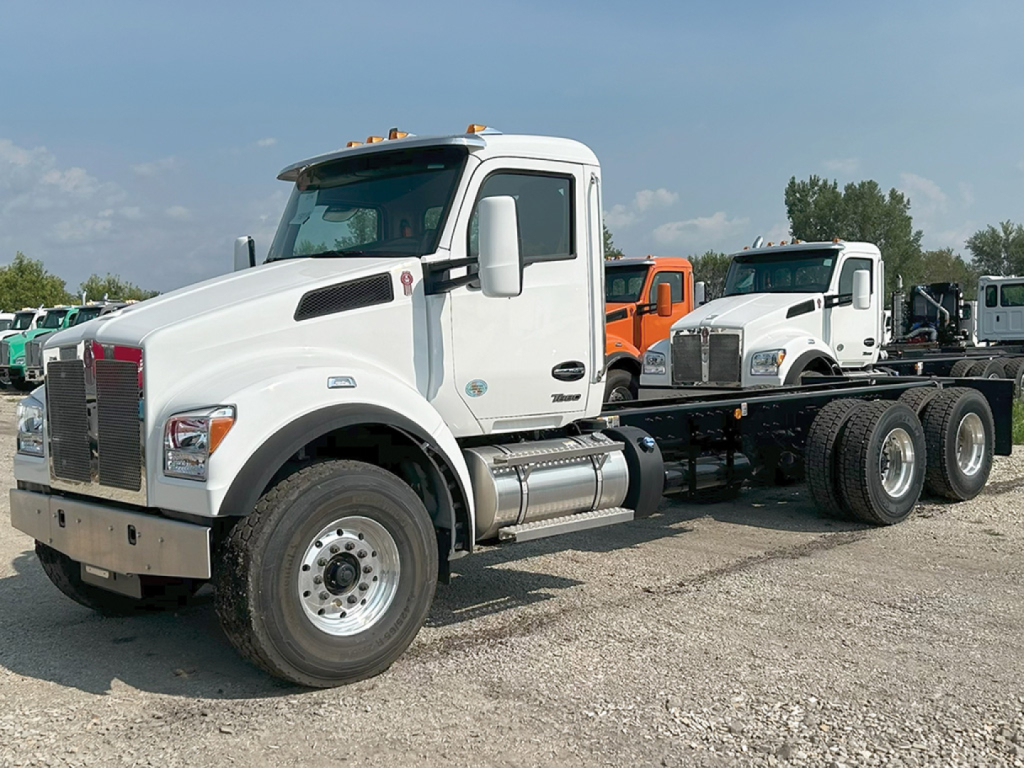
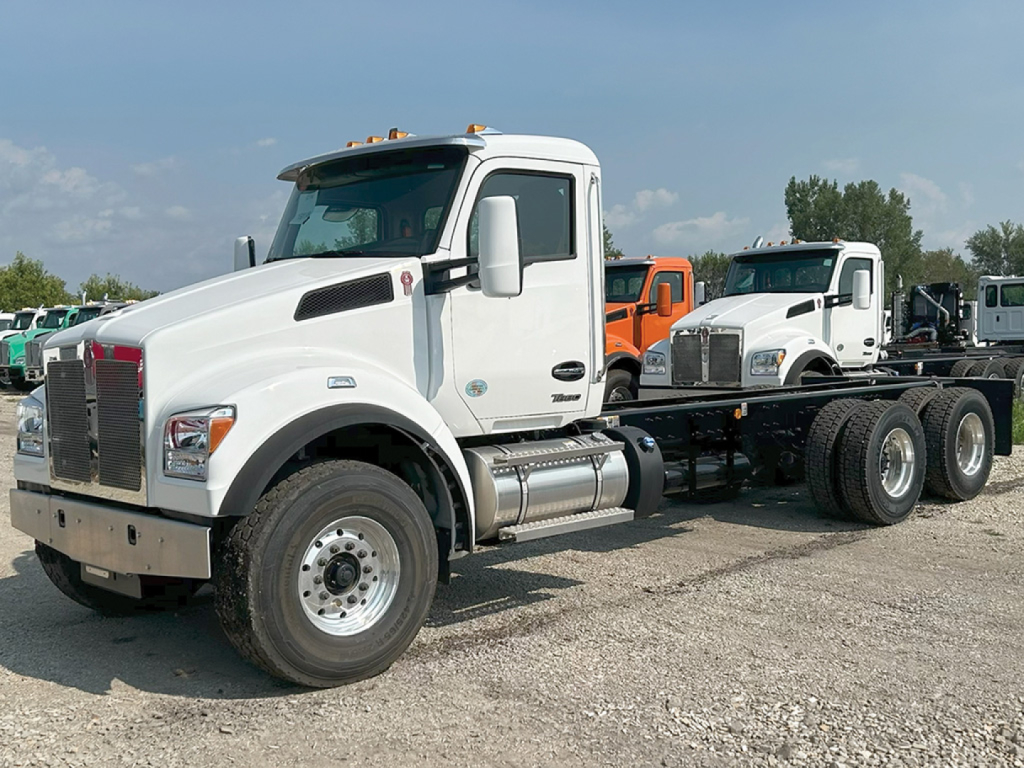
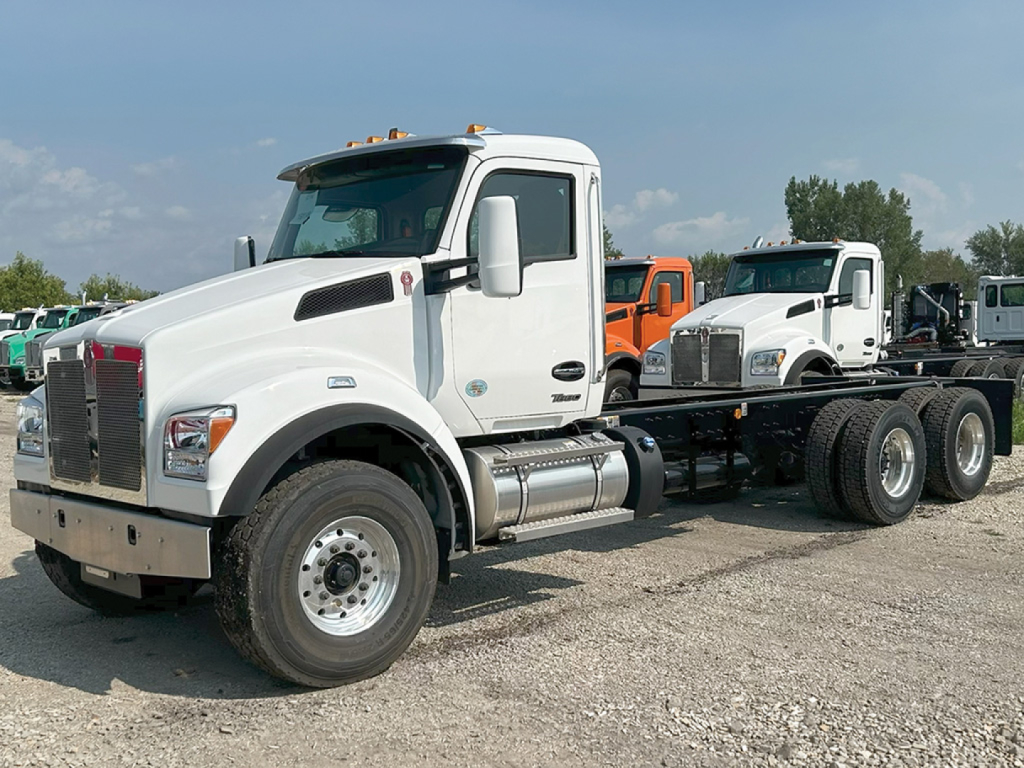
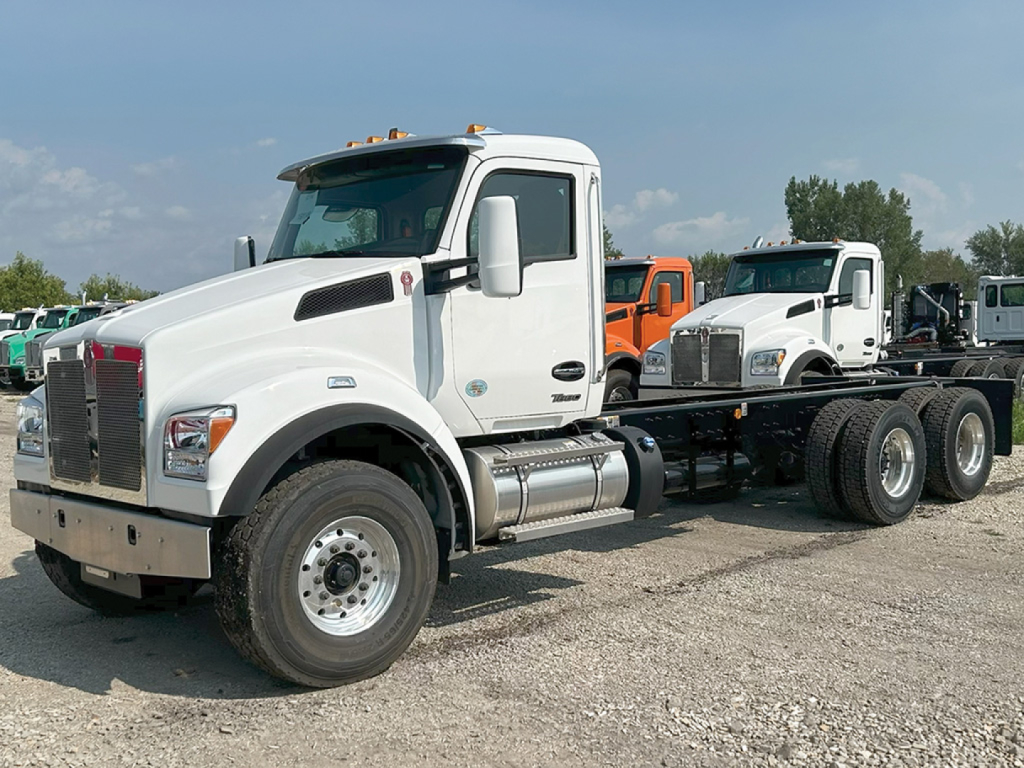
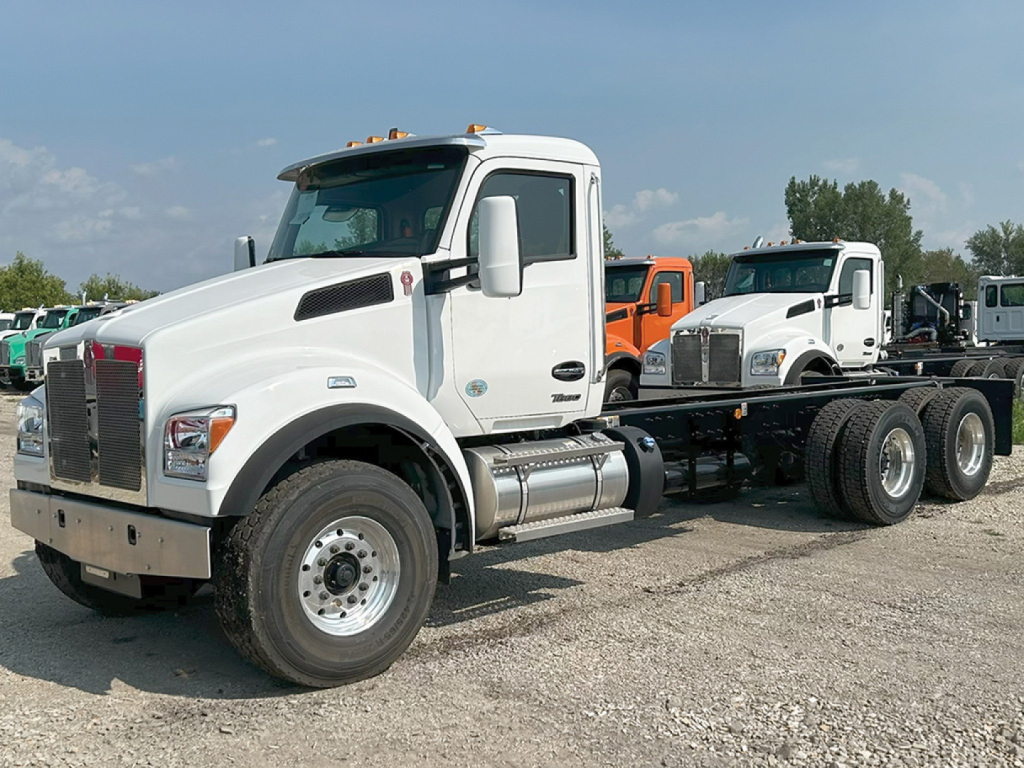
Selling a kenworth cab and chassis truck? List your kenworth cab and chassis truck for sale and reach thousands of commercial buyers.
Kenworth Cab and Chassis Trucks in Pennsylvania
Body length alone does not establish fit: check cab-to-axle dimension, usable frame length, wheelbase, rear overhang, and completed axle weights. Pennsylvania construction, municipal snow service, and utility work can place substantial weight on the steer axle before any payload is loaded. Match front axle, suspension, wheel, and tire ratings together. A 46,000-pound tandem rating describes hardware capacity, not automatic permission to carry that weight; Pennsylvania registration, axle limits, bridge restrictions, and applicable permits control legal operation.
On used chassis, inspect rail interiors, crossmembers, spring hangers, air tanks, brake plumbing, and electrical connectors for salt damage hidden by fresh paint. Look for cracks around body mounts and evidence of drilling, welding, or previous frame alterations. Compare ECM mileage, engine hours, idle time, and fault history with maintenance records, then road-test under load when practical. Most 2007-era and newer highway diesels use a DPF, while most 2010-era and newer diesels add SCR and DEF; confirm emissions equipment by engine identification. Request records for regeneration problems, cooling repairs, and transmission service.
For a new Kenworth, settle body mounting, PTO provisions, hydraulic requirements, exhaust clearance, and electrical interfaces with the upfitter before finalizing the chassis specification. Pennsylvania hills also justify checking engine-brake performance and rear gearing against loaded duty cycles. Confirm chassis, engine, transmission, and body warranty responsibilities separately, including the actual in-service date. Qualifying new heavy truck chassis can carry a 12% federal excise tax, so clarify tax treatment and completed-body charges before comparing total acquisition costs.
Frequently Asked Questions about Kenworth Cab and Chassis Trucks in Pennsylvania
Do I need a CDL to drive a Kenworth cab and chassis truck in Pennsylvania?
A Kenworth chassis cab rated at 26,001 pounds GVWR or more generally requires a Class B CDL for nonexempt commercial operation in Pennsylvania. Class A applies to qualifying combinations rated at 26,001 pounds or more when the trailer exceeds 10,000 pounds GVWR. Air brakes do not create a separate CDL class, but the driver's license must not carry an air-brake restriction when operating air-braked equipment.
How do I know whether a Kenworth chassis has the right PTO for my body?
The body manufacturer's required hydraulic flow, pressure, and operating mode determine the correct PTO setup for a Kenworth chassis. A stationary dump-body application has different requirements from equipment that must operate hydraulics while moving. Confirm transmission PTO compatibility, output speed, torque capacity, pump clearance, and control programming. An installed PTO does not establish that the chassis can properly operate a roll-off, crane, or other hydraulic body.
Is air ride or a vocational spring suspension better for a Pennsylvania work truck?
Air ride favors road-heavy work and ride quality, while vocational spring or walking-beam suspensions often suit sustained rough-site duty. On a Kenworth chassis operating between Pennsylvania highways and construction sites, suspension selection must also account for articulation, traction, and body stability. Dump and crane installations need particular attention to suspension approval and any required air-dump or stabilization procedures specified by the body and suspension manufacturers.
Can I convert a Kenworth road tractor into a cab and chassis truck?
Yes, but a Kenworth tractor conversion needs a body-fit, frame-capacity, and axle-loading review before modification. Tractor wheelbase, rear suspension, gearing, and frame reinforcement may not suit a loaded straight-truck body. Relocating axles or extending rails also affects driveshaft geometry, brake plumbing, wiring, and certification responsibilities. Obtain Kenworth body-builder guidance and a qualified upfitter's written plan before treating a former tractor as an equivalent vocational chassis.
Should I avoid a low-mileage Kenworth chassis with high engine hours?
High engine hours are a reason to investigate duty cycle, not automatically reject a low-mileage Kenworth chassis. Municipal, utility, and hydraulic-equipment work can accumulate substantial stationary operating time. Compare maintenance against the engine manufacturer's hour-based or fuel-consumption-based intervals where specified, rather than mileage alone. Check oil-analysis trends, crankcase pressure, accessory wear, and aftertreatment service records to distinguish properly maintained working hours from neglected extended idling.