
Cab and Chassis Trucks For Sale in Kansas
Browse cab and chassis trucks for sale in Kansas. Compare GVWR, cab-to-axle, engine, transmission, and upfit-ready specs for your application.
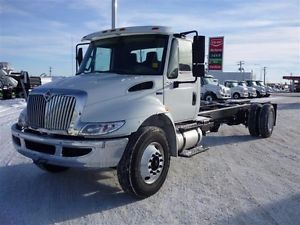
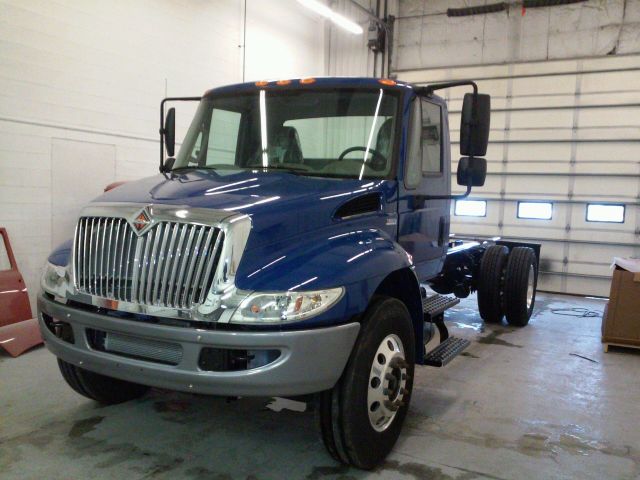
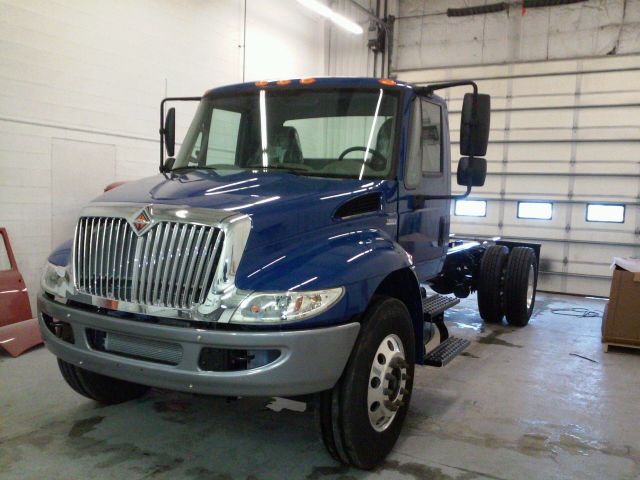
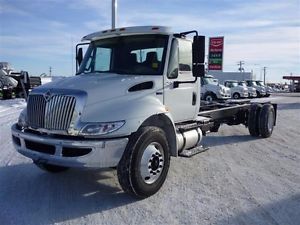
Selling a cab and chassis truck? List your cab and chassis truck for sale and reach thousands of commercial buyers.
Cab and Chassis Trucks in Kansas
A lot of buyers focus first on engine and transmission pairing, and that is the right place to start if the truck will spend its life in stop-and-go routes, PTO work, or mixed highway driving. Automatic transmissions such as an Allison are common on cab and chassis trucks because they suit utility, dump, and local delivery applications and reduce driver fatigue. Manual transmissions still appeal to fleets that want simplicity and direct control. Diesel engines in this segment often fall in the mid-200 to low-300 horsepower range, with torque and rear axle ratio often mattering more than headline horsepower. Air brakes are typical as GVWR moves higher, and options like locking differentials, air ride suspension, and electronic stability control can make a meaningful difference in traction, ride quality, and driver confidence.
Upfit compatibility matters as much as drivetrain spec. A buyer comparing cab and chassis trucks should verify the exact cab-to-axle measurement, frame rail dimensions, axle ratings, fuel tank placement, exhaust routing, and PTO provision before committing to a body. If the plan is a crane body, mechanics truck, or dump application, front axle capacity and frame reinforcement deserve close attention. If the truck is intended for a box or reefer body, body length, door clearance, and turning radius become more important. A clean frame and unmodified chassis can save time and cost at the body builder. It is also worth checking for suspension type, wheelbase, and bridge law considerations if the truck will run loaded across multiple jurisdictions.
Kansas operators often need trucks that can handle a mix of highway miles, rural roads, jobsite access, and seasonal weather. That makes durability, serviceability, and parts support especially important. Cab and chassis trucks from major manufacturers are widely used because they offer broad body-builder support and straightforward maintenance planning. When comparing listings, look beyond model year and mileage and pay attention to intended application, remaining payload after the body is installed, and how the truck was originally ordered. A properly spec'd cab and chassis truck is easier to upfit, carries weight more efficiently, and performs better over the long term than a general-purpose chassis that is forced into the wrong job.
Frequently Asked Questions about Cab and Chassis Trucks in Kansas
What is a cab and chassis truck used for?
A cab and chassis truck is an incomplete truck built to accept a vocational body. Common uses include flatbeds, dump bodies, service bodies, utility trucks, box trucks, tow bodies, tank bodies, and municipal equipment. Buyers choose a cab and chassis when they need a truck tailored to a specific job rather than a factory-finished body style.
What specs matter most when buying a cab and chassis truck?
The most important specs are GVWR, front and rear axle ratings, wheelbase, cab-to-axle length, engine and transmission combination, brake type, and PTO capability. Those details determine what body can be installed, how much payload the finished truck can legally carry, and whether the truck will perform correctly in delivery, construction, towing, or service applications.
What does cab-to-axle mean on a cab and chassis truck?
Cab-to-axle, often written as CA, is the distance from the back of the cab to the centerline of the rear axle. It is one of the most important dimensions on a cab and chassis because body builders use it to match the truck to the correct body length and mounting position. If the CA is wrong, body fitment, weight distribution, and axle loading can all become problems.
Is an automatic or manual transmission better for a cab and chassis truck?
The better choice depends on the application. Automatic transmissions are popular for stop-and-go routes, municipal work, and vocational use because they are easier on drivers and work well with PTO-driven equipment in many setups. Manual transmissions still make sense for fleets that want lower complexity, more driver control, or consistency with existing maintenance practices. The transmission should be matched to the truck's duty cycle, terrain, and body type.
How do I know if a cab and chassis truck will handle my planned upfit?
Start by confirming the truck's GVWR, axle capacities, frame dimensions, cab-to-axle measurement, wheelbase, and available PTO options. Then compare those numbers to the body builder's requirements for body weight, mounted equipment, and expected payload. A truck may look correct on paper but still be wrong if fuel tanks, exhaust, battery boxes, or suspension components interfere with the installation. Matching the chassis to the upfit before purchase usually avoids expensive modifications later.