
Used 2017 Bus Trucks For Sale in Massachusetts
Shop used 2017 bus trucks for sale in Massachusetts, including shuttle and wheelchair bus models with common specs, body layouts, and buyer tips.
Learn more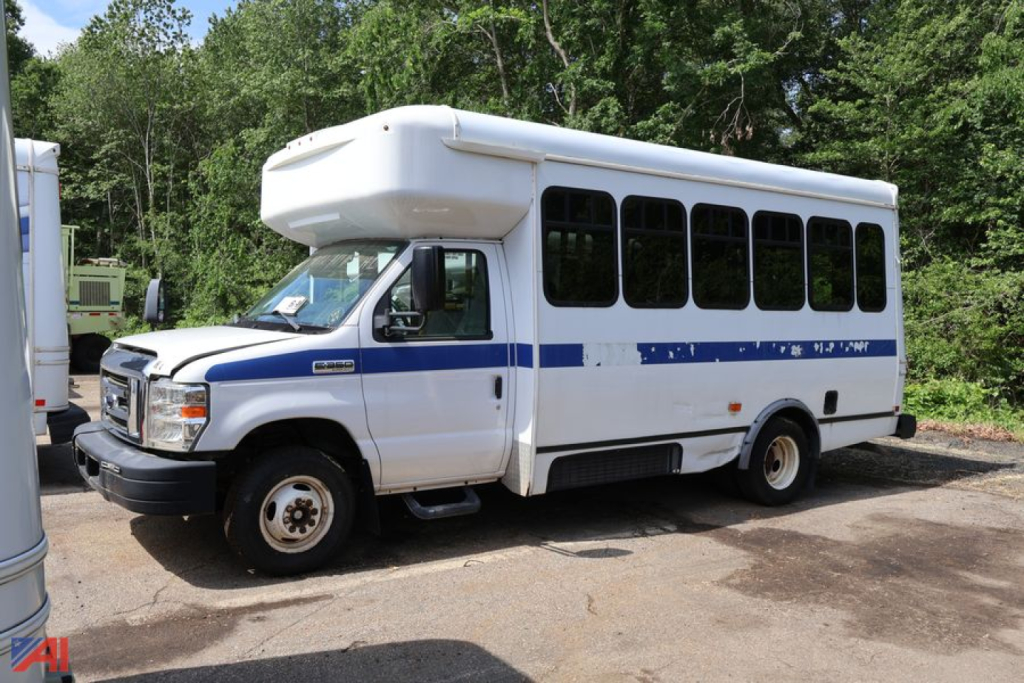
Have used 2017 bus truck to sell? List it here to reach thousands of buyers.
About Used 2017 Bus Trucks in Massachusetts
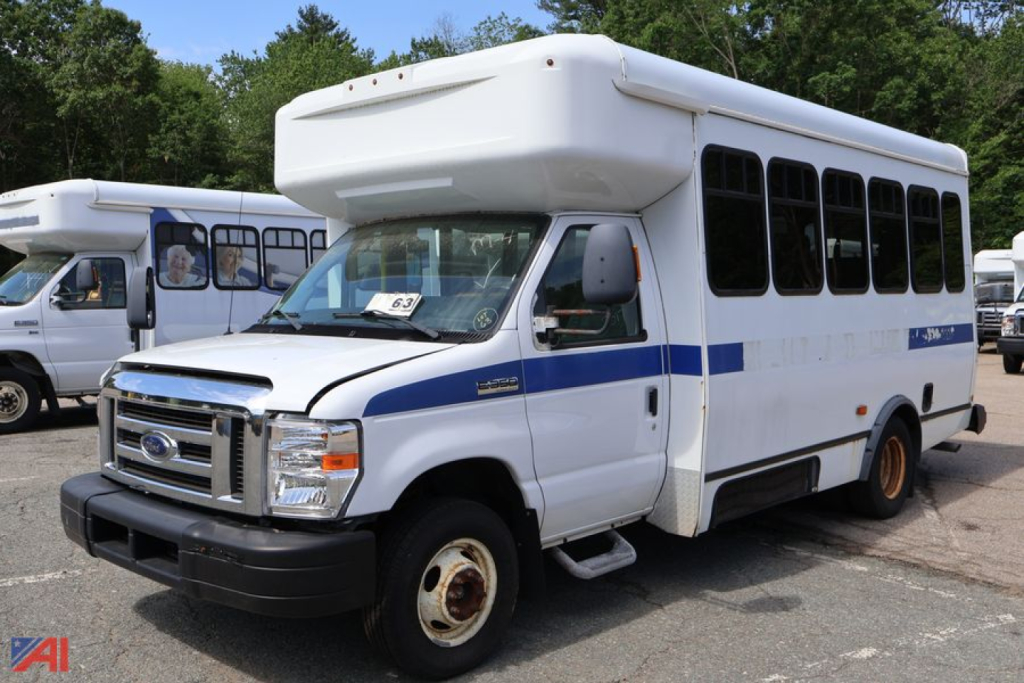
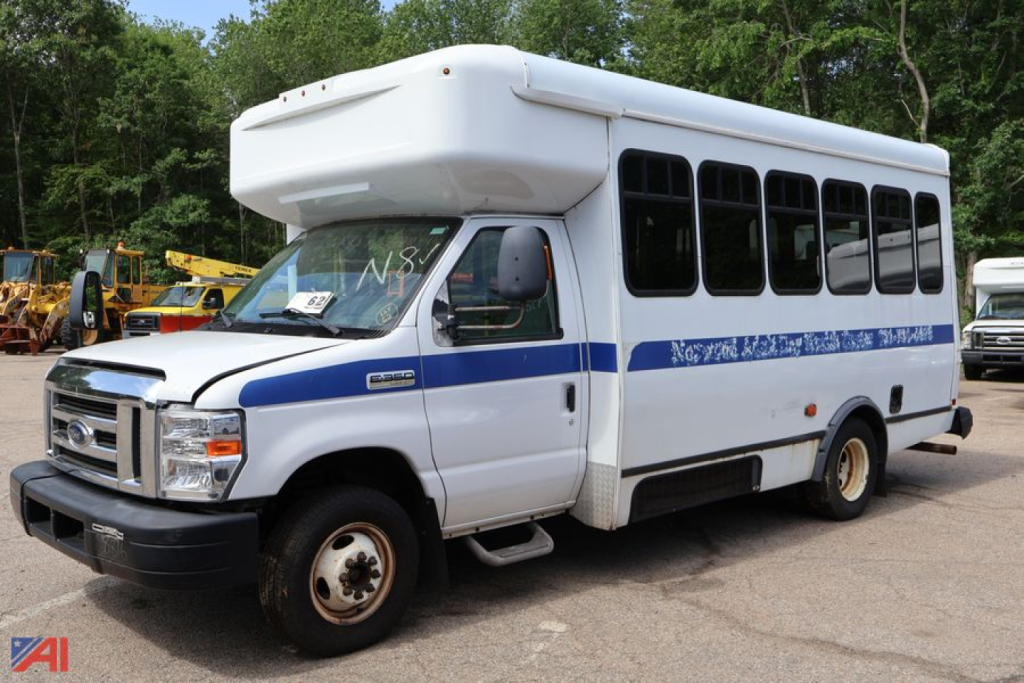
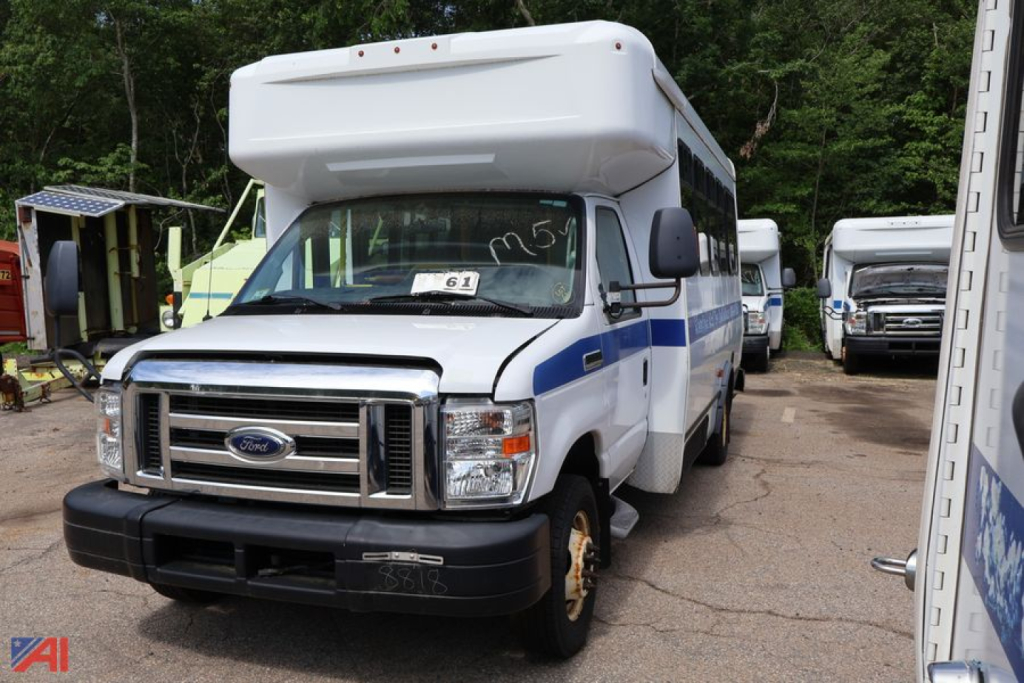
The first buying decision is usually body configuration. Many 2017 bus trucks in this class are ADA-oriented shuttle buses with side-entry wheelchair lifts or ramps, Q'Straint or similar securement systems, and flexible seating layouts that trade total passenger count for mobility access. Check how many ambulatory passengers the bus carries with wheelchair positions occupied, not just the maximum seated count. Door opening width, interior headroom, aisle space, lift capacity, and the condition of securement tracks all affect daily usability. On a used bus, cycle time and wear on the lift, corrosion at the door frames, and the condition of kneeling or interlock systems deserve close attention.
Massachusetts buyers should pay extra attention to rust, underbody condition, and electrical integrity. A 2017 bus that has seen winters in New England may have corrosion on frame surfaces, brake and fuel lines, lift hardware, step wells, and body mounts. Shuttle and wheelchair buses also carry heavier accessory loads than a basic van, so alternator performance, battery health, warning circuits, and rear HVAC function matter. Common inspection points include roof seams, window seals, floor softness near entry doors, rear A/C output, suspension wear from stop-and-go service, and transmission behavior under load. Service records are especially valuable on ex-municipal or agency buses because they can confirm preventive maintenance, lift inspections, and recurring repairs.
Ford E-350 based buses from this period remain popular because they are straightforward to source parts for and familiar to independent repair shops. Buyers comparing listings should look beyond mileage and focus on operating role, idle hours if available, passenger layout, and the quality of the body manufacturer conversion. A bus used for short-route assisted transport may show different wear than one used for longer shuttle runs. If the bus will stay in Massachusetts service, heating performance, defrost capacity, traction tire condition, and accessibility equipment reliability are all high-priority items. The best used 2017 bus truck is the one whose chassis, body, and access equipment match the route, passenger mix, and maintenance capability behind it.
Frequently Asked Questions
What should I inspect first on a used 2017 wheelchair bus?
Start with the wheelchair lift or ramp, securement system, entry door operation, and the condition of the floor around the lift area. These components see constant use and can be expensive to repair if neglected. After that, inspect the chassis like any commercial vehicle, including brakes, suspension, steering, transmission operation, cooling system, and tire wear. On a Massachusetts bus, rust on the undercarriage, lines, mounts, and step wells should be a major part of the evaluation.
Is a 2017 Ford E-350 bus a good platform for shuttle or paratransit work?
Yes, the Ford E-350 cutaway is a common and proven platform for shuttle and wheelchair bus applications. It is widely supported in the service market, parts are generally easier to source than on more specialized platforms, and many technicians are familiar with its drivetrain and chassis systems. The real difference between buses is often the body build quality, passenger layout, lift brand, and how well the unit was maintained over its service life.
How do passenger capacity ratings work on a wheelchair bus?
Passenger capacity on a wheelchair bus is not just a single number. Seating capacity often changes when wheelchair positions are occupied, so buyers need to confirm both the maximum seated passenger count and the number of ADA positions. A bus may advertise one capacity in a general listing, but the practical capacity depends on seat layout, securement station count, and local operating requirements. Reviewing the actual interior layout is the best way to judge fit for your route.
What problems are common on used bus trucks in Massachusetts?
The most common issues are corrosion, aging HVAC components, electrical faults related to body accessories, lift wear, and door hardware fatigue. New England weather can accelerate rust at body mounts, step areas, and exposed hardware, while stop-and-go service adds wear to brakes, suspension, and transmission components. Water intrusion from roof seams or window seals can also create hidden interior damage, especially around flooring and wiring.
Are ex-municipal or agency buses a smart buy?
They can be, especially when maintenance records are available and the vehicle was serviced on a preventive schedule. Government and agency buses are often maintained on time, but they may also have high idle time, frequent short trips, and heavy use of accessibility equipment. A buyer should weigh the benefit of documented service against the wear patterns that come from repetitive route duty, passenger loading cycles, and long accessory run times.