
Used 2008 Bus Trucks For Sale
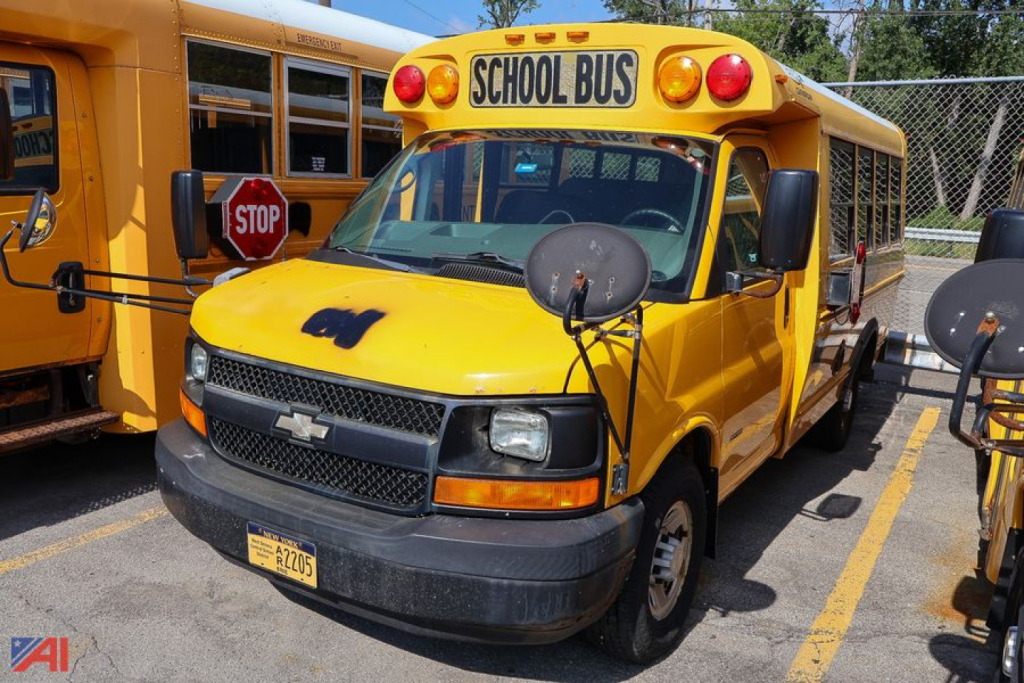
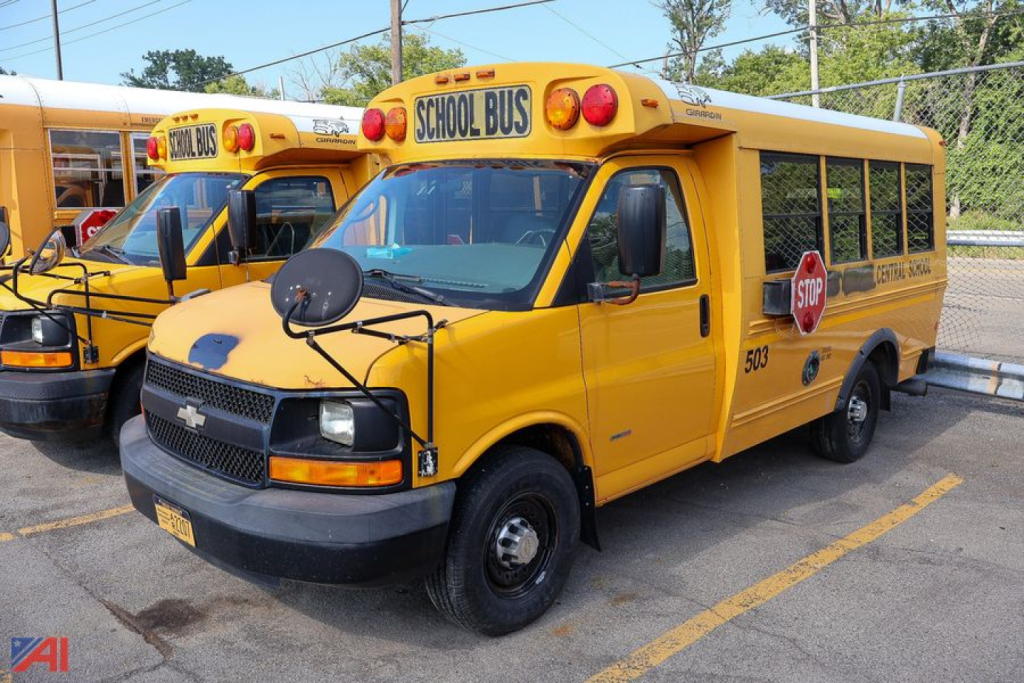
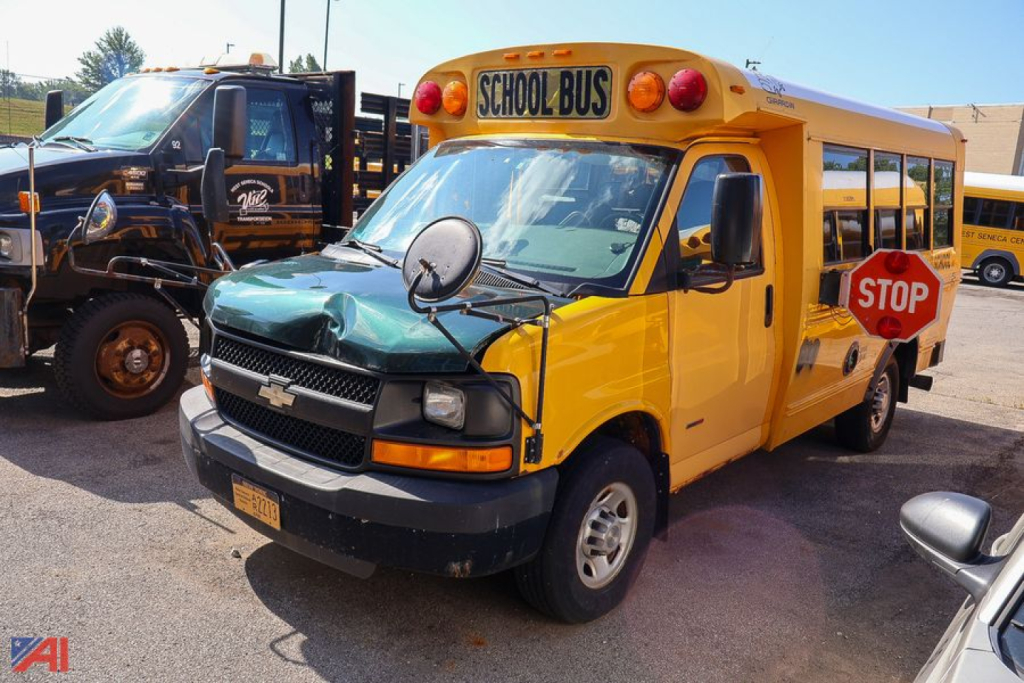
Have used 2008 bus truck to sell? List it here to reach thousands of buyers.
Used 2008 Bus Trucks
The most important buying decision is usually the powertrain. Many 2008 buses were spec'd with proven diesel engines paired to Allison automatic transmissions, and you will commonly see models with hydraulic brakes on lighter applications or full air brakes on larger-capacity units. Buyers should verify engine family, emissions equipment, horsepower rating, rear axle ratio, and transmission series before comparing price alone. A bus that looks similar on paper can perform very differently depending on passenger load, route speed, terrain, and idle time. Wheelbase, overall length, GVWR, and passenger rating also matter because they affect maneuverability, licensing, parking, maintenance cost, and how easily the unit can be repurposed.
Condition matters more than age in this category. A used 2008 bus truck should be evaluated for frame corrosion, stepwell rust, floor integrity, roof leaks, suspension wear, brake condition, steering play, tire date codes, and service history. On school bus units, buyers should also inspect warning light systems, wheelchair lift operation if equipped, heater performance, emergency exits, and seat mounting points. If the bus is being purchased for non-school commercial use, it is worth confirming whether the body will need decal removal, seat reconfiguration, HVAC upgrades, or title and registration changes before it goes to work.
A well-bought 2008 bus can still offer dependable service if the spec matches the job. Short buses are easier to route in tight urban or campus environments and are often favored for shuttle duty or small-group transport. Full-size buses deliver better passenger count and storage flexibility but bring higher operating costs and tighter turning requirements. Buyers comparing used 2008 bus trucks should focus on route type, required seating capacity, brake preference, parts support, and the long-term cost of bringing an older unit up to operating standard. That approach usually separates a low-priced bus from a genuinely usable one.
Frequently Asked Questions about Used 2008 Bus Trucks
What should I check first when buying a used 2008 bus truck?
Start with the powertrain, brake system, and body condition. Confirm the engine model, transmission type, odometer reading, and whether the bus has hydraulic or air brakes. Then inspect for rust in the frame rails, stepwell, floor, and body mounts, because corrosion can turn a cheap bus into an expensive rebuild. Service records, tire age, suspension wear, and signs of roof or window leaks are also high-value checks on a 2008 unit.
Are 2008 buses good for commercial shuttle use or conversions?
Yes, many 2008 buses are still viable for shuttle, church, contractor, or conversion use if the chassis and body are structurally sound. Short and mid-size buses are often easier to repurpose because they fit more parking areas and usually have lower operating costs than full-size models. Buyers should still verify local registration rules, seat requirements, lift compliance, and whether the original school bus equipment will need to be removed or modified for the intended application.
What engine and transmission setups are common in 2008 bus trucks?
Used 2008 buses commonly feature diesel engines from major medium-duty platforms and are often paired with Allison automatic transmissions. Exact specs vary by manufacturer and application, so two buses from the same year can have very different horsepower ratings, rear axle ratios, and emissions equipment. That is why buyers should compare full driveline specs, not just make, model, and mileage, especially if the bus will run hilly routes, heavy passenger loads, or extended idle time.
Is a short bus or full-size bus the better buy?
The better buy depends on route conditions and passenger demand. A short bus is easier to maneuver, simpler to park, and often less expensive to maintain, which makes it attractive for shuttle work, private transport, and specialty builds. A full-size bus makes more sense when seating capacity is the priority, but it generally comes with higher tire, brake, and suspension costs along with stricter space requirements.
Do older 2008 buses usually have air brakes or hydraulic brakes?
Both are common, and the brake setup usually follows the size and intended duty of the bus. Larger conventional and transit-style buses are more likely to have air brakes, while smaller units may use hydraulic systems. This matters because brake type affects licensing, maintenance procedures, stopping performance under load, and technician familiarity, so it should be part of the buying decision early in the process.