
Used 2019 Ford Bus Trucks For Sale in New York
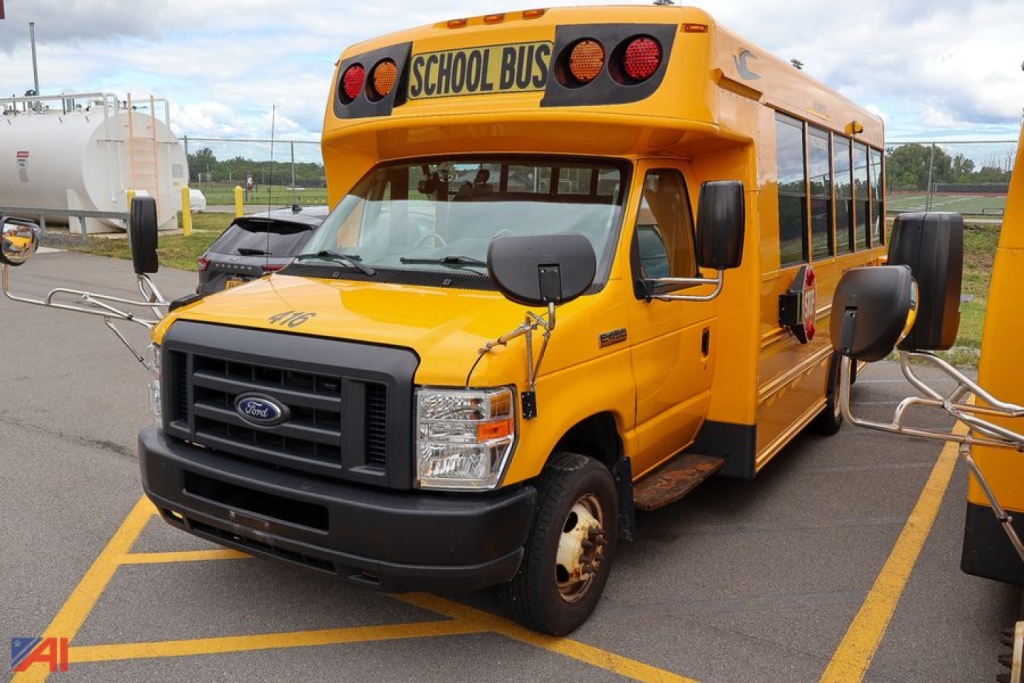
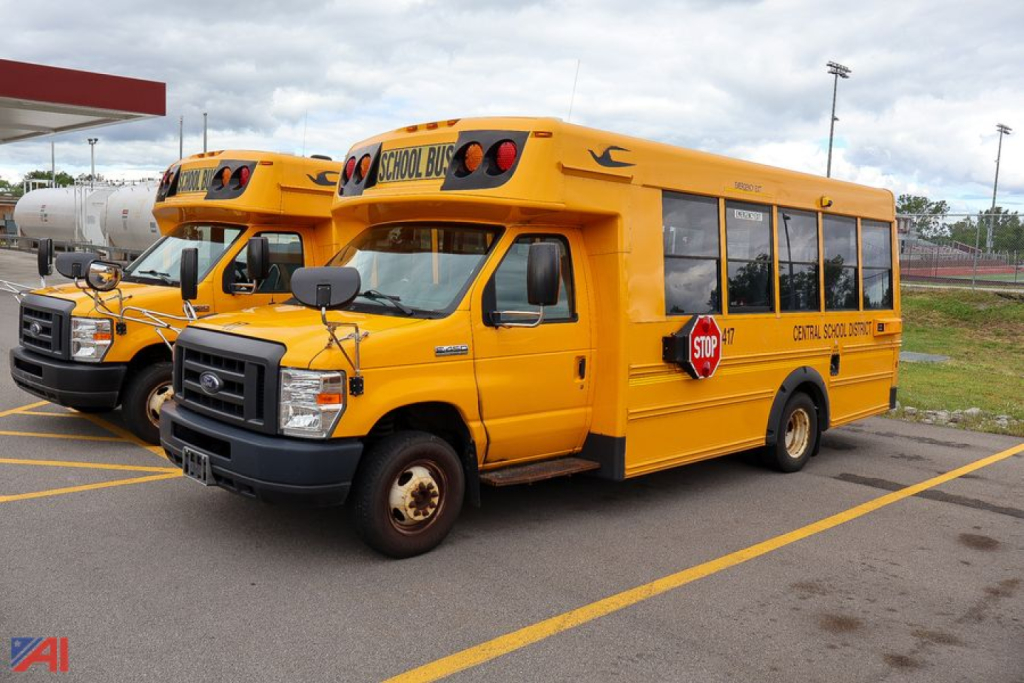
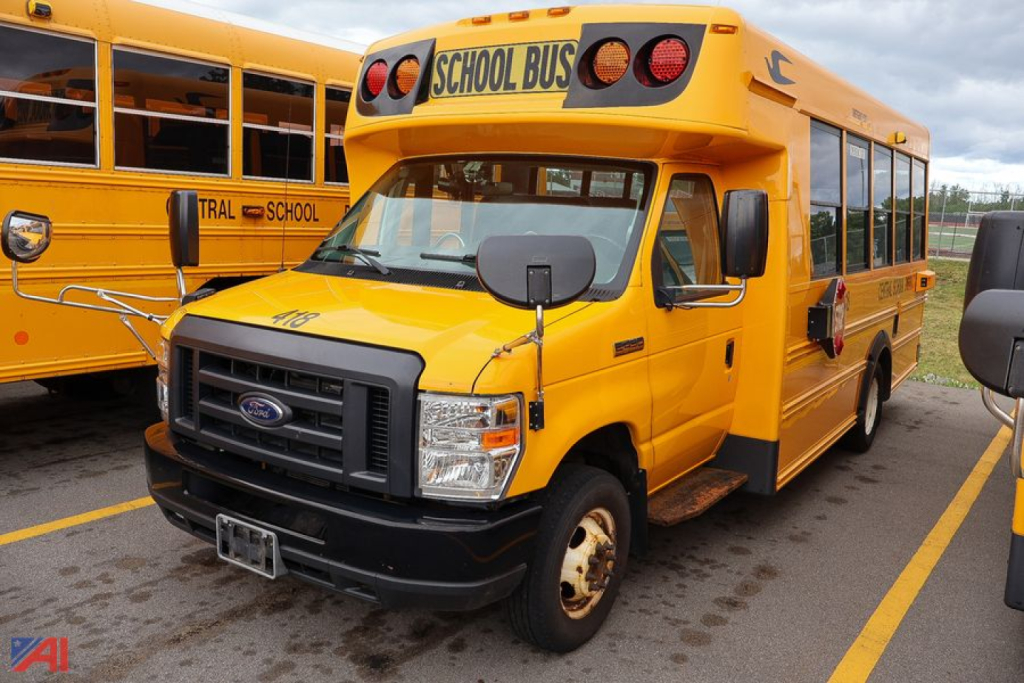
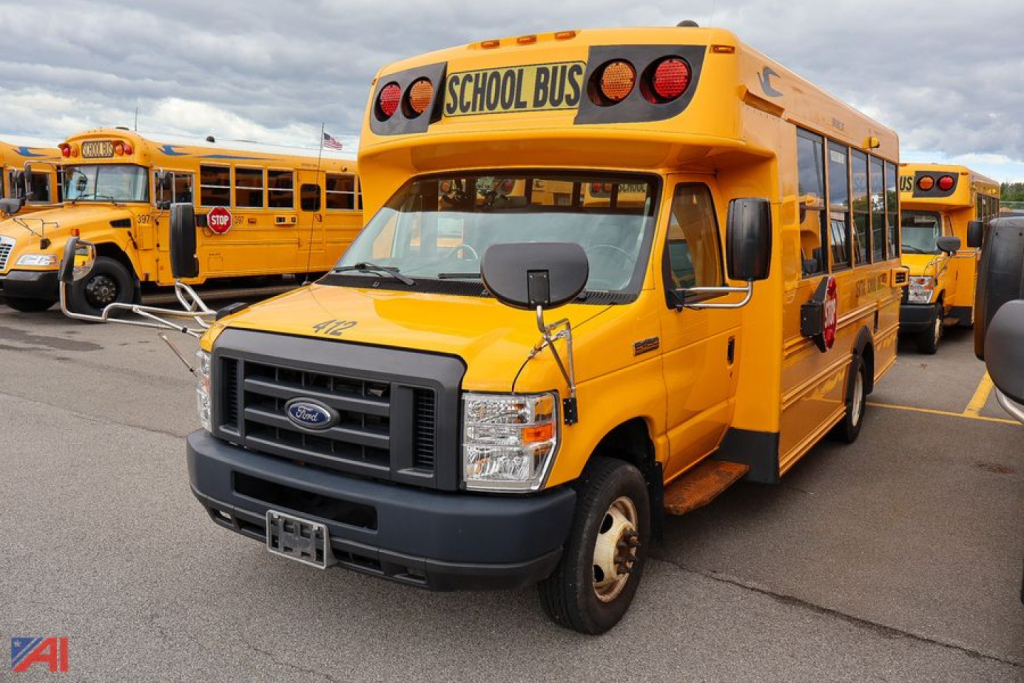
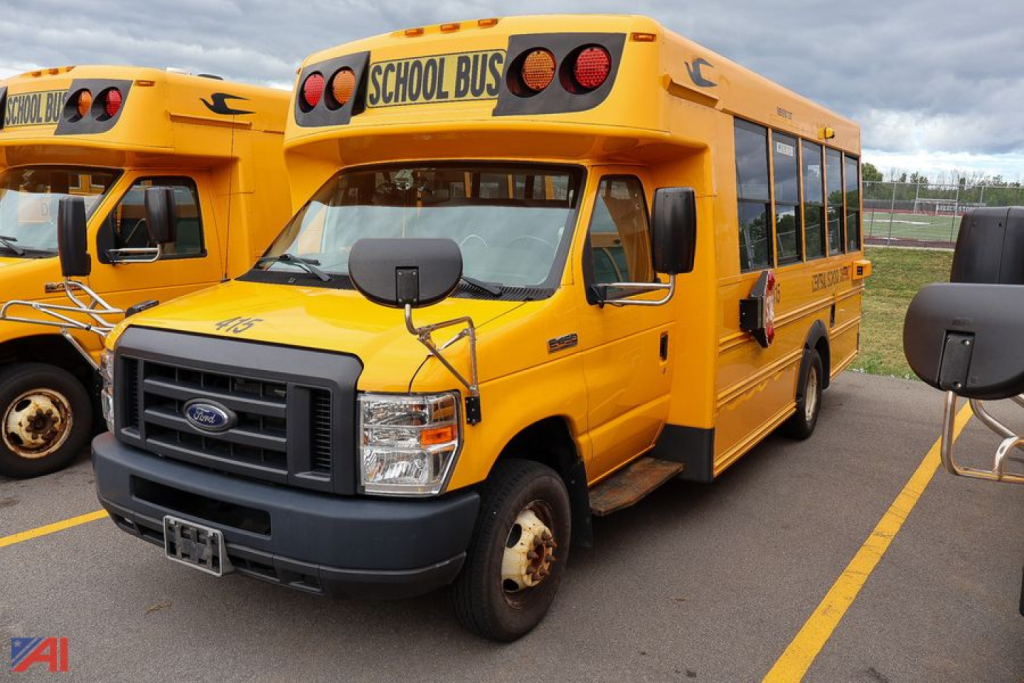
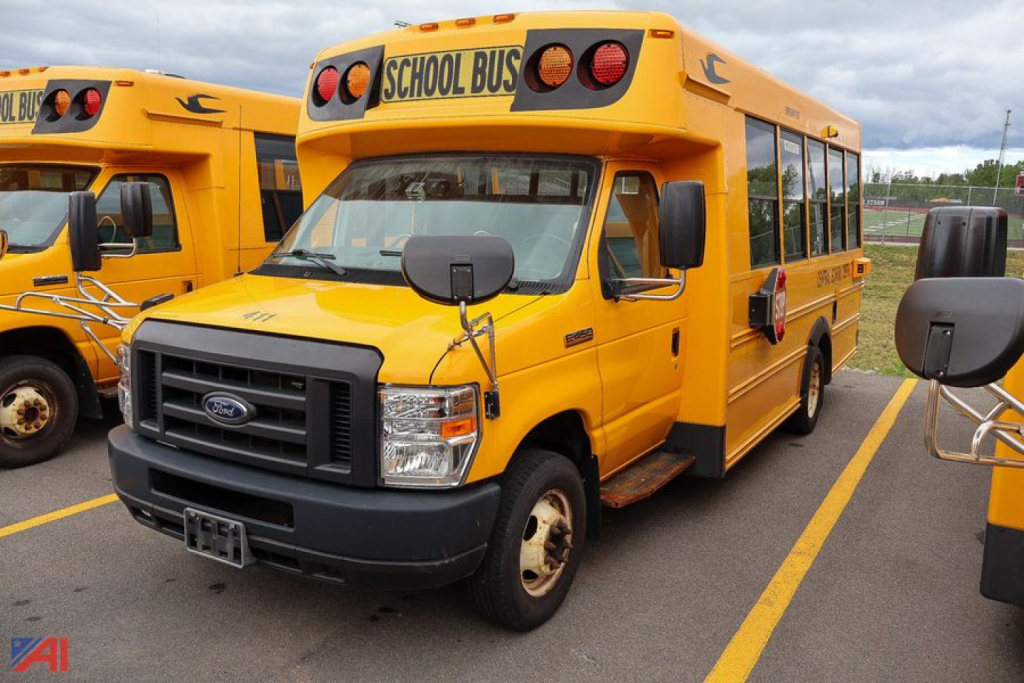
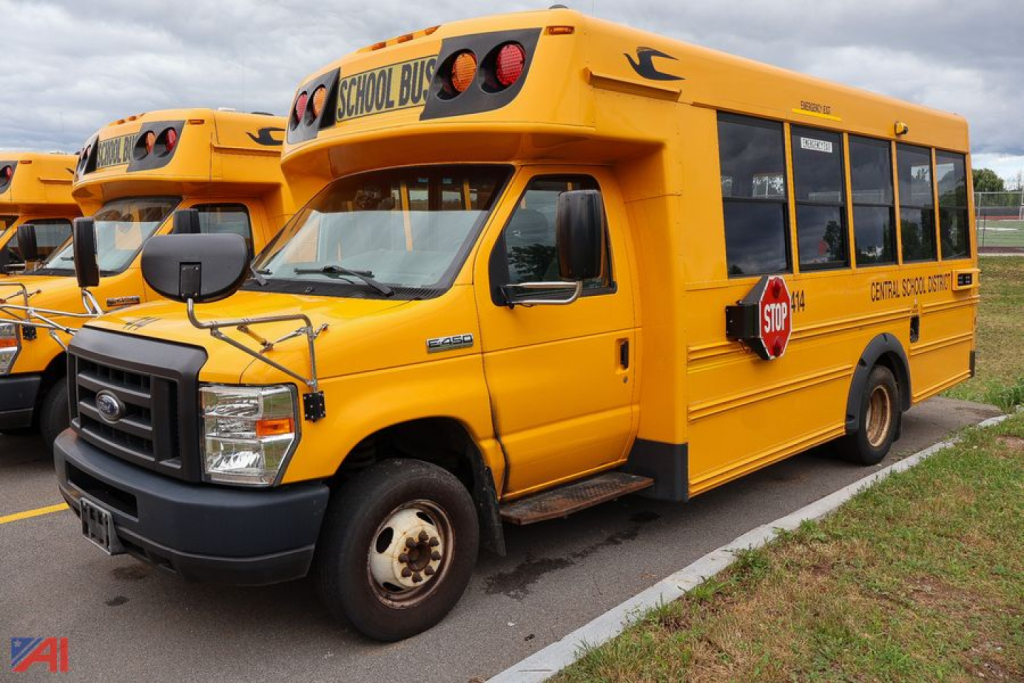
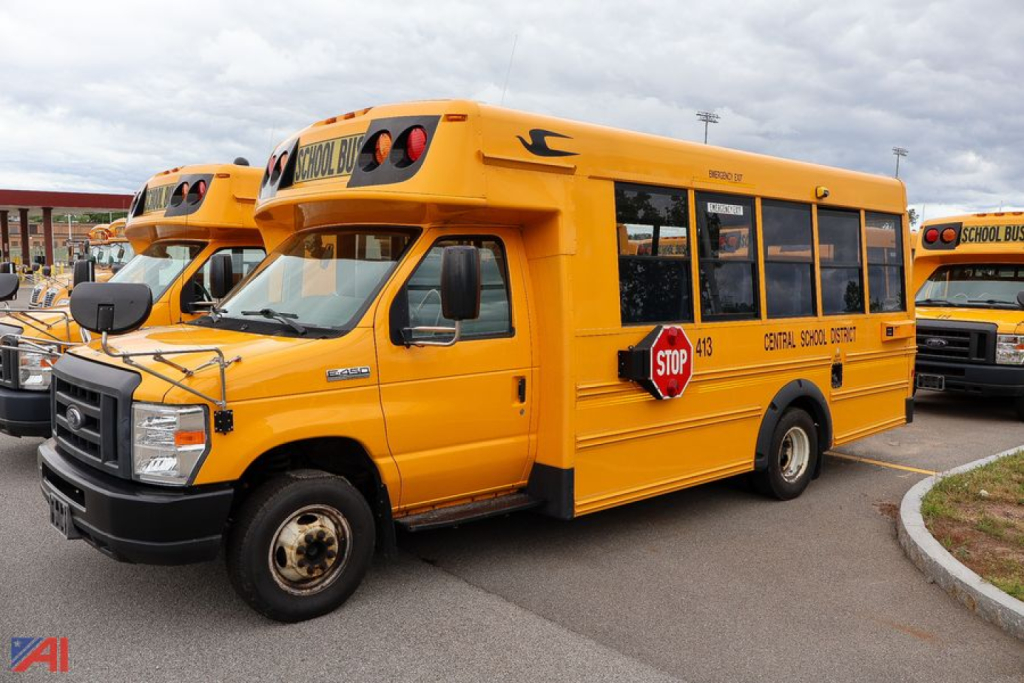
Have used 2019 ford bus truck to sell? List it here to reach thousands of buyers.
Used 2019 Ford Bus Trucks in New York
On 2019 Ford bus trucks, the chassis matters. The E-450 Super Duty platform is popular because it offers strong parts support, familiar serviceability, and GVWR capacity suited to small-to-mid-size bus bodies. Buyers should verify passenger count, wheelchair positions, roof height, and whether the unit uses a gas or diesel powertrain, since these factors affect operating cost, maintenance planning, and licensing requirements. In New York, rust and corrosion inspection is especially important on step wells, door frames, underbody structure, brake lines, suspension mounting points, and body skirts due to road salt exposure.
A 2019 model year bus can be a good middle ground for fleets that want newer safety and emissions-era equipment without paying near-new pricing. On school bus applications, check warning light systems, crossing control equipment, stop arm function, seat condition, and local compliance history. On shuttle or paratransit units, pay close attention to wheelchair lift cycles, interlock operation, tie-down track condition, HVAC performance, rear A/C output, and entry door wear. Tires, batteries, front-end components, and transmission service records tell you a lot about how the bus was maintained and whether it spent its life on stop-and-go urban work or lighter scheduled runs.
Ford bus trucks are also known for being straightforward to source for municipal, church, medical transport, campus, and private fleet use because the E-Series platform has broad aftermarket support. A smart buyer compares body manufacturer quality, not just chassis year and mileage. Look at roof seams, sidewall integrity, window seal condition, flooring, lift brand support, and electrical accessory installation quality. The best used 2019 Ford bus is usually the one with a documented service history, the right seating and accessibility layout, and a chassis-body combination that matches the route, passenger load, and inspection environment it will face in New York.
Frequently Asked Questions about Used 2019 Ford Bus Trucks in New York
What is the most common chassis for a 2019 Ford bus truck?
The most common chassis is the Ford E-450 Super Duty cutaway. It is widely used under school bus, shuttle bus, and wheelchair-accessible bus bodies because it offers strong weight capacity, common service parts, and broad familiarity among commercial repair shops. Buyers should still confirm the exact chassis rating, axle setup, and body manufacturer because two buses with the same Ford front end can be spec'd very differently for passenger capacity and duty cycle.
What should I inspect first on a used 2019 Ford bus in New York?
Start with corrosion, maintenance records, and accessibility equipment if equipped. In New York, road salt can affect the underbody, brake lines, suspension hardware, step areas, and lower body structure. After that, inspect tires, steering and front-end wear, transmission service history, HVAC operation, emergency exits, warning systems on school buses, and the condition of wheelchair lifts or tie-down tracks on paratransit units. A bus with average mileage but strong records is often a better buy than a lower-mile unit with poor documentation.
Are 2019 Ford buses good for shuttle and paratransit service?
Yes, many 2019 Ford buses are well-suited for shuttle and paratransit work, especially E-Series and E-450 based units. These buses are commonly configured with multiple passenger seating layouts, rear luggage space, ADA-compliant wheelchair lifts, and dual A/C systems. The key is matching the body configuration to the route. Frequent stop-and-go service, lift use, and heavy HVAC demand put different stress on a bus than school route or church transport use.
What is the difference between a Ford school bus and a Ford shuttle bus?
The main difference is in the body, interior layout, and regulatory equipment rather than the Ford chassis itself. A school bus typically includes school-route seating, warning lights, stop arm equipment, and body construction designed around pupil transportation standards. A shuttle bus usually has different seating, entry door arrangements, interior trim, and may include ADA features, luggage space, or coach-style passenger amenities. Buyers should evaluate the bus based on its intended application, not just the chassis make and model.
Does mileage matter more than engine hours on a used bus?
Both matter, but route type matters even more. A bus can show moderate mileage and still have heavy wear if it spent years in dense stop-and-go service with frequent idling, door cycles, and lift operation. Engine hours, transmission service records, brake history, and interior wear often give a clearer picture of real use than odometer reading alone. For fleet buyers, maintenance consistency and evidence of scheduled servicing usually predict operating reliability better than mileage by itself.