
Used Blue Bird Bus Trucks For Sale in New York
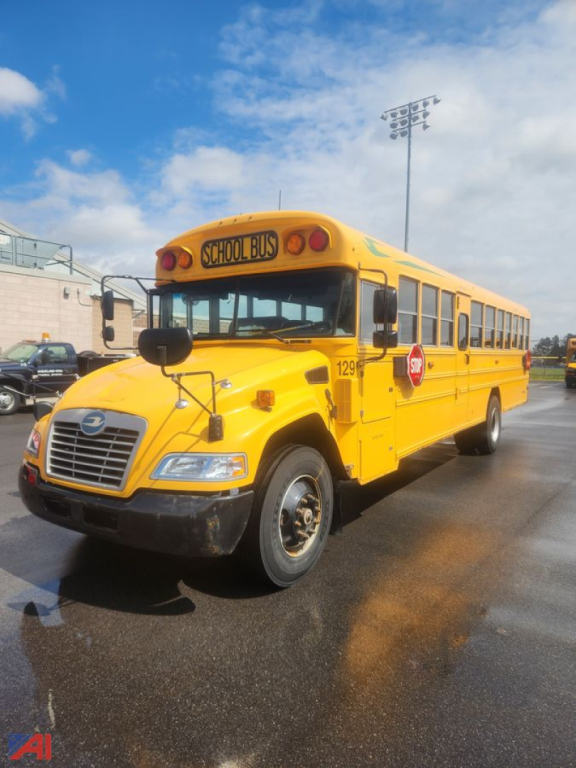
Browse used Blue Bird buses for sale in New York, including Vision school bus and wheelchair configurations with buyer-focused spec guidance.
Learn more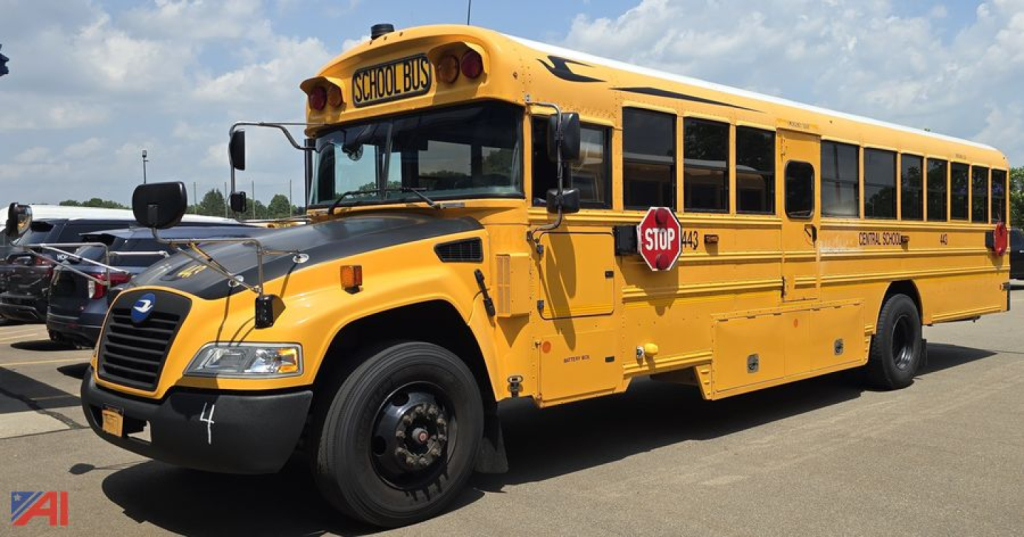
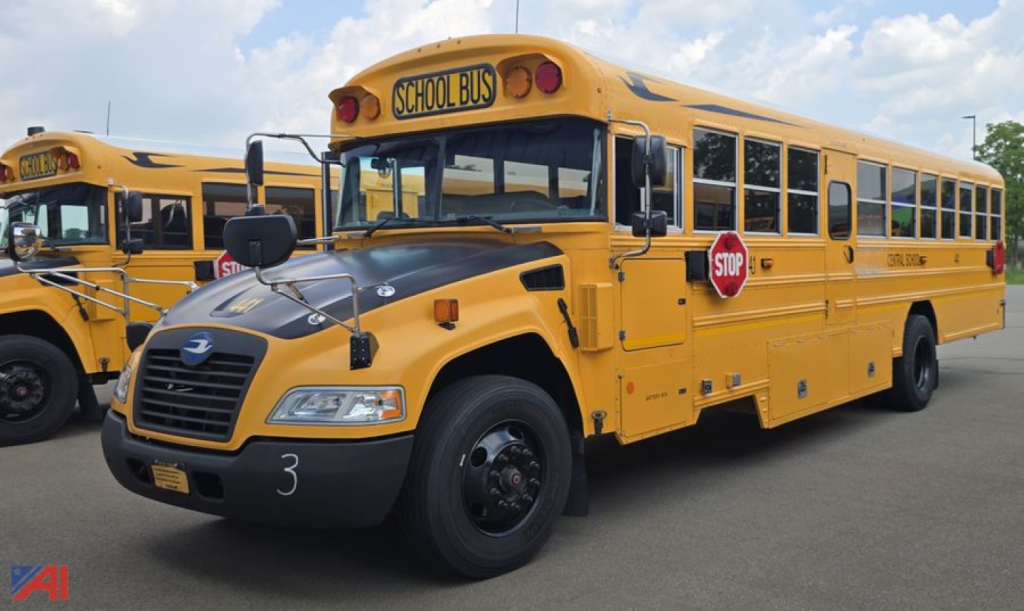
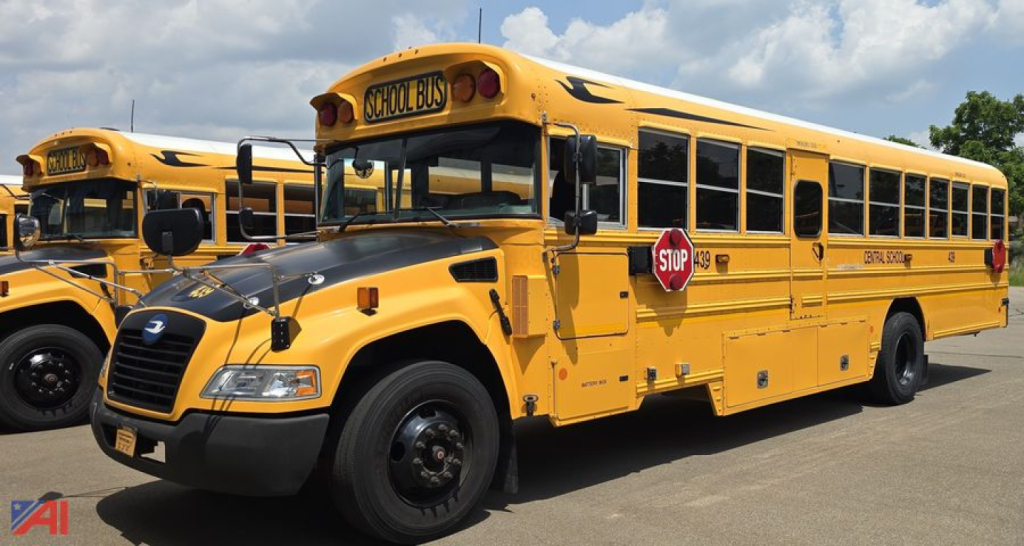
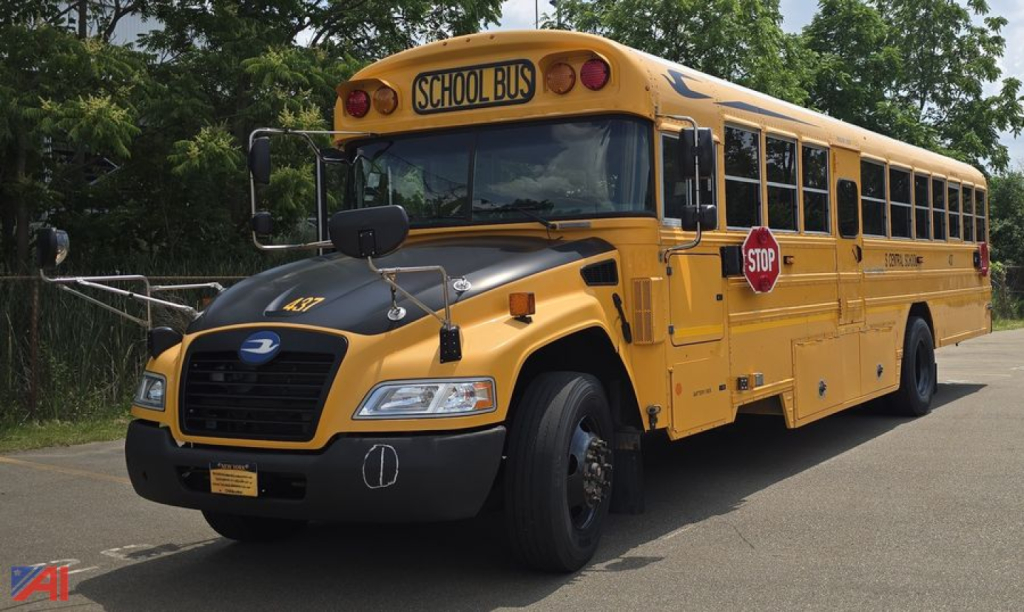
Showing 13 to 17 of 17 results
Have used blue bird bus truck to sell? List it here to reach thousands of buyers.
About Used Blue Bird Bus Trucks in New York
The biggest buying decision usually comes down to seating layout, lift equipment, and drivetrain history. Passenger capacity varies by floorplan, seat spacing, and wheelchair positions, so the body length and interior configuration matter more than the badge on the side. Wheelchair buses should be checked for lift cycle count, interlock function, tie-down condition, door seals, and any corrosion around the lift opening. On standard route buses, pay attention to underbody rust, stepwell condition, heater operation, emergency exits, crossing arm and warning light systems if still equipped, and signs of hard idle hours from frequent stop-and-go service. Many used Blue Bird buses in this class were maintained on public fleet schedules, which can be a plus if service records are complete.
On the mechanical side, Blue Bird Vision buses are commonly found with diesel engines and automatic transmissions suited for repeated starts, short-route operation, and PTO-driven accessory loads. Buyers should look at mileage in context with engine hours, because school buses often accumulate hours faster than road miles suggest. Front suspension wear, brake life, cooling system condition, DEF and emissions service history on newer diesel units, and tire date codes all deserve a close inspection. If the bus will stay in New York service, winter exposure makes frame corrosion, brake line condition, body seam sealing, and floor integrity especially important. A clean interior and straight body panels matter, but structural condition under the bus matters more.
Blue Bird buses also appeal to buyers converting units for non-school use, including mobile offices, church transport, event support, or private shuttle work. That makes door configuration, luggage or storage needs, roof height, HVAC performance, and title or decommissioning status worth confirming before purchase. For buyers comparing several used Blue Bird buses, the best value is usually the one with documented maintenance, solid structural condition, and the right passenger or accessibility layout for the job, not simply the newest model year.
Frequently Asked Questions
What should I inspect first on a used Blue Bird bus?
Start with the frame, underbody, stepwell, and floor for rust or structural corrosion, especially on buses that have spent winters in New York. After that, review engine hours versus mileage, transmission operation, brake condition, tire age, and any maintenance records. On school bus applications, door hardware, warning system components, heaters, and emergency exits should also be checked because these buses spend years in frequent stop-and-go duty.
Are Blue Bird Vision buses good for wheelchair or special-needs transport?
Yes, many Blue Bird Vision buses are configured for wheelchair service and can be a strong fit when the accessibility equipment is in good condition. The key items are lift operation, interlocks, tie-down tracks, restraint hardware, door opening condition, and the actual number of wheelchair positions versus seated passenger spaces. A bus can look clean and still need lift or restraint work, so accessibility components should be tested as carefully as the drivetrain.
Is mileage or engine hours more important on a used school bus?
Engine hours are often just as important as mileage, and in some cases more important. School buses typically rack up substantial idle time and low-speed route hours that do not show up as road miles. A lower-mile bus with very high engine hours may have more wear on the engine, cooling system, charging system, and transmission than the odometer alone suggests.
What engine and transmission setups are common in used Blue Bird buses?
Used Blue Bird buses are commonly equipped with diesel engines paired with automatic transmissions designed for route service. Exact engine availability depends on model year and original fleet specification, so buyers should confirm emissions equipment, transmission model, cooling system service, and any fault history before purchase. The right setup depends on route length, passenger load, and whether the bus will remain in stop-and-go service or be repurposed for longer shuttle use.
Can a used Blue Bird school bus be converted for commercial or private use?
Many buyers do convert Blue Bird buses for shuttle, church, office, or specialty transport use, but the bus should be evaluated for more than just mechanical condition. Seating layout, HVAC capacity, rear or side door configuration, wheelchair equipment, title status, and decommissioning requirements all matter. If the bus was originally used for school service, buyers should verify what equipment must be removed or disabled to meet local rules before placing it into a different type of operation.