
2016 Blue Bird Bus Trucks For Sale in New York
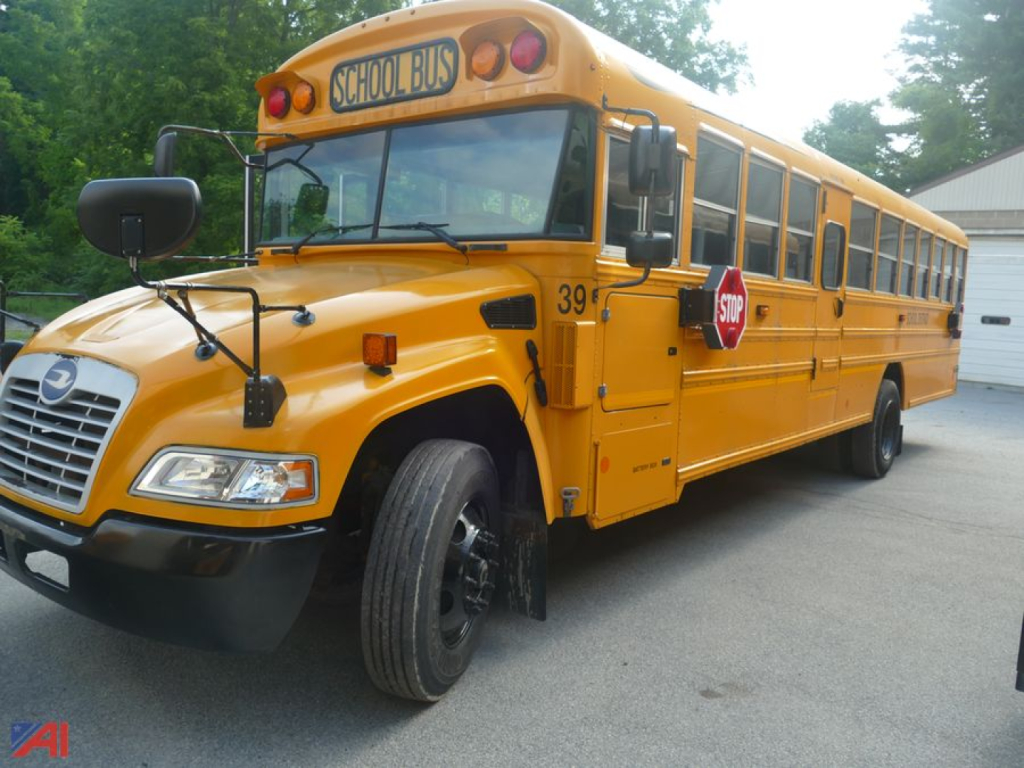
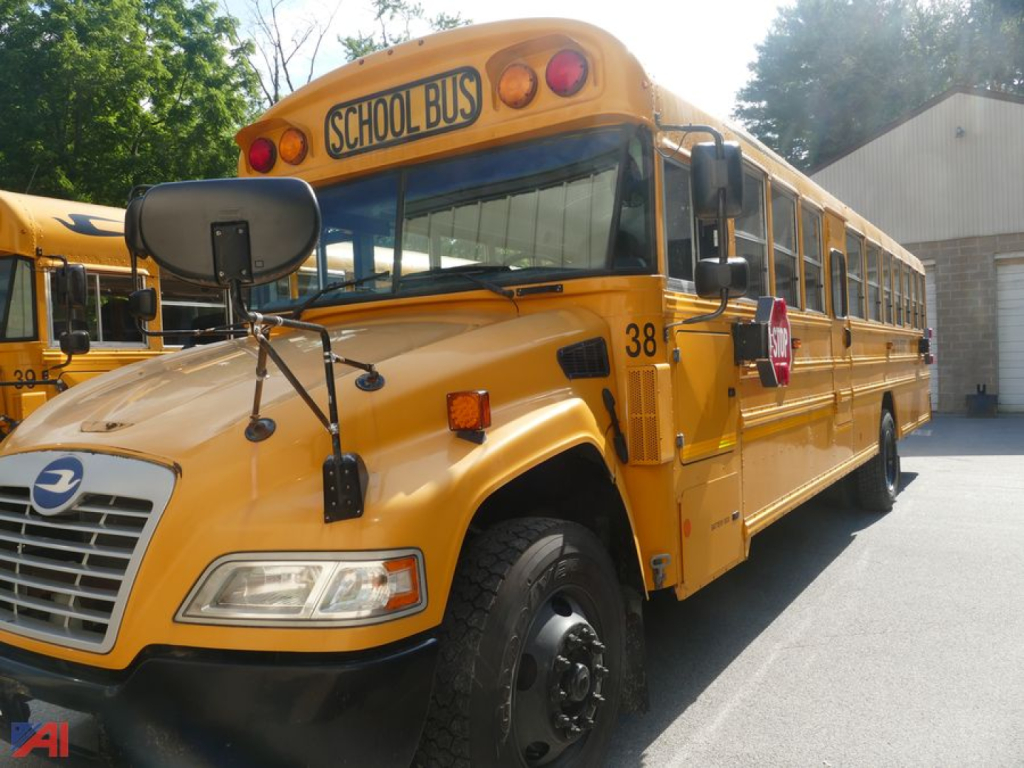
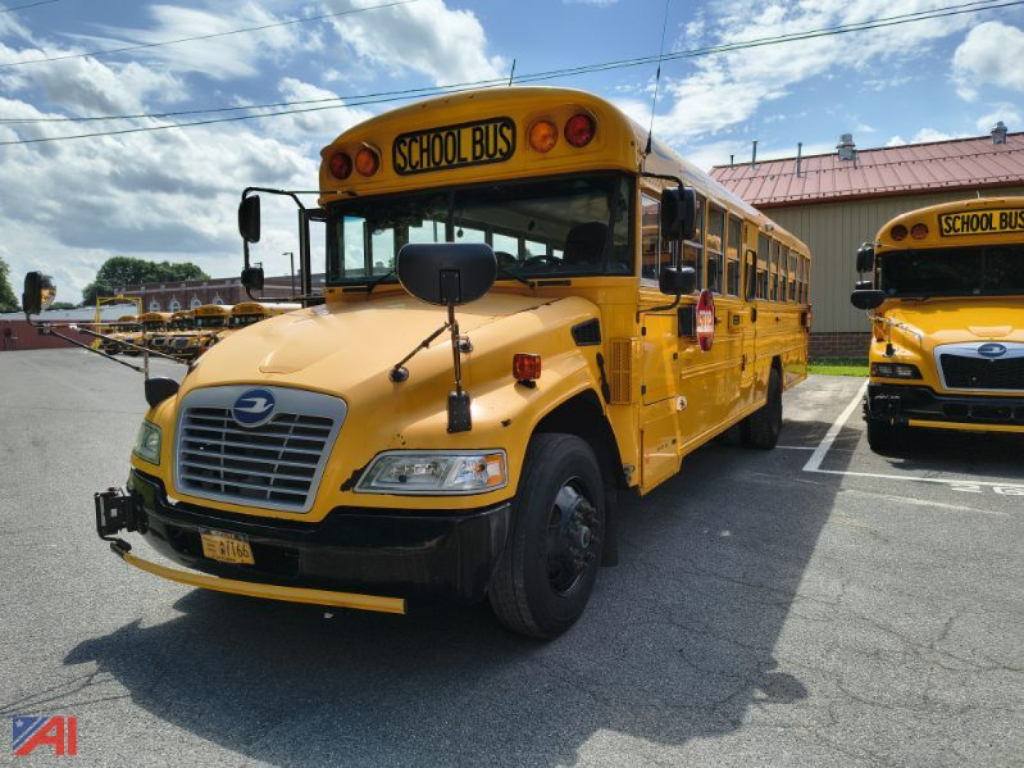
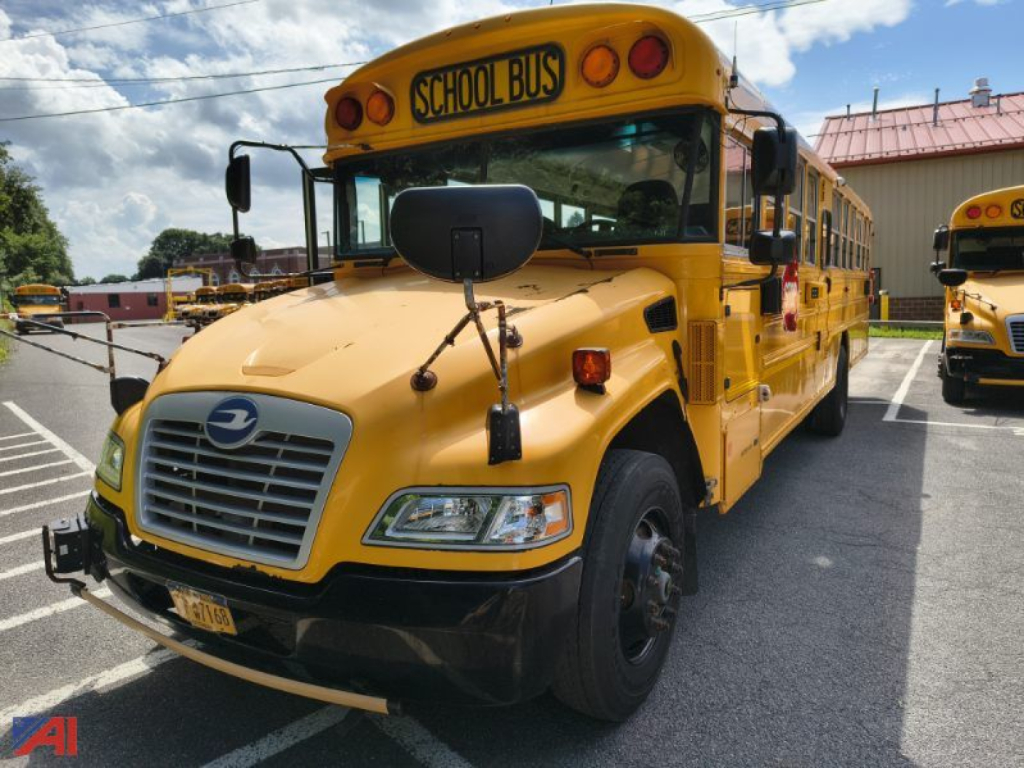
Have 2016 blue bird bus truck to sell? List it here to reach thousands of buyers.
2016 Blue Bird Bus Trucks in New York
On a 2016 Blue Bird Vision, buyers will commonly look for gasoline or diesel power depending on the original fleet spec, along with an automatic transmission set up for stop-and-go operation. GVWR, wheelbase, and passenger capacity vary by body length and seating layout, so it helps to match the bus to the intended use before focusing on cosmetics. A full-size school bus may be configured for standard route work, activity transport, church or private shuttle conversion, or other commercial passenger applications where local regulations allow. Common inspection points include entrance door operation, warning light function, seat rail condition, heater performance, suspension wear, brake history, and the condition of the floor around wheel wells and rear sections.
Body and chassis details matter as much as mileage on a used bus. Buyers should pay close attention to rust around step wells, skirt panels, crossmembers, battery compartments, and emergency exits. Tires, glass, roof hatches, crossing arms, and wheelchair-access equipment can all change replacement cost significantly. If the bus is being repurposed, confirm axle ratings, interior dimensions, and any emissions-related requirements before purchase. For school district retirement units, idle hours and route profile often tell more than odometer readings alone because these buses spend much of their life in low-speed, frequent-stop service.
A 2016 Blue Bird bus can be a practical choice for fleet replacement, contractor use, or specialized passenger transport when the spec matches the job. Blue Bird remains a well-known name in pupil transportation, and that makes service familiarity a real advantage for many buyers. The strongest candidates are usually the ones with documented maintenance, clean structural condition, and a configuration that fits the route, capacity, and compliance needs of the next operator.
Frequently Asked Questions about 2016 Blue Bird Bus Trucks in New York
What should I inspect first on a used 2016 Blue Bird bus?
Start with structural condition and maintenance history. Frame corrosion, floor integrity, step well rust, brake service records, suspension wear, and electrical function are more important than appearance alone. On New York buses, underbody rust and corrosion around crossmembers, body mounts, and wiring connections deserve close attention because winter road salt can shorten service life.
Is a 2016 Blue Bird Vision a good fit for non-school use?
It can be, provided the bus matches the intended application and local regulations. Many retired school buses are repurposed for shuttle service, church transport, private fleets, or conversion projects. Buyers should verify passenger capacity, axle ratings, interior layout, handicap-access equipment, and any requirements for removing or modifying school-bus-specific lighting and markings before putting the bus into another role.
What powertrain details matter most on a 2016 Blue Bird bus?
Engine type, transmission model, emissions system condition, and service history are the key items. A bus used in constant stop-and-go duty places heavy demand on cooling, braking, and automatic transmission performance. Buyers should confirm how the powertrain was maintained, check for active fault codes, and review any repairs involving emissions components, injectors, turbo systems, or transmission operation.
How many passengers does a 2016 Blue Bird bus usually carry?
Passenger capacity depends on body length, seating configuration, and whether the bus was ordered for full route service, special-needs transport, or activity use. A full-size conventional school bus often carries a high passenger count, but exact seating varies by district specification. The safest approach is to confirm the actual seat count and body dimensions on each unit rather than relying on model year alone.
Why do retired school district buses sometimes show low mileage but still need major repairs?
School buses often accumulate heavy idle time and operate in repeated stop-and-go cycles, which can create wear that the odometer does not fully show. Brakes, suspension components, doors, heaters, and electrical systems may see years of route use even when mileage appears moderate. That is why engine hours, idle hours, route type, and maintenance documentation are critical when evaluating a used 2016 Blue Bird bus.