
2016 Blue Bird Bus Trucks For Sale
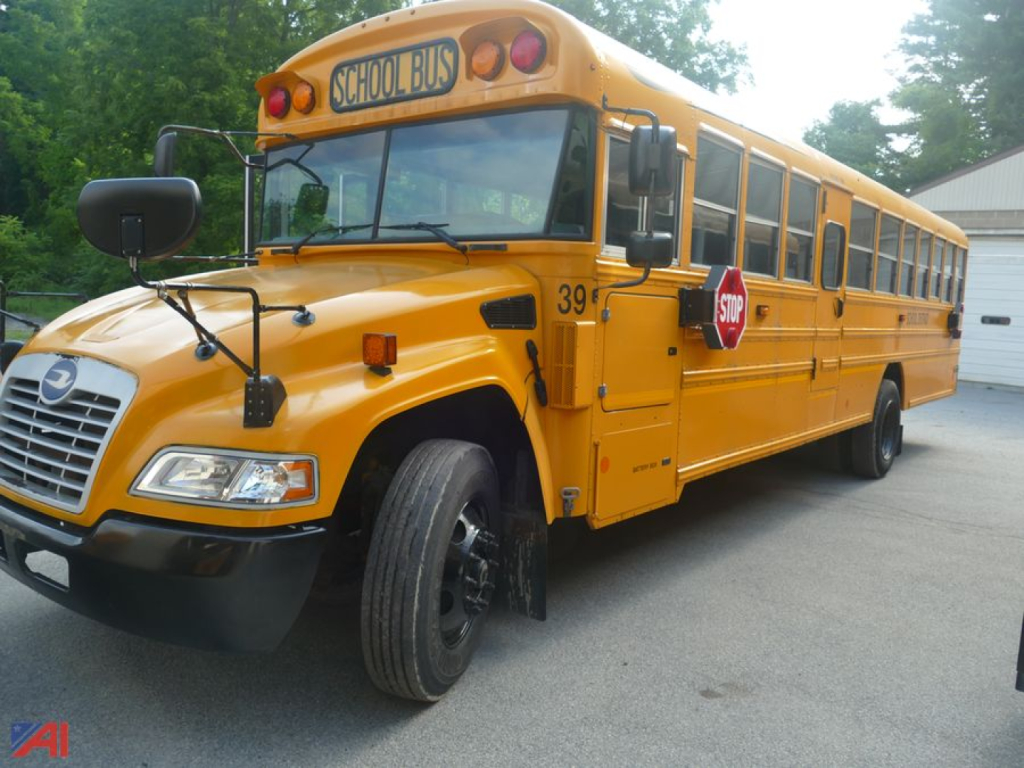
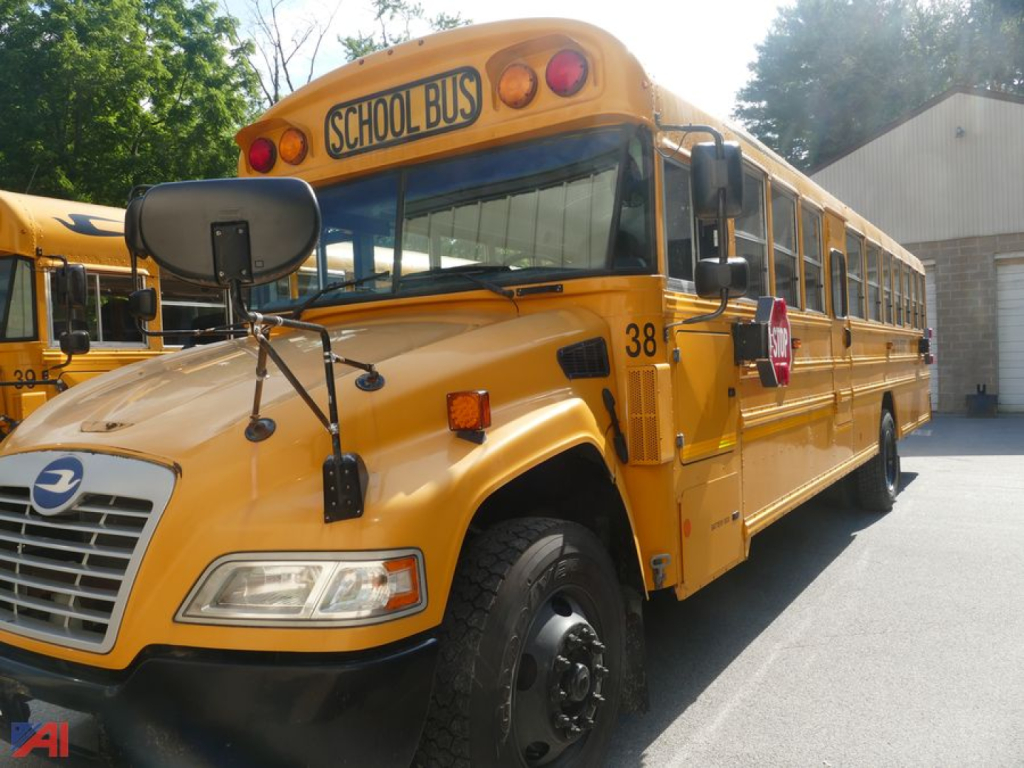
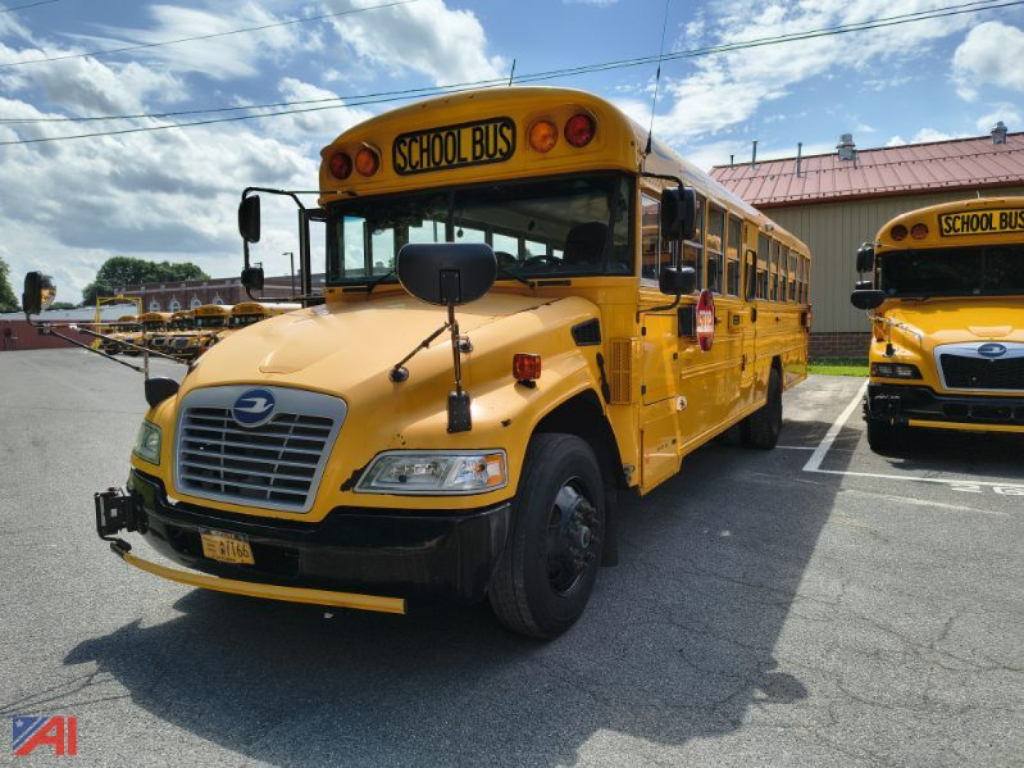
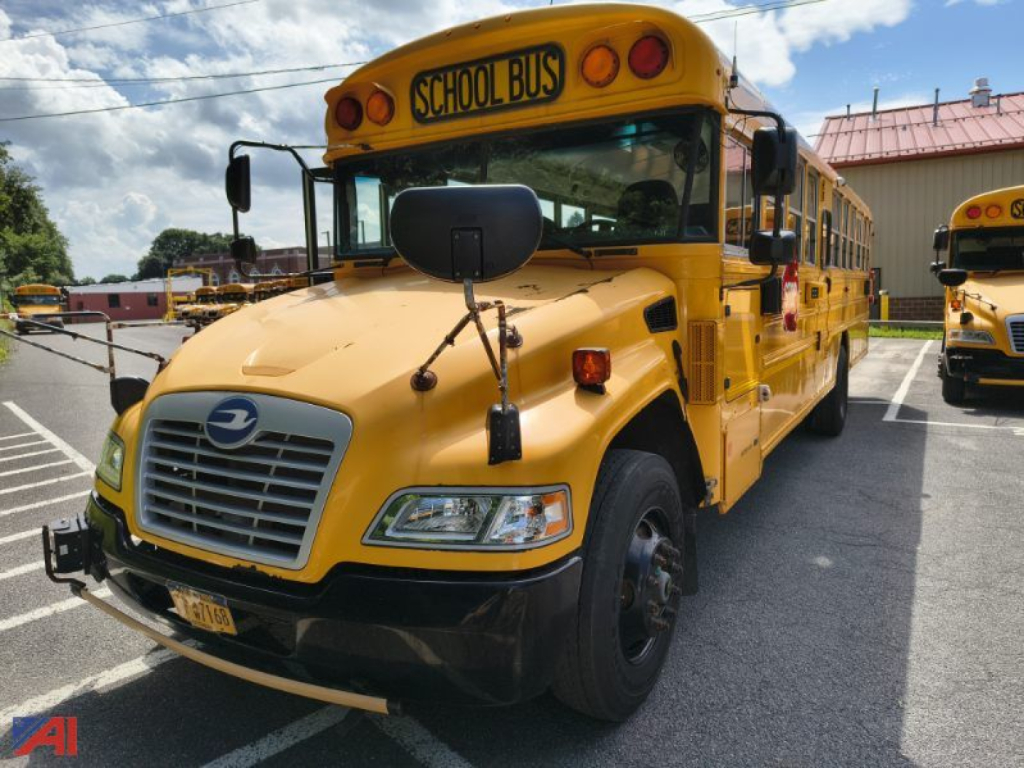
Have 2016 blue bird bus truck to sell? List it here to reach thousands of buyers.
2016 Blue Bird Bus Trucks
On many 2016 Blue Bird buses, the biggest buying decision starts with the powertrain. Engine availability often centers on gasoline or propane configurations in Blue Bird school bus applications from this era, and fuel type has a direct impact on operating cost, cold-weather performance, emissions equipment complexity, and service network compatibility. Transmission pairing, rear axle ratio, and mileage matter just as much as the badge on the hood, especially if the bus will see highway miles instead of stop-and-go route work. A buyer should also review idle hours, maintenance records, and any history of injector, cooling system, or aftertreatment-related repairs where applicable.
Body and interior specification can make one 2016 Blue Bird bus far more useful than another. Look for seat count, aisle width, underbody rust, floor integrity, emergency exit condition, and signs of water intrusion around roof seams or window frames. If the bus was equipped for student transport, check warning light systems, stop arm condition, crossing gate operation, and whether local regulations require those components to be removed before non-school use. Suspension type, tire size, entrance door configuration, and luggage or storage options can also affect fit for shuttle, contractor crew, municipal, or institutional applications.
For buyers comparing multiple used Blue Bird buses, overall condition usually tells more than model year alone. A well-maintained 2016 unit with documented inspections, clean frame rails, strong brake life, and consistent service history can be a better value than a newer bus with deferred maintenance. It also helps to confirm title status, CDL requirements, state inspection standards, and emissions rules before purchase. Blue Bird buses from this period remain relevant because parts support is generally strong, the chassis is familiar to many fleet technicians, and the platform is straightforward for operators who need a dependable medium-duty passenger vehicle.
Frequently Asked Questions about 2016 Blue Bird Bus Trucks
What should I check first on a 2016 Blue Bird bus?
Start with the powertrain, service records, and structural condition. Engine type, transmission operation, mileage, idle hours, brake wear, tire condition, and cooling system history are core value drivers. On the body, inspect the floor, frame rails, stepwell, wheel housings, and lower panels for corrosion. For former school buses, verify that safety lighting, stop arm equipment, and emergency exits are functional and determine whether any of that equipment must be removed for your intended use.
Are 2016 Blue Bird buses mostly school buses?
Yes. Most 2016 Blue Bird buses on the used market are conventional school bus configurations, often built for route service with varying seating capacities and district-specific options. Some may be special needs units with wheelchair lifts, different floorplans, or lower passenger counts. That matters because layout, door style, and interior equipment can significantly affect resale, repurposing cost, and suitability for shuttle or private transport work.
What engine and fuel types are common in a 2016 Blue Bird bus?
Many 2016 Blue Bird buses were spec'd with gasoline or propane power in school bus service, although exact engine availability depends on model and original order. Fuel type affects maintenance approach, refueling infrastructure, operating range, and emissions-related complexity. Buyers should confirm the exact engine family, transmission model, axle ratio, and maintenance history instead of assuming all Blue Bird buses from this year are configured the same way.
Is a 2016 Blue Bird bus a good candidate for shuttle or private fleet use?
It can be, provided the bus matches the job and local regulations. A 2016 Blue Bird bus can work well for churches, camps, municipal transport, crew movement, or shuttle service if the seating, door configuration, and drivetrain suit the route. Buyers should account for CDL requirements, insurance, state inspection rules, and any needed modifications to school bus equipment before putting the unit into commercial or private passenger service.
How important is rust on a used Blue Bird bus from this model year?
Rust is one of the most important condition factors on any used bus. Surface corrosion may be manageable, but structural rust in the stepwell, floor supports, body mounts, frame, suspension attachment points, or lower side panels can turn a low-price bus into an expensive project. Buses from snow-belt states deserve especially close inspection underneath, including brake lines, fuel lines, crossmembers, and the condition of the floor at passenger seat mounts.