
2016 Bus Trucks For Sale in New York
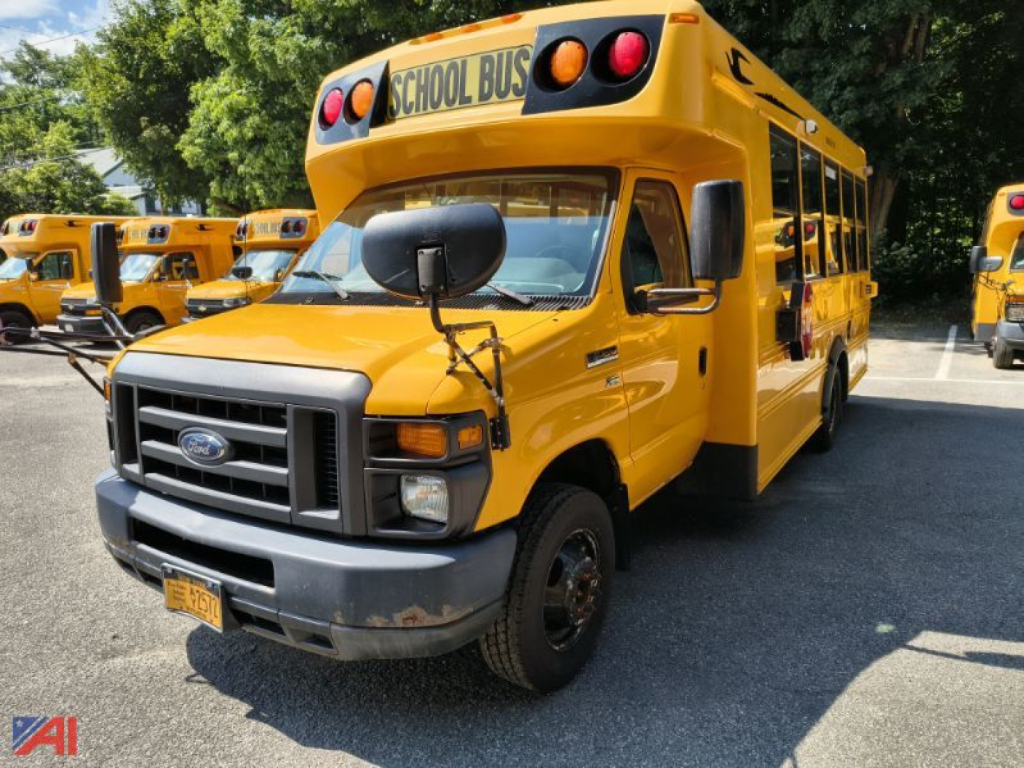
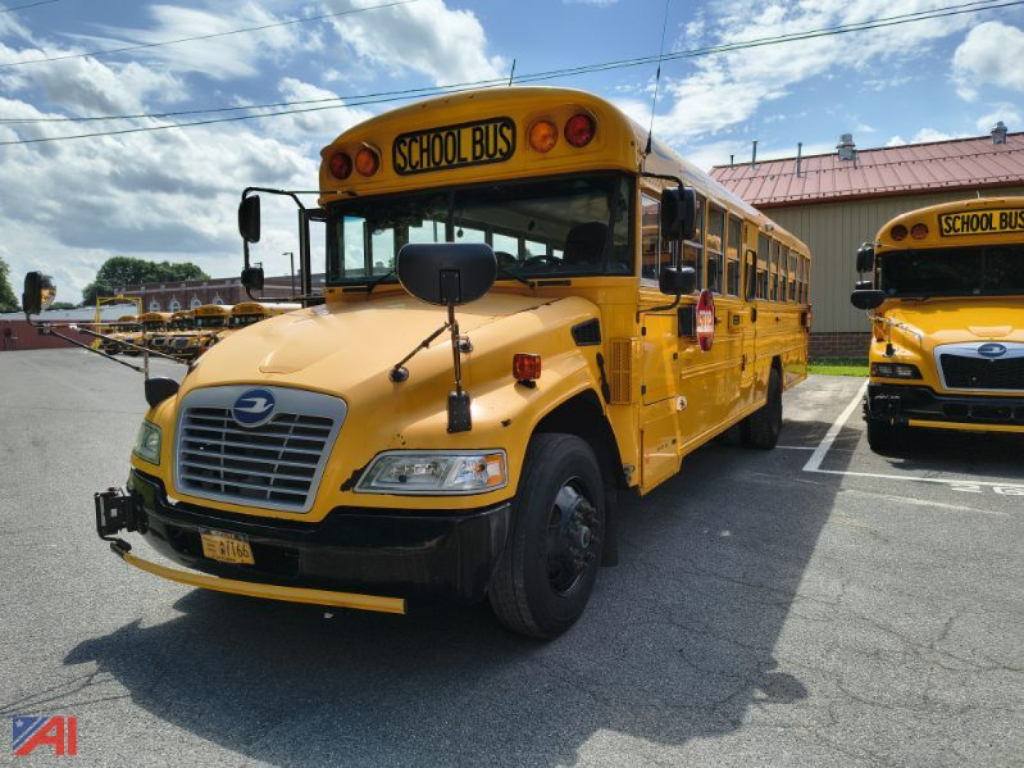
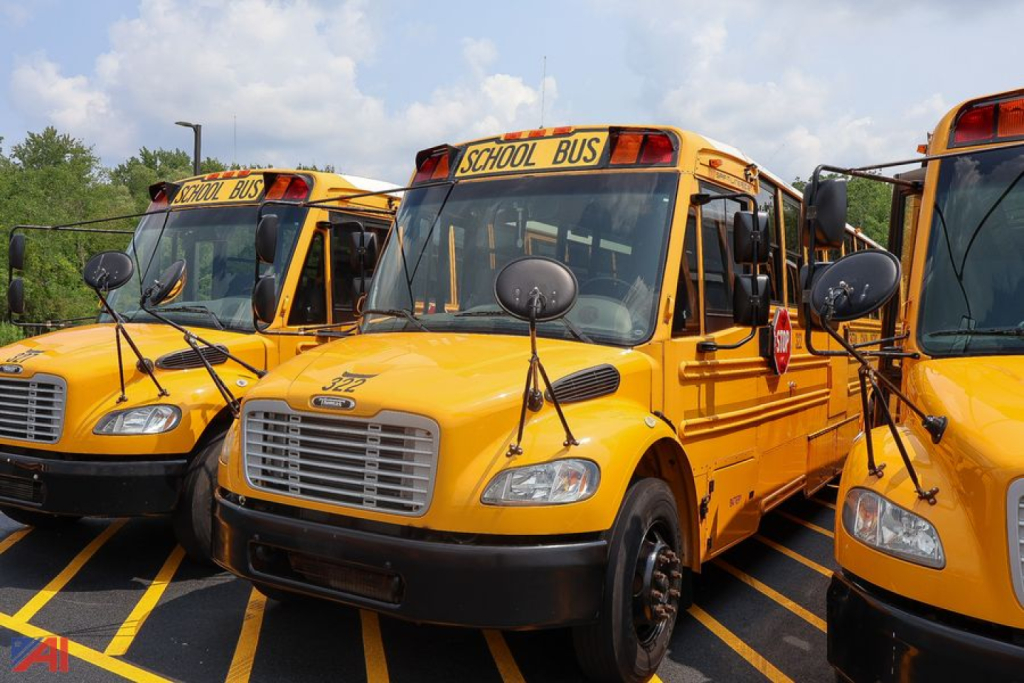
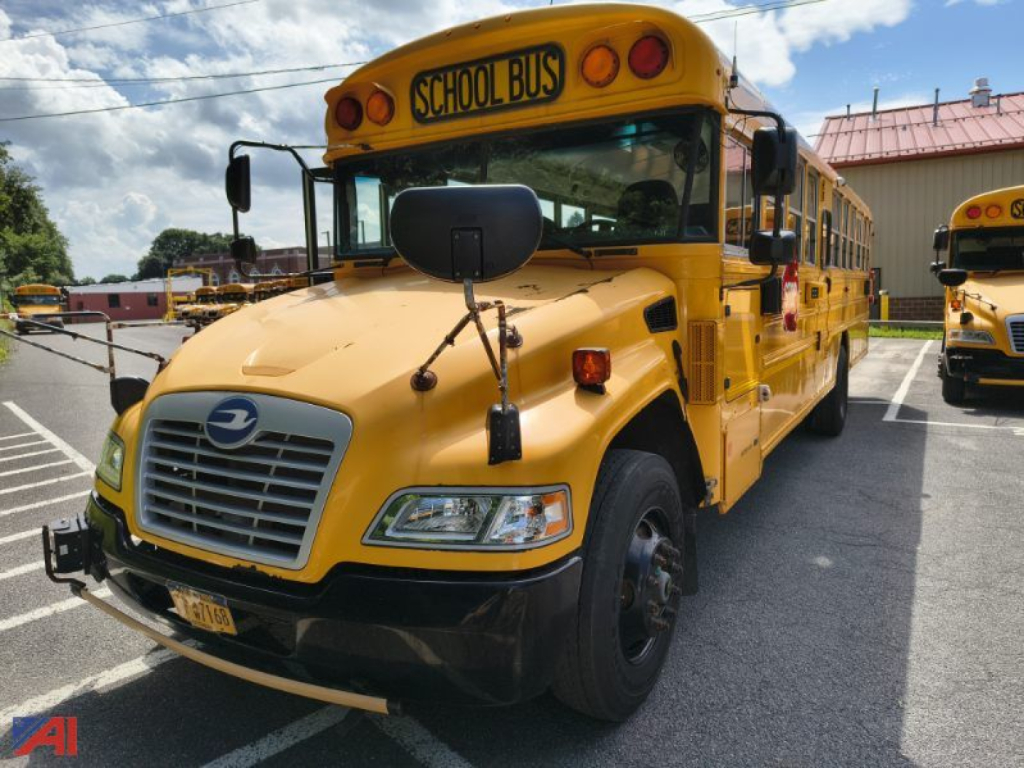
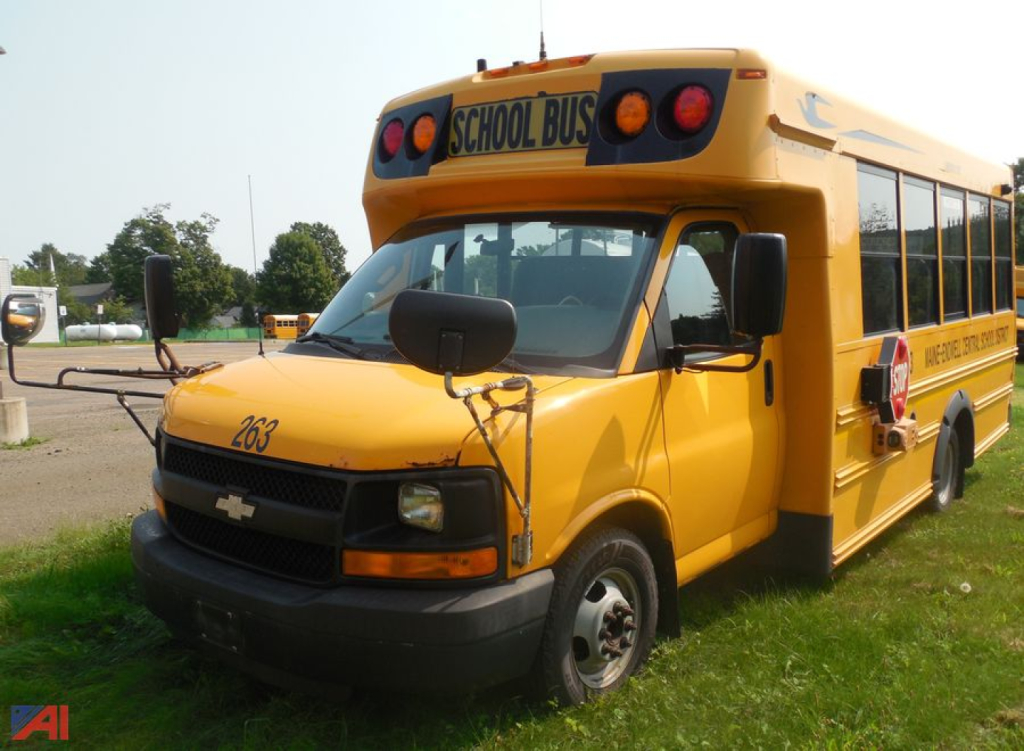
Have 2016 bus truck to sell? List it here to reach thousands of buyers.
2016 Bus Trucks in New York
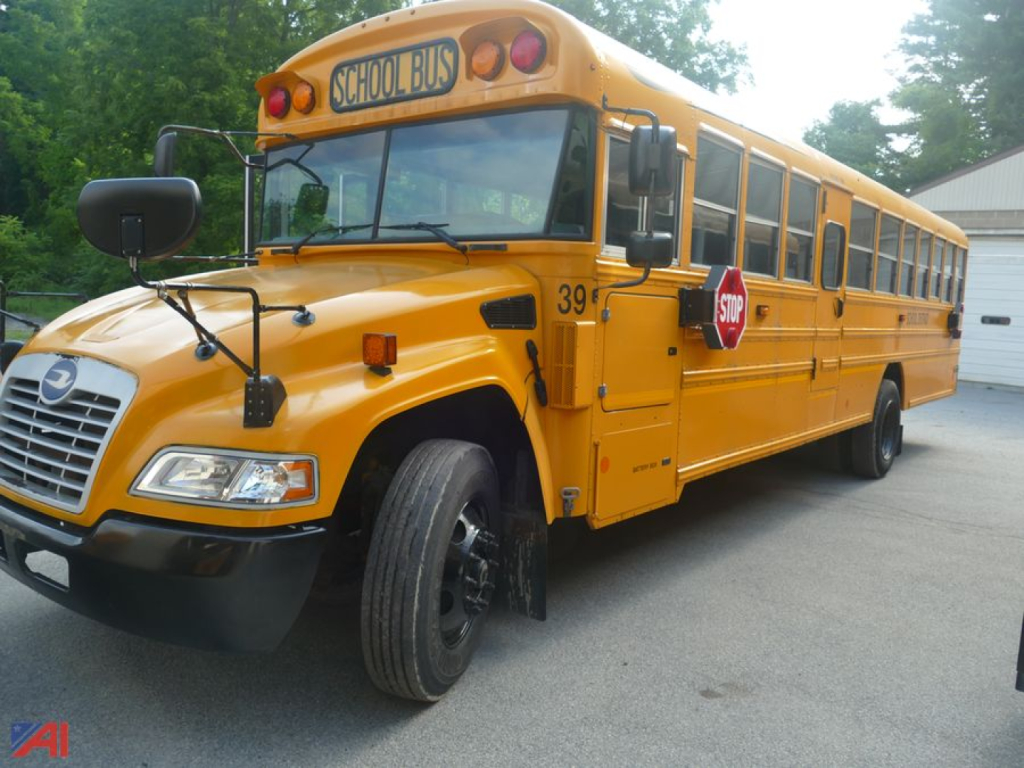
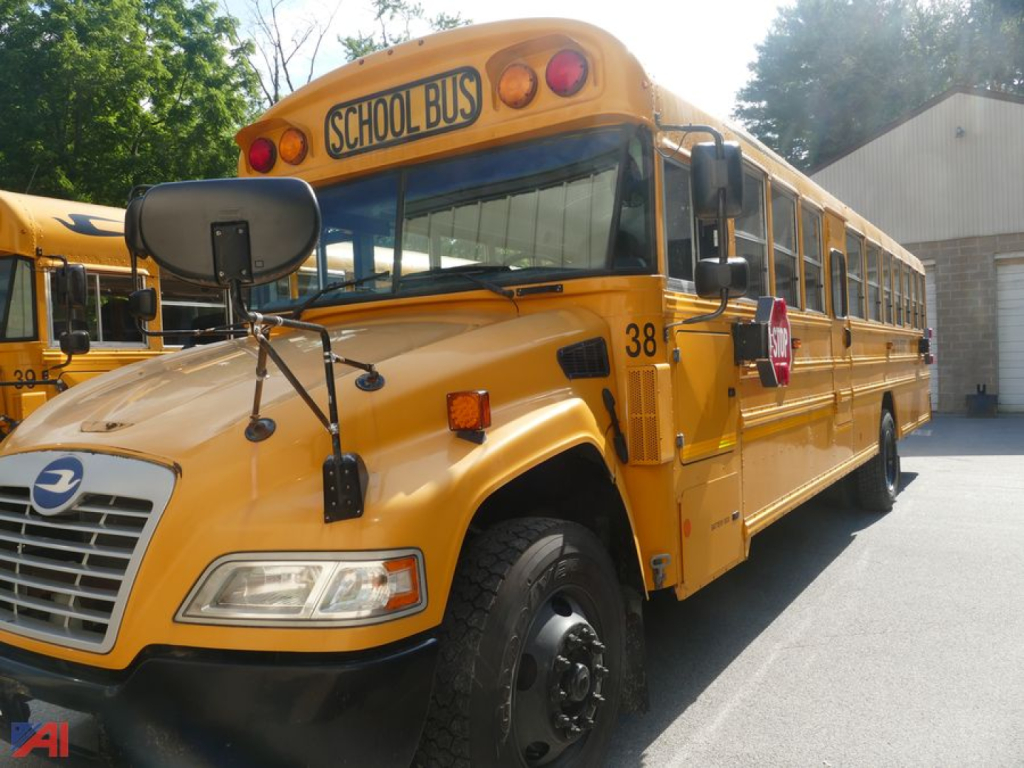
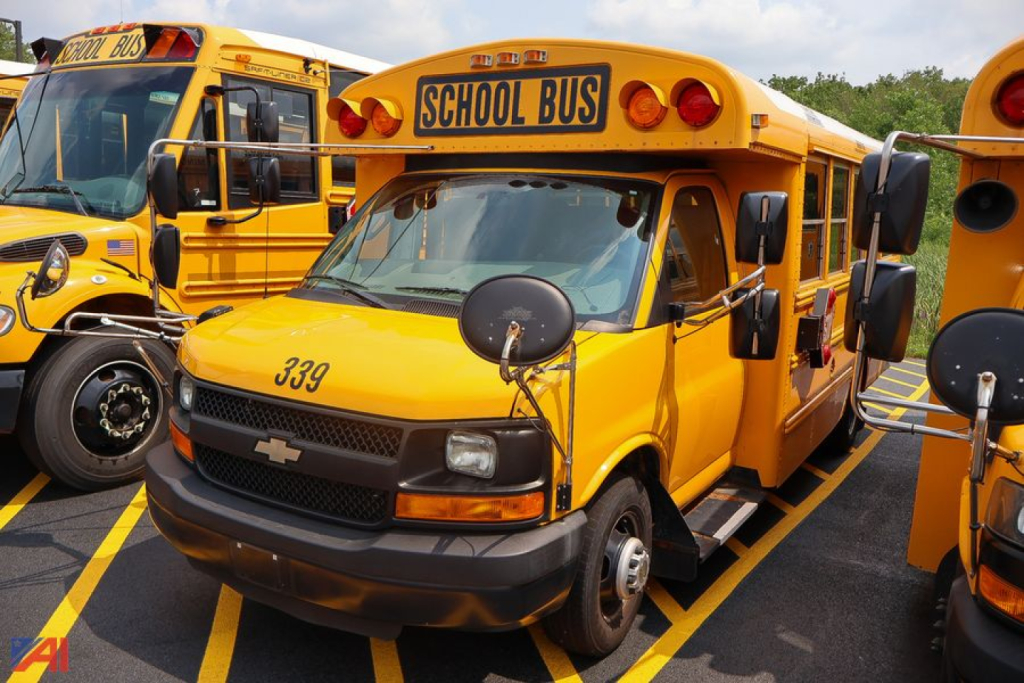
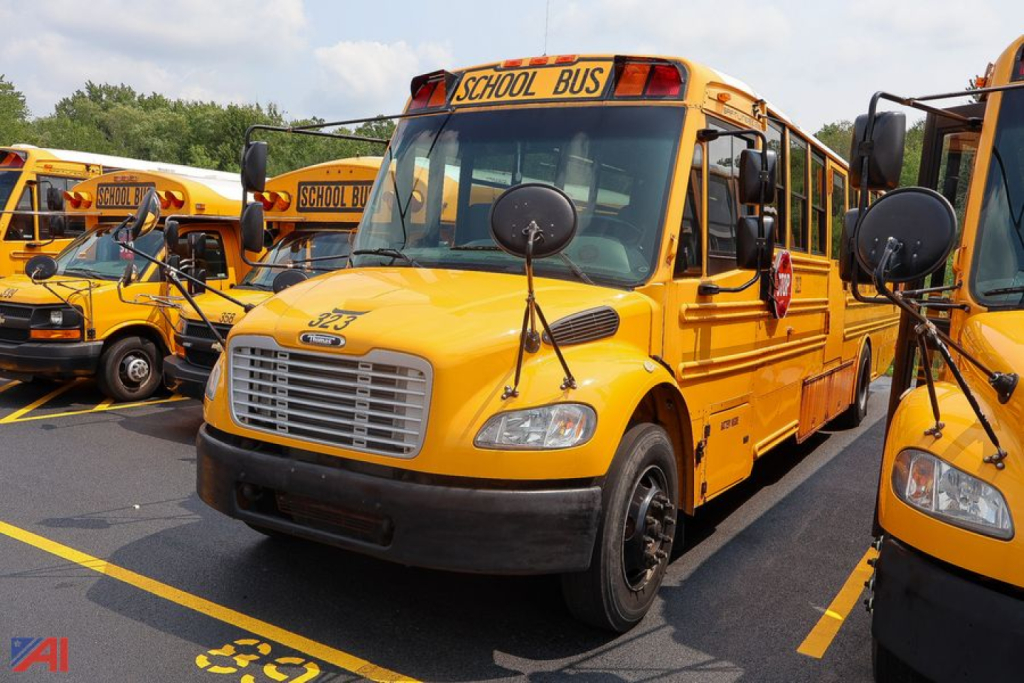
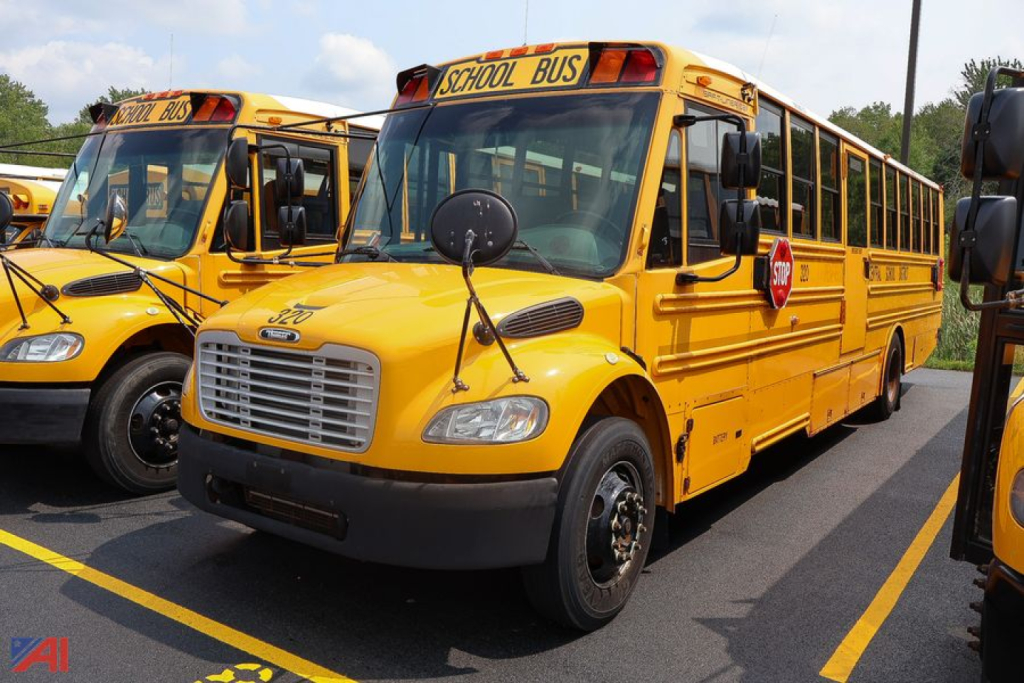
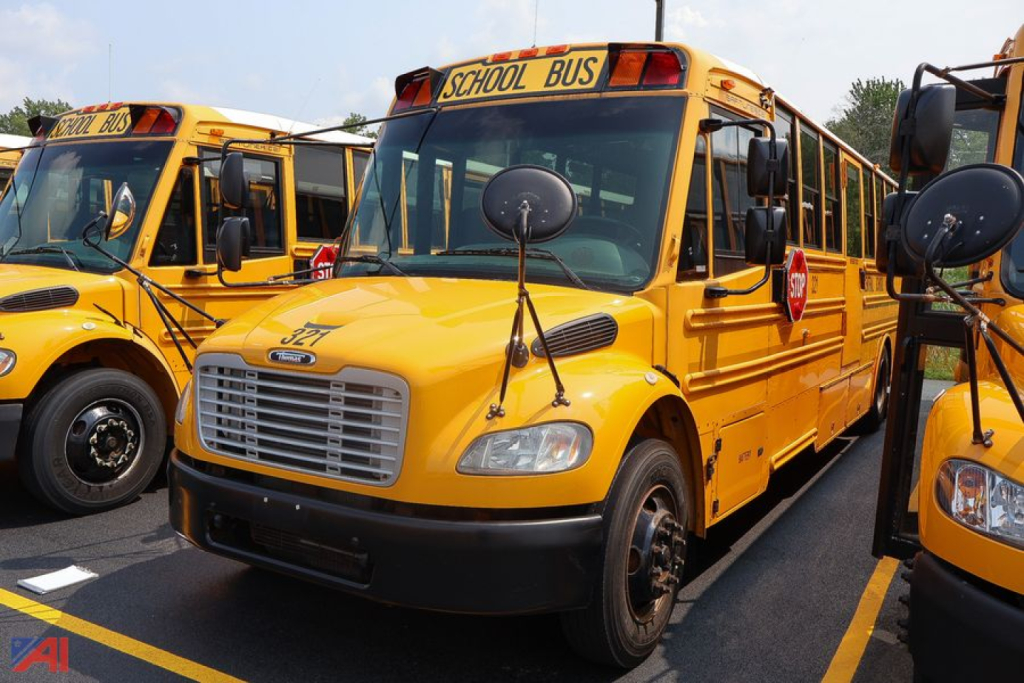
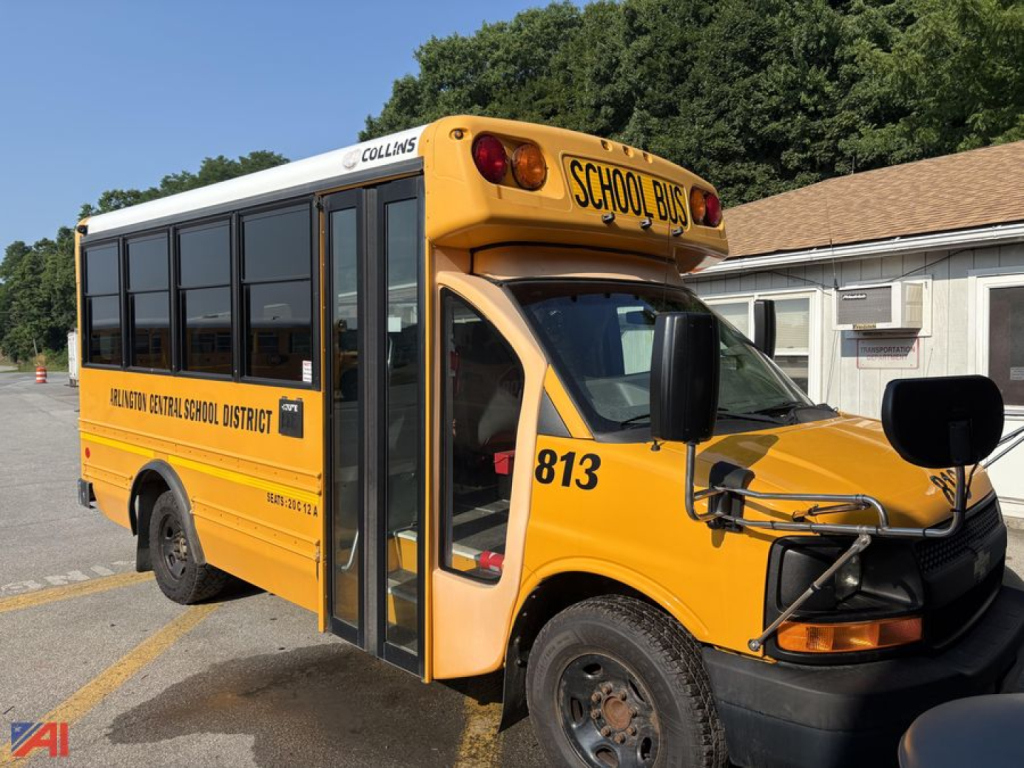
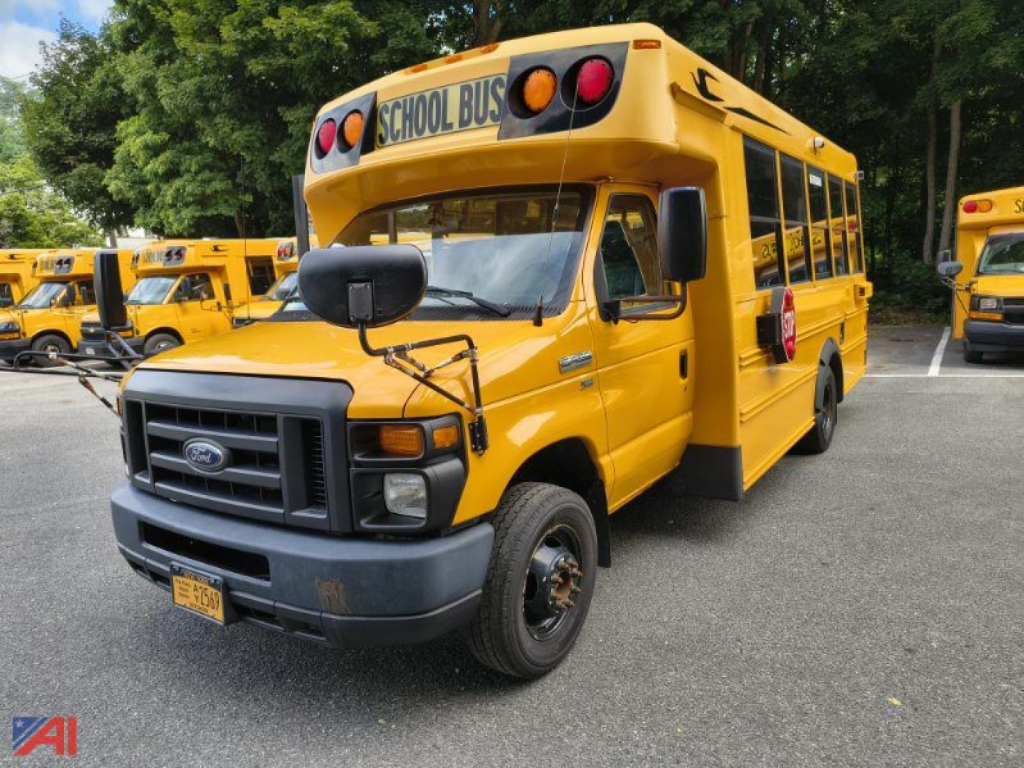
On 2016 models, common chassis and powertrain combinations often include diesel engines paired with Allison automatic transmissions, with hydraulic brakes on smaller units and air brakes on larger full-size buses. You will also see variations in wheelbase, overall length, axle ratings, and GVWR depending on intended use. Full-size school buses in this class may carry large seating counts and ride on spring or air suspension, while cutaway buses are typically easier to maneuver in tighter urban areas and mixed-route service. Buyers should pay close attention to underbody condition, frame corrosion, brake system type, tire size, suspension wear, and any electronic faults that can affect speed, warning systems, or transmission operation.
A 2016 bus from a school fleet can offer strong value if maintenance records are solid, but buyer priorities should go beyond odometer reading. Engine hours, idle time, DEF and emissions system history, seat layout, wheelchair accessibility, heater performance, emergency exits, and body integrity all matter. In New York, road salt exposure makes rust inspection especially important around stepwells, floor supports, crossmembers, wheel housings, and exterior panel seams. If the bus will be repurposed for private transport or commercial service, confirm title status, registration class, and any required modifications for lighting, seating, or safety compliance before purchase.
The best 2016 bus truck for the job depends on route type and service environment. A full-size school bus suits higher passenger counts and predictable daily routes, while a cutaway or commercial bus is often a better fit for senior transport, hotel shuttle work, church groups, or contractor crew movement. Look for a driveline with a local service network, confirm parts support for body components and electrical systems, and match brake type, turning radius, and storage needs to the operating territory. A careful review of service history, corrosion level, and intended use will usually tell you more about long-term value than age alone.
Frequently Asked Questions about 2016 Bus Trucks in New York
What should I check first on a used 2016 bus truck?
Start with rust, service history, and drivetrain condition. On a 2016 bus, underbody corrosion can be a bigger issue than mileage, especially in New York. Inspect the frame rails, stepwell, floor structure, suspension mounts, brake lines, and body seams. Then review engine and transmission records, emissions system repairs, and any recurring electrical issues. A bus with complete maintenance documentation and manageable corrosion is usually a better buy than one with low miles but poor upkeep.
Are 2016 bus trucks usually diesel or gas?
Most full-size 2016 buses are diesel, especially school bus and medium-duty commercial bus configurations. Cutaway buses may be gas or diesel depending on chassis and application. Diesel models are common because they handle heavier passenger loads and repeated route duty well, but they also bring emissions components that need to be evaluated carefully. The right choice depends on route length, maintenance capability, and expected annual usage.
What is the difference between a school bus and a commercial bus in this year range?
A 2016 school bus is typically built around student transport requirements, including warning light systems, school-specific body features, and bench seating layouts. A commercial bus may use a similar chassis but is set up for shuttle, transit, or private passenger work with different seating, entry configurations, and accessibility options. Buyers planning to repurpose a school bus should confirm what equipment must be removed or modified to meet commercial or private registration requirements.
Is mileage the most important factor when buying a 2016 bus?
Mileage matters, but it should not be the only deciding factor. Buses often spend long periods idling, so engine hours can be just as important as odometer reading. A higher-mile bus with strong maintenance records, healthy brakes, a sound transmission, and limited rust can outperform a lower-mile unit with deferred repairs. Condition, service history, and how the bus was used are better indicators of long-term value.
What size bus works best for city routes in New York?
For tighter urban routes, loading zones, and mixed-use passenger work, many buyers prefer a cutaway or shorter conventional bus because maneuverability and parking access are better. Full-size buses make more sense when passenger volume is the priority and the route allows for larger turning radius and storage needs. The best fit comes down to seating capacity, stop frequency, street width, and whether the bus will serve school, shuttle, or specialty transport duty.