
2014 Bus Trucks For Sale in New York
Have 2014 bus truck to sell? List it here to reach thousands of buyers.
2014 Bus Trucks in New York
Chassis and drivetrain matter more than paint or seating layout. Many 2014 buses in this class use proven gasoline or diesel powertrains paired with automatic transmissions, often Allison units in medium-duty applications. Buyers should check GVWR, wheelbase, axle ratings, brake type, suspension type, and tire size because these directly affect ride quality, serviceability, and operating cost. On a school or commercial bus, it is also smart to verify engine hours in addition to odometer miles, since long idle time can be significant on municipal, school district, and shuttle service units. Rust inspection is especially important in New York, where road salt can affect step wells, body mounts, crossmembers, brake lines, electrical connectors, and emergency door framing.
Interior configuration changes the value of a 2014 bus quickly. Some units are set up for school duty with bench seating and standard safety equipment, while others may have wheelchair lifts, ADA positions, luggage space, low-floor entry, or commercial transit seating. If the bus is intended for private transport, church use, contractor crew hauling, airport shuttle work, mobile office conversion, or specialty upfit, door placement, headroom, HVAC performance, and underbody storage can matter as much as drivetrain. A buyer should also confirm title status, emissions compliance, and whether warning lights, stop arms, crossing gates, or school-bus-specific equipment have been removed or decommissioned if required for the next application.
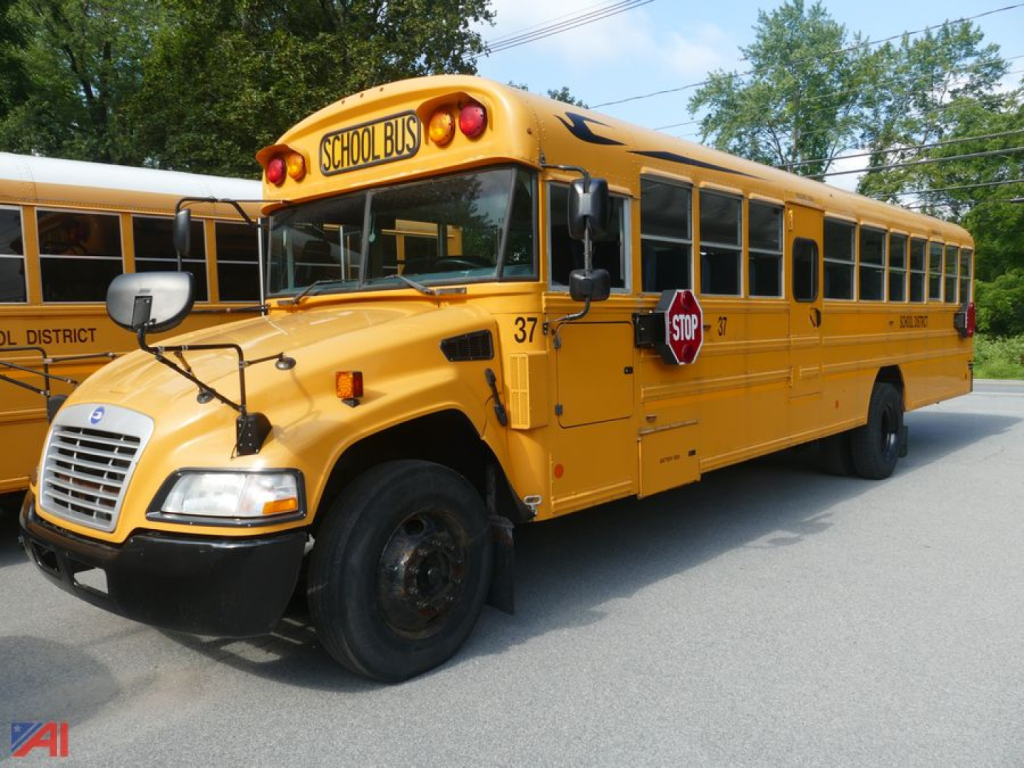
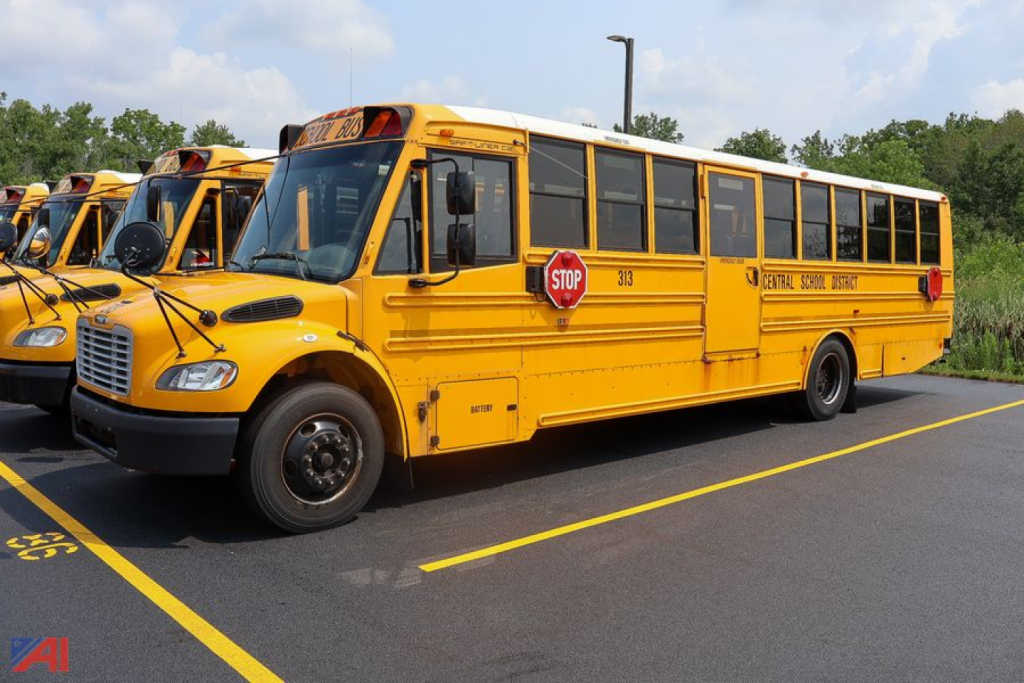
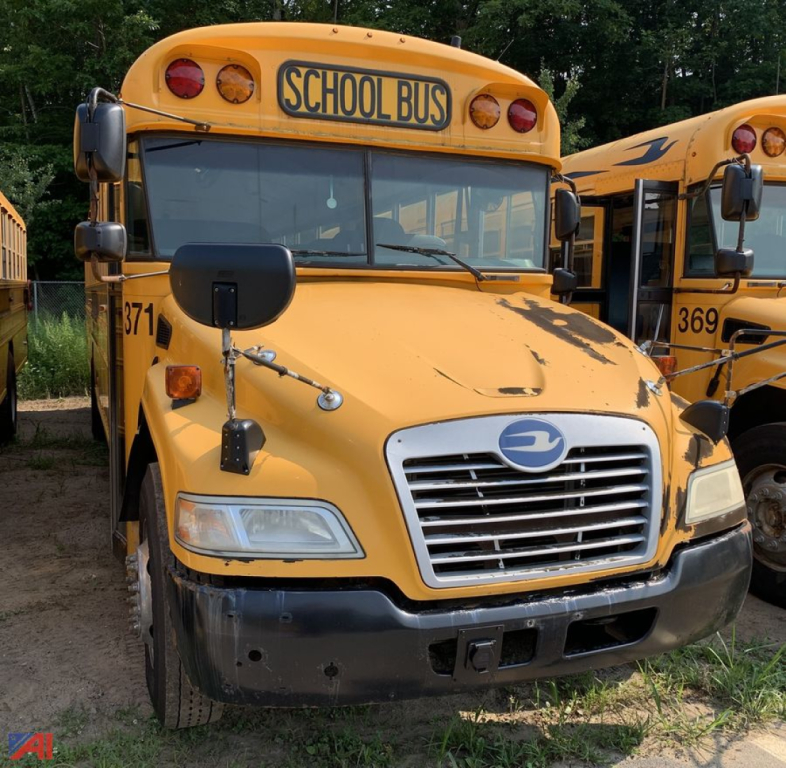
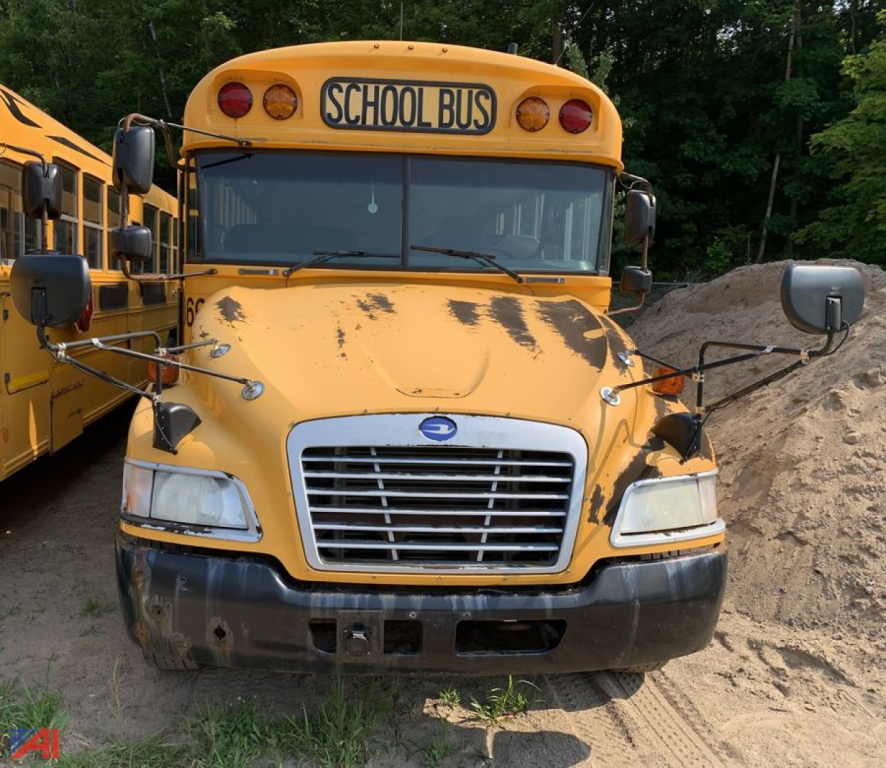
For many operators, a 2014 bus hits a useful middle ground between affordability and modern service parts support. The best choice depends on route type, passenger load, turning radius, and maintenance history. A short bus or mini school bus often fits mixed suburban routes and private fleet use, while a conventional full-size bus suits higher-capacity school or employee transport. Transit-style models can make sense for frequent-stop commercial work where low entry height and standee-friendly layouts are priorities. Service records, corrosion level, and configuration usually tell you more than badge alone when comparing buses in this age group.
Frequently Asked Questions about 2014 Bus Trucks in New York
What should I inspect first on a used 2014 bus in New York?
Start with corrosion, maintenance history, and drivetrain condition. New York buses can show rust on frame rails, step wells, floors, body mounts, brake and fuel lines, and electrical connections because of winter road treatment. After that, review engine hours, transmission operation, brake condition, suspension wear, tire age, and any signs of water intrusion around roof seams, windows, and emergency exits.
What is the difference between a full-size school bus and a mini bus or cutaway bus?
A full-size school bus is built for higher passenger capacity, typically on a purpose-built medium-duty chassis with a longer wheelbase and heavier axle ratings. A mini bus or cutaway bus usually uses a van-based or cab-chassis platform, giving it a shorter overall length, tighter turning radius, and easier operation in congested areas. The tradeoff is lower seating capacity and, in some cases, less underbody durability for heavy daily route work.
Are 2014 buses a good choice for shuttle or private transport use?
They can be, especially if the bus has the right seating layout, entrance configuration, HVAC capacity, and luggage or wheelchair provisions for the intended route. Many older school buses and shuttle buses are repurposed for churches, senior transport, contractors, and private fleets. Before putting one into a new application, confirm local registration requirements, insurance eligibility, and whether any school-bus-specific equipment must be removed or disabled.
Why do engine hours matter on a bus as much as mileage?
Buses often spend significant time idling during loading, unloading, climate control, and stop-and-go route work. A bus with moderate mileage can still have high engine hours, which affects engine wear, cooling system condition, and maintenance intervals. Looking at both miles and hours gives a more accurate picture of actual use than mileage alone.
What features add value on a 2014 bus?
Value usually comes from configuration and upkeep rather than model year alone. Desirable features can include wheelchair lifts, ADA-securement positions, air brakes, diesel power, Allison automatic transmissions, working front and rear HVAC, underbody storage, low-floor entry, and complete service records. Clean structural condition and limited rust often matter more than cosmetic appearance on a bus in this age range.