
2014 Bus Trucks For Sale
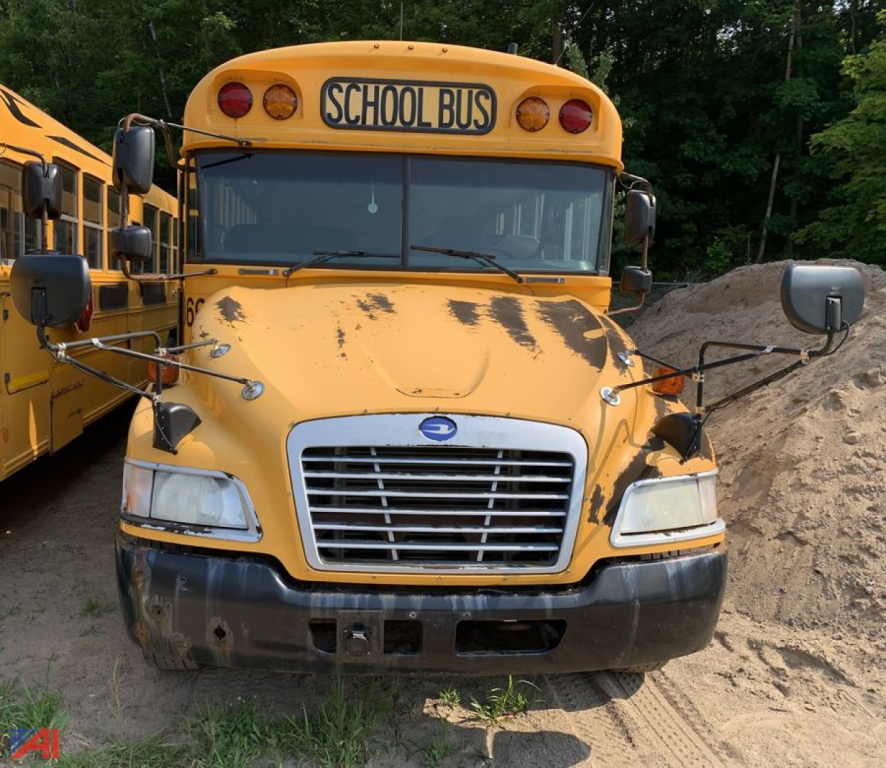
Have 2014 bus truck to sell? List it here to reach thousands of buyers.
2014 Bus Trucks
Powertrain and chassis details matter more than paint and upholstery on a used bus. Many 2014 bus trucks are built on proven platforms from IC Bus, Blue Bird, Thomas Built, Ford E-Series, Chevrolet Express, and Freightliner-based chassis. Common engines in this segment include Cummins diesel options and Ford or GM gasoline engines, paired with automatic transmissions such as the Allison 2000 series or lighter-duty automatics in cutaway units. Buyers should compare GVWR, axle ratings, brake type, suspension, wheelbase, and tire size, especially if the bus will run daily routes or carry a full passenger load. A shorter wheelbase cutaway is better in tight urban work, while a longer full-size bus may deliver better passenger count and underbody storage potential.
Interior configuration drives day-to-day usability. School bus buyers should verify legal seating capacity, seat spacing, emergency exit compliance, and any district-specific equipment that may need removal or updating. Shuttle and paratransit buyers should look closely at wheelchair lift condition, tie-down positions, aisle width, HVAC performance, entry door function, and rear AC systems. Electrical accessories can add value, but the core systems are what keep a bus productive: heating, cooling, warning systems, door controls, charging system health, and clean service records. Rust around step wells, body mounts, floor seams, and rear corners deserves careful inspection, especially on buses that spent time in snow-belt states.
For most buyers, the best 2014 bus truck is the one that matches route length, passenger count, and service environment. A rural school route may favor a diesel conventional bus with heavier suspension and higher ground clearance. An airport, church, or medical transport application may lean toward a gas or diesel cutaway with a wheelchair lift and dual AC. Review engine hours alongside mileage, confirm emissions system service history, and inspect transmission operation under load. On older passenger equipment, condition and maintenance history usually matter more than brand loyalty alone.
Frequently Asked Questions about 2014 Bus Trucks
What types of 2014 bus trucks are most common on the used market?
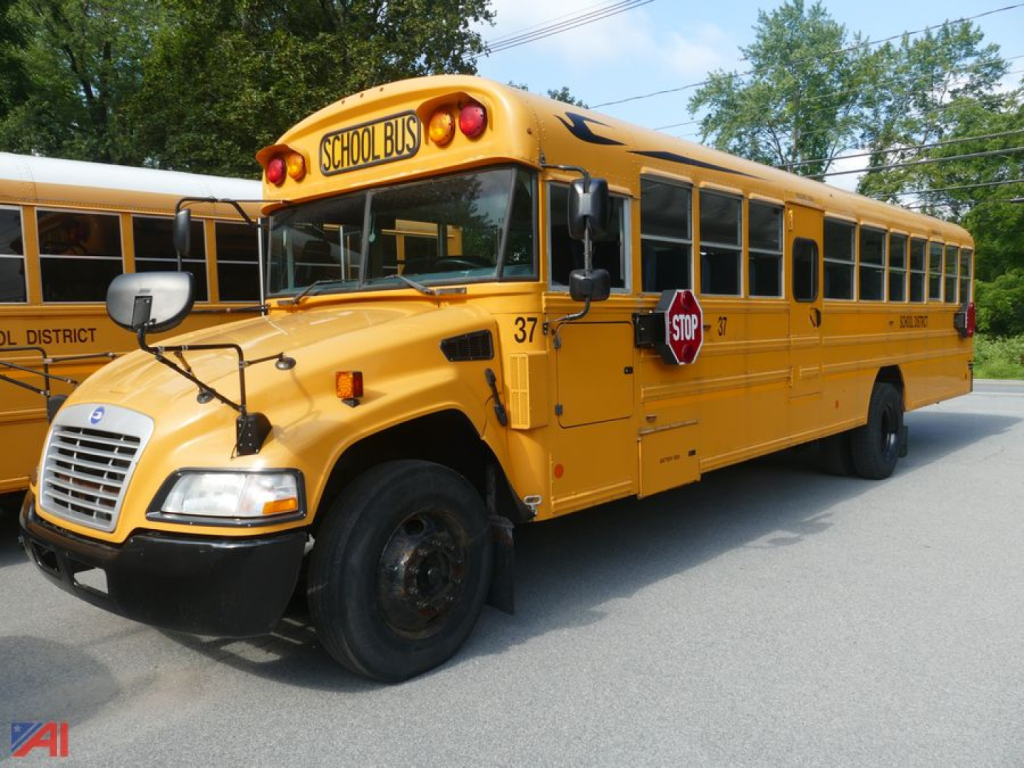
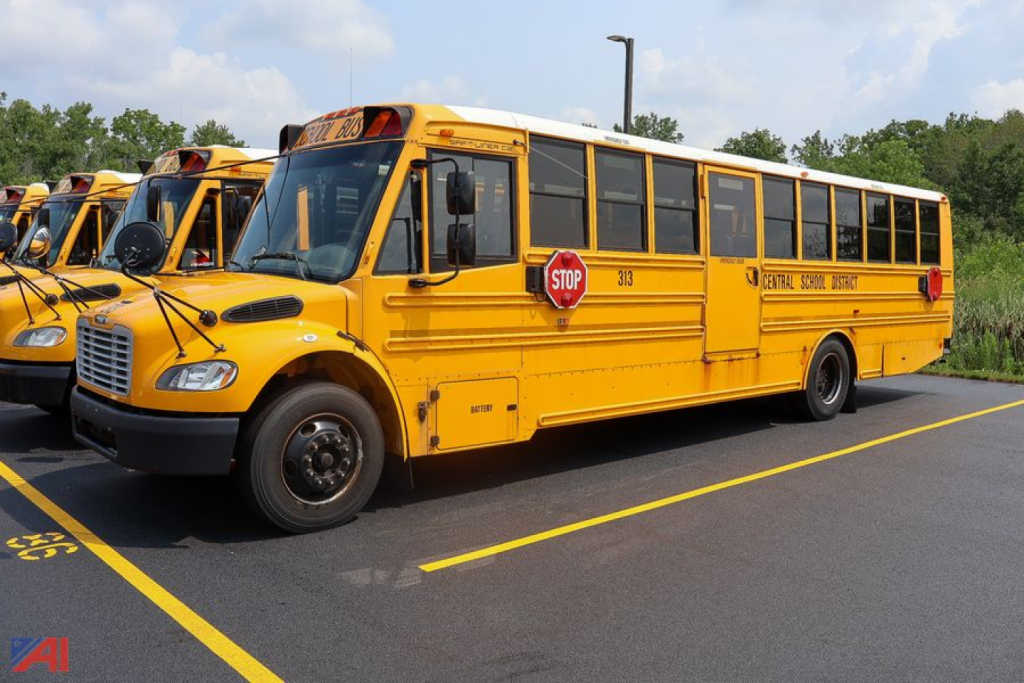
The most common 2014 bus trucks are full-size conventional school buses, transit-style school buses, and cutaway shuttle buses built on Ford, Chevrolet, or similar chassis. Full-size units are designed for maximum seating and route durability, while cutaway buses are more common in shuttle, senior transport, church, and ADA-accessible service. The right choice depends on passenger count, route length, turning radius needs, and whether easy entry or wheelchair access is required.
What should I inspect first on a used 2014 bus truck?
Start with the structural and mechanical basics. Check for frame corrosion, floor rust, body seam issues, step well damage, and signs of water intrusion. Then review engine performance, transmission shift quality, brake condition, suspension wear, tire age, and HVAC operation. On wheelchair-accessible buses, inspect the lift, door seals, interlocks, and tie-down hardware. Service records and emissions-related repairs are especially important on a 2014 bus because downtime costs can quickly exceed a lower purchase price.
Is a diesel or gasoline 2014 bus better?
Diesel is often preferred for heavier full-size buses, longer routes, and higher passenger loads because it typically offers better torque and durability in constant-use service. Gasoline power can make sense in lighter-duty cutaway buses, lower annual mileage applications, and fleets that want simpler maintenance or easier cold-weather operation. The better choice depends on route profile, maintenance support, fuel availability, and total operating cost rather than fuel type alone.
How important is mileage on a 2014 bus truck compared to engine hours?
Mileage matters, but engine hours can be just as important on a bus. Passenger buses often spend significant time idling for loading, unloading, climate control, and stop-and-go route work. A bus with moderate mileage but very high engine hours may show more wear than the odometer suggests. Buyers should compare both readings and match them to maintenance records to get a more accurate picture of actual use.
Can a 2014 school bus be converted for other commercial uses?
Yes, many 2014 school buses are repurposed for church transport, mobile offices, specialty shuttle service, nonprofit use, or private fleet applications, but the conversion requirements vary by state and by intended use. Buyers should verify title status, seating changes, lighting and stop-arm removal requirements, insurance eligibility, and any DOT or passenger-safety rules that apply after conversion. The bus body may be versatile, but compliance details should be confirmed before purchase.