
International Box Trucks For Sale in Colorado
Compare International box trucks for sale in Colorado by payload, Cummins or International engine, mountain gearing, and winter inspection priorities.
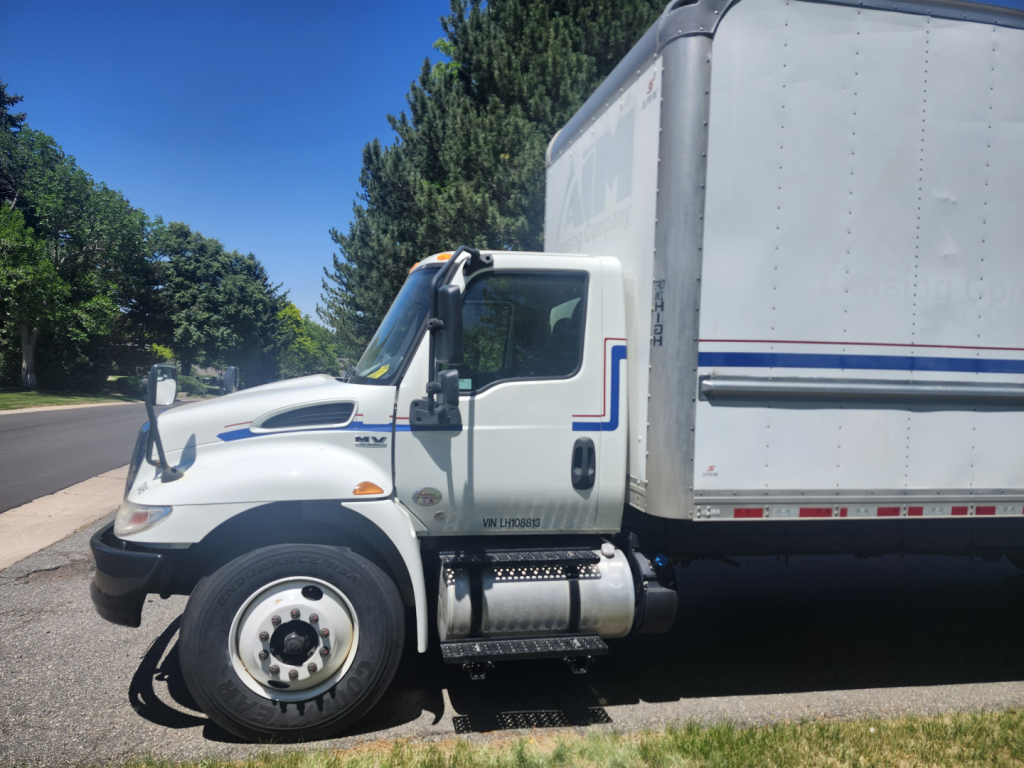
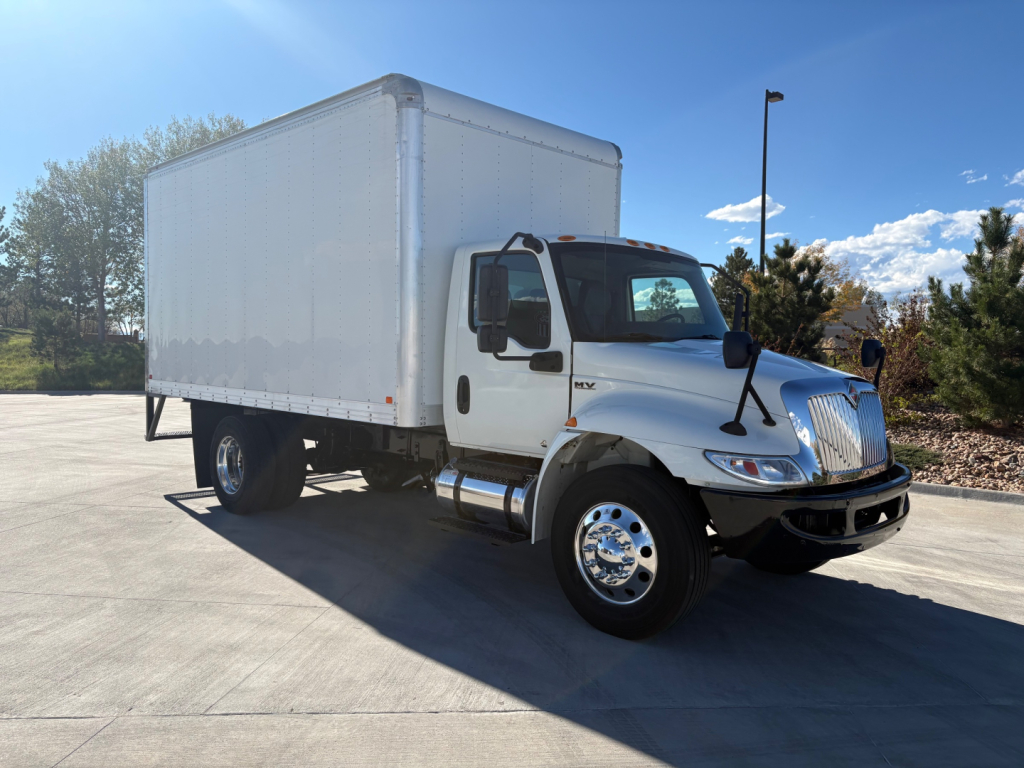
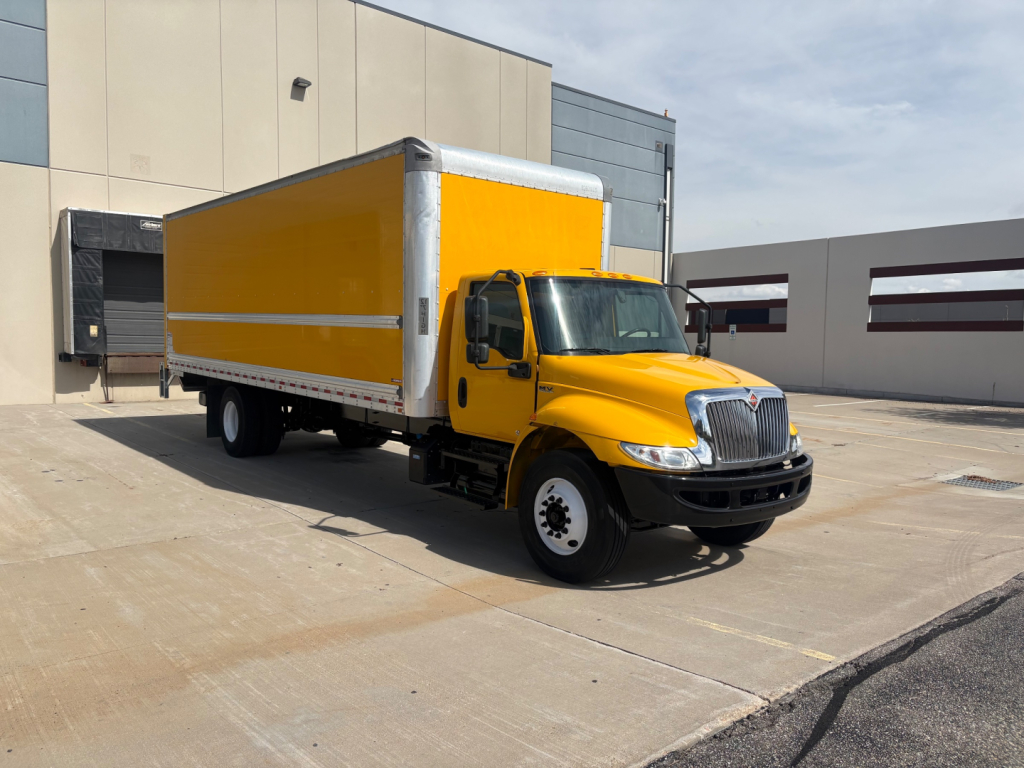
Selling a international box truck? List your international box truck for sale and reach thousands of commercial buyers.
International Box Trucks in Colorado
Body length must match the freight and the delivery route, not just the largest load a dispatcher hopes to carry. Common single-axle dry boxes run roughly 16 to 26 feet, with shorter wheelbases better suited to tight Front Range delivery stops. Measure usable interior dimensions and rear-door clearance because advertised body dimensions do not establish loading clearance. Calculate payload from the completed truck's actual empty weight, including the liftgate, then check individual axle loads. A long cube body can run out of legal payload before it runs out of space, especially with furniture, appliances, or palletized freight.
I-25 distribution work and I-70 mountain routes place different demands on the same chassis. Match axle ratio and transmission gearing to loaded starts and sustained climbs, and verify what engine or exhaust braking the specific powertrain actually provides. Service brakes must remain fully functional regardless of supplemental braking equipment. Colorado commercial-vehicle chain rules require separate attention to chain-carry routes, seasonal requirements, and active restrictions. Inspect frame rails, brake lines, spring hangers, electrical connectors, and liftgate mechanisms for corrosion associated with winter deicing chemicals. Mountain operation also warrants close inspection of cooling-system condition and service records.
Used International box trucks need a cold start, a fully warmed road test, and an ECM report showing engine hours, fault history, and available regeneration data. The 2007 emissions era added DPF service concerns; many later Cummins-powered trucks also use SCR and DEF, while some MaxxForce-era engines followed a different emissions strategy. Confirm the actual equipment before budgeting repairs. Examine roof seams, wall joints, floor sections, rear-door tracks, and body mounts for leaks, impact damage, and movement. Colorado diesel-emissions testing requirements vary by registration area, vehicle age, and weight, so confirm the requirements for the intended operating base rather than relying on a previous inspection.
New trucks should be ordered around loaded axle weights, wheelbase, dock height, liftgate capacity, and body electrical requirements. Obtain separate warranty terms for the chassis, body, and liftgate, including emissions coverage and any vocational exclusions. The 12% federal excise tax applies to qualifying new heavy trucks, not automatically to every medium-duty box truck. Confirm the completed truck's tax classification before finalizing the specification.
Frequently Asked Questions about International Box Trucks in Colorado
Do I need a CDL for an International box truck in Colorado?
A single International box truck generally requires a Class B CDL at 26,001 pounds or more, using the higher of GVWR or actual gross weight. A 26,000-pound rating is not a blanket exemption if the truck is overloaded. Air brakes alone do not create a CDL requirement, although CDL drivers need the appropriate air-brake qualification. Towing, passenger transportation, and placarded hazardous materials can change the licensing requirements.
Can a forklift drive inside an International box truck?
Only an International box truck body specifically rated for forklift entry should carry a forklift during loading. Concentrated wheel loads can damage a floor that safely supports distributed cargo weight. Obtain the body manufacturer's floor rating and confirm the forklift's loaded weight, wheel loading, and clearance. Dockboards, rear-sill support, and truck stabilization also need verification; a liftgate's capacity does not establish the body's forklift rating.
How should I compare mileage and engine hours on a used International box truck?
Divide odometer miles by total engine hours to compare average operating speed across used International box trucks. A low result can indicate extensive idling or slow delivery work, which adds engine operation without adding much mileage. Compare that calculation with recorded idle hours, maintenance intervals, and the truck's former duty cycle. Confirm whether the ECM, engine, or instrument cluster has been replaced before trusting the totals.
Should I choose air-ride or spring suspension for an International box truck?
Air-ride suspension is usually the better choice for an International box truck carrying damage-sensitive freight, while spring suspension offers mechanical simplicity for less delicate loads. Neither suspension increases the chassis's legal weight rating. Inspect air bags, leveling valves, and compressor operation on air-ride trucks. Check spring leaves, bushings, and hangers on spring-equipped trucks, and evaluate ride quality at a representative loaded weight.
Does a new International box truck qualify for the federal excise tax exemption?
International box trucks with a GVWR of 33,000 pounds or less are generally exempt from the 12% federal retail excise tax on heavy trucks. For heavier new configurations, obtain documented tax treatment for the completed chassis and body. A used truck is not normally taxed again merely because ownership changes, but special rules can apply to substantial rebuilding or conversion. Confirm the classification rather than relying on body length or a non-CDL description.