
2016 Hino Box Trucks For Sale in New York
Compare 2016 Hino box trucks for sale in New York by GVWR, cab layout, emissions history, and salt damage to match delivery routes and payload needs.
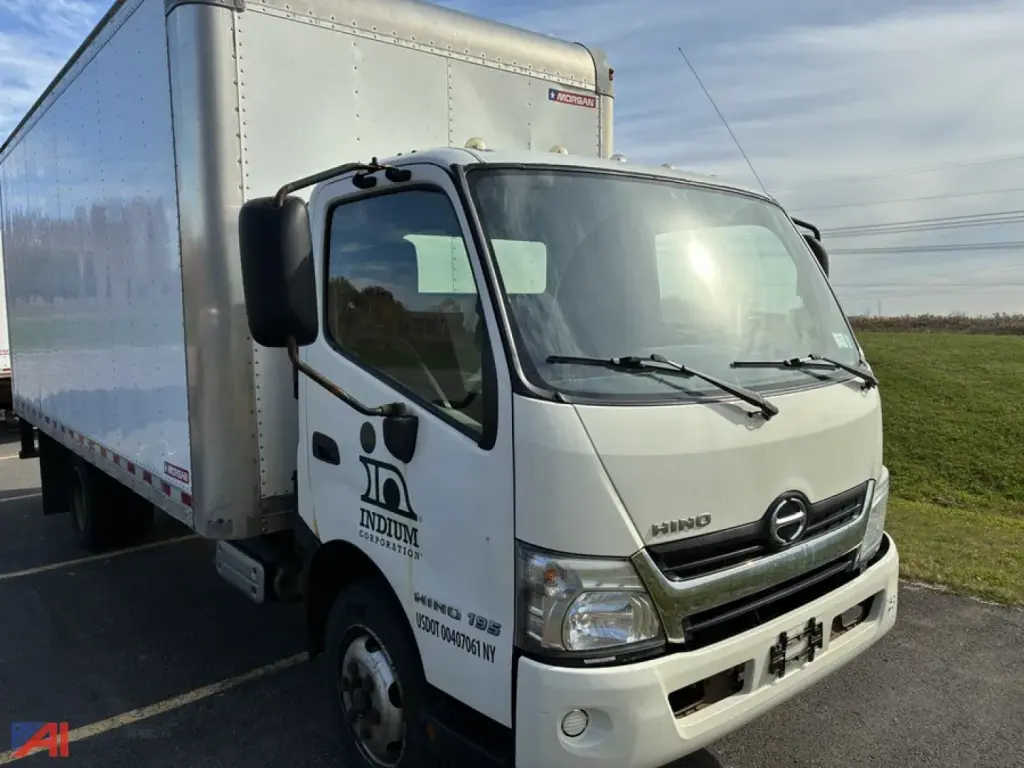
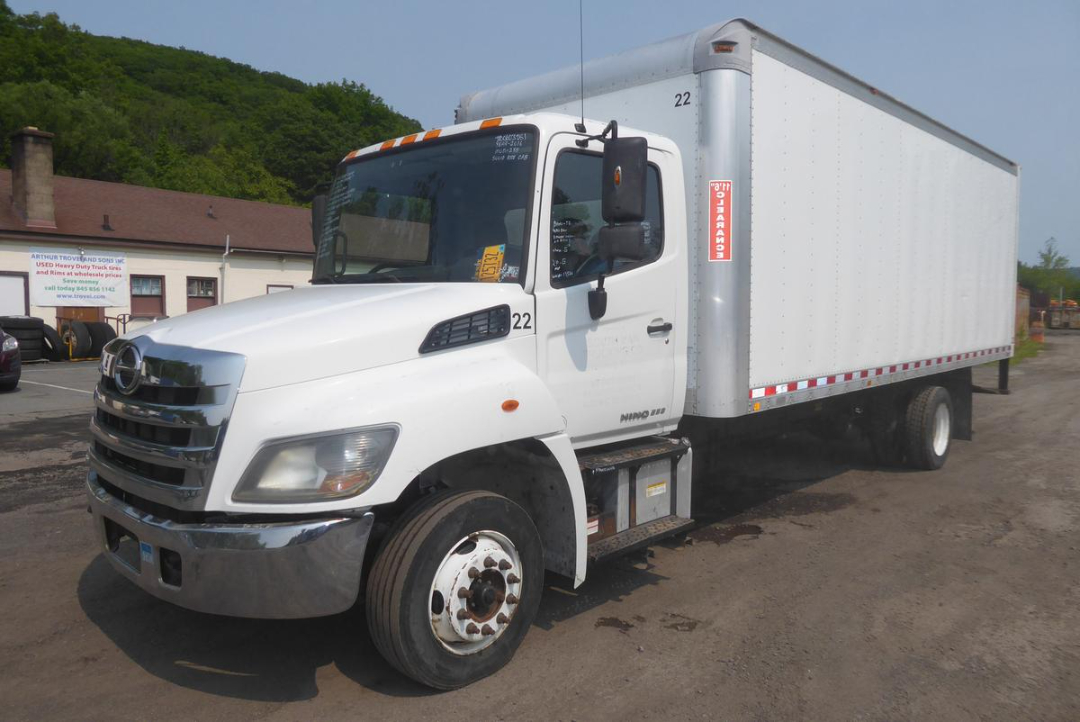
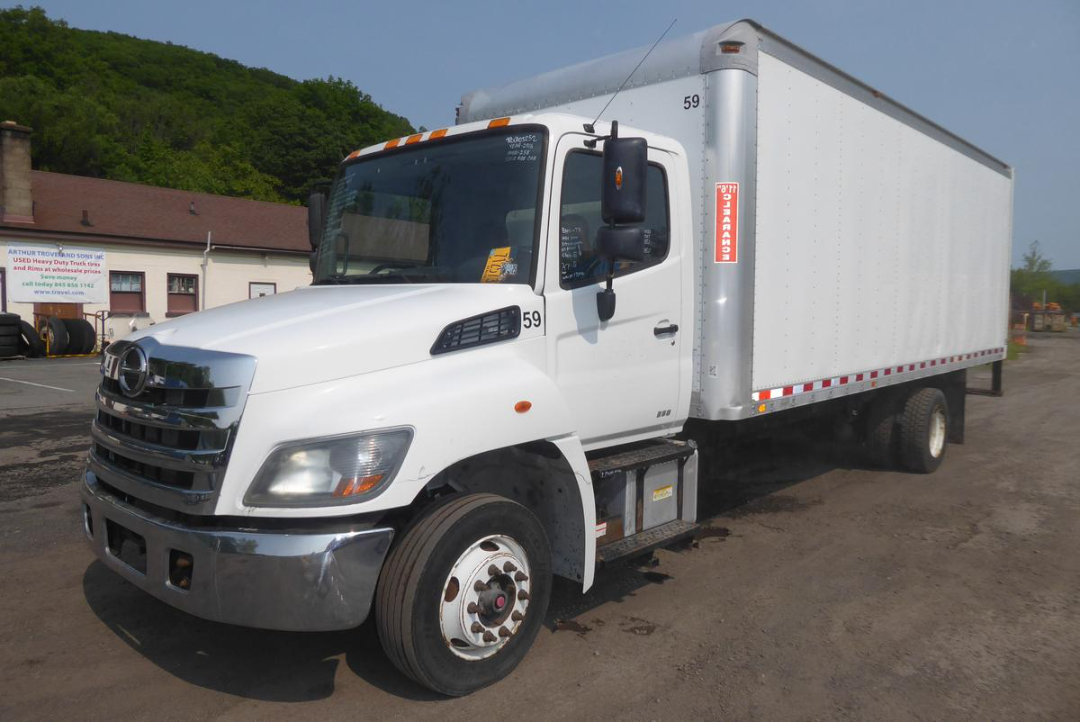
Selling a 2016 hino box truck? List your 2016 hino box truck for sale and reach thousands of commercial buyers.
2016 Hino Box Trucks in New York
Furniture, parcel, and wholesale distribution along I-87 and I-90 demand different body layouts than tight neighborhood delivery routes. Match inside box dimensions, rear door opening, floor rating, and liftgate capacity to the actual freight and handling equipment. A long box adds cubic capacity, not necessarily payload. Weigh the finished straight truck with fuel and equipment, then check both axle loads. For New York City work, confirm designated truck routes and posted clearances; passenger-only parkways are not truck shortcuts.
The 2016 model year falls in the DPF and SCR/DEF emissions era, making aftertreatment records central to a used Hino inspection. Review ECM mileage and hours, regeneration history, fault codes, and documentation of DPF cleaning or replacement. A cold start and loaded road test should precede any decision. New York road salt warrants close inspection of frame rails, crossmembers, brake lines, spring hangers, electrical connectors, and liftgate mounts. Inspect box roof seams, floor edges, roll-up door tracks, and rear sill for leaks and structural damage. Check steering play, kingpins, wheel seals, cooling-system condition, and suspension bushings before assigning money to cosmetic repairs.
For a unit represented as new, verify title status, original in-service date, and written warranty terms for the chassis, drivetrain, body, and liftgate. Even an unused 2016 truck needs tire-date checks and inspection of seals, hoses, batteries, and stored fuel before service. The 12% federal excise tax applies to qualifying new heavy trucks, not every new box truck; confirm tax treatment before purchase.
Frequently Asked Questions about 2016 Hino Box Trucks in New York
Do I need a CDL to drive a 2016 Hino box truck in New York?
A single Hino box truck generally requires a Class B CDL when its GVWR or actual gross weight reaches 26,001 pounds. A 19,500-pound 195 or 25,500-pound 258 normally falls below that weight threshold. Placarded hazardous materials can trigger CDL requirements below 26,001 pounds, and towing can change the required license class. Verify the certification label rather than relying on the model badge.
Does a 2016 Hino box truck need New York HUT registration?
New York HUT generally applies to trucks with a gross weight over 18,000 pounds using public highways, subject to exemptions. HUT gross weight includes the truck's unloaded weight and the maximum load to be carried, so an empty delivery truck is not automatically exempt. Confirm the applicable registration, decal, tax-return, and mileage-record requirements before putting a 2016 Hino box truck into service.
Is a Hino 195 cabover better than a 258 for city deliveries?
The Hino 195's cabover layout usually makes better use of overall length for tight urban delivery work. Actual maneuverability still depends on wheelbase, steering clearance, and rear body overhang, so compare turning space rather than cab style alone. Inspect the 195's cab-tilt mechanism and latches, and test driver access repeatedly if the route involves frequent stops.
What liftgate capacity should I choose for a 2016 Hino box truck?
Choose liftgate capacity for the heaviest complete load placed on the platform, including the pallet jack and any permitted rider. A pallet's freight weight alone is not enough. Check the liftgate manufacturer's load-center limits, platform dimensions, and operating instructions. The gate's own weight also reduces the Hino box truck's payload and can place substantial additional weight on the rear axle.
How should I inspect the automatic transmission in a 2016 Hino box truck?
Test the automatic transmission both cold and fully warmed, watching for delayed engagement, slipping, shift flare, or harsh shifts. Identify the exact Aisin or Allison transmission from its identification tag before evaluating fluid specifications and service records. Scan the transmission controller for faults, inspect cooler lines for corrosion or leaks, and repeat the road test under a representative load.