
Box Trucks For Sale in California
Browse box trucks for sale in California. Compare GVWR, body lengths, liftgates, diesel engines, and delivery-ready configurations.
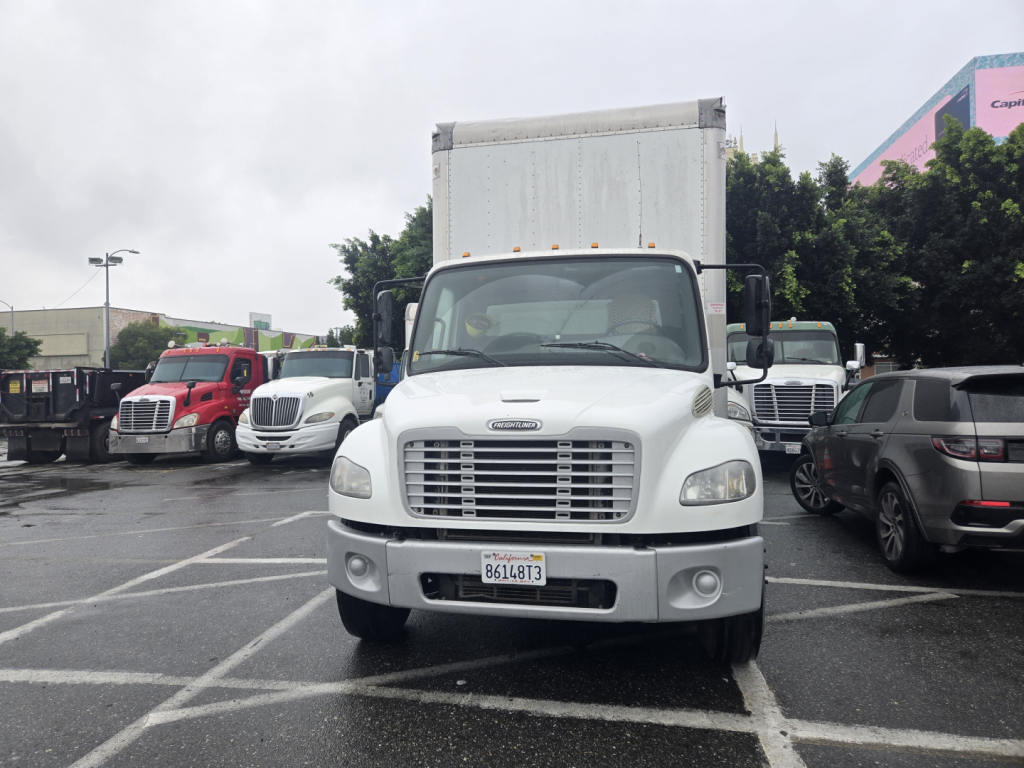

Selling a box truck? List your box truck for sale and reach thousands of commercial buyers.
Box Trucks in California
Common body lengths run from around 10 to 26 feet, with Class 3 through Class 7 chassis showing up most often in the market. A lighter non-CDL box truck is typically attractive for city delivery and rental fleet use, while heavier spec units can handle denser freight, palletized product, and longer daily duty cycles. In California, axle weight, emissions compliance, and operating area matter more than they do in many other states. Diesel box trucks remain common, but many buyers also look closely at gas engines for lower annual mileage or simpler maintenance profiles. Automatic transmissions, roll-up rear doors, curbside doors, and tuck-under or rail liftgates are among the most important equipment choices because they directly affect loading dock compatibility and labor efficiency.
Body construction deserves close attention on a used box truck. Aluminum bodies help reduce empty weight, while FRP and sheet-and-post designs are common for general freight. Check roof condition, floor wear, wall damage, door seal integrity, and signs of previous cargo impact. Inside the box, features like E-track, logistics posts, scuff liners, translucent roofs, and plywood or hardwood flooring can add real value depending on the freight. Chassis specs matter just as much. Wheelbase affects turning radius and body fit, suspension choice influences ride quality under load, and rear axle ratio changes how the truck performs in stop-and-go delivery work versus longer highway runs. If the truck will run Southern California urban routes, a tighter turning setup and liftgate-friendly rear overhang may matter more than sleeper-level road comfort.
A good box truck purchase is usually about matching the truck to the route, not simply buying the biggest body available. Confirm inside box dimensions, door opening height, liftgate rating, and actual payload after upfit weight. Review engine hours where available, maintenance records, tire condition, brake life, and any signs of moisture intrusion in the cargo area. For California buyers, it is also smart to verify registration class, emissions labeling, and any local fleet rules that could affect where and how the truck can operate. The right box truck should load fast, protect freight, fit the route, and stay productive without creating avoidable compliance or maintenance costs.
Frequently Asked Questions about Box Trucks in California
What is the difference between a box truck and a straight truck?
A box truck is a type of straight truck. The term straight truck means the cab and cargo body are mounted on one chassis as a single unit, unlike a tractor-trailer combination. Box truck usually refers specifically to a straight truck with an enclosed cube or van body used for freight, deliveries, moving, and service work.
What size box truck requires a CDL in California?
The CDL requirement is based primarily on gross vehicle weight rating, not just box length. In general, a box truck with a GVWR of 26,001 pounds or more requires the appropriate CDL, while trucks rated at 26,000 pounds GVWR or below are commonly operated without a CDL if no other CDL-triggering factors apply. Buyers should still confirm California licensing, air brake, and commercial use rules before purchase.
What should I check first on a used box truck?
Start with GVWR, payload, body length, and door setup to make sure the truck fits the job. Then inspect the cargo box for roof leaks, floor rot, wall damage, and rear frame corrosion. On the chassis side, review engine condition, transmission operation, brake wear, tire age, suspension wear, and maintenance history. A used box truck can look clean outside and still have expensive structural or drivetrain issues, so both the body and chassis need equal attention.
Are liftgates worth it on a box truck?
A liftgate is one of the most valuable options when freight is palletized, heavy, or delivered to locations without dock access. It improves unloading speed, reduces driver strain, and expands the range of stops the truck can handle. The key is matching lift capacity, platform size, and gate style to the freight. An undersized or poorly maintained liftgate can create downtime just as quickly as it solves a loading problem.
What box truck specs matter most for city delivery in California?
For city delivery, the most important specs are usually wheelbase, body length, GVWR, door access, and turning radius. Buyers often prioritize automatic transmission, a practical cab-to-axle setup, and a liftgate if dock access is inconsistent. In California markets with dense traffic and tighter delivery zones, maneuverability and compliance can be more important than maximum cube alone.