
2021 Box Trucks For Sale in Colorado
Compare 2021 box trucks for sale in Colorado by payload, gearing, body size, and emissions history to match mountain routes and Front Range deliveries.
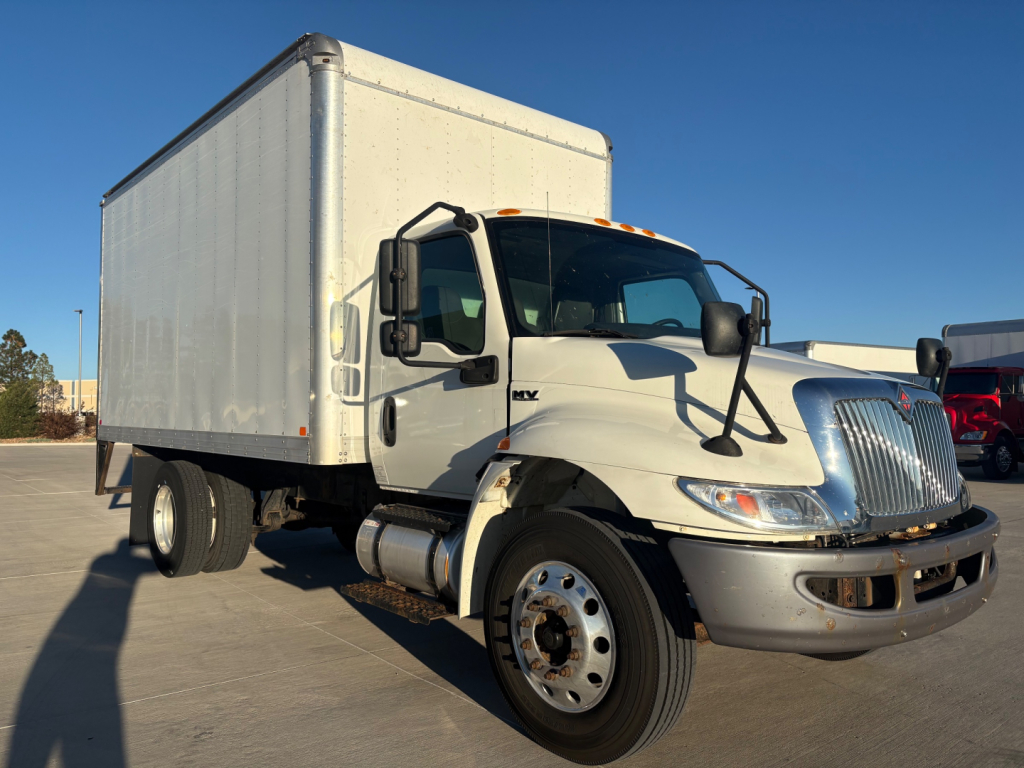
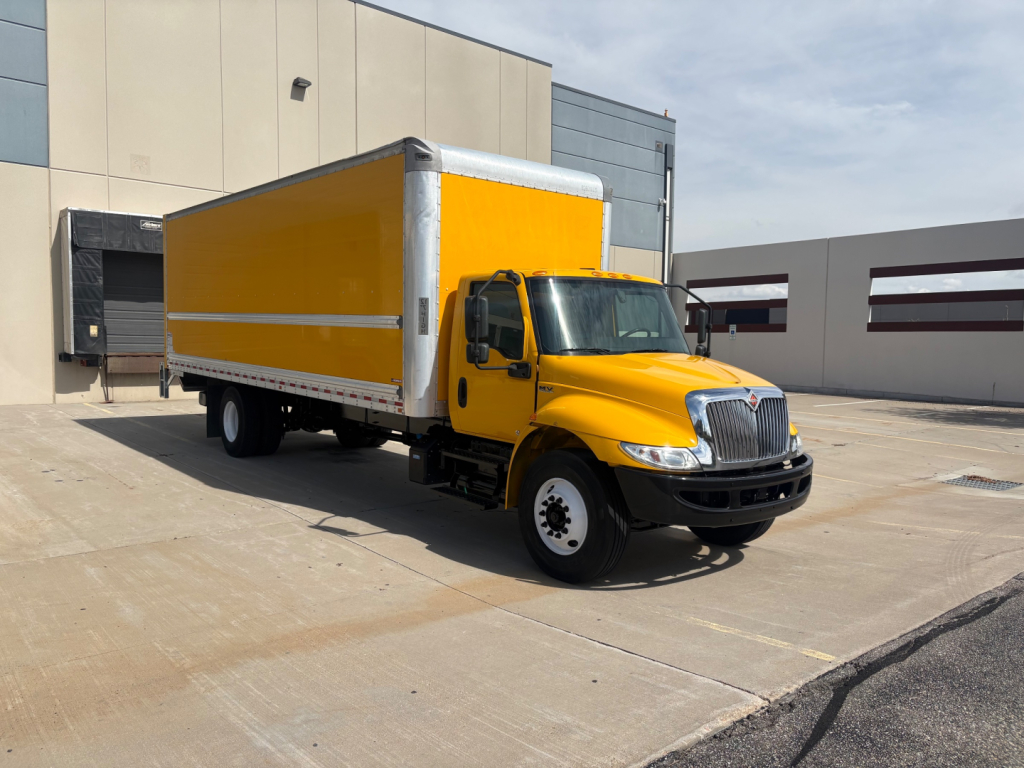
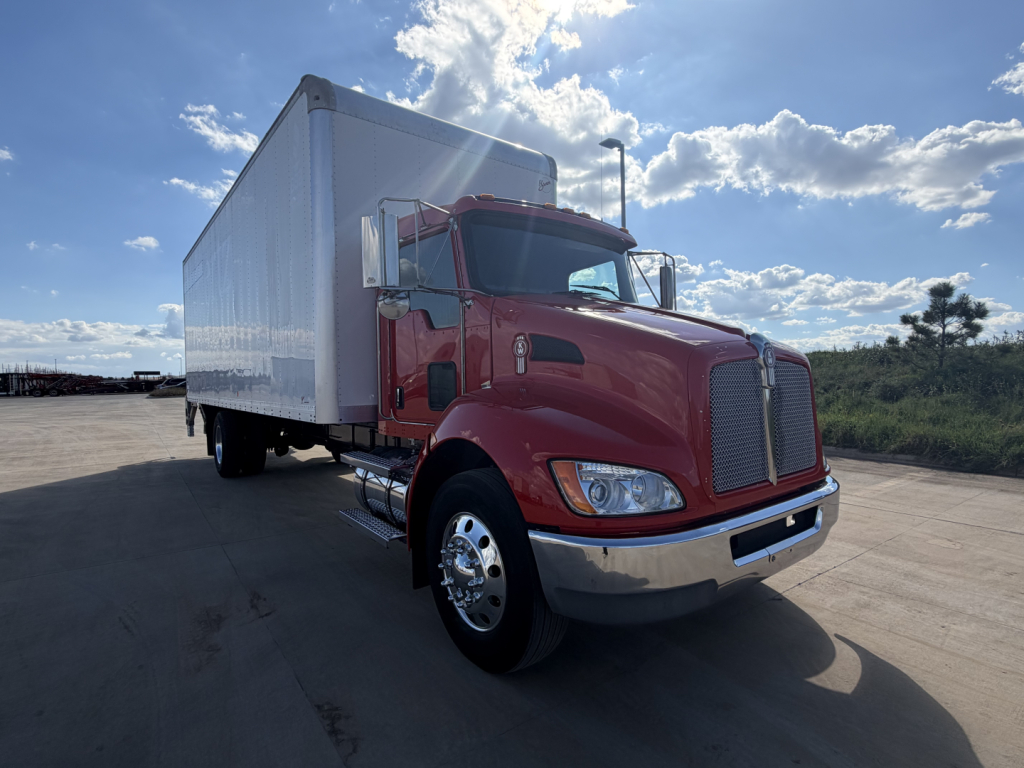
Selling a 2021 box truck? List your 2021 box truck for sale and reach thousands of commercial buyers.
2021 Box Trucks in Colorado
Body length does not establish payload capacity. Compare the certified GVWR and individual axle ratings with actual empty weight, including the liftgate, fuel, and driver. Shorter boxes and wheelbases help on Denver delivery streets, while longer bodies suit bulky freight along I-25. Confirm rear-door clearance, usable interior height, tie-down provisions, and floor ratings for pallet handling.
Most 2021 medium-duty diesels use DPF and SCR systems with DEF, so obtain ECM fault history, engine hours, regeneration records, and documented aftertreatment repairs on used trucks. Repeated short delivery cycles deserve particular scrutiny for interrupted regenerations. Colorado deicers can damage frame rails, brake hardware, body mounts, and liftgate electrical connections; inspect underneath rather than judging painted panels. Check whether Colorado diesel emissions testing applies to the truck's registered location and weight class. For a 2021 truck represented as new, verify storage servicing, final body specifications, written warranty start dates, and applicable federal excise tax.
Frequently Asked Questions about 2021 Box Trucks in Colorado
Do I need a CDL for a 2021 box truck in Colorado?
A single box truck rated or actually weighing 26,001 pounds or more generally requires a Class B CDL in Colorado when towing no more than 10,000 pounds. A trailer over 10,000 pounds can put a qualifying combination into Class A. A 26,000-pound GVWR label does not eliminate applicable medical, inspection, or motor carrier requirements. Air brakes affect CDL testing and license restrictions rather than setting the CDL weight threshold.
Do box trucks need tire chains on Colorado mountain routes?
Snow tires alone do not satisfy Colorado's commercial vehicle chain restrictions for qualifying box trucks. Carry properly sized chains or approved traction devices, and verify current CDOT requirements for the route, vehicle weight, and travel dates. Chain-carrying rules can apply even when the road is dry. Practice installation before dispatch and check clearance around brake hoses, suspension components, and dual tires.
What liftgate capacity do I need for pallet deliveries?
Size a box truck's liftgate for the heaviest pallet plus the pallet jack and any operator weight permitted by the manufacturer, not the freight alone. Check the rated capacity at the specified load center because a large pallet can place its center of gravity farther from the truck. Platform dimensions must accommodate the load safely, and a loaded operating test should reveal hydraulic leaks, uneven travel, or weak electrical supply.
What should I verify on a 2021 box truck advertised as new?
Written warranty status and prior registration history are essential checks on a 2021 box truck advertised as new. Confirm whether chassis, engine, body, and liftgate coverage has already started, and inspect tires, batteries, fluids, and seals for storage deterioration. Qualifying new truck chassis and bodies above 33,000 pounds GVWR generally incur 12% federal excise tax; lighter box trucks are generally exempt. Obtain written confirmation of the applicable tax treatment.
How can I tell whether a box truck is geared for Colorado mountain work?
Loaded grade performance matters more than peak horsepower when evaluating a box truck for Colorado mountain work. Review axle ratio together with transmission ratios, tire size, and engine torque, then assess grade starts and sustained climbing at the intended operating weight. Numerically higher axle ratios usually improve pulling ability but can increase highway engine speed. Confirm that any exhaust brake operates correctly and understand its limitations before planning long descents.