
2017 Blue Bird Trucks For Sale
Have 2017 blue bird truck to sell? List it here to reach thousands of buyers.
2017 Blue Bird Trucks
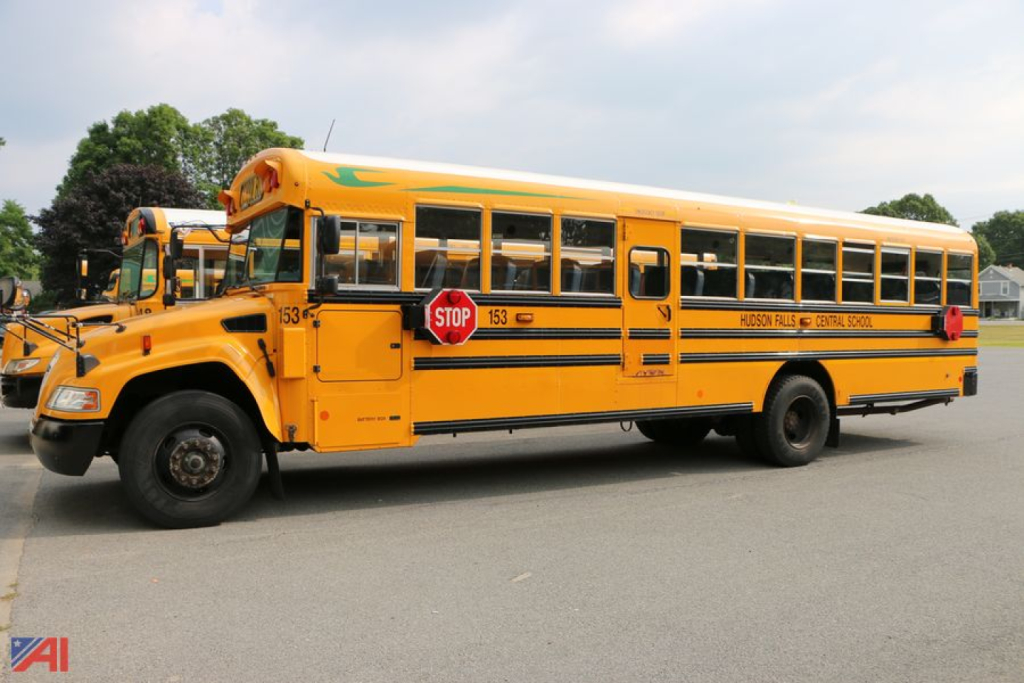
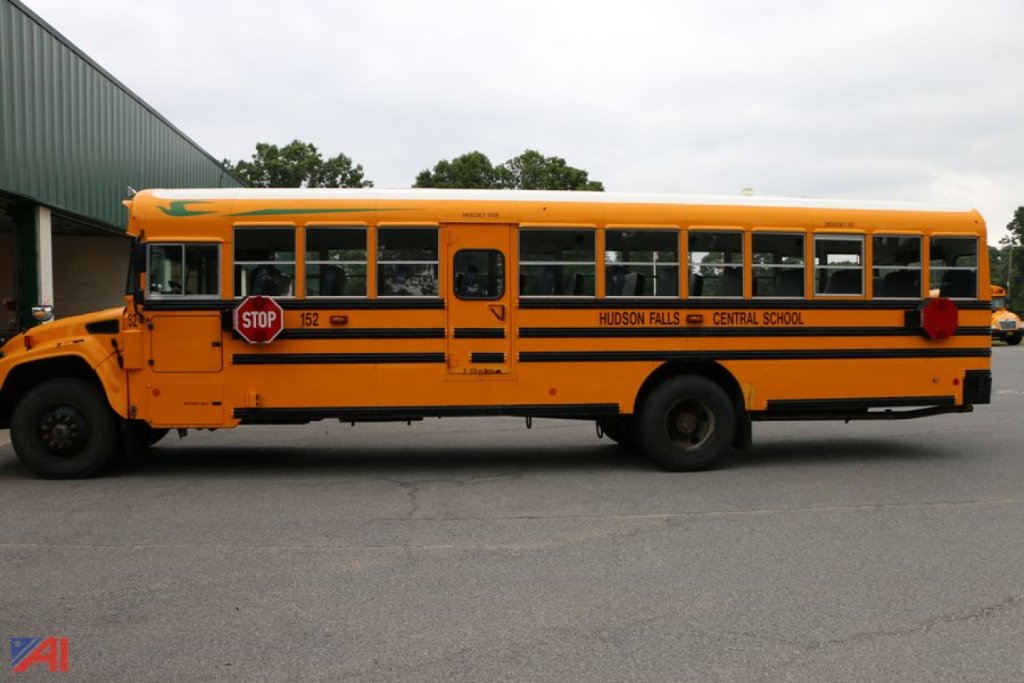
The biggest buying decision on a 2017 Blue Bird unit is configuration. Some are standard school bus builds, while others are set up for commercial passenger work, wheelchair access, church transport, municipal service, or institutional use. Seating capacity, lift equipment, restraint systems, luggage room, and entry door layout all affect value and day-to-day usability. If the unit has a wheelchair lift, inspect cycle count, platform condition, interlock function, and tie-down hardware. On passenger units, pay close attention to seat track condition, HVAC performance, window seals, and body corrosion around stepwells and rub rails.
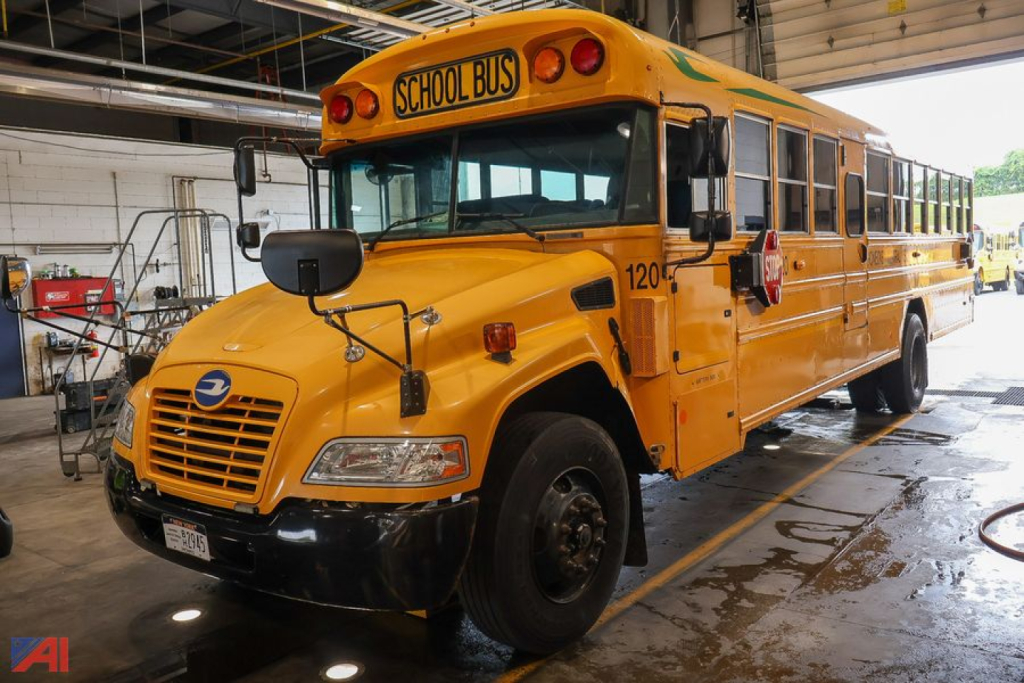
From a mechanical standpoint, 2017 Blue Bird trucks and bus-based commercial units are typically chosen for predictable parts support and straightforward drivability. Buyers should verify engine hours versus odometer miles, review idle time if available, and look closely at cooling system service, front suspension wear, brake condition, and transmission shift quality. On Vision models, front-end accessibility is a plus for routine maintenance, but body condition matters just as much as drivetrain condition because repairs to panels, warning systems, doors, and interior safety equipment can add up quickly. For former school service units, check for signs of stop-and-go duty cycles, district maintenance history, and any retired safety equipment that may need conversion work for private use.
A 2017 Blue Bird makes the most sense for buyers who need a proven medium-duty people-mover or a specialty platform with established fleet support. The appeal is usually durability, simple operation, and a chassis that technicians already understand. When comparing listings, focus less on paint or decals and more on seating layout, accessibility equipment, emissions system history, rust exposure, and documented service intervals. Those details will tell you far more about long-term operating cost than the badge on the hood.
Frequently Asked Questions about 2017 Blue Bird Trucks
What engine and transmission are common in a 2017 Blue Bird Vision?
A 2017 Blue Bird Vision commonly uses a Cummins diesel engine with an Allison automatic transmission. Exact ratings vary by application and build specification, so buyers should confirm horsepower, torque, transmission model, rear axle ratio, and GVWR from the data plate or original build sheet. That combination is popular because parts availability is broad and many medium-duty technicians are already familiar with the platform.
What should I inspect first on a used 2017 Blue Bird passenger unit?
Start with body condition, service records, and passenger equipment. Rust around the stepwell, floor, rub rails, wheel openings, and rear body sections can be more expensive to correct than normal chassis wear. After that, inspect the wheelchair lift if equipped, verify door operation, test HVAC performance, and check seat mounting points, restraint hardware, warning systems, and electrical accessories. Mechanical inspection should include brakes, suspension, tires, cooling system, and transmission behavior under load.
Are 2017 Blue Bird units only for school transportation?
No. While many 2017 Blue Bird units began life in school service, the same platform is also used for commercial shuttle work, assisted mobility transport, church buses, municipal fleets, and institutional passenger movement. Some units are sold in commercial configurations from new, and others are converted after retirement from district service. The intended use matters because seating layout, entry configuration, lift equipment, and safety system requirements can differ significantly from one application to another.
Is mileage or engine hours more important on a 2017 Blue Bird?
Both matter, but engine hours often tell a more complete story on a bus or bus-based truck. A unit with modest mileage can still have heavy idle time from route work, loading, climate control use, or stop-and-go operation. Compare hours to miles, look for maintenance records that show coolant, transmission, and aftertreatment service, and inspect for wear patterns that match the reported usage. A well-documented higher-mile unit can be a better buy than a lower-mile bus with poor service history.
What makes the 2017 Blue Bird Vision attractive to fleet buyers?
The 2017 Blue Bird Vision appeals to fleets because it combines a recognizable medium-duty chassis layout with strong maneuverability, good forward visibility, and familiar Cummins-Allison driveline options. Service access is generally straightforward, and parts support is well established in many regions. For buyers managing multiple passenger or specialty units, that can simplify technician training, maintenance planning, and long-term operating cost control.