
2017 Blue Bird Bus Trucks For Sale
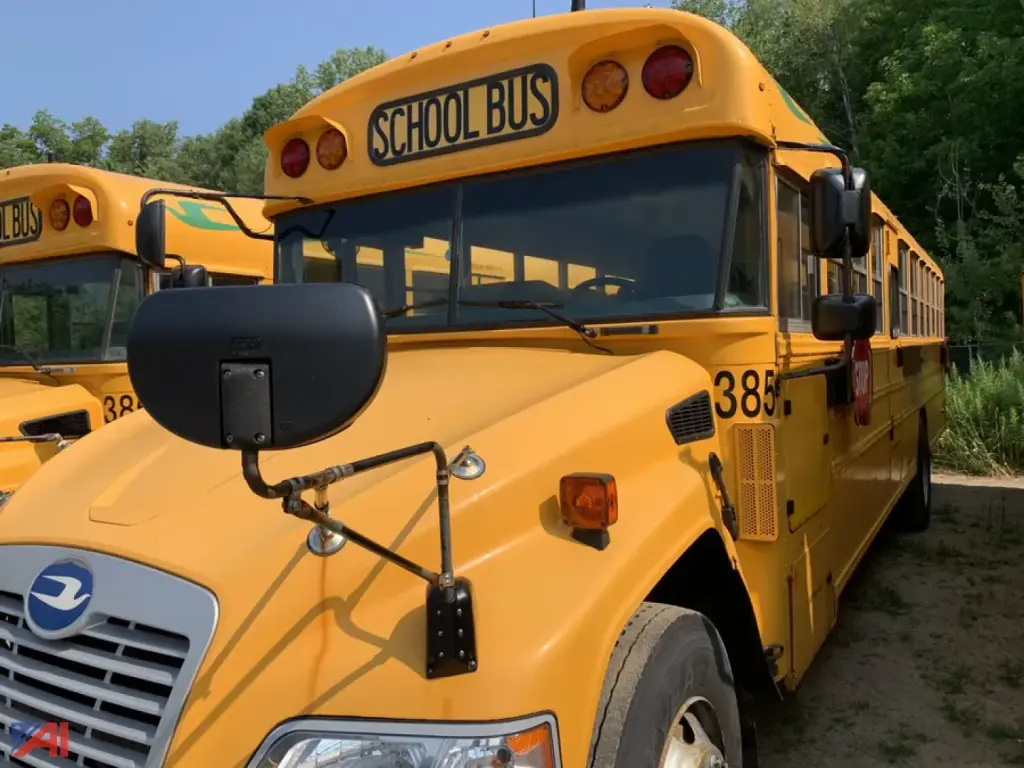
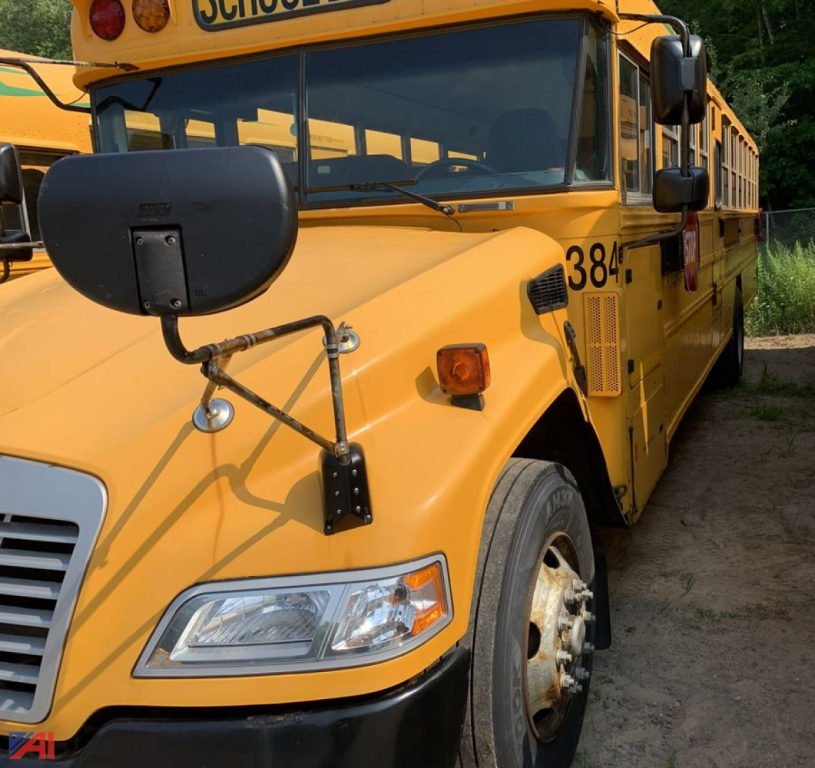
Have 2017 blue bird bus truck to sell? List it here to reach thousands of buyers.
2017 Blue Bird Bus Trucks
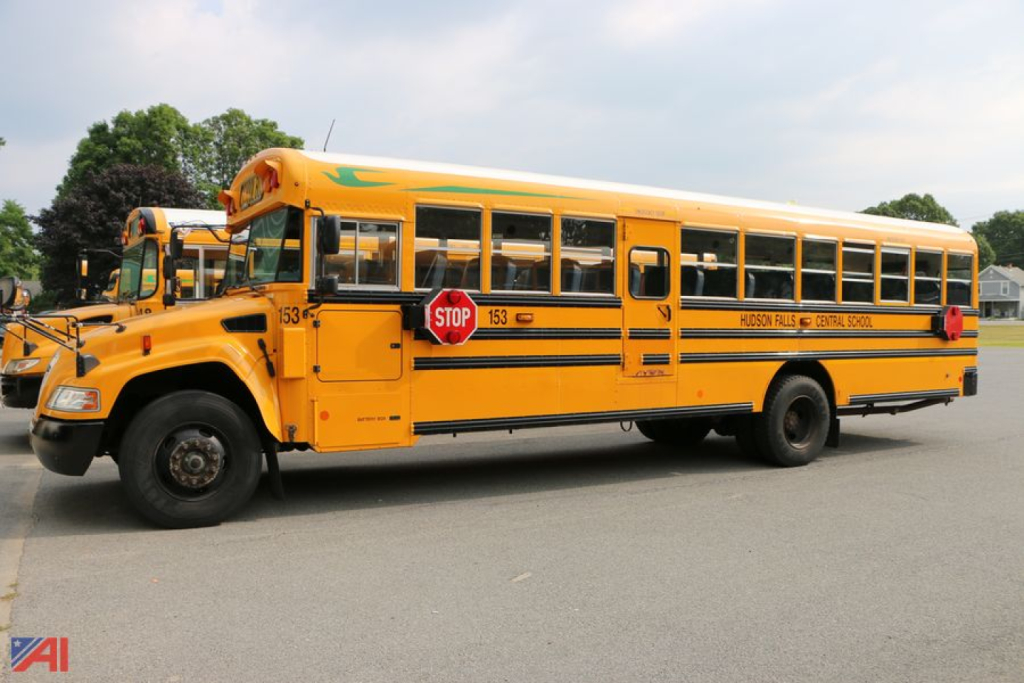
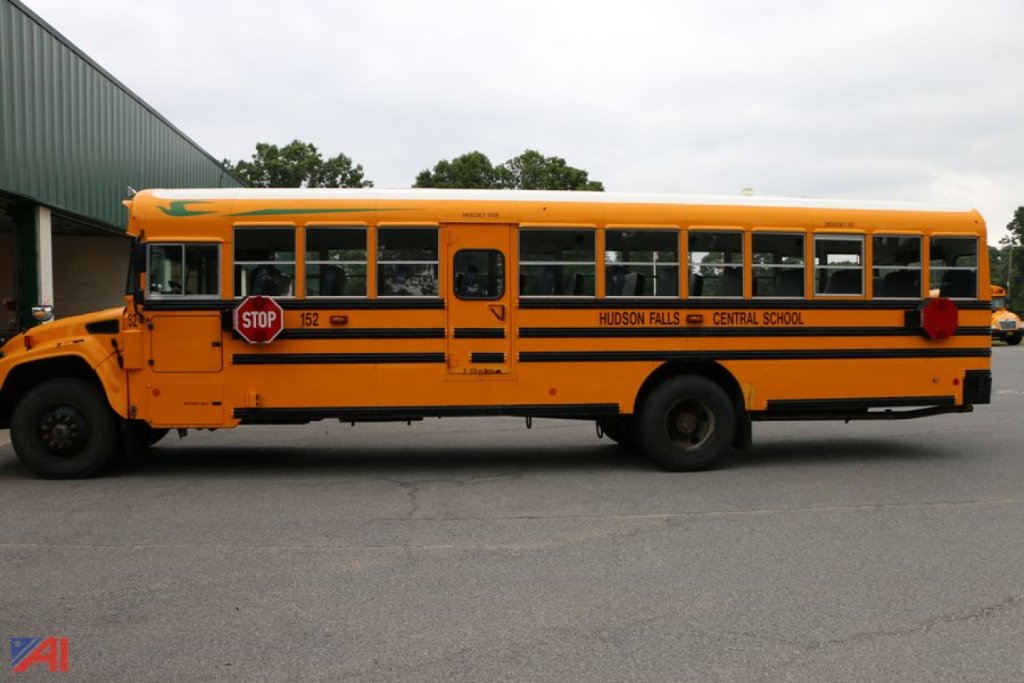
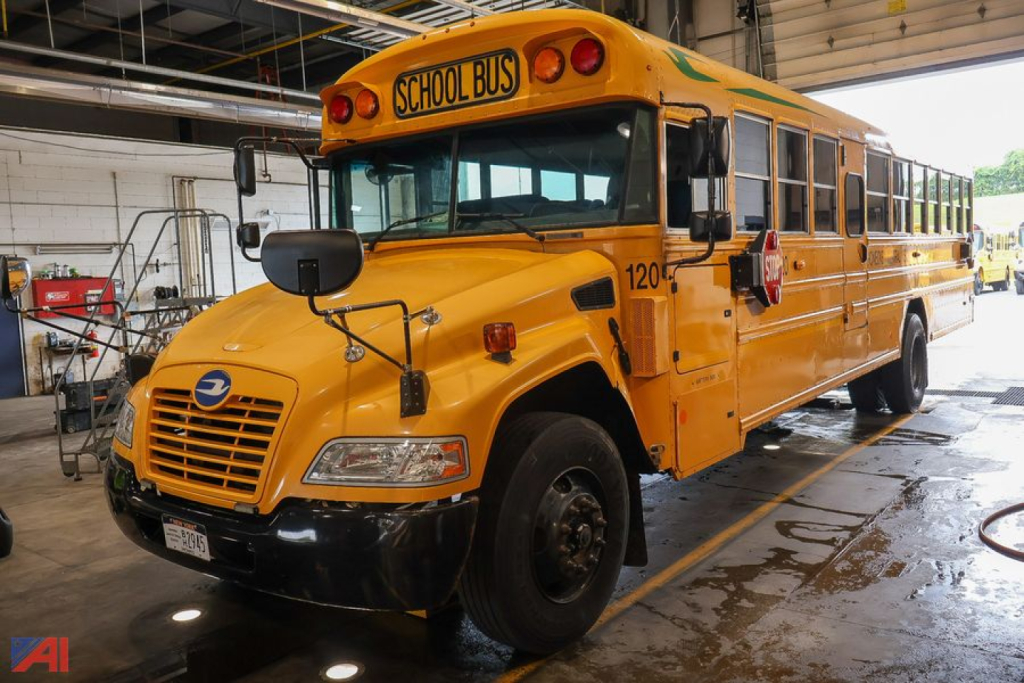
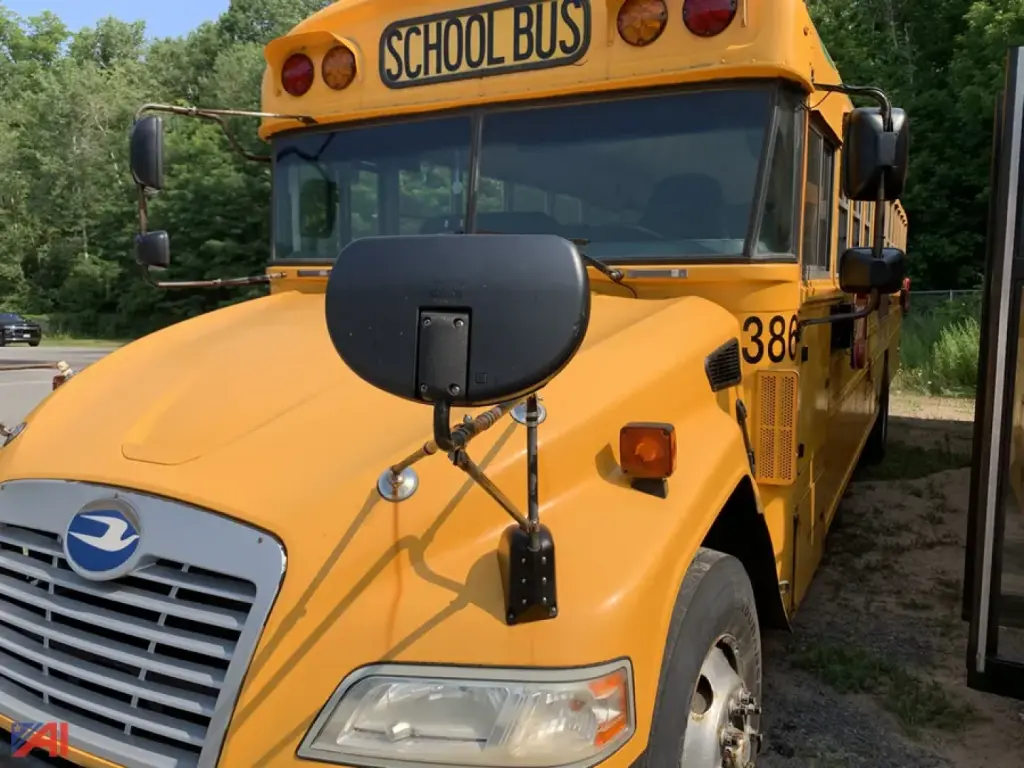
The 2017 Blue Bird Vision is commonly found with gasoline or diesel power, depending on original fleet spec and region. Buyers should verify engine make, transmission model, axle ratio, and brake type rather than assuming all units are equipped the same. Passenger buses in this class may include hydraulic or air brakes, underbody storage options, wheelchair lift configurations, and varying roof heights. Interior condition matters as much as drivetrain hours. Check seat frames, floor integrity, stepwell corrosion, heater performance, emergency exits, warning light systems, and the operation of crossing arms or stop arms if the bus still carries school equipment. For buyers planning a motorhome, mobile office, church shuttle, or private transport conversion, removal requirements for school-bus-specific lighting and signage should be confirmed against state regulations before purchase.
A used 2017 Blue Bird bus should also be evaluated like any medium-duty truck, with close attention to frame condition, suspension wear, steering play, tire date codes, and cooling system service history. Route buses often accumulate lower highway miles but higher idle hours and repeated braking cycles, so maintenance records can tell more than the odometer alone. On diesel units, emissions aftertreatment condition is a major checkpoint. On gasoline units, fuel system and ignition-related service history may be more relevant. If the bus was district-owned, inspect for rust in body mounts, rub rails, skirt panels, and rear structure, especially in northern climates where road salt is common.
For many buyers, the value in a 2017 Blue Bird bus comes from proven school fleet durability and strong parts support. Blue Bird remains a recognized name in the bus market, and the Vision platform is familiar to many fleet technicians. The best fit depends on passenger count, route length, door configuration, accessibility needs, and intended repurposing. A shorter bus can be easier in urban service or private conversion work, while a full-size unit can make more sense for route density and maximum seated capacity. The right buying decision usually comes down to matching body length, powertrain, and maintenance condition to the job instead of shopping by year alone.
Frequently Asked Questions about 2017 Blue Bird Bus Trucks
What should I check first on a 2017 Blue Bird bus?
Start with the powertrain and braking system, then verify body condition and service history. Engine type, transmission, axle ratio, brake setup, and mileage or hours affect operating cost more than cosmetic condition. After that, inspect the floor, stepwell, frame, suspension, cooling system, tires, and any corrosion around body mounts and lower panels. On former school buses, confirm that all safety equipment functions properly and determine what must be removed or modified for non-school use.
Is a 2017 Blue Bird Vision a good platform for shuttle or conversion use?
Yes, the Vision is a common choice for shuttle service, church transport, and bus conversion projects because the conventional front-end layout is familiar to many service shops and offers relatively straightforward engine access. Buyers still need to match bus length, roof height, seating layout, and door configuration to the intended use. A conversion buyer should also account for title changes, state inspection requirements, and the cost of removing school-bus-specific signs, lamps, and passenger seating if the unit is being repurposed.
Are all 2017 Blue Bird buses diesel?
No. A 2017 Blue Bird bus may be equipped with either gasoline or diesel power depending on how it was originally ordered. That is why buyers should confirm the exact engine model, emissions equipment, and transmission before comparing units. The fuel type changes maintenance priorities, operating characteristics, and in some cases total cost of ownership, especially for fleets with strong preferences on technician familiarity or fuel infrastructure.
How important are mileage and engine hours on a used school bus?
Both matter, but they need to be viewed together. School buses often run short routes with frequent stops, long idle periods, and repeated cold starts, so low mileage does not always mean low wear. High idle time can affect engine condition, emissions components, and overall maintenance needs. A bus with complete records and consistent preventive maintenance can be a better buy than one showing a lower odometer but little documentation.
What makes one 2017 Blue Bird bus more valuable than another?
Value usually comes from specification, condition, and documentation. Buyers tend to pay more for cleaner bodies, solid floors, good tires, strong service records, desirable seating capacity, wheelchair accessibility, and a powertrain that fits their operating needs. Regional rust exposure, emissions system condition, and the presence of school equipment that must be removed can also change the real acquisition cost. Two buses of the same year can differ substantially once those factors are considered.