
2016 Blue Bird Trucks For Sale
Have 2016 blue bird truck to sell? List it here to reach thousands of buyers.
2016 Blue Bird Trucks
The first buying decision is usually powertrain and serviceability. Many 2016 Blue Bird Vision buses were spec'd with diesel engines from Cummins, paired with automatic transmissions from Allison, though exact ratings can vary by fleet and GVWR. That makes engine hours, idle history, maintenance records, and aftertreatment condition just as important as odometer mileage. Suspension wear, brake condition, steering play, warning light status, and HVAC performance matter because these buses typically spent years in daily route duty with frequent starts, stops, and door cycles. If the unit is being repurposed for shuttle use, church transport, private fleet movement, or conversion work, buyers should also verify seat layout, lift equipment, electrical accessories, and any district-specific safety interlocks.
Body condition is a major value factor on a 2016 Blue Bird. Inspect the stepwell, flooring, wheel housings, rub rail areas, emergency exits, and underbody for corrosion, especially on buses that operated in northern states with road salt exposure. On a Blue Bird school bus, roof seams, window seals, crossing arm operation, warning light systems, and stop arm function can all affect reconditioning cost. Tire age matters as much as tread depth on lower-mileage school units, and buyers should confirm whether the bus retains original school-spec equipment or has already been decommissioned for secondary use. Title status, state equipment removal requirements, and emissions compliance should be clarified before purchase.
For buyers comparing multiple 2016 Blue Bird units, the best value usually comes from matching the original duty cycle to the intended next use. A shorter route bus with strong maintenance history may be a better purchase than a lower-priced unit needing bodywork, brake work, and electrical troubleshooting. Blue Bird products from this period are generally supported by a broad service network and familiar components, which helps with parts sourcing and long-term upkeep. If the application is passenger transport, capacity, entry configuration, visibility, and accessibility equipment should lead the decision. If the plan is a specialty conversion, prioritize structural condition, drivetrain health, and documentation over cosmetic appearance.
Frequently Asked Questions about 2016 Blue Bird Trucks
What is the most common 2016 Blue Bird model buyers will find for sale?
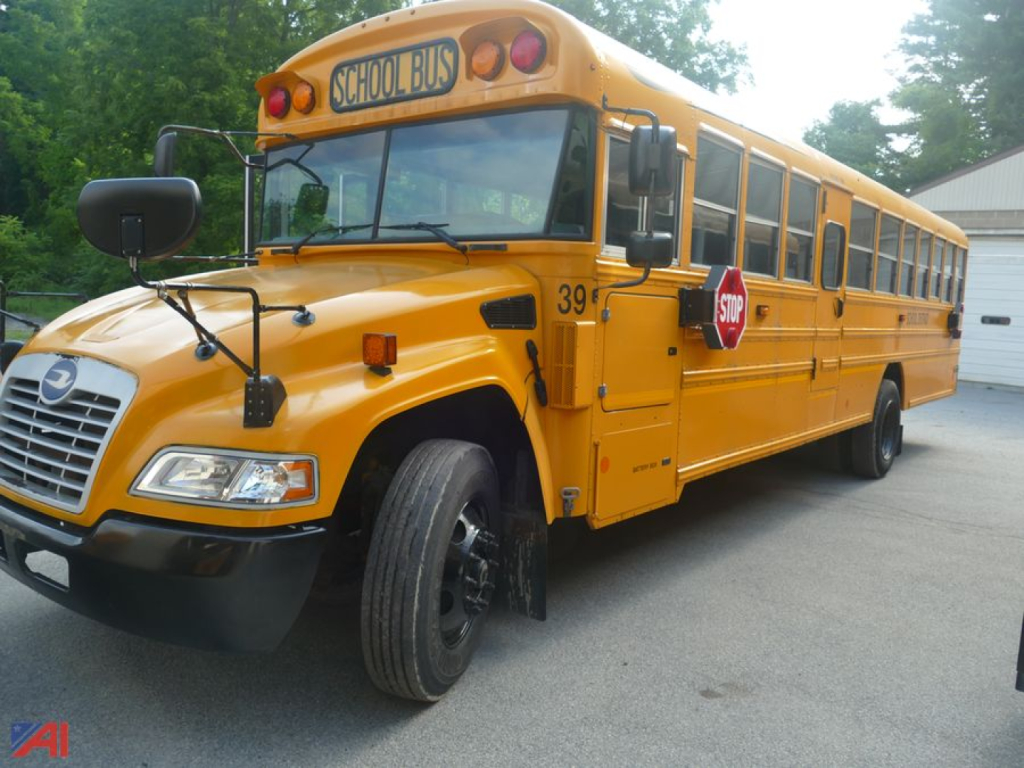
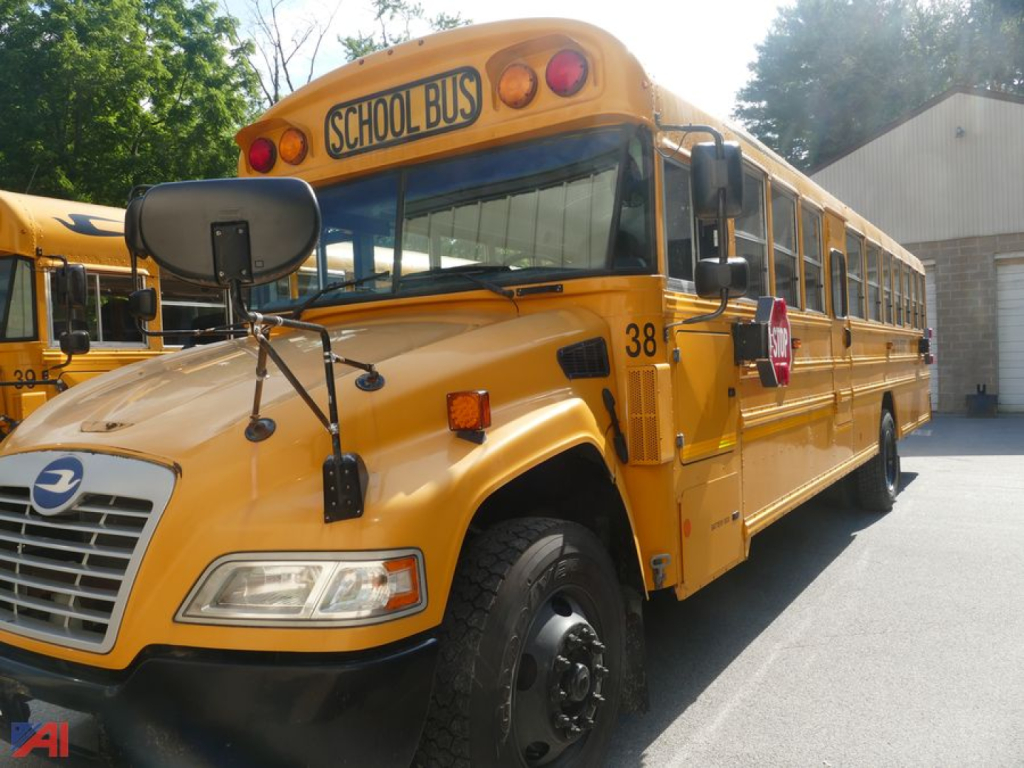
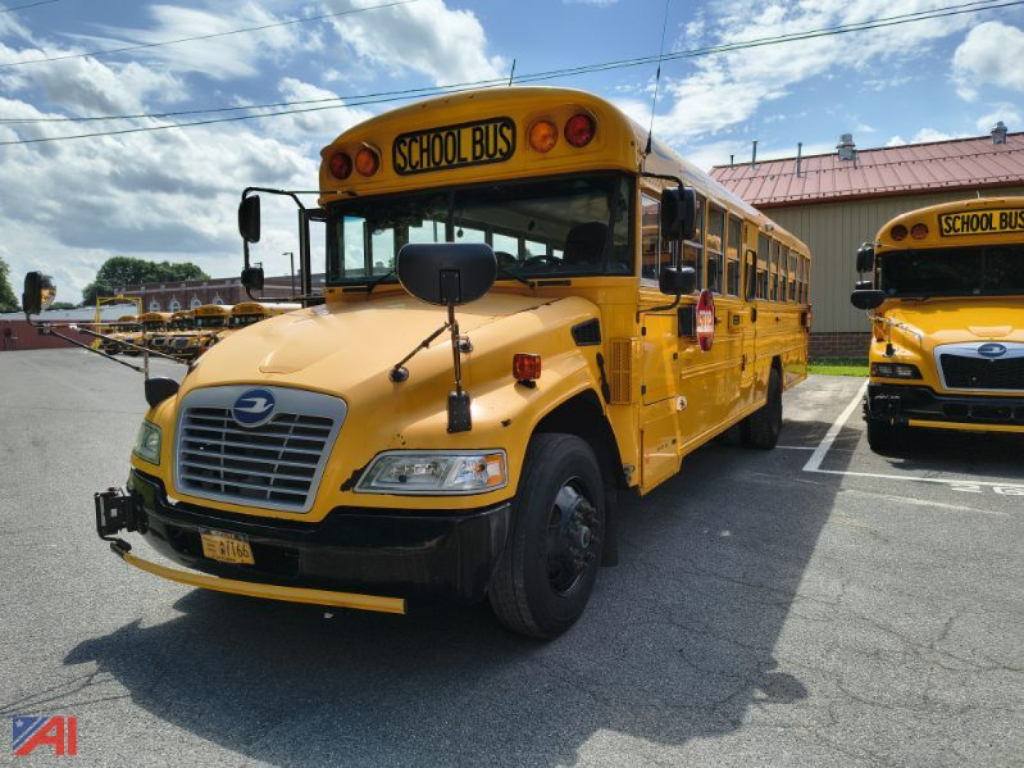
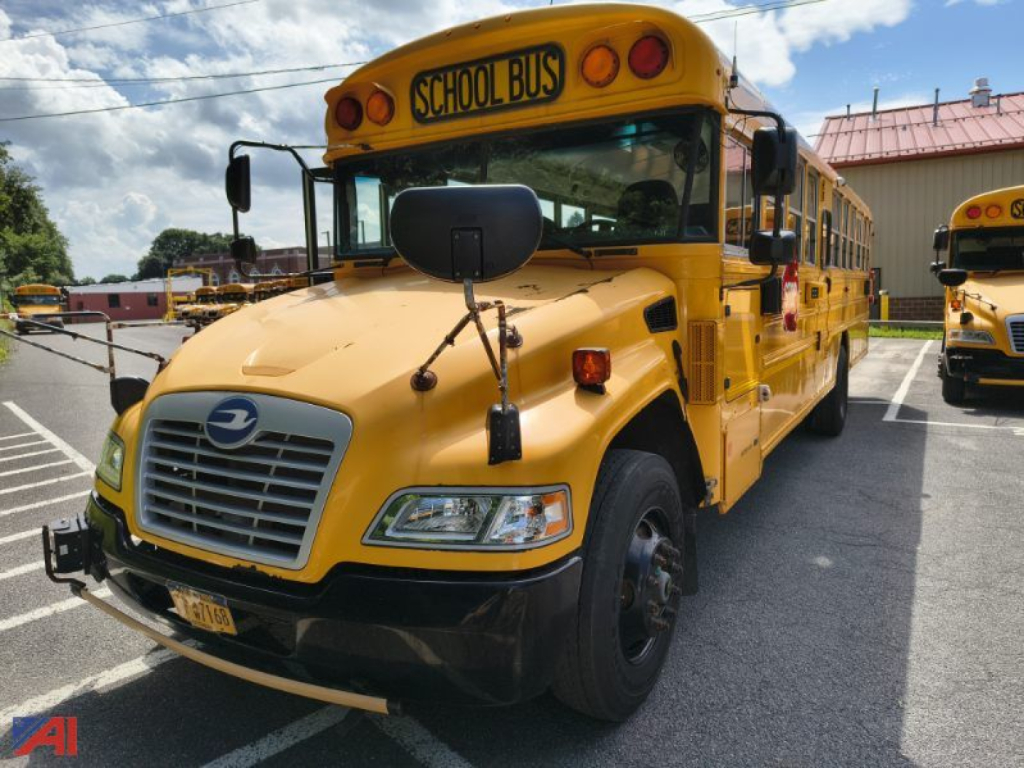
The most common 2016 Blue Bird unit on the secondary market is the Blue Bird Vision school bus. It is a conventional-style Type C bus with a hooded front end, front engine layout, and a chassis engineered specifically for pupil transportation. Buyers may also encounter other Blue Bird bus models, but the Vision is typically the dominant model in this year range.
What should buyers inspect first on a 2016 Blue Bird bus or truck platform?
Start with maintenance records, engine and transmission condition, brake system health, suspension wear, and signs of corrosion. On a school bus platform, repeated stop-and-go use puts steady wear on steering, service brakes, entry doors, and electrical systems. It is also important to inspect the underbody, stepwell, floor structure, warning systems, and emissions components, especially on diesel-powered units.
Are 2016 Blue Bird vehicles suitable for conversion or non-school use?
Yes, many 2016 Blue Bird buses are purchased for shuttle service, church transport, mobile business builds, specialty fleet use, or recreational conversion projects. The key is to verify body integrity, title status, seating configuration, and whether school bus equipment must be removed or disabled to meet state requirements. Buyers should also check axle ratings, interior dimensions, and accessory power availability before planning a conversion.
What engines and transmissions are common in 2016 Blue Bird models?
Many 2016 Blue Bird Vision buses were equipped with Cummins diesel engines and Allison automatic transmissions, although exact configurations depend on how the original fleet ordered the bus. That combination is widely recognized in commercial service and can be a benefit for parts access and technician familiarity. Buyers should confirm the engine model, transmission model, emissions system status, and service history on each individual unit.
Does mileage tell the full story on a 2016 Blue Bird school bus?
No, mileage alone does not fully reflect wear on a school bus. A unit with modest mileage may still have high idle time, thousands of door cycles, and years of route service with frequent braking and acceleration. Buyers should weigh mileage alongside engine hours, maintenance documentation, rust exposure, and the condition of high-use systems like brakes, steering, suspension, and electrical equipment.