
Used Auto Carrier Trucks For Sale in Florida
Browse used auto carrier trucks in Florida, including rollback, beavertail, and multi-car haulers with diesel power and commercial-duty specs.
Have used auto carrier truck to sell? List it here to reach thousands of buyers.
Used Auto Carrier Trucks in Florida
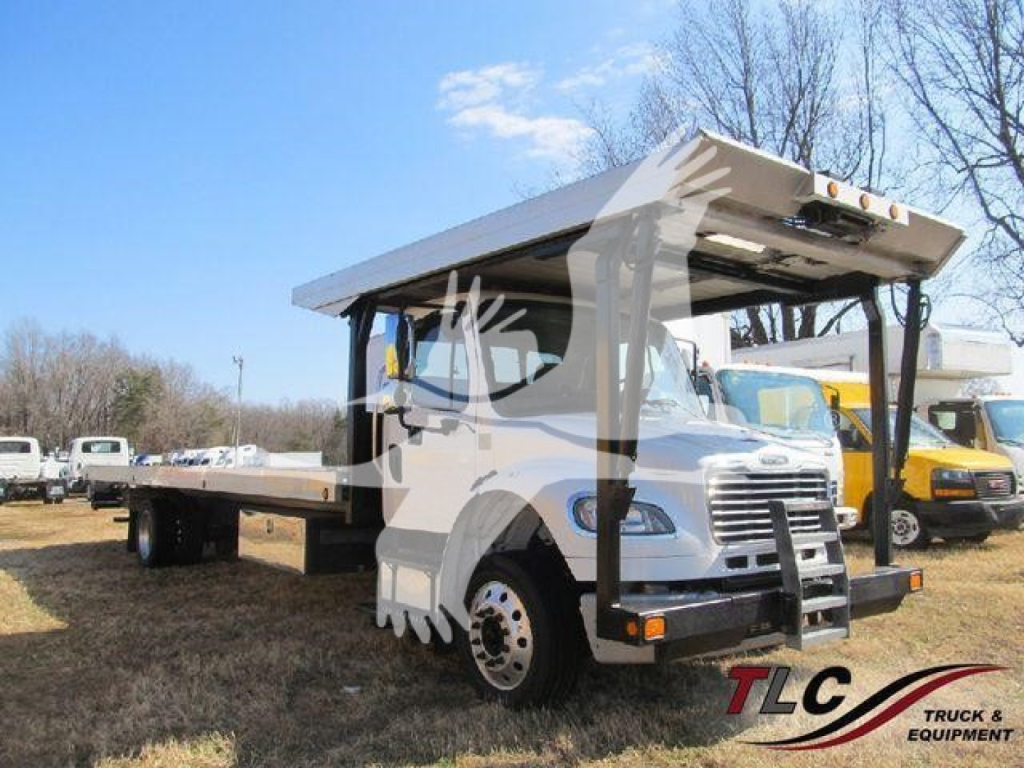
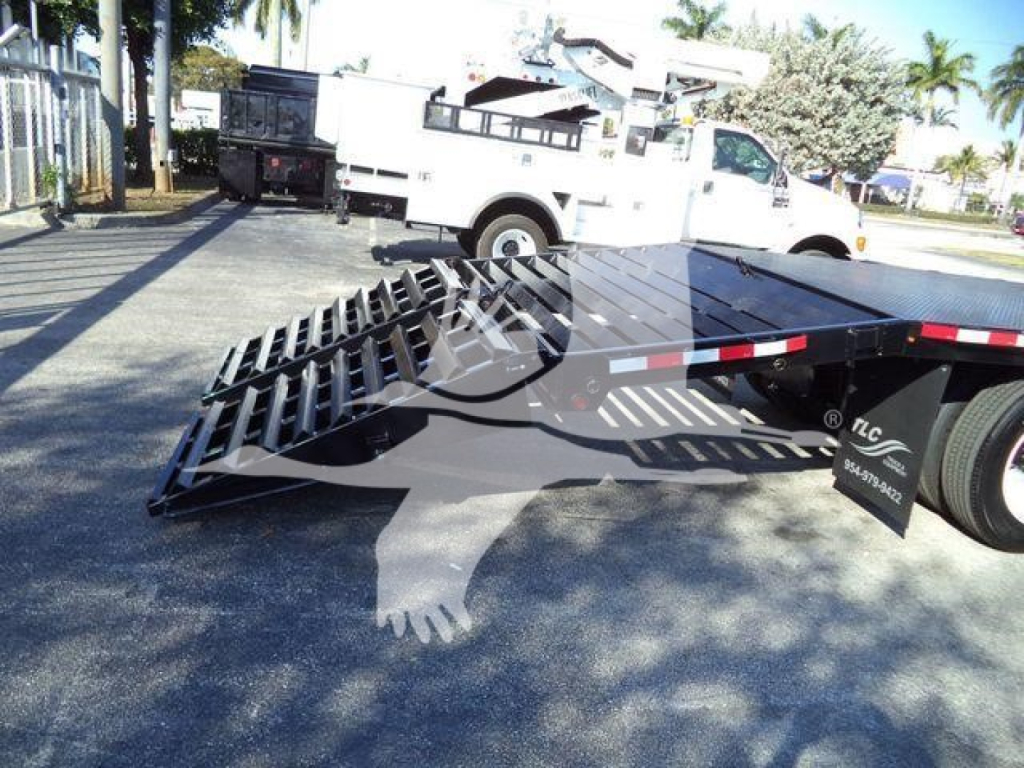
On the truck side, common platforms include Freightliner M2 106, International 4300, and other Class 6 through Class 8 chassis with diesel engines from Cummins, CAT, or similar commercial powerplants. In this category, important specs include GVWR, wheelbase, deck length, hydraulic wheel-lift or rollback function, bed width, and suspension type. A 25-foot to 30-foot deck is common on straight truck auto carriers, often paired with a beavertail, dovetail, spring-assisted ramps, or a full rollback body from builders such as Chevron, Jerr-Dan, Cottrell, or Advanced Fabricators. Air brakes, air ride suspension, Allison automatic transmissions, and PTO or wet kit setups are all features that matter because they affect ease of operation, driver fatigue, and serviceability.
Florida buyers should pay close attention to corrosion exposure, cooling system condition, and hydraulic performance. Even in a warm-weather market, used auto carrier trucks see hard cycle use with repeated loading, unloading, winching, and deck articulation. Inspect the subframe, crossmembers, tie-down points, wheel-lift pivots, cylinders, hoses, and ramp hinges for fatigue or repairs. Check deck width and approach angle if you regularly move low-clearance cars, SUVs, or light trucks. A heavier-duty chassis with a proven drivetrain can make sense even with higher miles if the maintenance history is strong, because these trucks often spend their lives in stop-and-go commercial work rather than easy highway miles.
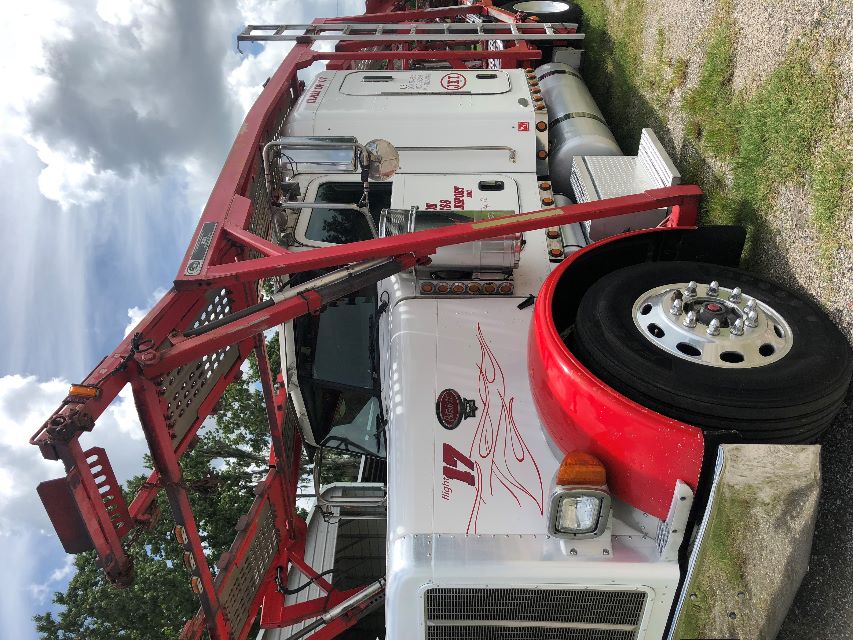
The best used auto carrier truck is the one matched to your lane and load mix. A rollback-style carrier offers flexibility for damaged, inoperable, or specialty vehicles. A beavertail or ramp truck can be simpler and effective for dealer moves and local deliveries. A conventional tractor with a car-hauler trailer may suit operators needing more deck space and higher throughput, but it brings different licensing, maneuverability, and maintenance considerations. Buyers comparing listings should look beyond price and focus on payload strategy, bed configuration, drivetrain durability, brake spec, and how quickly the truck can be put into dependable daily service.
Frequently Asked Questions about Used Auto Carrier Trucks in Florida
What is the difference between a rollback auto carrier and a beavertail auto carrier truck?
A rollback auto carrier uses a hydraulic tilting and sliding bed to load vehicles, which makes it especially useful for inoperable units, low-clearance cars, and recovery-style work. A beavertail auto carrier uses a fixed deck with a tapered rear section and ramps for loading. Rollbacks typically offer more flexibility and easier loading angles, while beavertail and ramp trucks can be simpler mechanically and well-suited for routine dealer, auction, and local transport work.
How many vehicles can a straight truck auto carrier usually haul?
Capacity depends on deck length, axle ratings, wheelbase, body design, and the size of the vehicles being transported. Many medium-duty straight truck auto carriers are configured for 2 to 4 vehicles. A 25-foot beavertail or ramp truck may be best suited to fewer units or mixed equipment, while a 30-foot commercial rollback on a heavier chassis can be set up as a true 4-car carrier in the right application. Real-world payload and space depend on vehicle dimensions and legal weight, not just advertised car count.
What should I inspect on a used auto carrier truck before buying?
Focus on the chassis and the carrier body as separate systems. On the truck, inspect engine service records, transmission operation, brake type, suspension condition, tire wear, and frame integrity. On the carrier, inspect hydraulic cylinders, hoses, PTO operation, deck rails, crossmembers, winch, wheel-lift, ramp hardware, tie-down points, and any signs of cracked welds or structural repairs. Uneven deck wear, slow hydraulic response, and damage around pivot points can indicate expensive future repairs.
Do I need a CDL to operate an auto carrier truck?
That depends on the truck’s GVWR, the combined weight rating if a trailer is involved, and the regulations that apply to your operation. Some medium-duty straight truck carriers are built around a 26,000-pound GVWR class, while larger units exceed that threshold and require a CDL. Air brake endorsement requirements, interstate authority, and commercial insurance rules can also affect your setup. Buyers should verify licensing and compliance requirements based on the exact chassis and operating plan, not just the body style.
Why do drivetrain choices matter so much on a used auto carrier truck?
Auto carriers work in repeated start-stop cycles, low-speed maneuvering, frequent loading angles, and constant hydraulic use. That operating pattern puts value on torque, transmission durability, cooling system health, and brake performance. Proven combinations such as a Cummins diesel with an Allison automatic are popular because they handle urban delivery work well and are widely supported for service. A strong drivetrain can reduce downtime and improve daily productivity, especially on a truck that earns by the trip.